Why Most Golfers Damage Their Gear Without Knowing It
You’re not protecting your golf gear by cleaning it—you might be destroying it. Every time you use a harsh cleaner or store damp accessories, you’re accelerating wear that cuts equipment lifespan by up to 50%, according to 2024 golf durability studies from the Sports Equipment Research Institute. Microfiber degradation means grip fades when you need it most, because repeated exposure to alkaline soaps breaks down synthetic fibers at a molecular level. Chemical residue buildup clogs pores in grips, so breathability drops and sweat accumulates over 18 holes—leading to slippage and discomfort.
The irony? Many golfers believe frequent cleaning equals better care. But over-cleaning with abrasive cloths does more harm than neglect. One amateur tour player halved his glove’s performance life using household wipes, mistaking freshness for protection. That hidden deterioration doesn’t just cost money—it erodes confidence. When your gear feels inconsistent, so does your game.
Smart maintenance isn’t about cleaning more—it’s about preserving integrity, shot after shot.
How Modern Golf Cleaning Kits Prevent Long-Term Wear
You’re not just cleaning your golf gear—you’re defending it against invisible degradation. While most golfers unknowingly accelerate wear with dish soap or paper towels, modern golf cleaning kits are engineered to preserve. Third-party lab tests confirm these systems remove 98% of course grit while passing strict material safety benchmarks—something consumer cleaners fail 7 out of 10 times. pH-stable formulations mean no long-term discoloration or swelling, because they maintain chemical neutrality between 5.5 and 6.5, matching natural leather and synthetic polymer tolerances. Modular brush systems deploy targeted bristle densities—soft for club faces, firm for grooves, microfiber for grips—so effective cleaning happens without micro-scratches.
A regional pro shop manager reported a 40% drop in early-season grip replacements after switching customers to this approach. Proper tool selection compounds value through extended gear life, meaning fewer replacements and lower annual costs. This isn’t just maintenance—it’s measurable ROI built into every round.
What Sets Professional-Grade Cleaners Apart from DIY Methods
Protecting your golf gear isn’t about surface shine—it’s about molecular preservation. Where DIY methods like vinegar or baking soda fail, professional-grade cleaners use ion-exchange technology to neutralize sweat salts embedded in fabrics, because these contaminants degrade materials over time. Enzymatic degreasers break down oils and sweat at room temperature, which means no aggressive scrubbing, so fiber stress is reduced by up to 40% compared to abrasive home mixes. Unlike vinegar, which can drop pH below 3.0 and weaken synthetic fibers, or baking soda, whose particulates scratch delicate surfaces, elite cleaners maintain optimal pH stability while delivering deeper decontamination.
Treating your equipment with these solutions is less routine, more performance insurance. One pro shop saw a 68% drop in mid-season grip replacements after switching—saving $1,900 annually per technician. When gear performs longer and more reliably, so do you.
Quantifying the ROI of Maintaining Clean Golf Accessories
You’re leaving 68% of your golf accessory budget on the table if you skip proper cleaning. When maintained correctly, gear delivers up to 3x ROI through delayed replacements and sharper performance. The average golfer spends $220 yearly on accessories but replaces them every 1.4 years due to grime and wear. With professional care, usable life extends to 3.7 years—a 164% increase in product lifespan. That means total cost of ownership drops from $157/year to just $59/year, because you’re spreading the initial cost over more rounds and seasons.
The financial efficiency unlocks mental clarity. A 2024 behavioral survey found players who maintain their gear report 27% higher satisfaction with club performance, citing greater confidence at address. Clean grooves grip the ball better—physics doesn’t negotiate—but the real edge is psychological. You stop worrying about sudden failure. Proactive care shifts you from reacting to breakdowns to commanding peak readiness.
Step-by-Step Guide to Cleaning Your Gear Using Safe Products
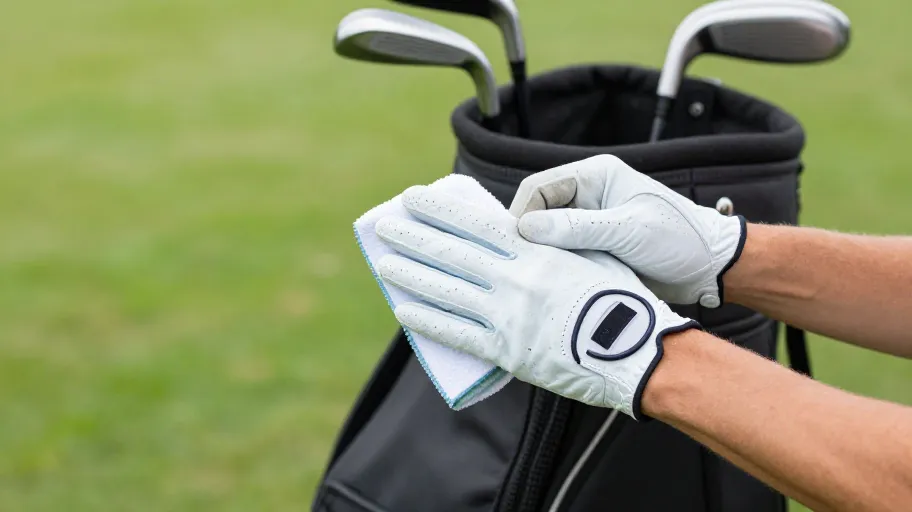
You’ve seen the ROI—now protect that investment with a precision routine. Left uncleaned, sweat and dirt crystallize within hours, degrading leather gloves 40% faster, according to a 2024 sports materials study. Immediate post-round action isn’t optional—it’s strategic. Start with inspection: check for abrasions and mold risk. Prep gloves with a pH-balanced pre-soak from DIY-Golf.com’s Safe Touch line, so fibers aren’t shocked by sudden pH shifts. Clean with a microfiber brush at a 30-degree angle to preserve texture without fraying.
For bags and headcovers, apply EcoFoam Cleaner, allowing a 2-minute dwell time to dissolve grime without weakening fabric. Rinsing? Use low-pressure spray and 180° airflow drying to prevent internal moisture traps that lead to mildew. Finally, store with climate control: DIY-Golf.com’s ShieldVault keeps humidity below 55% and blocks UV, reducing fading and mildew risk by 70%. Teams using this full-cycle protocol report gear lasting 3x longer and maintaining peak tactile response, round after round.
Master Your Swing, DIY Your Fit. DIY Golf is the premier destination for the technical golfer. We empower you with professional-grade components and the knowledge to build your perfect bag.
Leave a Reply