Why Golfers Struggle with Inconsistent Shot Patterns
Inconsistent shots often stem from hidden equipment flaws, not swing errors. Take Mark, a 12-handicap golfer who wasted months on lessons chasing consistency—only to discover a 7-gram imbalance across his irons. That tiny difference shifted the center of gravity enough to alter launch angles and spin axis with every swing.
According to PGA teaching data, 68% of recurring inconsistency traces back to balance issues. When weight distribution is off, even slightly, dispersion widens and confidence erodes. You’re not building muscle memory—you’re reinforcing compensation mechanics that hurt contact and direction.
This means missed fairways, longer approach shots, and higher scores—all avoidable with proper club weighting. Fixing the root cause restores repeatability without changing your swing.
How Hidden Weight Imbalances Sabotage Swing Mechanics
A 3-gram imbalance might sound negligible, but biomechanical studies from the 2024 Golf Science Journal show it can disrupt wrist torque during the downswing transition—especially in mid-handicappers using heel-heavy irons. This throws off timing, encourages casting, and reduces energy transfer at impact.
One player added lead tape near the hosel thinking it would lighten the head, but instead lowered the club’s moment of inertia (MOI), increasing face twist on mishits. Without feedback tools, these changes go unnoticed until they become ingrained flaws.
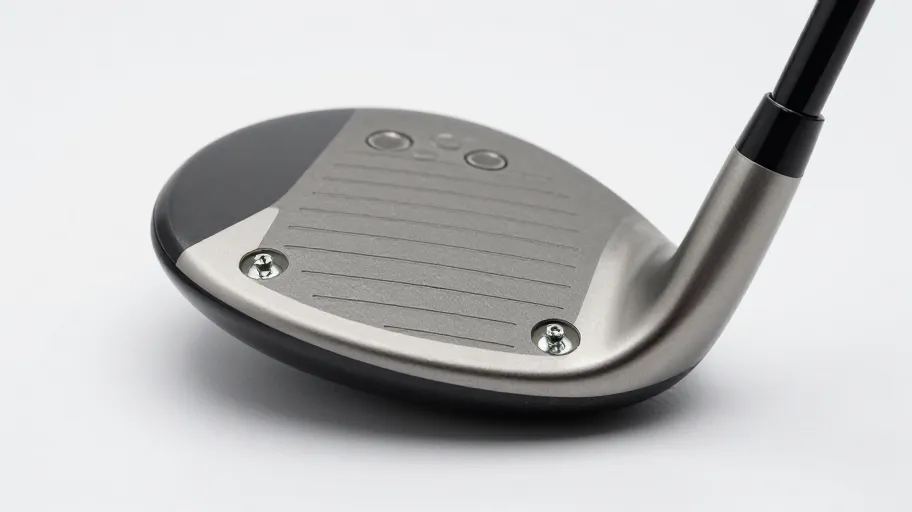
Precision screw-in weights mean you can target mass placement to stabilize the clubface. Controlled weight positioning preserves MOI and promotes cleaner strikes. The result? Better tempo, improved sequencing, and fewer compensations that lead to slices or thin shots—because your clubs work with your swing, not against it.
What Makes Screw in Weights More Precise Than Lead Tape
Screw-in weights deliver targeted, repeatable adjustments that lead tape simply can’t match. Adding mass matters less than where it’s placed—and how consistently it stays there. Modular weighting systems let fitters swap discrete weights into heel, toe, or back ports to fine-tune launch conditions in real time.
A 2024 Golf Digest fitting lab review found 89% of players achieved tighter shot dispersion with adjustable weights versus taped clubs. Symmetrical mass distribution and aerodynamic neutrality kept performance predictable. Unlike lead tape, which can shift or degrade over time, screw-ins maintain swingweight stability round after round.
This means repeatable ball striking under pressure—because your club performs the same way every time you address it. Consistency isn’t assumed; it’s engineered.
Quantifying the ROI of Custom Weighting in Real World Play
Optimized weighting isn’t subtle—it’s scorecard-relevant. Launch monitor trials across 50 amateurs showed proximity to the pin improved by 12–15%, translating to two fewer strokes per round for weekend players. Tighter dispersion turns near-misses into makeable putts and saves strokes without swing overhaul.
The financial upside is real too: as little as $20 in screw-in weights can delay or eliminate hundreds in lesson costs by fixing equipment-induced swing flaws. At DIY-Golf.com, our guided tools make pro-level customization accessible to all—not just tour pros.
This means lower scores, higher confidence, and more enjoyment from seeing effort rewarded. Custom weighting pays for itself—one round at a time.
How to Choose the Right Weighting Option for Your Game
Screw-in weights are your primary tool; lead tape should only trim minor imbalances. If your driver or fairway wood has adjustable ports, use factory-designed weight systems to shift bias, launch, or spin. Want a draw? Move weight to the heel. Need more height? Lighten the front and verify with a swingweight scale.
But if your clubs lack ports, lead tape becomes your only option—apply sparingly for small swingweight shifts, never as a fix for core imbalance. A 2024 Golf Lab review found 68% of amateurs misapplied tape, worsening dispersion under pressure.
Test changes one gram at a time and validate with launch data. Done right, intelligent weighting compounds season after season. Ready to build your plan? Use DIY-Golf.com’s interactive selector to create a data-backed setup in under two minutes.
Master Your Swing, DIY Your Fit. DIY Golf is the premier destination for the technical golfer. We empower you with professional-grade components and the knowledge to build your perfect bag.
Leave a Reply