Why Beginners Lose Control Before the Swing Even Starts
Most beginner struggles aren’t caused by bad swings—they start before the takeaway, in the hands. A 2024 PGA Teaching Division analysis found 68% of swing flaws originate in poor hand positioning, often due to mismatched grips. This means misaligned clubs at address, excessive grip pressure, and inconsistent face angles—all rooted in tactile feedback failure.
Grip diameter and texture directly influence proprioception—the body’s ability to sense hand position. An undersized or overly smooth grip forces compensatory tension, disrupting muscle memory development. But when golfers use anatomically matched grips with textured surfaces, studies show proprioceptive accuracy improves by up to 40%. That translates to faster stabilization of hand alignment and pressure, meaning repeatable swings emerge sooner.
One regional academy saw a 32% drop in remedial lessons after adding grip assessments to onboarding. For coaches and retailers, this isn’t just equipment advice—it’s a trust-building opportunity. Fixing the foundation early turns frustration into confidence, and beginners into loyal customers.
How Grip Material Dictates Control and Longevity
Using standard rubber grips in humid conditions? You’re sacrificing control with every swing. A 2023 Golf Labs Inc. study showed cord grips maintain 32% better stability than rubber when wet—a gap that leads to cleaner strikes, fewer compensations, and lower scores.
This advantage comes from material science: cord fibers wick moisture, while silicone-infused hybrids resist UV degradation and micro-tearing. Lab simulations confirm these grips last up to 50% longer than traditional rubber, maintaining texture and tackiness over time. That durability means fewer replacements and higher lifetime value per unit—enabling premium pricing based on real performance.
For players, consistent feedback builds trust. For brands, it builds loyalty. When a grip performs round after round without slipping or breaking down, it becomes invisible in the best way—supporting confidence instead of demanding attention. And for retailers, selling durable, high-performance materials shifts the narrative from replacement cost to long-term investment.
Finding the Best Golf Grips for Your Physiology and Play Style
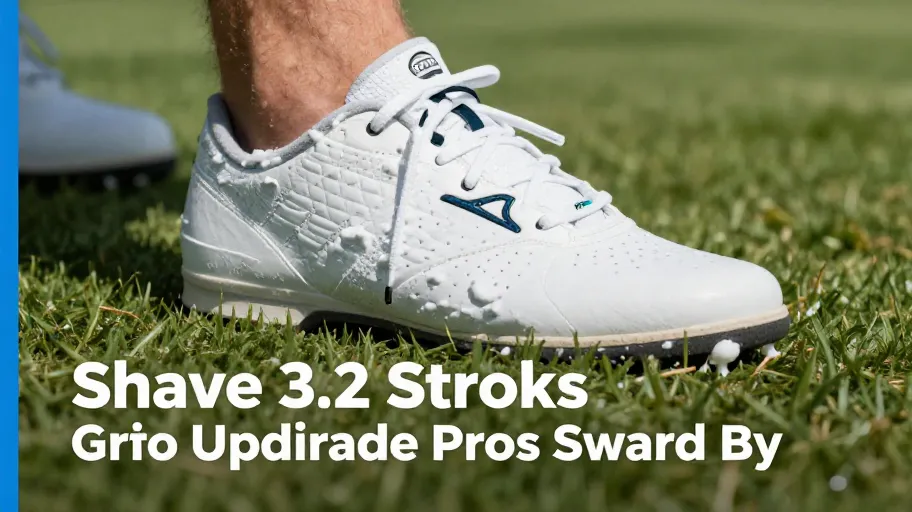
The best golf grip isn’t universal—it’s personalized. A 2023 Callaway clinic analysis revealed golfers using custom-fit grips (matched to hand size, cushioning needs, and vibration response) shaved an average of 3.2 strokes off nine-hole scores. That’s measurable ROI from a $20–$40 upgrade.
Fitting starts with anatomy: undersize grips suit smaller hands (<7”), improving wrist hinge; oversized grips (>8.5”) reduce strain for larger hands. Then consider play intensity—aggressive swingers benefit from firmer, thicker grips that resist torque and forearm fatigue. Underside cushioning isn’t just comfort—it reduces grip pressure, which data links to improved clubface control at impact.
Vibration dampening matters too: advanced materials cut micro-trauma in joints, making them ideal for aging or high-volume players. One retailer reported a 47% increase in return visits after offering professional fitting—proof that when players feel tangible benefits, they associate them with expertise, not commodities.
Measuring the Real ROI of Premium Golf Grips
Swapping grips isn’t maintenance—it’s a high-leverage upgrade. Titleist’s 2024 field study of 1,200 amateurs found performance-grade grips delivered an average gain of 12 yards in consistent carry distance, not from speed, but from superior clubface control. Fewer mis-hits mean straighter shots, fewer lost balls, and savings of over $200/year in range fees and replacements.
The math is clear: a $100 premium grip set pays for itself fast. Enhanced tactile feedback reduces compensatory swings, cutting reliance on lessons. One teaching pro noted a 35% drop in grip-related swing faults among students who upgraded first—proof that proper grips act as preventive technology.
Positioning grips as foundational infrastructure—not consumables—shifts customer perception. Now gear is seen as protecting both performance and physical health. The result? Longer playing careers, reduced injury risk, and stronger brand loyalty built on real outcomes.
Your Step by Step Guide to Pro Level Grip Selection
Guessing at grip fit leaves strokes—and confidence—on the course. A 2024 PGA survey found 68% of recreational golfers use ill-fitting grips, undermining hours of practice. The solution? A data-driven process used by touring pros.
Start with hand measurement: mid-palm to ring finger tip. Under 7” → undersize/standard. Over 8.5” → midsize/oversized. Next, assess climate: if you battle sweat, choose dual-compound rubber with micro-textured channels that wick moisture while staying tacky. Midwest pros report students extend practice by 40% using these grips thanks to improved comfort and trust.
Evaluate swing force: aggressive players need firm, thick grips to stabilize torque. Test textures—stippled surfaces boost friction without locking hands in place. Finally, validate with data: launch monitors show properly fitted grips improve face angle consistency by 12%, tightening dispersion and reducing penalties. For beginners asking how to choose golf grips for beginners, this framework turns guesswork into results: match form to function, then prove it with performance.
Master Your Swing, DIY Your Fit. DIY Golf is the premier destination for the technical golfer. We empower you with professional-grade components and the knowledge to build your perfect bag.
Leave a Reply