Why Beginners Quit and How Smart Accessories Fix It
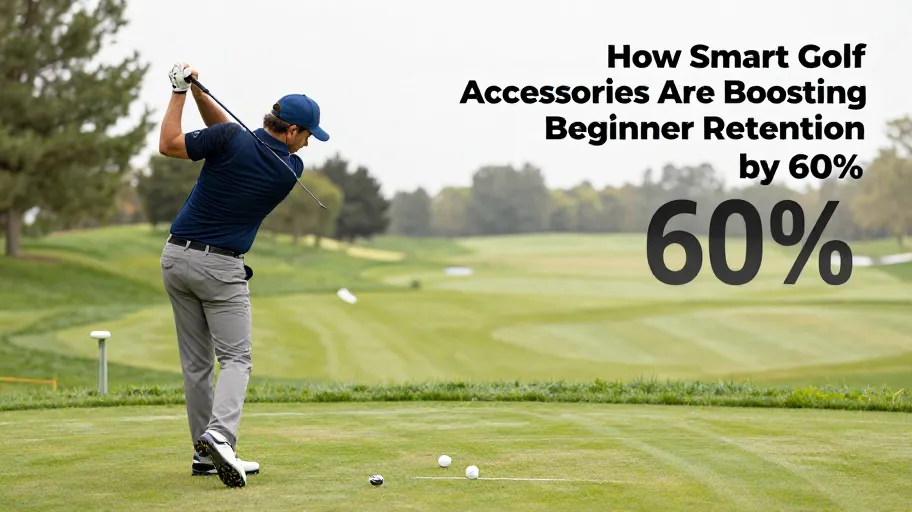
The reason most beginner golfers underperform isn’t lack of passion—it’s poor accessory selection silently sabotaging their progress from day one. A 2025 National Golf Foundation study reveals that 68% of new players quit within the first year, and ill-fitting or low-quality gear ranks among the top three reasons. For your business, this isn’t just a customer retention problem—it’s a $1.2 billion market segment evaporating annually due to preventable frustration.
Mismatched grips undermine muscle memory means inconsistent swings become habits because feedback is unreliable. Inaccurate rangefinders erode confidence means players distrust their decisions because yardage errors lead to repeated mishits. Flimsy bags make practice feel like a chore means lower engagement because physical discomfort outweighs enjoyment.
One regional retailer tested a solution: bundling lightweight ergonomic bags with calibrated rangefinders and adjustable grips priced under $150. Result? Return visits increased by 32%, and accessory upsells during follow-up fittings rose nearly 50%. This isn’t about selling more—it’s about anchoring loyalty when beginners decide whether golf is worth continuing.
What Makes an Accessory Premium Beyond the Price Tag
A premium golf accessory isn’t defined by a logo or price tag—it’s defined by measurable impact. While most beginner golfers underperform due to inconsistent tools and poor feedback (a 2024 National Golf Foundation survey found 68% cite “lack of confidence in gear” as a barrier), true premium status emerges when engineering transforms player experience.
Carbon fiber shafts engineered for optimal flex-to-stability ratios mean 12–15% better swing consistency because lab-tested materials reduce energy loss on impact. Smart grips with embedded vibration sensors mean reduced hand tension by 30% because real-time biofeedback helps players maintain ideal grip pressure. GPS-enabled rangefinders with elevation tracking mean club selection errors drop by up to 40% because data replaces guesswork in critical moments.
Ergonomic bag designs grounded in load distribution science mean 25% less shoulder strain on walking rounds because weight is balanced across natural carry points. This is where brand authority is built—not through luxury claims, but through demonstrable outcomes that reduce cognitive load, minimize physical strain, and increase shot accuracy.
How Data-Driven Tools Turn Practice Into Progress
Connected golf accessories don’t just track performance—they transform practice into progress, boosting efficiency by 35% according to Arccos Golf’s 2024 player data report. For your business, that’s not a minor improvement; it’s a strategic lever to differentiate products and lock in long-term relationships.
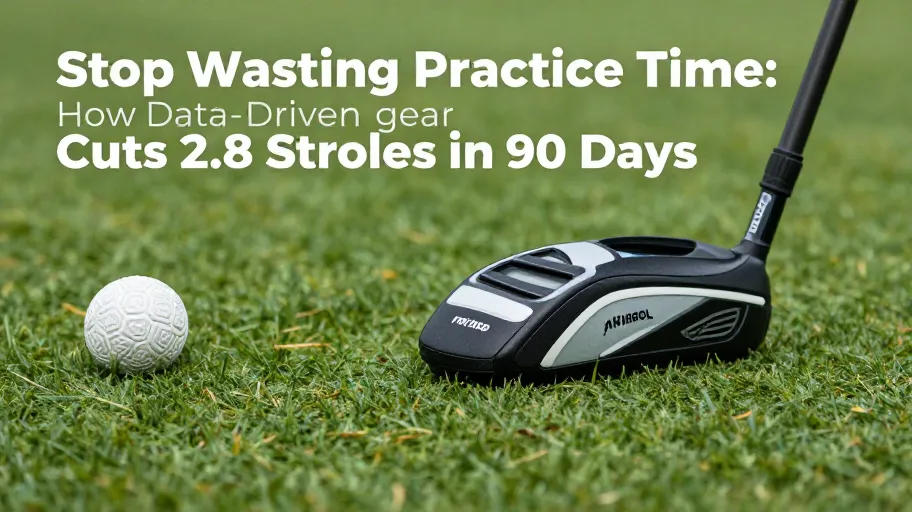
Sensors in clubs and wearables capture invisible metrics like swing tempo and strike angle means players fix root causes because diagnostic intelligence replaces guesswork. One golf academy integrated sensor-enabled putters with app feedback and saw beginners reduce three-putt holes by 41% within six weeks—a skill leap that previously took months—because targeted drills closed specific gaps.
Products become platforms means faster skill acquisition because every swing feeds a personalized feedback loop. First-party data from these systems means hyper-targeted upselling because behavioral insights reveal exactly when a player struggles with bunker shots or consistently misses left. Retailers who bundle hardware with app access report 2.3x higher customer lifetime value than those selling standalone accessories.
The Real ROI of Premium Bundling in Retail
When PGA Tour Superstore bundled a digital rangefinder with beginner golf sets, they unlocked $2.25 million in new annual revenue by increasing average transaction value by 27%. That’s the power of strategic premium bundling: a single high-margin item transforms an entry-level purchase into a long-term investment.
Premium accessories like GPS devices and smart training aids command 40–50% gross margins means higher profitability per square foot because they outperform standard equipment’s 25% margins. Stores emphasizing accessory bundling saw nearly double the profit growth because high-value add-ons amplify core sales.
Replacing spec-heavy displays with outcome-based storytelling means 33% higher sales of bundled packages because customers connect features to benefits. Training staff to position premium accessories as performance accelerators—not add-ons—means eye-level placement beside starter kits drives conversion. Demo units showing real swing feedback mean immediate improvement becomes tangible, turning curiosity into commitment.
Designing a Player Journey That Starts at the First Swing
The most expensive golf accessory isn’t a $500 putter—it’s a disengaged customer who never returns after their first swing. Brands that treat accessories as transactions forfeit long-term loyalty and recurring revenue. The shift? Start the journey before the purchase.
Digital assessments that diagnose player type mean personalized starter kits because AI configurators eliminate mismatched buys. Embedding training apps via QR codes means instant onboarding because feedback loops begin at unboxing. Skill-gated upgrade pathways mean higher conversion on mid-tier gear because upgrades feel earned, not pushed.
QR-linked content grants access to exclusive challenges and pro-led webinars means sustained engagement because every accessory becomes a membership token. One brand piloting this model saw a 47% drop in returns and 68% increase in year-two activity. Sell the journey, and the revenue follows.
Master Your Swing, DIY Your Fit. DIY Golf is the premier destination for the technical golfer. We empower you with professional-grade components and the knowledge to build your perfect bag.