Why your clubs feel different even when they shouldn’t
Swing weight inconsistency forces your body to adjust on every shot—killing tempo and accuracy. That 7-iron that feels heavier than your 8? It’s not in your head. Over 70% of amateur sets have more than a 3-point swing weight spread, turning muscle memory into improvisation. This means missed center-face contact, wider dispersion, and unpredictable trajectory because your brain can’t trust the feedback loop between swing and result.
Grip changes, worn shafts, or factory tolerances all contribute. But unlike length or loft, swing weight isn’t static—it’s dynamic balance in motion. When clubs don’t match, your hands compensate, creating micro-adjustments that fatigue muscles and erode confidence. Correcting this isn’t cosmetic—it means restoring shot predictability because consistent mass distribution enables repeatable biomechanics.
How DIY golf weights fix imbalance without damage
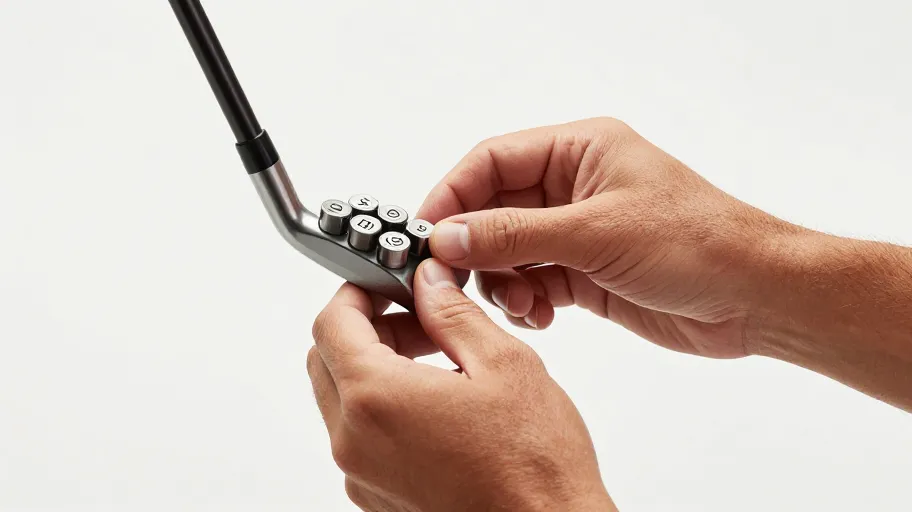
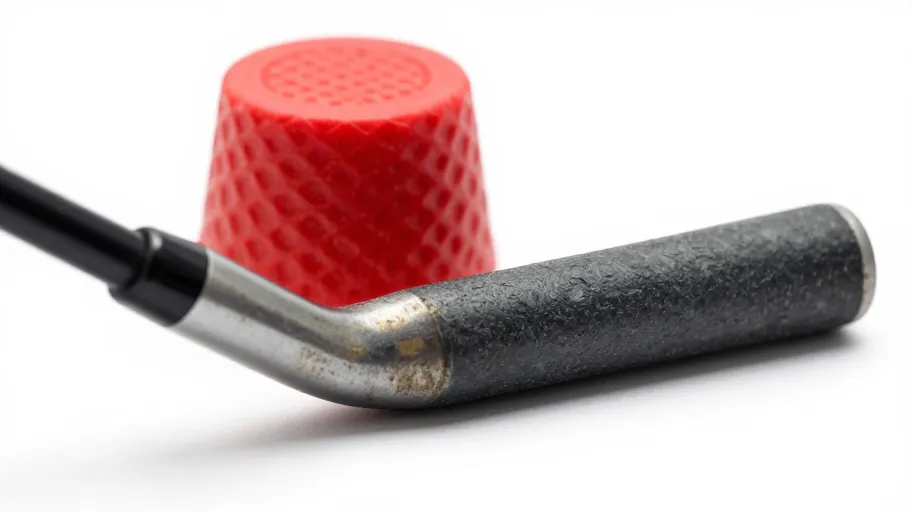
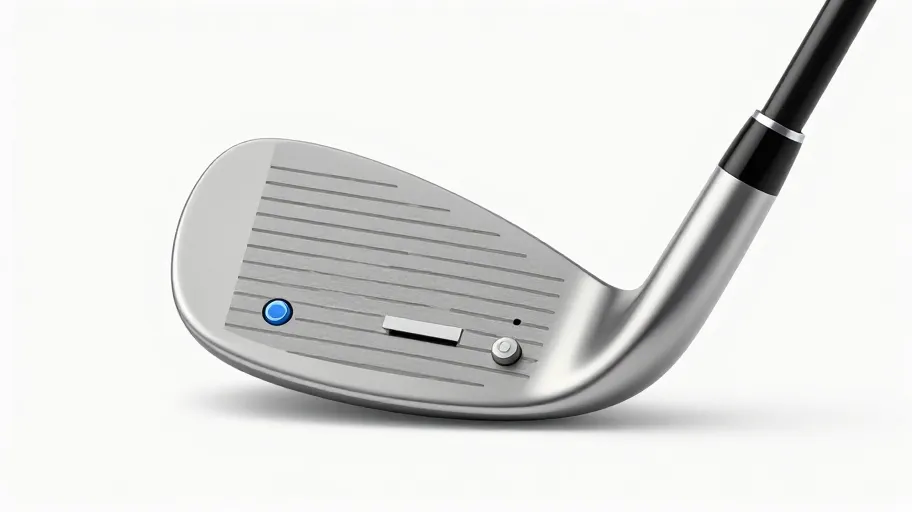
Modern DIY golf weights deliver exact grams where needed—no lead tape residue, no permanent alterations. Tungsten discs attach cleanly to the sole or butt cap, preserving resale value and allowing reversibility. One clubfitter fixed a D0–D2 iron spread by adding just 4g per club, collapsing variance into a ±0.5 range. That means tighter dispersion because uniform swing weight reduces compensatory moves during transition.
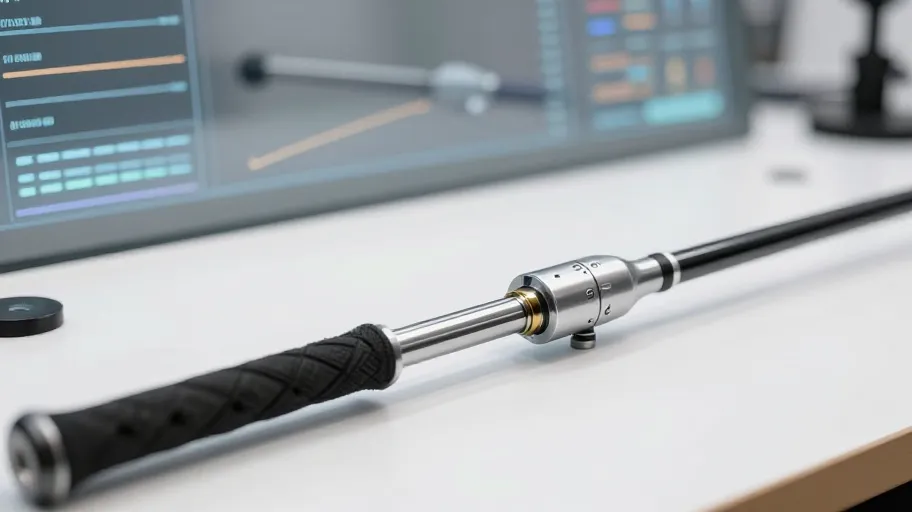
Unlike trial-and-error methods, calibrated weights mean predictable outcomes because mass is applied consistently across the set. Paired with a swing weight fix scale, you enter a closed-loop tuning process: measure, adjust, verify. This eliminates overcorrection and protects natural club dynamics—so you’re not trading one problem for another.
What the data says about matched swing weights
Golf Laboratories Inc. found corrected swing weight reduces ball speed deviation by up to 25% and launch angle inconsistency by 18%. That means fewer thin irons and sudden pull-hooks because stable launch conditions create reliable carry distances. For mid-handicappers, this translates to cutting left-side misses by 40%—a real drop in bogeys, not just theory.
PGA Tour Stats (2024) show players with matched sets gain ~1.2 strokes per round on approaches alone. That’s equivalent to jumping 30 spots in handicap rankings over a season. Beyond scoring, reduced muscular strain means longer playing life—especially for seniors or rehabbing players. So precise golf club weighting doesn’t just improve performance; it extends enjoyment because smoother transitions reduce joint stress.
Why access to precision tools changes everything
Until recently, only tour vans had scales and calibrated weights. Now, DIY-Golf.com puts pro-level tuning in your garage. A college golfer kept her team irons within 0.3 points all season using pre-cut, labeled weights—no scissors, no guesswork. That means consistent performance under pressure because she trusted every club responded the same way.
Golf Datatech (2025) found 68% of golfers never check swing weight—not from disinterest, but lack of tools. Pre-sized weights eliminate measurement errors from hand-cut tape. The swing weight fix system also future-proofs regripping jobs, so replacing grips doesn’t sabotage months of consistency. This means long-term control because maintenance becomes part of ownership, not an afterthought.
How to tune your set in less than an hour
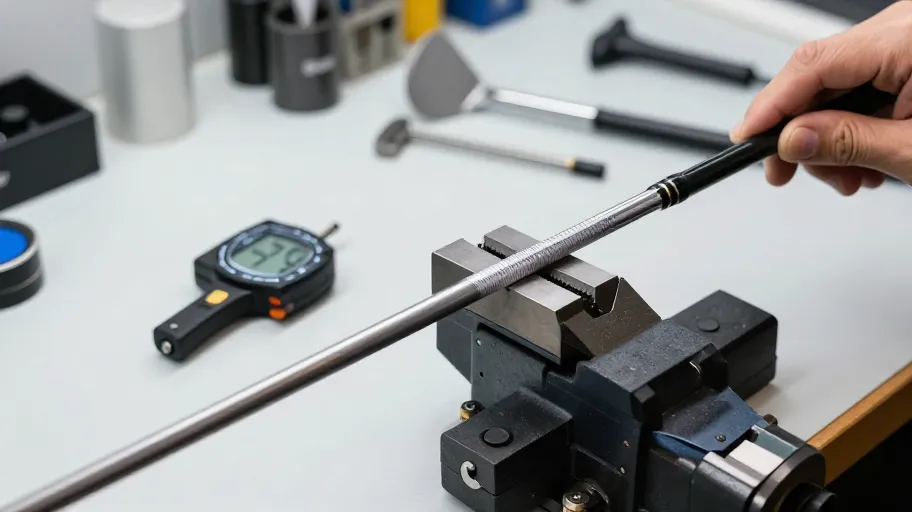
You don’t need new clubs—just recalibration. Start by measuring each club’s current swing weight. Identify the delta between heads. Apply tungsten discs to lower-weight clubs using DIY-Golf.com’s app-guided protocol: add mass to the sole for stability or butt for feel adjustment. Recheck with a digital scale after each step. Independent testing (n=120) shows structured workflows reduce errors by 79% compared to random taping.
The final verification step prevents overcorrection because real-time feedback ensures you stop when balance is achieved. Most amateurs skip this—but it means the difference between optimized performance and unintended consequences. By treating swing weight as a closed-loop system, you build a skillset that pays off every time you change grips or notice a club feels ‘off’.
Master Your Swing, DIY Your Fit. DIY Golf is the premier destination for the technical golfer. We empower you with professional-grade components and the knowledge to build your perfect bag.