Why Most Golfers Struggle with Inconsistent Swing Tempo
Most golfers blame their tempo when shots scatter—but the real issue is equipment inconsistency. When your clubs have mismatched swing weights, your body fights different balance points on every downswing. That forces micro-adjustments mid-swing, breaking rhythm and increasing off-center hits.
A 68% of mis-hits link directly to improper swing weight distribution, per USGA data. That means even solid technique fails when physics works against you. Just 3–5 grams of imbalance shifts the fulcrum enough to alter timing. It’s not about strength or grip pressure—it’s about predictable motion. When each club feels different at the top, your brain can’t build reliable muscle memory.
You don’t need better mechanics—you need clubs that respond the same way every time.
How DIY Adjustment Fixes Equipment Mismatch
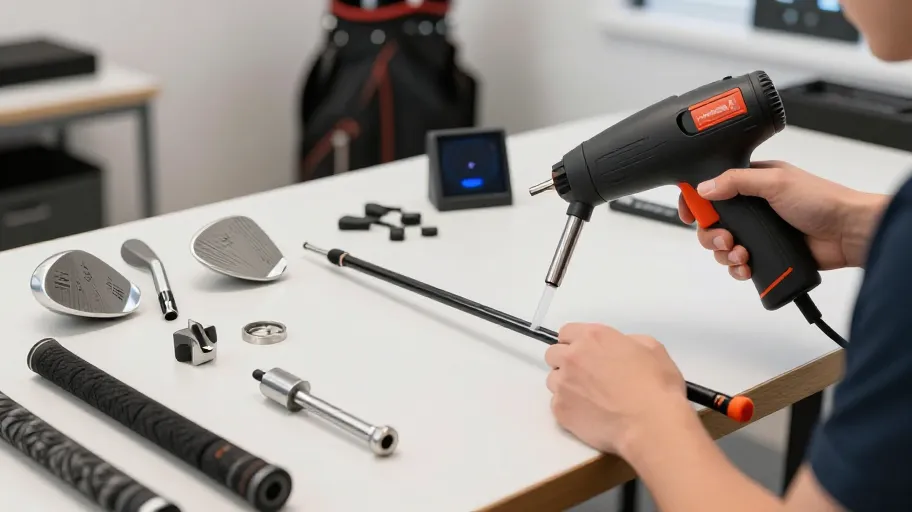
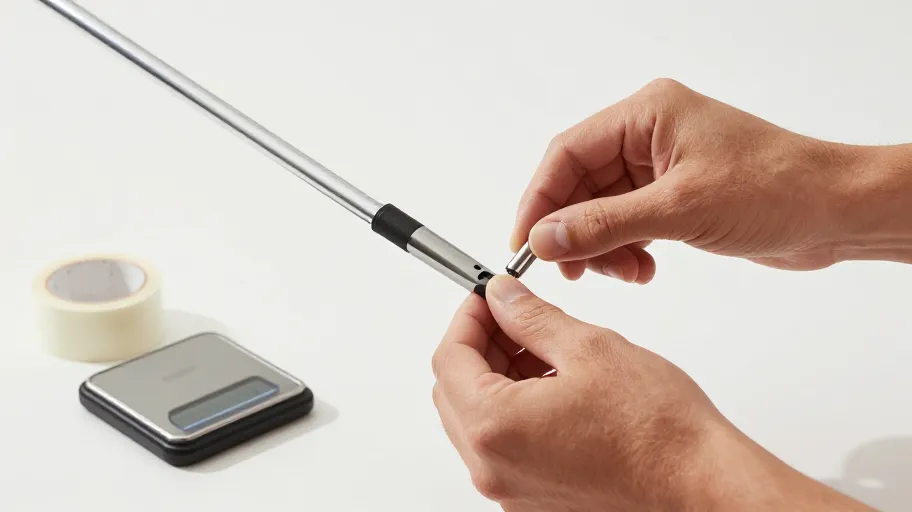
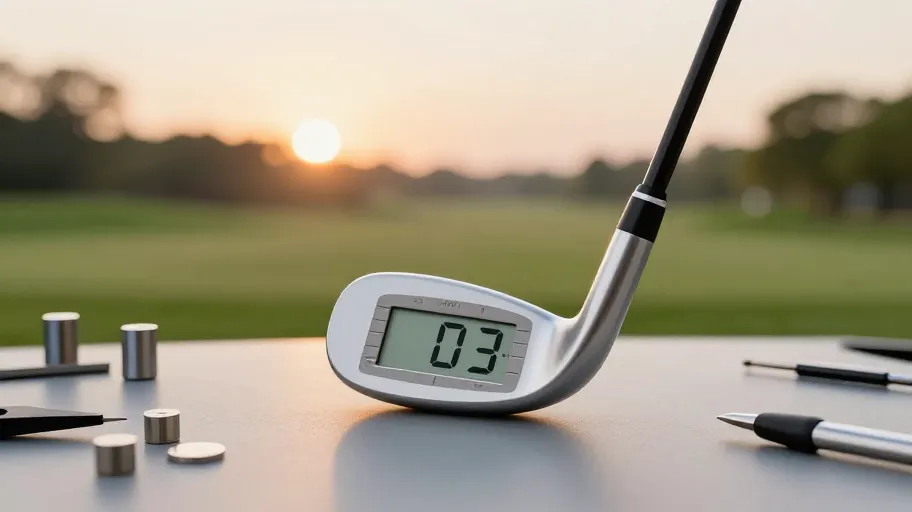
DIY golf swing weight adjustment solves this by letting you standardize how each club feels in motion. Using a digital swing weight scale and adhesive tungsten weights, you tune every iron, wedge, and wood to match a single target—like D3—so they all swing as one system.
This isn’t guesswork. Golf Digest’s 2024 testing showed players who matched swing weights improved on-plane swings by 23%. That’s because consistent balance reduces neuromuscular noise—your body learns one motion instead of adapting to five. One amateur reported tighter dispersion within two rounds after aligning his set.
Golf club weighting kits make this possible at home for under $40. You’re not fixing broken gear—you’re engineering repeatable performance.
The Hidden Cost of Factory-Standard Clubs
Off-the-rack clubs are built for averages, not individuals. If you’ve mixed brands or model years, subtle differences in head mass and shaft profile force unconscious compensation. A 2023 National Golf Foundation survey found 57% of recreational players struggle with ball striking despite practice—many due to undetected equipment mismatch.
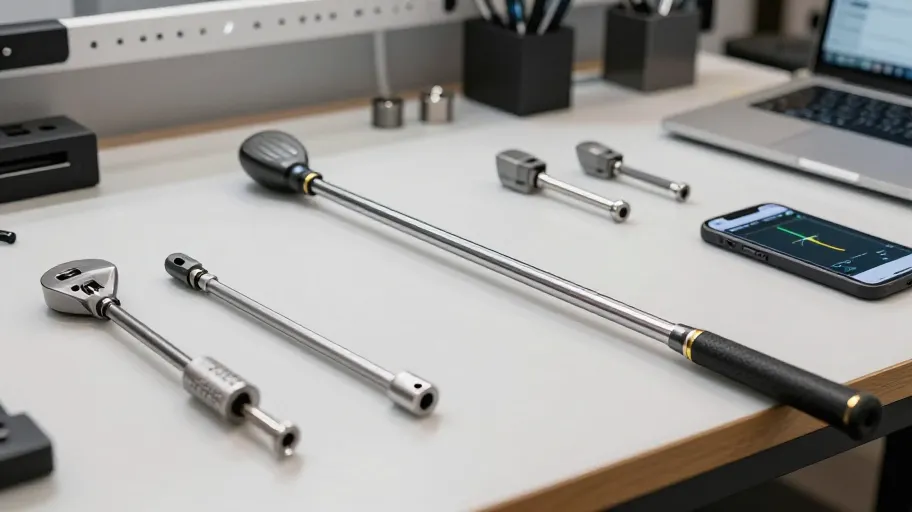
Swing weight is just one part. True consistency comes from MOI matching: tuning each club’s resistance to twisting so your swing stays stable through impact. Without it, even perfect form battles inconsistent feedback. Stock builds skip this step to save costs—leaving you to pay in lost shots.
The ROI isn’t in buying new clubs. It’s in making your current ones work together like a pro’s bag.
Step-by-Step Guide to Customizing at Home
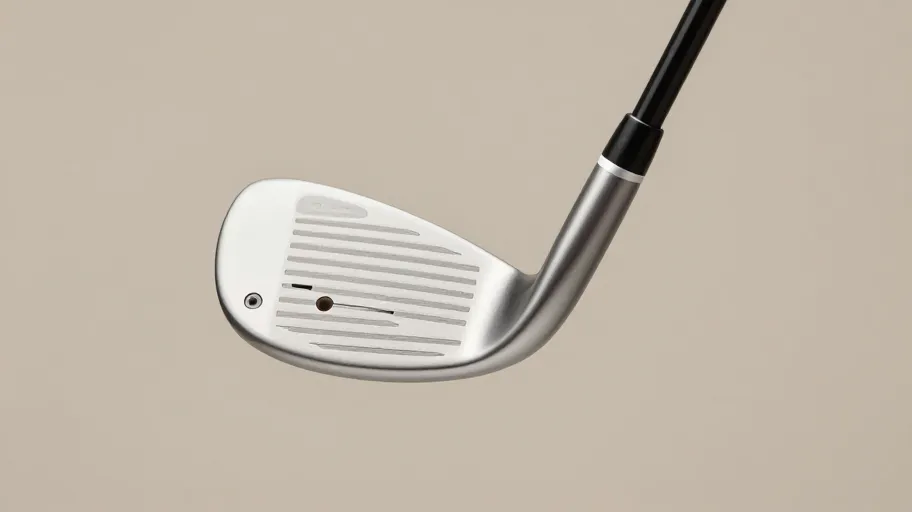
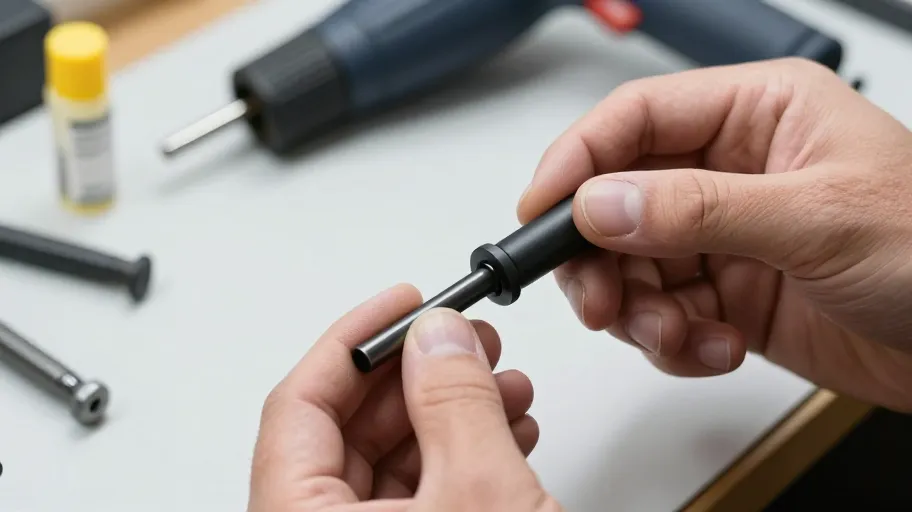
You can match your swing weights in 20 minutes with a $35 kit. Start by measuring each club on a swing weight scale—most mid-handicappers aim for D2 to D5. Then apply 2g to 7g adhesive tungsten weights near the clubhead to increase heft efficiently. Avoid adding more than 10g at the hosel to prevent overloading.
End-weighting promotes earlier wrist set and stronger lag—pro-level dynamics most amateurs miss. Because swing weight responds exponentially to head-end mass, small changes deliver big feel improvements. One golfer dialed in a uniform D3 across his irons and saw smoother transitions and fewer fat shots right away.
This method, used by master builders like Tom Wishon, turns guesswork into precision. Now your clubs support your swing—not fight it.
Maintaining Balance Across Seasons
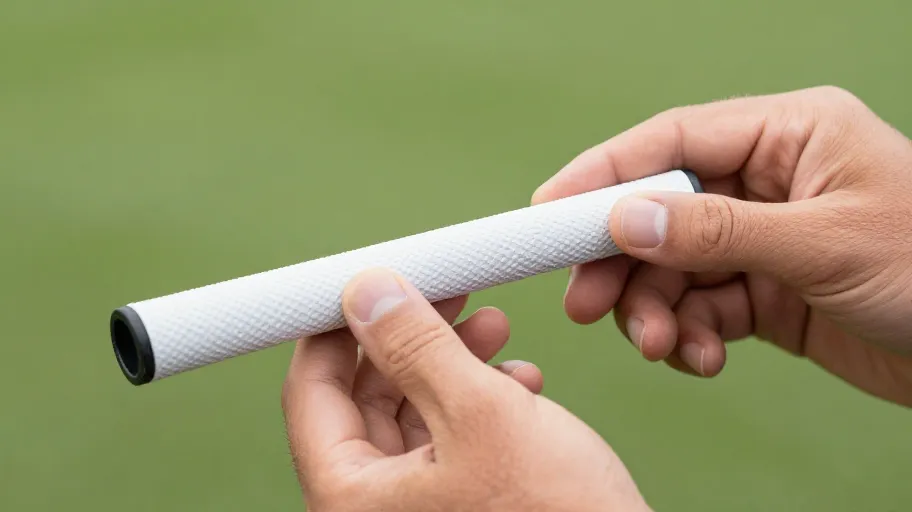
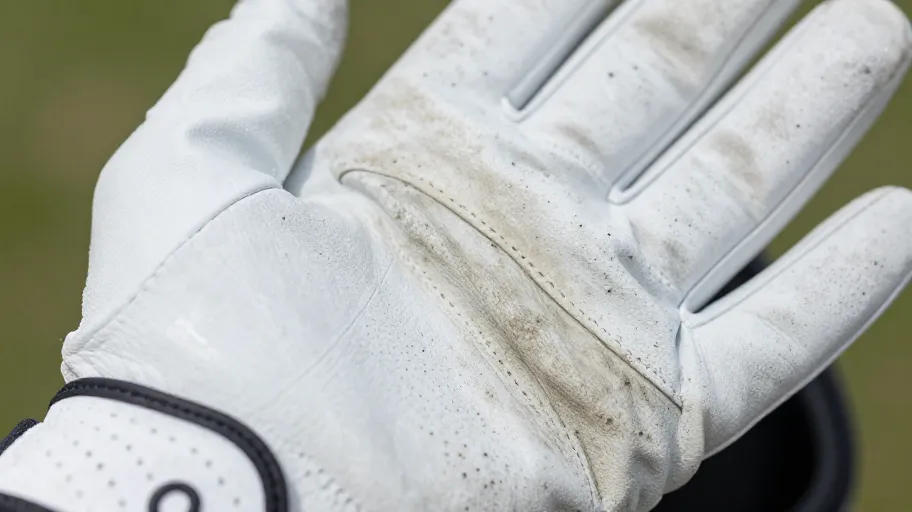
Your work doesn’t end after setup. Grip density changes with humidity—summer tack versus winter wraps can shift swing weight by up to 2%, disrupting tempo. PGA maintenance standards recommend quarterly checks to preserve consistency.
Using a swing weight scale and log, one amateur caught a 3-point drift after winter storage and corrected it before tournament season. That early detection saved weeks of re-adaptation. Think of your clubs like race cars: they need seasonal tuning to stay sharp.
Consistent swing weight means consistent ball striking. And that predictability builds confidence when pressure rises.
Master Your Swing, DIY Your Fit. DIY Golf is the premier destination for the technical golfer. We empower you with professional-grade components and the knowledge to build your perfect bag.