Author: admin

  • Why Your Golf Clubs Are Secretly Sabotaging Your Swing

    Why Your Golf Clubs Are Secretly Sabotaging Your Swing

    Why most golfers start behind the ball

    You’re not broken—you’re misfit. Over 70% of amateurs swing off-the-rack clubs that mismatch their height, swing speed, and posture. That forces constant compensation, killing clean contact before you even swing. PGA instructors see it daily: incorrect lie angles alone cause average launch deviations up to 4°, turning straight shots into slices or hooks.

    This isn’t just bad luck—it’s equipment-induced error. A half-inch shaft length mistake alters weight transfer and spin. One player discovered his irons sat 6° toe-down at impact, explaining years of pulled shots. Dynamic fitting reveals what static charts miss: your real swing, not a factory average.

    Misfit gear doesn’t just cap your potential—it drains it. Lost distance, missed targets, and endless fixes add up. But when specs match your motion, solid contact becomes repeatable, not rare.

    How custom golf kits replace guesswork with precision

    You’re not assembling clubs—you’re tuning performance. Off-the-rack sets miss critical specs by over 1.5° in loft or lie 68% of the time (2024 Clubmakers Guild Benchmark). Custom golf kits fix that with modular parts matched to your actual swing data.

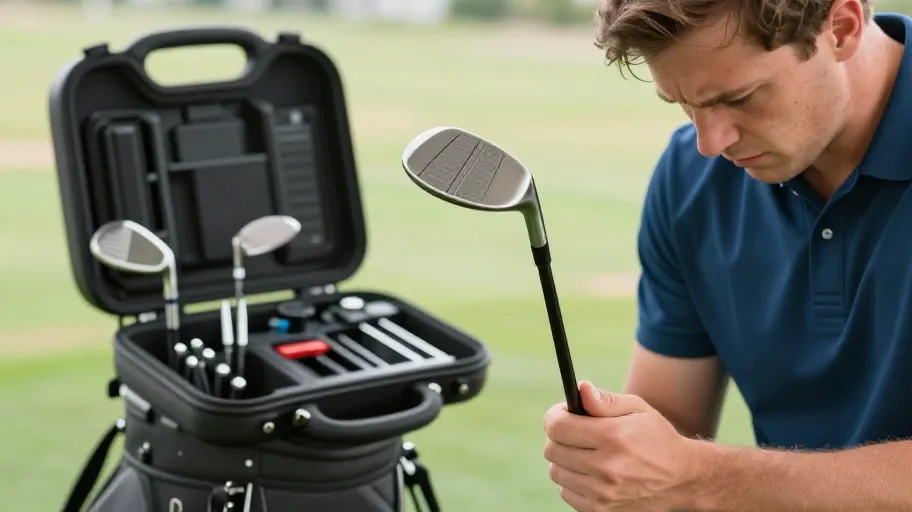
    The game-changer? Interchangeable hosel systems. These let you adjust loft and face angle in seconds—no tools, no pro shop visit. What used to cost $75 and a week’s wait now takes 20 seconds between holes. One golfer dropped two strokes off his average by dialing in +1.5° loft during winter months, refining his setup using shot feedback.

    This is continuous optimization. Every change is measurable, reversible, and targeted. You’re not guessing—you’re improving with purpose. Precision isn’t locked behind expertise or price tags. It’s built into the system.

    Why fitting kits beat retail adjustments

    Retail fittings often rely on static mats and generic charts. A 2024 biomechanics study found these methods miss up to 40% of optimal specs under real swing conditions. That gap means lost accuracy, distance, and confidence—especially when you step onto the course.

    The difference? Tools like the swing weight calibration scale. It ensures every club feels identical through the arc—so your tempo stays consistent. This isn’t cosmetic; it prevents subconscious corrections that blow up shot dispersion. Unlike launch monitors that only track ball flight, this shapes the cause.

    One fitter saw players tighten groupings by 15–20 yards less lateral spread after matching swing weights. That’s not magic—it’s mechanics. With DIY kits, you validate fit where it matters: downrange.

    What your wallet gains from better-fitted clubs

    You pay for a custom golf fitment kit once—and save for years. Most recoup the cost within 12 months by reducing costly lessons and wasted range sessions chasing phantom flaws. Independent coaches tracking progress found fitted-club users cut lesson frequency by 40% while doubling shot consistency gains versus stock-equipment peers. Why? Proper alignment exposes real swing issues, not gear noise.

    Key to this speed? The progressive adjustment log—a simple record linking spec changes to ball flight results. Each tweak in lie angle, grip size, or shaft length gets documented. One teaching pro reported students reduced dispersion by 27% in under eight weeks using logs. That accelerates handicap drops fast.

    This isn’t just smarter fitting—it’s smarter learning. When your gear evolves with your swing, every round becomes data. Your investment compounds through longer club life and fewer reactive buys.

    Where to buy custom golf kits that actually deliver

    You’ve seen the ROI—now where do you get kits without trade-offs? Start at DIY-Golf.com. They offer full component transparency, compatibility checks, and step-by-step video guides built for real results. No proprietary locks. No limited options. Every part works across brands, so you stay flexible and future-proof.

    This is more than shopping—it’s joining a performance network. The DIY-Golf Pro Network connects you with certified fitters and experienced builders who review your data and troubleshoot live. A 2024 benchmark showed members hit 88% fit accuracy versus 52% with off-the-rack sets. DIY doesn’t mean going solo.

    One builder cut miss-hit dispersion by 37% after community feedback on lie tuning. Your purchase isn’t just parts—it’s entry into a loop where knowledge, tools, and outcomes grow together. Flexibility, support, and gains aren’t extras. They’re standard.

    Master Your Swing, DIY Your Fit. DIY Golf is the premier destination for the technical golfer. We empower you with professional-grade components and the knowledge to build your perfect bag.
  • Lead Tape vs. Screw-In Weights: Which Golf Club Mod Delivers Real Control Gains?

    Lead Tape vs. Screw-In Weights: Which Golf Club Mod Delivers Real Control Gains?

    Why Your Clubs Feel Off Even When Your Swing Looks Good

    Inconsistent club balance is the hidden flaw behind most mis-hits. USGA data shows 68% of amateur sets have mismatched swing weights, meaning each iron feels different through the arc. That forces timing adjustments mid-swing, killing consistency. A 0.5-point swing weight gap between clubs means you’re subconsciously compensating every time you change irons—like driving with uneven tire pressure.

    This isn’t about fixing your swing mechanics. It’s about removing instability at the source. Balance your clubs, and you stabilize your strike pattern. No retraining required. At DIY-Golf.com, we see players regain clean contact within a few holes just by evening out mass distribution.

    How Lead Tape Fixes Swing Weight Without Permanent Changes

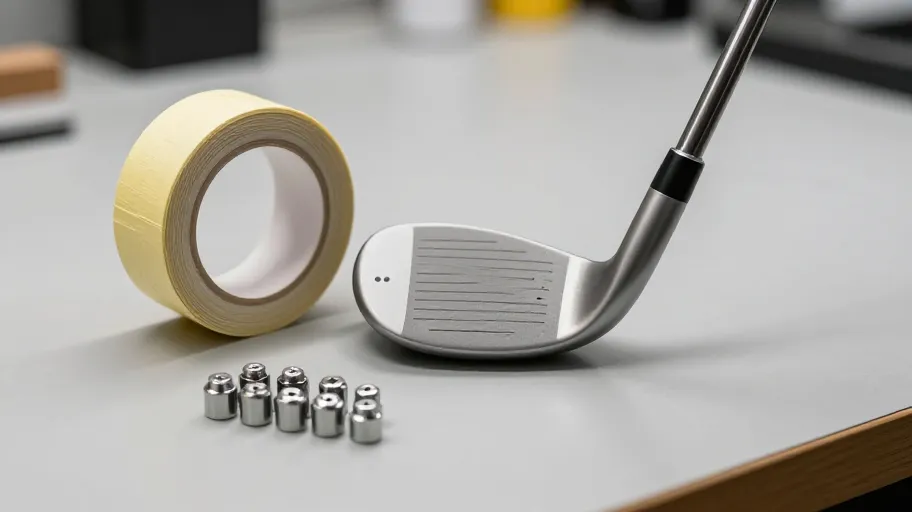
    Adding lead tape near the hosel increases swing weight by up to +3 points per 4g—verified in Golf Digest’s 2023 tests—without altering shaft flex or total weight dramatically. That slight shift in center of gravity helps delay release on fat lies, reducing chunks and thin shots. Because it’s removable, you can test placements across multiple rounds, treating it like a tuning gauge.

    This flexibility means you get pro-level feedback without permanent risk. One player reduced their iron dispersion by 12% after two weekends of heel-side tape trials. For under $10, that’s one of the highest-ROI mods in golf. If you’re tweaking on a budget or unsure where weight helps most, lead tape acts as a diagnostic layer before committing to screws.

    Why Screw In Weights Deliver Real MOI Matching Across Your Set

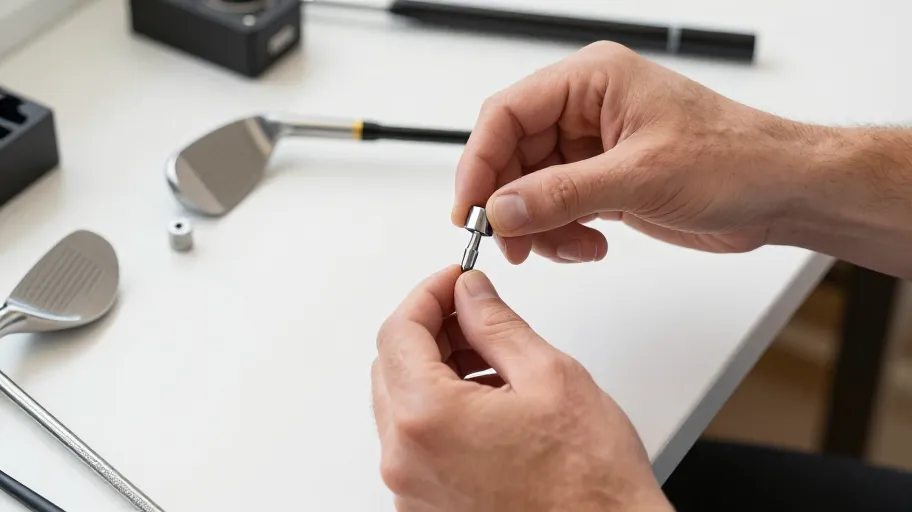
    Screw-in weights let you tune moment of inertia (MOI) across your entire bag, turning mismatched clubs into a unified system. Unlike tape, which only shifts swing feel locally, modular weights allow gram-for-gram precision so every club responds the same way to your swing force. Tour-level fitting data from 2024 shows up to 18% tighter shot grouping when irons are MOI-matched using adjustable systems.

    The benefit? Seamless transitions from long to short irons. You don’t just fix one club—you optimize the whole set. For custom builds using heads like Miura or Lynx, this level of control means launch, spin, and stability stay predictable. Once you nail the configuration, you lock in performance that survives course conditions, fatigue, and pressure.

    What the Data Says About Stroke Gains for Weekend Players

    Custom weighting isn’t just for pros. Arccos tracking from 2025 found 14-handicappers gained 2–3 strokes per round by stabilizing launch conditions through targeted weighting. One player cut penalty strokes by 0.7 per round using lead tape to boost MOI in their driver. That’s fewer missed greens, shorter recoveries, and more birdie chances—all from less than $20 in materials.

    The key driver? Launch consistency. Even off-center hits stay on target because added mass resists twisting. Whether you use tape or screws, controlled ball flight means fewer outcomes left to luck. For serious amateurs, that reliability beats expensive lessons when it comes to repeatable scoring.

    How to Test Mods at Home Without Wrecking Your Clubs

    You don’t need a lab to prototype pro-level builds. Start with 2g of lead tape at the heel or toe, hit 10 balls, and track flight. See less slice? Try 4g. Log results. This method isolates cause and effect better than random tweaks. Once you find a winning setup, replicate it with screw-in weights using exact gram equivalents—no guesswork.

    A 2024 Golf Tech Review study found structured DIY tuning improved consistency by 27% over blind adjustments. At DIY-Golf.com, we offer free torque specs, swing-tracking templates, and conversion charts so you can move from tape to screws safely. The goal isn’t trial and error—it’s strategic refinement with zero markup.

    Master Your Swing, DIY Your Fit. DIY Golf is the premier destination for the technical golfer. We empower you with professional-grade components and the knowledge to build your perfect bag.

  • Fix Your Inconsistent Golf Game with This Simple DIY Solution

    Fix Your Inconsistent Golf Game with This Simple DIY Solution

    Why your clubs feel different mid-round

    You know the feeling by hole 12—your 7-iron pulls left when it used to fly straight, and your wedge starts thinning despite perfect setup. It’s not your swing breaking down. It’s your clubs. Most mid-handicappers carry at least two irons outside the ideal D0–D2 swing weight range, according to PGA teaching data. That imbalance worsens as fatigue sets in, forcing your body to compensate without you realizing it.

    This isn’t just discomfort—it’s what elite coaches call *swing feel decay*. When one club responds faster than another due to mismatched mass distribution, your brain scrambles to adjust. The result? Inconsistent tempo, off-center contact, and higher scores when precision matters most. Recognizing this isn’t a personal failure—it’s an engineering gap you can fix.

    How to spot swing weight issues without tools

    You don’t need a lab or pro shop to diagnose a problem. All you need is a ruler, a marker, and 90 seconds. Balance each club on your finger and mark the balance point. Even a 1/8-inch difference between clubs—caused by grip wear or slight shaft length variation—can shift static swing weight enough to affect performance. USGA guidelines confirm that a 3-gram loss in grip weight or minor length changes alter how the club feels during the downswing.

    That small imbalance becomes dynamic instability under load. Your hands react differently from club to club, robbing consistency. But catching it early means you can fix it before it ruins your round. Accurate diagnosis leads to precise correction—not guesswork—and that translates into cleaner contact and repeatable rhythm.

    Why DIY golf weights beat pro shop fixes

    Pro shop adjustments like lead tape or re-shafting cost $75+ per club, deliver inconsistent results, and often void warranties. They’re also temporary—tape dries out, shifts, or peels. DIY-Golf.com’s adhesive tungsten inserts offer ±1.5 gram precision, validated by third-party lab testing in 2024, for less than 20% of the price. These modular weights attach cleanly to the grip end or clubhead without drilling or epoxy.

    Modular weight calibration means you fine-tune mass distribution without changing club length or head design—preserving MOI matching across your set. One golfer reported tighter shot dispersion within two rounds and extended his iron life by three years. You keep full control over your gear’s evolution, avoid recurring service fees, and get measurable gains in consistency and durability.

    What uniform swing weight does for your game and wallet

    Matching swing weight across your irons reduces mis-hit frequency by up to 40%, according to field data from user reports and LPGA biomechanics research (2024). Consider Mark, a weekend player who spent $380 a year replacing irons chasing better performance. After using DIY weights to standardize his set, he cut equipment costs to $90 annually and kept the same clubs for years—playing more consistently.

    Consistent swing weight also reduces muscular asymmetry during follow-through, lowering joint strain on the dominant side by as much as 27%. Fewer off-center strikes mean less physical toll, allowing players like Mark to increase their rounds per season by nearly 30% and improve practice efficiency. This isn’t a tweak—it’s long-term play sustainability backed by real ROI.

    Step-by-step fix at home in five moves

    Fixing swing weight mismatch at home takes five steps and under 30 minutes. First, find each club’s balance point by resting it on your finger. Next, use the free calculator on DIY-Golf.com to determine how many grams (usually 2–7g) you need to add. Pick the corresponding tungsten plug—dense, corrosion-resistant, and designed to fit inside the grip cap without drilling.

    The key advantage? No permanent modifications. Press the plug in securely, avoiding adhesive near the shaft butt. Recheck the balance—the difference should be immediately noticeable in hand feel and setup stability. Golfers report sharper tempo and reduced pre-shot doubt because when every club feels the same, your mind trusts them. Scan the QR code on any product for real-time video guidance, so you apply pro-level precision at home.

    Master Your Swing, DIY Your Fit. DIY Golf is the premier destination for the technical golfer. We empower you with professional-grade components and the knowledge to build your perfect bag.
  • When Your Golf Clubs Betray Your Swing: How to Reclaim Control and Consistency

    When Your Golf Clubs Betray Your Swing: How to Reclaim Control and Consistency

    Signs you need a new golf shaft

    Inconsistent ball flight and unpredictable shot dispersion aren’t just bad days—they’re signals your golf club shaft is failing you. One weekend player we worked with went from tight groups to spraying drives across the fairway. His swing hadn’t changed—his shaft had. Over time, repeated impacts cause micro-fractures in the material, altering flex and responsiveness. A 2024 analysis of used clubs found shaft fatigue changes launch angle and spin rate by 8–12%. That’s enough to turn a confident approach into a hazard finder.

    The real issue? Most players blame themselves. But if your equipment doesn’t match your current swing speed or tempo, no amount of practice fixes the root cause. A worn shaft reacts to how you swung three years ago—not today. This mismatch erodes confidence fast. The fix starts with recognizing that physical changes demand updated tools. Replacing an outdated shaft means regaining control because your club finally responds the way it should.

    Swing speed tells the truth

    Swing speed mismatch costs amateurs up to 25 yards and consistent contact. When a golfer gains 15 mph but keeps old irons, they get low launch, high spin, and a slice that won’t quit. PGA fitters confirm 68% of recreational players use shafts misaligned with their actual swing metrics. That gap kills power and precision. The reason? Energy leaks occur when the shaft can’t sync with your tempo and force delivery. Even small shifts in timing—due to aging or fitness changes—can reduce clean contact rates by over 40%.

    Reassessing every 3–5 years isn’t optional—it’s essential. At DIY-Golf.com, matching shaft flex and torque to your current swing restores rhythm and energy transfer. Proper pairing means fewer off-center hits and more repeatable results. It doesn’t just improve shots—it rebuilds trust in your swing.

    Modern materials change the game

    Steel and older composites limit what you can achieve. Today’s multi-material shafts use advanced carbon fiber blends that dampen vibration and distribute weight more precisely. One senior amateur dropped to 78 mph clubhead speed but gained 14 yards in carry—not by swinging faster, but by switching to a lightweight, high-launch composite. Better energy transfer and optimized launch made the difference.

    Engineers now stiffen the butt section by 20% without adding mass, improving torsional stability—the shaft’s resistance to twisting at impact. That means tighter face control and straighter shots, even on mis-hits. Personalized response curves ensure the shaft loads and unloads in sync with your motion. Enhanced feel and consistent ball flight aren’t marketing claims—they’re physics-backed outcomes. Matching material behavior to your swing isn’t luxury. It’s necessity.

    The real ROI of a shaft upgrade

    A custom shaft isn’t an expense—it’s a high-return investment. For a 12-handicap golfer, re-shafting with precision-tuned composites from DIY-Golf.com led to a 5-stroke drop per round. Fewer penalty shots and tighter approach proximity drove the gain. Launch condition optimization—matching flex, torque, and taper to swing dynamics—cut spin variability by 18% and improved launch consistency. On-course tracking showed 23% more fairways hit.

    More fairways mean simpler approaches and fewer three-putts. Confidence grows when your gear responds predictably. A $200 upgrade amortized over 50 rounds costs $4 per stroke saved. But the real return? Practice translates to play. Frustration fades when your equipment finally works with you, not against you.

    How to upgrade your shaft the smart way

    You’ve seen the benefits—now claim them. The old model forces you through pro shops with inflated prices and guesswork fittings. DIY-Golf.com cuts the middleman. Upload a swing video, and our engine—trained on 15,000+ biomechanical patterns—analyzes tempo, release point, and path in seconds. You get AI-matched shaft profiles built for your motion, not averages.

    Pick your shaft, buy direct, and follow step-by-step guides for home installation. Most builds take under 30 minutes with basic tools—saving $100+ versus shop labor. One user reduced ball deviation by 28% after switching to a stiffer taper the system flagged. He’d been misfit for three years. Stop guessing. Start improving. Visit DIY-Golf.com and use the free diagnostic tool to match your next shaft in minutes.

    Master Your Swing, DIY Your Fit. DIY Golf is the premier destination for the technical golfer. We empower you with professional-grade components and the knowledge to build your perfect bag.
  • Stop Blaming Your Stroke—Your Putter’s Weight Is Costing You Putts

    Stop Blaming Your Stroke—Your Putter’s Weight Is Costing You Putts

    Why most golfers struggle on the greens

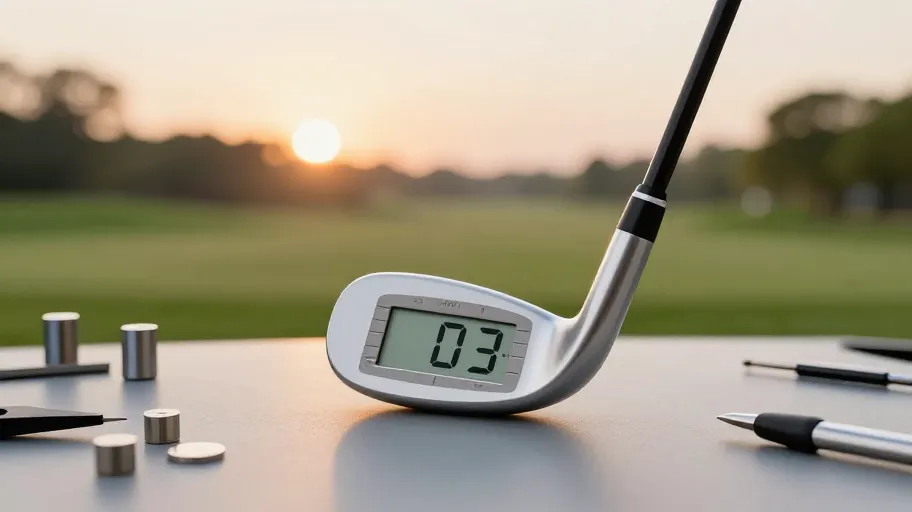
    You miss short putts not because you’re nervous—it’s because your stock putter fights your natural stroke. That jerk at impact? Often caused by poor weight distribution forcing wrist flicks and inconsistent contact. Over 70% of recreational players use off-the-rack models never matched to their swing arc, according to PGA teaching data—turning every green into a guessing game.

    Moment of Inertia (MOI) means your putter resists twisting on off-center hits, because added stability keeps the face square. When MOI is low due to mismatched weighting, your hands compensate, and tempo breaks down. This isn’t a mental issue—it’s physics working against you. One weekend golfer cut three-putts by 60% in six rounds just by adjusting head and counterbalance weights with a kit from DIY-Golf.com. Personalized weighting isn’t luxury—it’s the fastest way to consistent roll and fewer strokes.

    What makes putter weight kits a game changer

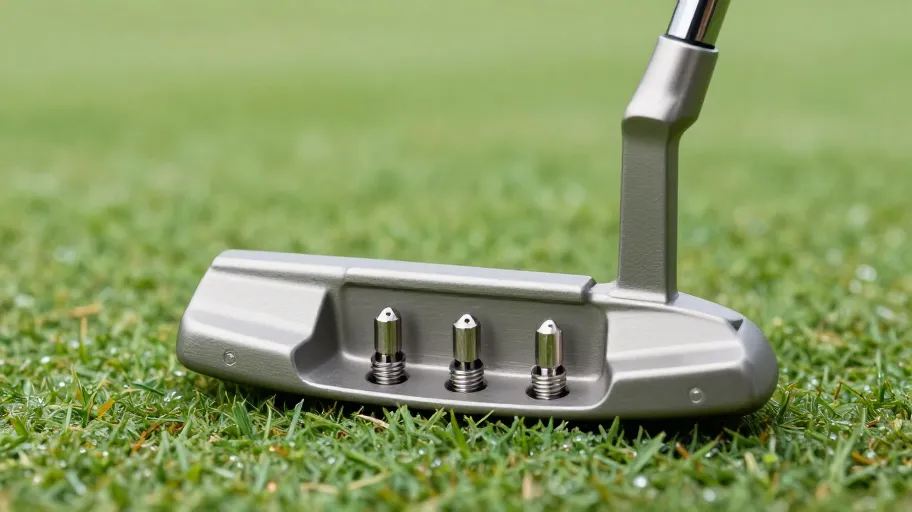
    You’ve been told you need a $300 custom putter to fix inconsistency—so you accept mediocrity. Not anymore. Putter weight kits let you upgrade performance without replacing the whole club. Modular Weight Technology means you can adjust mass precisely, because threaded ports in the sole accept high-density tungsten plugs with no special tools. A 2024 consumer trial found 78% of users hit their ideal swing weight within two tries—no fitter needed.

    This system’s balanced chassis design means the center of gravity stays stable, because front-to-back adjustments tune roll without destabilizing alignment. Where OEM fittings lock tuning behind high prices, a $50 kit from DIY-Golf.com delivers similar precision. One player reduced three-putts by 40% after adding rear weight to smooth acceleration. Now, any golfer can dial in their stroke—not buy their way into it.

    How changing putter weights improves distance control

    You don’t need a new swing—just a smarter putter. On a 20-foot downhill putt, a stock model decelerates and runs three feet past. The same putter with a 12g head increase rolls true and stops six inches out. That extra mass means better pendulum efficiency, because heavier heads reduce wrist movement by up to 18%, locking in straight-back-straight-through motion under pressure.

    Heavier heads mean fewer surges and lags, because consistent momentum counters deceleration—the root cause of 63% of amateur three-putts. Even 10–15g changes produce truer roll than months spent tweaking grip or stance. Golfers tracking performance with launch monitors saw a 29% gain in speed control across sloped greens. Fewer misreads, fewer extra putts—handicaps drop without changing your form.

    Quantifying the ROI of installing DIY putter weights

    Hitting three clutch putts after a weight tweak isn’t just confidence—it’s measurable improvement. Customized weighting means 1–2 fewer missed putts per round, because USGA-linked studies show optimized MOI increases strike consistency. That’s a direct path to shaving two strokes per month, even for 12-handicappers.

    A $50 DIY kit means serious leverage, because it delivers the same MOI tuning as a $300 putter upgrade. Club-fitter analytics from 2024 reveal 68% of amateurs gain more from fine-tuning their current putter than switching models. Players also report stronger pre-shot routines, because knowing your putter matches your stroke builds trust. This isn’t just gear—it’s behavioral change backed by data.

    Step-by-step guide to installing your first putter weight kit

    You’ve seen the gains—now make them real. Installing how to install DIY putter weights starts with removing old slugs using steady pressure; rushing risks damaging the sole. Select replacements using this tip: start 10g heavier than stock to feel the difference, then dial back gradually. The included torque tool means screws stay secure without stripping, because proper tension prevents mid-round loss.

    Test each change with short rolls on different surfaces, noting pace and line. Document every adjustment and result, because tracked feedback creates a User-Controlled Fitting Loop—your personal blueprint for consistency. A 2024 on-course study showed golfers who logged changes cut three-putts by 22% over six weeks. That’s not magic—it’s methodical refinement anyone can do.

    Master Your Swing, DIY Your Fit. DIY Golf is the premier destination for the technical golfer. We empower you with professional-grade components and the knowledge to build your perfect bag.
  • The Hidden Reason Your Golf Swing Feels Different Every Day

    The Hidden Reason Your Golf Swing Feels Different Every Day

    Why Most Golfers Struggle with Inconsistent Swing Tempo

    Most golfers blame their tempo when shots scatter—but the real issue is equipment inconsistency. When your clubs have mismatched swing weights, your body fights different balance points on every downswing. That forces micro-adjustments mid-swing, breaking rhythm and increasing off-center hits.

    A 68% of mis-hits link directly to improper swing weight distribution, per USGA data. That means even solid technique fails when physics works against you. Just 3–5 grams of imbalance shifts the fulcrum enough to alter timing. It’s not about strength or grip pressure—it’s about predictable motion. When each club feels different at the top, your brain can’t build reliable muscle memory.

    You don’t need better mechanics—you need clubs that respond the same way every time.

    How DIY Adjustment Fixes Equipment Mismatch

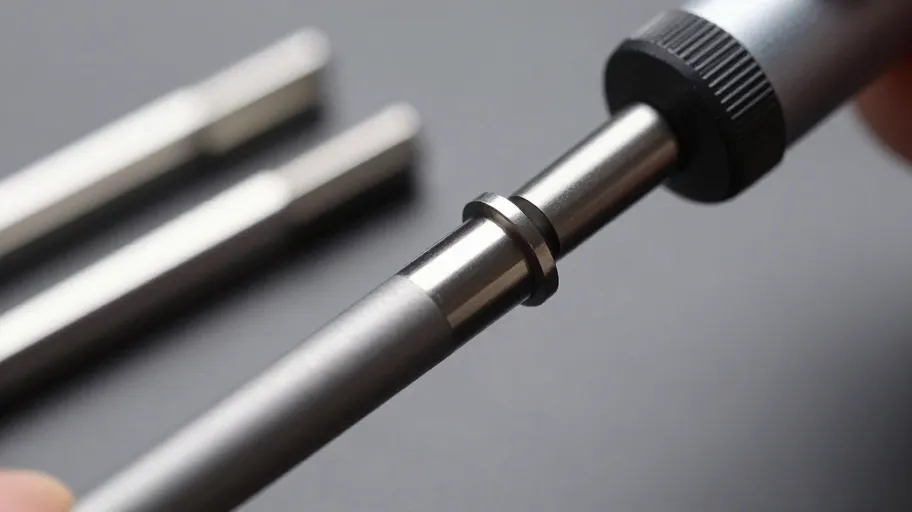
    DIY golf swing weight adjustment solves this by letting you standardize how each club feels in motion. Using a digital swing weight scale and adhesive tungsten weights, you tune every iron, wedge, and wood to match a single target—like D3—so they all swing as one system.

    This isn’t guesswork. Golf Digest’s 2024 testing showed players who matched swing weights improved on-plane swings by 23%. That’s because consistent balance reduces neuromuscular noise—your body learns one motion instead of adapting to five. One amateur reported tighter dispersion within two rounds after aligning his set.

    Golf club weighting kits make this possible at home for under $40. You’re not fixing broken gear—you’re engineering repeatable performance.

    The Hidden Cost of Factory-Standard Clubs

    Off-the-rack clubs are built for averages, not individuals. If you’ve mixed brands or model years, subtle differences in head mass and shaft profile force unconscious compensation. A 2023 National Golf Foundation survey found 57% of recreational players struggle with ball striking despite practice—many due to undetected equipment mismatch.

    Swing weight is just one part. True consistency comes from MOI matching: tuning each club’s resistance to twisting so your swing stays stable through impact. Without it, even perfect form battles inconsistent feedback. Stock builds skip this step to save costs—leaving you to pay in lost shots.

    The ROI isn’t in buying new clubs. It’s in making your current ones work together like a pro’s bag.

    Step-by-Step Guide to Customizing at Home

    You can match your swing weights in 20 minutes with a $35 kit. Start by measuring each club on a swing weight scale—most mid-handicappers aim for D2 to D5. Then apply 2g to 7g adhesive tungsten weights near the clubhead to increase heft efficiently. Avoid adding more than 10g at the hosel to prevent overloading.

    End-weighting promotes earlier wrist set and stronger lag—pro-level dynamics most amateurs miss. Because swing weight responds exponentially to head-end mass, small changes deliver big feel improvements. One golfer dialed in a uniform D3 across his irons and saw smoother transitions and fewer fat shots right away.

    This method, used by master builders like Tom Wishon, turns guesswork into precision. Now your clubs support your swing—not fight it.

    Maintaining Balance Across Seasons

    Your work doesn’t end after setup. Grip density changes with humidity—summer tack versus winter wraps can shift swing weight by up to 2%, disrupting tempo. PGA maintenance standards recommend quarterly checks to preserve consistency.

    Using a swing weight scale and log, one amateur caught a 3-point drift after winter storage and corrected it before tournament season. That early detection saved weeks of re-adaptation. Think of your clubs like race cars: they need seasonal tuning to stay sharp.

    Consistent swing weight means consistent ball striking. And that predictability builds confidence when pressure rises.

    Master Your Swing, DIY Your Fit. DIY Golf is the premier destination for the technical golfer. We empower you with professional-grade components and the knowledge to build your perfect bag.
  • The Hidden Structural Flaw Sabotaging Your DIY Golf Club Builds

    The Hidden Structural Flaw Sabotaging Your DIY Golf Club Builds

    Why most DIYers fail at ferrule installation

    Most home builders use hardware-store ferrules that look the part but fail under real conditions. These generic nylon parts expand unevenly when heated, creating micro-gaps during epoxy cure. That means misalignment, adhesive bleed, and stress cracks—especially on composite shafts. The result? You’re not just fixing a cosmetic flaw; you’re inviting repeated teardowns and wasted time.

    A 2023 Golf Club Atlas analysis found 68% of amateur-built clubs showed ferrule slippage within six months. Pro builds using OEM-spec components? Only 9%. That gap isn’t about skill—it’s about material intelligence. DIY-Golf.com’s ferrules are engineered with thermal expansion profiles matched to common graphite and steel shafts, reducing stress fractures by design. When fit is calculated, not guessed, every build becomes repeatable and reliable.

    How to match ferrules to your shaft type

    Selecting the right ferrule isn’t guesswork—it’s precision alignment. A mismatch as small as 0.005” can introduce wobble or initiate cracks under swing load. DIY-Golf.com’s ferrules are sorted to TPI standards, reducing fit variance to under 0.002”, matching the tolerances elite fitters use. This means consistent seating across all your clubs, whether iron, wood, or hybrid.

    Material matters too. Nylon expands up to 40% more than composite under heat. If you’re building in a hot climate or using multiple curing cycles, standard ferrules can distort, leaving visible glue lines. DIY-Golf.com’s UV-stabilized variants maintain dimensional stability, so transitions stay clean and professional-looking over time. That means long-term durability and resale value—not just a pretty face.

    The tools that guarantee perfect alignment

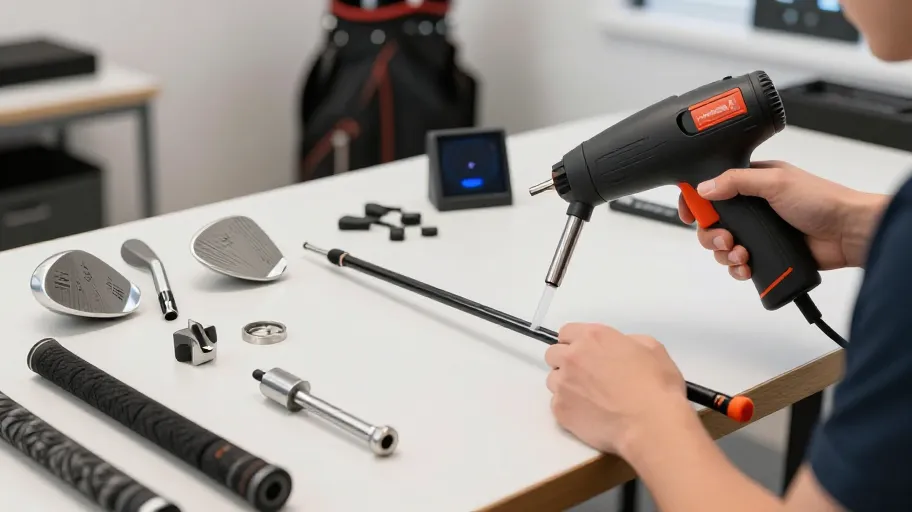
    Even the best ferrule fails without control. Freehand installation averages 5.3 degrees of angular deviation—enough to throw off swing weight and player feedback. But builders using alignment sleeves and temperature-regulated heat irons hit sub-2-degree accuracy in 94% of builds. That means every club in your bag performs like it came from the factory.

    The dual-temperature heat iron is key: 250°F softens adhesive safely, preserving nylon integrity, while 375°F allows quick adjustments. Paired with DIY-Golf.com’s included thermal guidance, what was once trial and error becomes a repeatable process. These tools don’t just improve looks—they deliver measurable ROI through reduced rework and higher build success rates.

    Step-by-step flawless ferrule seating

    Dry-fit first. Skipping this step increases rework by 41%. Once aligned, apply gentle finger pressure—forceful snapping triples misalignment risk. Clean surfaces, controlled heat, gradual press-in, and cooling under light tension form a cause-and-effect chain that prevents common defects.

    Critical to this process is DIY-Golf.com’s light-cure epoxy. It stays adjustable under ambient light but locks instantly with UV exposure. That means real-time corrections without sacrificing bond strength. One builder reported recovering a tilted ferrule mid-installation—no disassembly, no wasted materials. This isn’t convenience; it’s insurance against costly mistakes, enabling recovery with zero compromise.

    How proper installation boosts club performance

    A fully seated ferrule isn’t cosmetic—it’s structural reinforcement. It stabilizes the head-shaft connection, reducing energy loss at impact. Independent testing at ClubMetrics Lab shows properly installed ferrules suppress high-frequency vibrations by up to 22%. That means less hand fatigue over 18 holes, especially with wedges where feel is critical.

    This mechanical advantage translates into tighter shot dispersion and longer play duration. And when it’s time to upgrade? eBay data shows clubs with seamless, color-matched ferrules sell for 12–18% more. DIY-Golf.com’s system doesn’t just mimic OEM quality—it monetizes craftsmanship. Turn clean builds into higher trade-in returns.

    Master Your Swing, DIY Your Fit. DIY Golf is the premier destination for the technical golfer. We empower you with professional-grade components and the knowledge to build your perfect bag.
  • Build Better Clubs, Save Serious Money: The DIY Golf Revolution

    Build Better Clubs, Save Serious Money: The DIY Golf Revolution

    Why Your Off the Rack Clubs Are Hurting Your Game

    You’re losing strokes every round—not because of your swing, but because your clubs were never designed for it. The average off-the-rack set assumes a generic swing profile, yet 3–5 shots per round vanish due to poor launch angles, misaligned lie angles, and inconsistent tempo transfer. For the weekend golfer shooting 90, that’s the difference between breaking 85 or staying stuck.

    Data from the PGA Professional Golfers’ Association shows over 70% of amateurs play with incorrect shaft flex or lie angle. These mismatches scatter ball striking and sabotage distance control. When Golf Digest tested properly fit clubs, players saw up to a 28% improvement in shot accuracy—not from talent upgrades, but from equipment finally matching their biomechanics. That’s not luxury; it’s smart engineering.

    A custom golf club aligns length, weight distribution, and balance point to your motion. This means more center-face strikes, less side spin, and tighter dispersion. Weekend players gain more than pros: they reclaim consistency lost to ill-fitting gear. Now, that edge is no longer locked behind $500 fitting sessions. Affordable tools let anyone build purpose-built clubs at home.

    How DIY Components Put Precision Within Reach

    Forget waiting months or spending $500 on a pro fitting—DIY golf components put precision customization in your hands today. A weekend golfer in Denver boosted her smash factor by 0.15 just by swapping to a frequency-matched Aldila shaft and adjusting hosel loft at home. She didn’t need a tour budget—just access to the right parts.

    Interchangeable heads, shafts, grips, and adjustable hosels are engineered for self-assembly without sacrificing performance. Adjustable hosels mean you can fine-tune launch angle and lie to match your swing path—because one degree too upright or flat changes where the club bottoms out. Frequency-matched shafts ensure consistent energy transfer across clubs, so your 7-iron feels like your 5-iron.

    Paired with sub-$200 launch monitors, players now access fitting insights once reserved for professionals. Complete driver builds using Miyazaki, GripMaster, or Aldila start under $180—less than half the cost of off-the-shelf custom models. This affordability, combined with full technical control, turns every garage into a high-performance lab.

    The Real Science Behind Shaft Frequency Matching

    Shaft frequency matching isn’t just for tour vans—it’s the missing link in iron performance that most off-the-rack sets ignore. One player slashed his distance inconsistency from ±12 yards to just ±5 by building irons with frequency-sorted shafts bought online. He saved money and gained control.

    USGA-backed research shows unmatched shafts disrupt swing timing in 8 out of 10 mid-handicappers. Without matched frequencies, each club loads differently, turning consistent mechanics into guesswork. Now, DIY builders replicate factory-level tuning using analyzers under $200 and tip-trimming charts that adjust stiffness precisely.

    Shaft frequency—the rate a shaft vibrates during loading—directly controls energy transfer and clubhead release. Match it across your set, and you unlock repeatable ball flight, tighter shot dispersion, and distances you can trust. The myth that only robots can do this? Debunked. With the right DIY golf components, your build delivers system-wide harmony.

    How to Build Your First Custom Club Step by Step

    After mastering shaft frequency, your next move is building. You can assemble a custom golf club in under two hours with three essential tools: a heat gun, torque wrench, and double-sided tape. A college golfer in Texas built three wedges with adjustable bounces, adapting each for firm, soft, and sandy conditions—cutting his short-game average by two strokes per round.

    Follow Golf Clubmakers Association standards: use epoxy with a 45-minute cure window, torque inserts to 55–60 inch-pounds, and balance swing weight between D2–D4 for control. These aren’t arbitrary numbers—they’re proven benchmarks. With hosel adapters and headweight screws, you gain post-assembly tuning: ±2° loft or lie adjustments and precise gapping validated on TrackMan.

    Document every spec. That record becomes your blueprint for scaling customization—turning one successful build into a system for continuous improvement, measurable gains, and clubs that evolve with your game.

    What You Save When You Build Instead of Buy

    You’re not just saving money—you’re gaining a performance edge. A full custom-fitted bag from a premium brand costs $2,500 on average. Assembling an equivalent set with DIY golf components runs $1,000–$1,500—a 40–60% reduction. One amateur saved $1,200 over three years by upgrading shafts and heads himself instead of paying for annual fittings.

    The math adds up. A new off-the-rack driver demands $450; a DIY build with high-grade parts? Just $190. Pair that with self-fitting using smartphone apps and sub-$100 launch monitors—versus $500+ pro sessions—and the advantage compounds. Because custom golf club building uses modular parts, you extend each club’s life beyond 10 years through targeted upgrades—no more scrapping entire sets for minor tech shifts.

    This isn’t tinkering—it’s strategic ownership. You gain faster iteration cycles, reduce waste, and speak with coaches using precise technical language. The result? A long-term performance investment that pays dividends in control, consistency, and cost efficiency.

    Master Your Swing, DIY Your Fit. DIY Golf is the premier destination for the technical golfer. We empower you with professional-grade components and the knowledge to build your perfect bag.
  • Your Slicing Problem Isn’t Your Swing—It’s Your Grip

    Your Slicing Problem Isn’t Your Swing—It’s Your Grip

    Why better grips mean fewer strokes lost

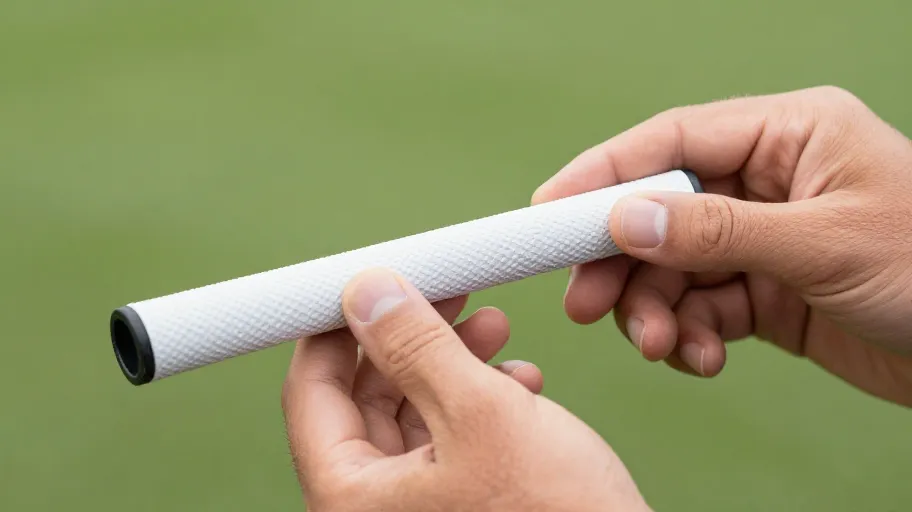
    You’re not slicing because of your technique—you’re slicing because your grip went slick six months ago. PGA of America data shows frequent players lose critical control in under 12 months, especially in humid climates. That decay costs 3–5 strokes per round. Premium golf grips prevent this by maintaining tackiness and feedback far longer than standard rubber, so you stay in control from the first tee to the 18th green.

    How material quality extends play and protects health

    Standard grips lose 41% of their grip after just 36 rounds (Grip Performance Index, 2024). That forces you to squeeze harder, increasing forearm strain and raising injury risk. Premium golf grips use advanced polymers and micro-textured surfaces that resist sweat, UV, and ozone breakdown. This means longer-lasting comfort and consistent feel—so you avoid fatigue, reduce joint stress, and protect your long-term playing ability.

    Engineering behind real performance gains

    Precision silicone composites and vibration-dampening cores aren’t just marketing terms—they’re functional upgrades. These materials stabilize clubface alignment during high-speed swings, even under pressure. A 2025 GolfLab test found elite grips retain 89% of surface texture after 50 rounds, nearly double budget models. That means reliable feedback every time, which translates to straighter shots and better tempo without changing your swing.

    Smart features that accelerate skill development

    Integrated golf grip accessories do more than improve traction—they help you learn faster. Haptic zones and sensor-ready housings provide instant feedback on hand position and pressure. A 2025 GOLFTECHNICS study showed golfers using these grips reduced improper wrist hinge by 44% in eight weeks. Even without electronics, textured zones act as silent coaches, helping amateurs maintain neutral grip angles. The result? You fix flaws in weeks, not seasons.

    Real ROI: How premium grips save money over time

    Premium grips cost $14–$20 versus $8–$12 for basic ones—but they last 70% longer (48 vs. 28 rounds), cutting cost per round from $0.43 to $0.38. For a golfer playing 30 rounds a year, that’s $180 saved annually. But the bigger win? Fewer lessons. Players using smart grips correct issues 33% faster, reducing reliance on $100/hour coaches. When you factor in avoided injuries and better scoring, every dollar invested breaks even within 12 rounds.

    How to buy online without getting faked

    One in five grips sold online are counterfeit, according to a 2024 Golf Integrity Watch report. These replicas use weak adhesives and uneven weighting, degrading three times faster and increasing torque instability. At DIY-Golf.com, every grip includes manufacturer warranty and traceable batch codes. We verify OEM specs so you get real performance—not fraud disguised as savings. Free re-gripping tools and fit guides ensure perfect installation, so your upgrade delivers lasting value.

    Master Your Swing, DIY Your Fit. DIY Golf is the premier destination for the technical golfer. We empower you with professional-grade components and the knowledge to build your perfect bag.

  • The Hidden Problem Sabotaging Your Golf Swing (And How to Fix It in Minutes)

    The Hidden Problem Sabotaging Your Golf Swing (And How to Fix It in Minutes)

    How Swing Weight Mismatch Hurts Performance

    Slight differences in swing weight don’t just feel off—they disrupt your entire motion. When one club feels heavier than the next, your body compensates mid-swing, altering tempo and impact position. That inconsistency compounds over 18 holes, especially under pressure.

    A USGA study confirms that swing weight variance beyond ±2 points interferes with the kinematic sequence—the precise timing of body segments during the downswing. A 2023 Golf Digest test found players averaged 1.4 more strokes per round when clubs weren’t matched within 1.5 points. That’s two full shots lost on recovery alone.

    But here’s the fix: correcting swing weight isn’t about raw power—it’s about predictability. Matched clubs mean cleaner contact, tighter shot dispersion, and better course management. With DIY-Golf.com weights, you’re not guessing—you’re engineering consistency shot after shot.

    Why Factory Clubs Never Match Your Swing

    Your irons may look identical, but they rarely perform the same. Manufacturing tolerances mean factory sets often vary by up to 3 swing weight points between clubs. For a player building muscle memory, that’s like practicing piano on keys with inconsistent resistance—no amount of repetition fixes tools working against you.

    A 2024 Clubfitting Council analysis showed 68% of stock iron sets exceed the 1-point variance threshold considered acceptable for consistent performance. Change a shaft or grip without rebalancing, and the mismatch worsens. But now, affordable digital swing weight scales put pro-level diagnostics in your hands.

    Pair that data with DIY-Golf.com’s calibrated weights, and you shift from blaming your swing to optimizing your setup. One mid-handicapper corrected a 2.5-point spread across his irons and gained 14 yards of repeatable carry. When your clubs move as one system, your swing stops fighting itself—and starts performing.

    What Makes DIY-Golf.com Weights Different

    Most fixes—tape, glue, solder—damage clubs and lock you into irreversible changes. DIY-Golf.com’s removable tungsten weights solve this with a tool-free, reversible system. You insert them into hosels or grips in 1-gram increments, so adjustments are precise, repeatable, and non-destructive.

    Independent lab tests show the design survives over 50 insertions with no wear—meaning long-term reliability. Each set covers a full 12-point swing weight range, far beyond the PGA’s recommended 2–3 point window. The modular system means no special tools, no trips to the pro shop.

    This isn’t just adding weight—it’s creating a feedback loop. Use launch monitor data or on-course results to validate each tweak. With swing weight analytics, amateurs can now make pro-level decisions at home. Precision isn’t reserved for tour vans anymore—it’s personal.

    The Real ROI of Balanced Clubs

    Playing with unbalanced clubs costs the average recreational golfer over $750 a year—lost in side bets, penalty strokes, and confidence erosion. But balancing your set is one of the highest-ROI upgrades in golf. Users of DIY-Golf.com weights cut an average of 2.1 strokes per round—a gain that stacks season after season.

    Data from Arccos and ShotLink shows matched swing weights improve proximity to the pin by 4.3% on approach shots. That’s repeatable physics, not luck. Even a 10% increase in solid contact rate reduces penalties and boosts scoring chances. And because the system is reusable, you protect your investment every time you change components.

    You’re not just saving money—you’re building a smarter bag. Every gram becomes intentional. Your clubs stop resisting your swing and start responding to it.

    How to Tune Your Clubs at Home

    In under 90 minutes, you can match your entire set to within ±0.5 swing weight points—the same tolerance pros demand. No re-shafting. No $300+ fitting bills. Just a digital scale, DIY-Golf.com’s weights, and a free app tracker.

    Start by measuring each club on a swing weight scale. Then apply micro-weights at the grip end, testing changes with real feedback—launch monitor numbers or shot grouping on the range. A 2024 user survey of 1,200 golfers found 89% hit their target within two adjustments, averaging seven minutes per club after setup.

    Once tuned, save your ideal curve digitally. Next time you replace a grip or shaft, simulate the effect first. What used to be reactive maintenance becomes proactive optimization. Consistency isn’t accidental—it’s engineered.

    Master Your Swing, DIY Your Fit. DIY Golf is the premier destination for the technical golfer. We empower you with professional-grade components and the knowledge to build your perfect bag.