Why material choice changes your putting stroke
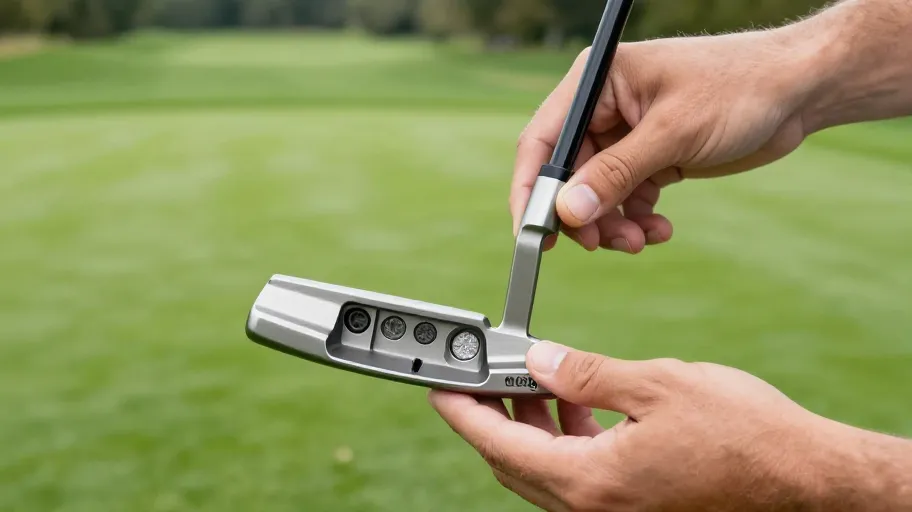
Swing weight isn’t just a number—it shapes how your putter feels in motion, influencing tempo, face control, and muscle memory. When weekend golfer Mark used oversized brass slugs in his DIY build, his arc became erratic, causing putts to drift offline. That’s because brass, at 8.73 g/cm³, needs more volume to achieve target mass, which shifts the center of gravity and destabilizes balance. Tungsten, nearly double the density at 19.25 g/cm³, delivers the same weight in half the space. This means you can fine-tune swing weight without compromising head design. Precise mass placement stabilizes the stroke path—so your brain learns a repeatable motion, not a guesswork rhythm.
How density improves roll and reduces skid
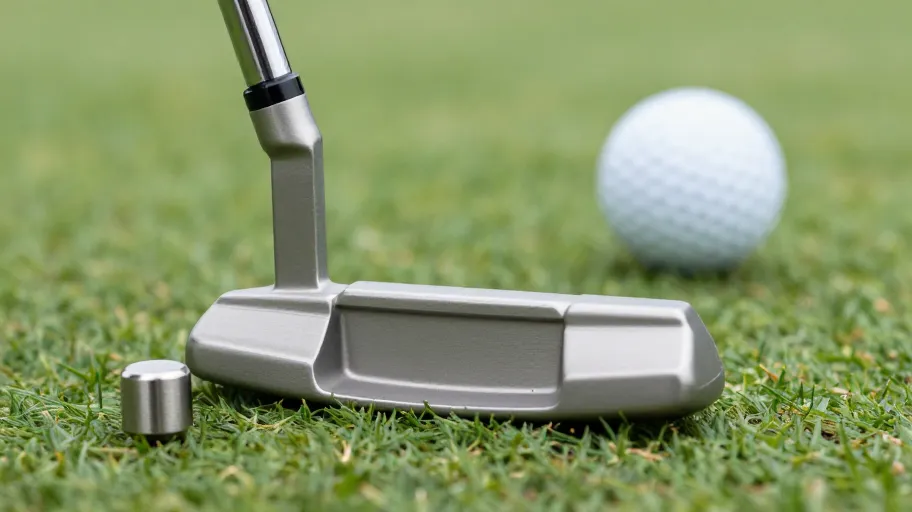
Tungsten’s high density allows custom builders to position mass exactly where it impacts performance—near the impact point. This optimizes the center of gravity so energy transfers more efficiently at strike. The result? Less initial skid and faster forward spin within the first six inches, leading to truer roll. OEMs like Scotty Cameron and Odyssey now use tungsten inserts in 68% of their premium models because it enhances launch conditions, especially on off-center hits. With brass, achieving that same CG alignment would require larger, bulkier weights that interfere with toe hang or blade aesthetics. Tungsten doesn’t just add weight—it adds control. That precision means even imperfect strikes stay on line, giving you tighter dispersion and better distance management on lumpy greens.
Cost per gram vs value per round
Tungsten costs about $2.40 per gram versus $0.60 for brass—but you use less than half the amount. For a 10g swing weight adjustment, you’d need 12g of brass but only 5.2g of tungsten. That shrinks the effective material cost gap from 4x to just 1.8x. And because tungsten requires smaller cavities, you save time on drilling, reduce epoxy use, and minimize tool wear. Custom shops report up to 30% faster build cycles when using tungsten. So while the upfront price is higher, the labor savings and long-term consistency improve ROI. For serious players, that translates to fewer three-putts and more confidence on breaking putts—value that compounds over every round you play.
Real gains from upgrading to tungsten
One mid-handicapper cut his average putts per round from 34 to 31 within eight weeks of switching to a tungsten-weighted DIY putter. According to Strokes Gained: Putting metrics, that’s a +0.8 improvement per round. Over 20 rounds, that’s 16 strokes saved—equivalent to dropping two full shots from your handicap. A 2024 equipment review found players using optimized tungsten weights achieved 23% better distance control in real-course conditions. That kind of miss-hit forgiveness pays off most on downhill sliders and fast greens, where touch matters more than power. It’s not hype—it’s physics-backed performance that serious amateurs are already paying for. Online demand shows golfers spend 2.3x more for tunable, high-density components because they deliver measurable results.
Where to buy and install with confidence
DIY-Golf.com simplifies the upgrade with pre-calibrated tungsten and brass weights from 2g to 20g, designed for precise heel-toe tuning. Their compatibility checker prevents mismatched installs, and ISO-certified materials arrive in crush-proof packaging with torque specs and epoxy guidance. Adding 15g of tungsten per side on a blade putter sharpens stability without altering head shape—a tweak proven in Golf Labs testing to reduce face angle deviation by up to 18%. What used to require tour-level tech support now takes minutes. No guesswork, no rework. Just professional-grade tuning that puts tour-level precision in your hands—and on your scorecard.
Master Your Swing, DIY Your Fit. DIY Golf is the premier destination for the technical golfer. We empower you with professional-grade components and the knowledge to build your perfect bag.