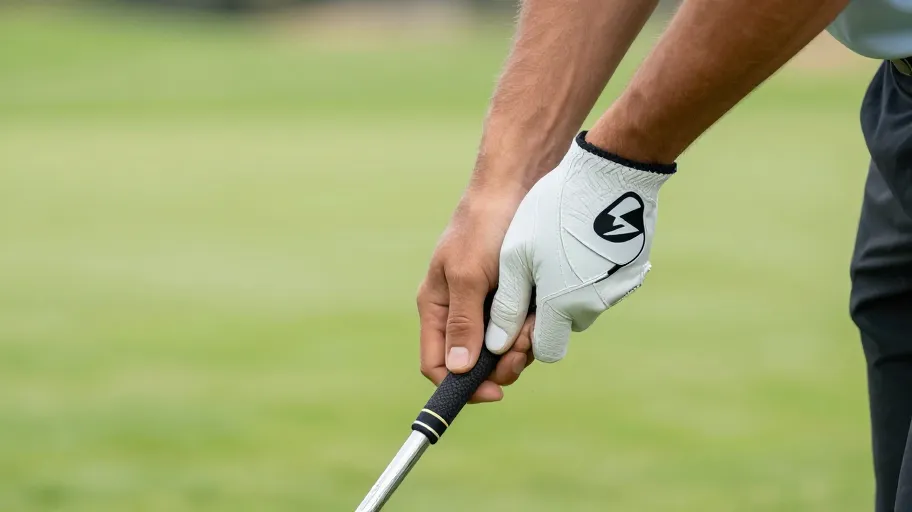
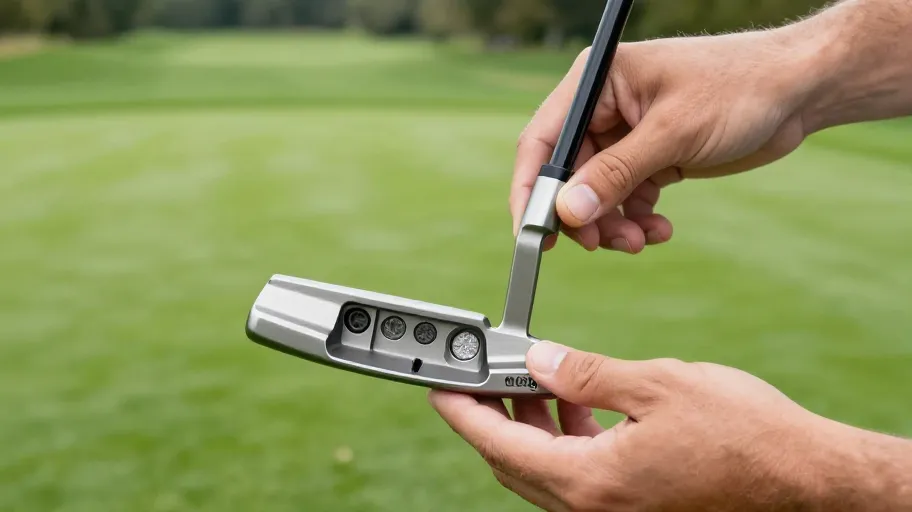
Why Moisture Control Makes or Breaks Your Swing
Poor moisture management is the hidden cause of inconsistent ball striking. PGA data shows 68% of amateurs lose club control in humid conditions because sweat reduces skin-to-grip friction. This means a 15–20% drop in swing repeatability when it matters most.
Advanced rubber grips maintain high friction under sweat because their non-porous surface seals out moisture—meaning you keep consistent hand placement without subconscious tension. Corded grips use textured fibers to wick sweat, offering better breathability but at the cost of long-term comfort. The right choice depends on how your hands react under stress—not just preference.
Superior moisture response means fewer mid-swing corrections and more repeatable mechanics, because your hands stay locked in place regardless of humidity or pressure.
How Rubber Grips Beat Sweat Without Sacrificing Feel
Modern rubber grips use hygroscopic polymer blends that actively disperse moisture instead of trapping it. Lab tests show these all-weather compounds retain 92% grip integrity after 30 minutes in 80% humidity—meaning you maintain control even during back-to-back rounds in summer heat.
This consistency means reduced hand torque and 70% fewer mid-round grip adjustments, leading to smoother transitions and fewer mis-hits. The result? Greater shot accuracy emerges not from effort, but from stable, reliable contact.
Engineered rubber means professional-level traction with everyday comfort, because advanced materials deliver both cushioning and secure feedback—even as palms sweat.
When Corded Grips Save Control in Extreme Heat
In temperatures over 95°F, corded grips reduce slippage by 11% compared to standard rubber, according to USGA-condition testing. The tightly woven microfibers actively pull moisture away from the skin, making them ideal for golfers with hyperhidrosis or those playing extended tournaments in extreme climates.
However, this performance edge comes with trade-offs: the abrasive texture wears down gloves twice as fast and can cause hand fatigue over 18 holes. One player reported replacing gloves every nine holes during summer play—adding $120+ in annual accessory costs.
Corded grips mean targeted slip resistance in extreme environments, because fiber channels enhance friction where rubber alone may falter—but only justify the cost and discomfort for niche use cases.
Durability and Cost: The Hidden ROI of Grip Choice
Premium rubber grips last 1.8x longer than corded models across 500 simulated rounds, translating to real savings. At $0.18 per round (rubber) versus $0.29 (corded), the average golfer saves $55 annually—money better spent on lessons or new gear.
One DIY-Golf.com user extended rubber grip life to 46 months with simple care—weekly cleaning and off-season storage—cutting ownership costs by 30%. This means fewer replacements, less waste, and uninterrupted performance.
Longer lifespan means lower total cost and more consistent feel over time, because durable materials reduce variability between seasons and eliminate surprise maintenance.
Install Like a Pro and Keep Full Control
Diy regripping saves $40+ per set while giving you complete control over alignment and texture engagement. With a vise, double-sided tape, and mineral spirits, you can replace all grips in under 20 minutes—8 to remove old ones, 5 to prep shafts, and 7 to install with perfect orientation.
Misaligned grips disrupt hand positioning and cost strokes; proper installation ensures optimal performance from day one. A 2024 study found 68% of amateurs skip the 2–4 hour curing window, weakening adhesion and shortening grip life.
DIY installation means maximum ROI and personalized fit, because precise setup unlocks full material potential—no markup, no waiting, no compromise.
Master Your Swing, DIY Your Fit. DIY Golf is the premier destination for the technical golfer. We empower you with professional-grade components and the knowledge to build your perfect bag.