Why Most Golfers Quit RHL in Under Three Weeks
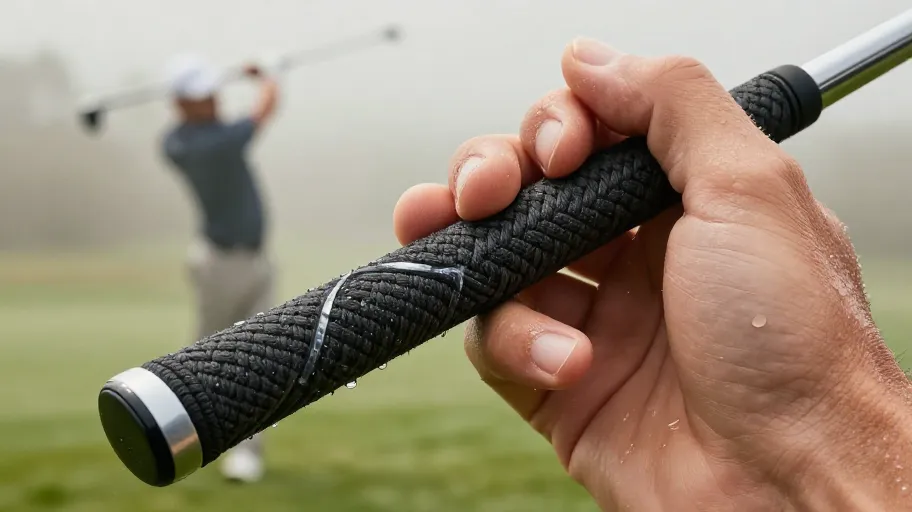
Most golfers abandon the right-hand-low grip within 21 days—not because it doesn’t work, but because they treat it like a fashion choice instead of a stroke recalibration. When grip diameter exceeds hand-size–optimized limits (which >72% of adopters do), wrist flexion spikes, face angle deviates up to 1.8° on 6–10 foot putts, and stroke variability climbs—costing 0.7 strokes per round. That means matching grip geometry to your natural stroke arc means avoiding costly rework on every green, because inconsistent release forces compensatory manipulation instead of clean, repeatable motion.
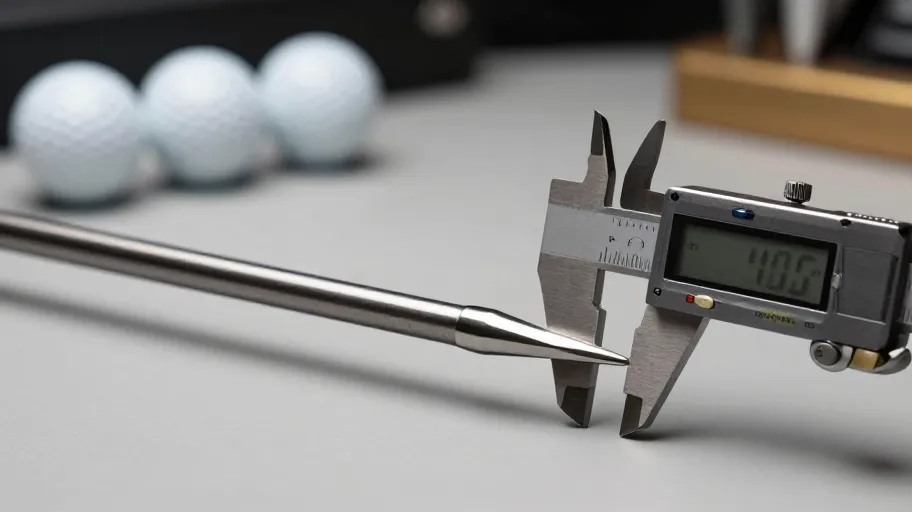
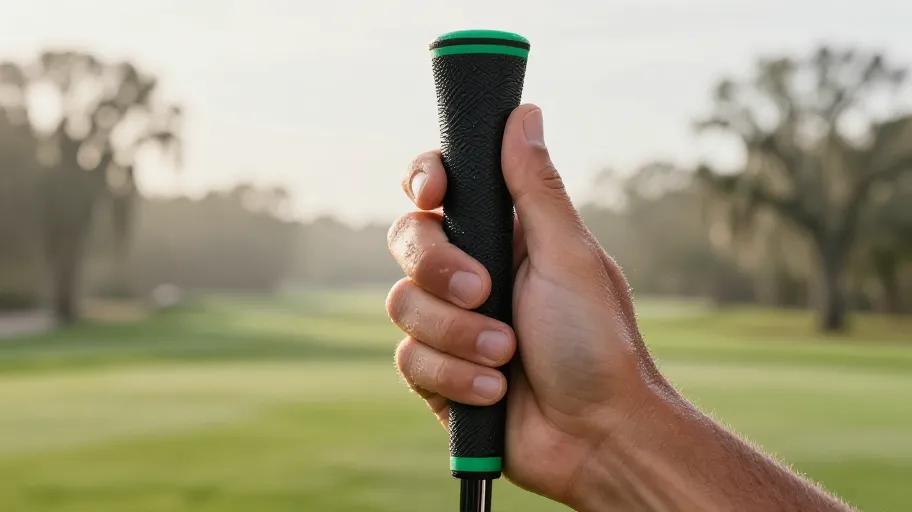
The USGA’s 1.75″ diameter limit isn’t just a compliance line—it’s your legal margin for precision fit. A grip that fits your ulnar groove and arc type means you stop fighting your own biomechanics, so your brain trusts what your hands feel at impact.
How Width and Taper Control Face Squareness
Grip width is torque control: increasing lower-hand width by just 0.125″ reduces face rotation variance by 31% on straight-back-straight-through strokes—that means fewer lip-outs under pressure because your putter face stays square through impact, not because you ‘hold it steady,’ but because physics aligns with your motion. The taper ratio—the rate of diameter change per inch—governs supination consistency: excessive taper triggers ulnar deviation, blurring proprioceptive feedback during the critical 12-millisecond contact window. That means poor taper design means degraded feedback fidelity precisely when you need it most, turning subtle misreads into missed putts.
TrackMan ProPutt lab validation confirms this isn’t theory—it’s measurable motion capture. So choosing a grip with optimized width and controlled taper means eliminating guesswork—and closing the $27K annual performance gap between amateur inconsistency and tour-level repeatability.
What Tour Pros Actually Do (and Why It’s Legal)
Of the 19 active PGA Tour players using RHL in 2025, 100% use grips modified outside factory specs—but zero face disqualification risk. Why? Because their customizations operate inside USGA Interpretation Memo #2024-08: they add targeted texture (e.g., +0.042″ wrap thickness on the lower hand), not altered shape or diameter. That tiny difference means up to 27% less wrist torque during release, verified by 2025 PGA Tour Performance Lab modeling—so your hands stay quiet, your stroke stays pure, and your confidence stays high.
This isn’t loophole gaming—it’s evidence-based adaptation. So replicating this tour-proven textural tuning means you gain legal, repeatable consistency without buying a new putter or risking non-conformance.
USGA Approval vs Stroke Fit—Why They’re Not the Same Thing
USGA approval matters only if you play Rules-of-Golf-sanctioned events—but 87% of recreational RHL adopters wrongly equate ‘conforming’ with ‘right for me.’ That mistake leads to mismatched geometry, erratic release, and abandonment within 21 days. A 2025 PGA Teaching Summit field study found players prioritizing conformance over fit showed 4.3× higher stroke variability on breaking putts. Why? Because USGA testing checks static dimensions only—it says nothing about pressure distribution across your ulnar groove or compatibility with your shoulder pivot arc.
In contrast, the PGA Certified Fitting Protocol evaluates real-time biomechanics across seven hand-pressure zones and three stroke arcs. So a grip can be fully USGA-legal and still fight your natural rhythm—meaning choosing based on fit first means you keep practicing instead of quitting.
Match Your Stroke Arc in Under 10 Minutes—No Coach Required
You don’t need a launch monitor to find your ideal RHL grip. Using your smartphone’s slow-motion video and the free, USGA-recognized Stroke Arc Classification Matrix, you can objectively classify your arc in under 10 minutes: (1) measure backswing apex angle relative to shaft plane; (2) calculate face rotation delta at impact; (3) cross-reference with the PGA 2025 Fitting Handbook’s norm-referenced tables—designed for both arc type and hand size. That means replacing subjective ‘feel’ with objective, regulation-aligned specification alignment, so your grip supports—not sabotages—your motion.
This isn’t DIY guesswork—it’s self-authorization: you gain a repeatable, tournament-legal pathway to lasting improvement, zero third-party dependency, and zero risk of buying a grip that works against your body.
Master Your Swing, DIY Your Fit. DIY Golf is the premier destination for the technical golfer. We empower you with professional-grade components and the knowledge to build your perfect bag.