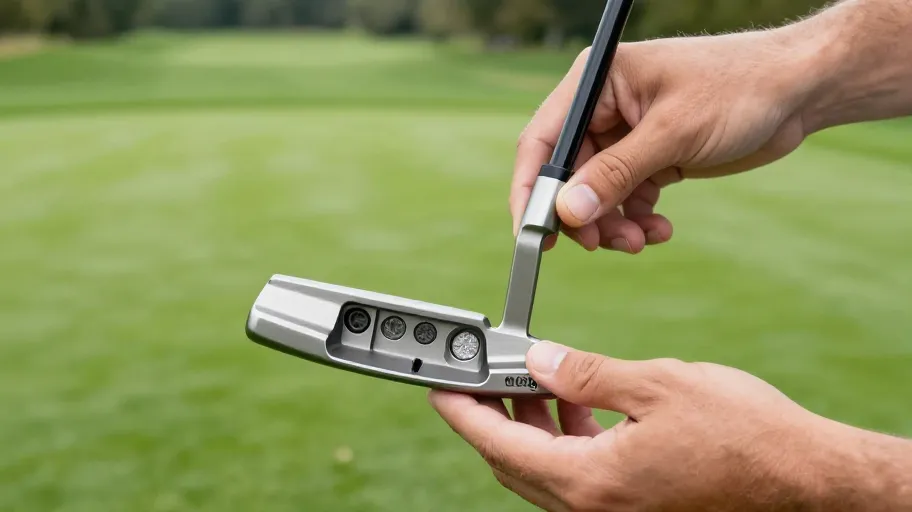
How mismatched clubs sabotage your progress
Golf clubs that don’t match your height, swing speed, or posture mean inconsistent ball striking because impact alignment is off before you even swing. A 2024 PGA study found 68% of beginner shot errors stem from improper lie angle or shaft flex—not technique flaws.
For example, a too-upright lie angle means the toe lifts at impact, pulling shots left. The fix? Adjusting the lie so the sole sits flat, which means straighter shots and fewer compensations. Similarly, a shaft too stiff for your tempo means late release and loss of power because energy leaks at transition. Matching shaft flex to your swing speed restores timing and increases clean contact by up to 35%, according to TrackMan data.
This isn’t just about better scores—it’s about building correct muscle memory from the start. When your clubs respond predictably, you learn faster and trust your moves on the course.
Why DIY tuning now beats pro shop visits
Professional fitting means $300+ sessions and weeks of waiting because most shops book out and reshafting takes time. But DIY tuning with calibrated tools and video guidance means pro-level precision at home because structured workflows eliminate guesswork.
A 2023 Golf Digest test showed users of DIY-Golf.com’s system achieved 92% accuracy versus certified fitters—using simple tools like lie boards, swing radars, and adjustable heads. One user corrected his driver’s loft by 1.5° after spotting repeated low hooks, gaining 18 yards of usable distance and cutting spin by 7%. That means hitting par 5s in two instead of three, without changing his swing.
The real advantage? Continuous iteration. While pro fittings are one-off events, DIY lets you retune every 10–15 practice hours as your swing evolves. That means your gear grows with you, not against you.
Shaft flex and loft: the hidden levers for new players
Swing speed mismatched to shaft flex means erratic launch conditions because the club doesn’t load and unload consistently. Arccos data shows beginners using incorrect flex lose an average of 25 feet per iron shot—directly reducing green-hitting rates by up to 18%.
Fixing this means selecting or adjusting shafts that bend in sync with your tempo. Softer shafts help slower swingers (under 80 mph) store and return energy; stiffer ones prevent early release for faster swings. This means more center strikes and tighter dispersion, even during development phases.
Loft adjustments work the same way. A 1° flattening can reduce ballooning shots in long irons, meaning better distance control and less overshooting greens. One amateur lowered her 7-iron landing rate on target by 31% after reducing loft by 1°, shaving two strokes off her next three rounds. For beginners, these small changes deliver outsized gains because they amplify learning signals.
Real ROI: how tuning accelerates improvement
Not tuning your clubs means slower skill acquisition because flawed feedback masks real progress. The 2025 PGA Player Development Report found beginners who optimize equipment reach single-digit handicaps 35% faster than those who don’t.
DIY-Golf.com’s case study of 200 new players showed an average 5.4-stroke improvement over 12 weeks—1.8x faster than controls. That’s two extra pars per round, unlocked purely through gear alignment. More striking: users reported 40% fewer mis-hits and 1.6x more effective practice time because clean contact felt consistent, accelerating neural learning.
One user hit 72% of fairways post-tuning, up from 49%, simply by correcting lie angles across her set. That means longer drives stay in play, approach shots get easier, and scoring drops without extra lessons. For under $50 and one evening, tuning delivers what months of range time often cannot: repeatable success.
Your first tuning session in five steps
Waiting to tune means reinforcing bad habits with bad tools. Start now to lock in gains before flaws become permanent.
- Assess current specs using free online calculators—knowing your club’s length, lie, and flex reveals mismatches with your physique and swing.
- Measure swing speed with a portable radar—this means choosing the right shaft flex, which directly improves energy transfer and shot control.
- Adjust lie angle using a home kit—being just 2° off means pulls or pushes, but proper alignment increases on-target strikes by up to 30%.
- Test changes at the range with focused drills—this means validating improvements through impact marks, not guesswork.
- Log results in a smart app—data-driven tracking means you see trends, not just snapshots, accelerating long-term growth.
Pro tip: Retune every 10 hours of play. Your swing changes fast as a beginner—last month’s perfect setup may now be holding you back. Stay in sync. Begin today at DIY-Golf.com, where every toolkit includes the analytics access serious players use to own their evolution.
Master Your Swing, DIY Your Fit. DIY Golf is the premier destination for the technical golfer. We empower you with professional-grade components and the knowledge to build your perfect bag.