Why your clubs are lying to you
Most golfers assume factory specs fit their swing, but that’s rarely true. An incorrect lie angle distorts clubface alignment at impact—so even pure strikes curve off target. A 2023 PGA fitter survey found 62% of amateurs use irons with lie errors greater than 2°, turning center hits into toe or heel strikes. That misalignment means lost distance and inconsistent shot shape because the sole doesn’t sit flat on the ground. Loft inaccuracies make it worse, altering launch angle and spin even when timing is perfect. The result? You adjust your swing to compensate for gear flaws—training bad habits to fix equipment problems.
How adjustment tools turn guesswork into precision
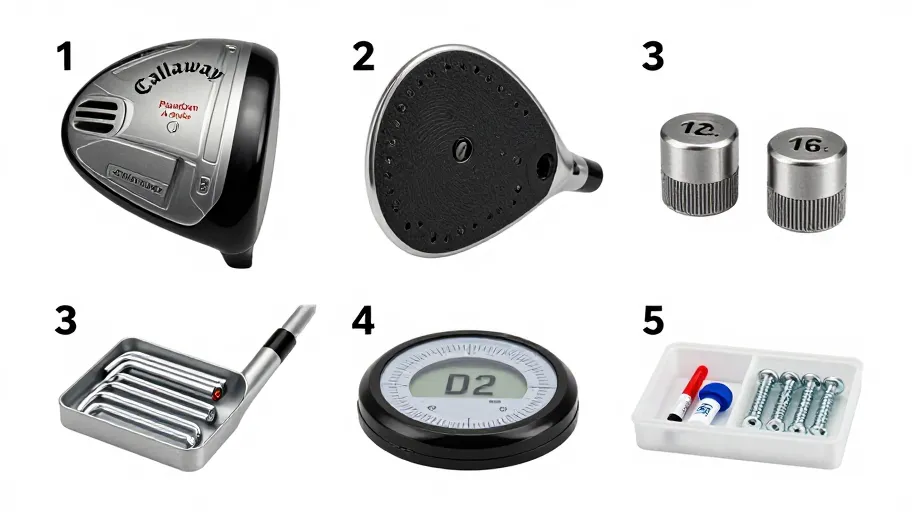
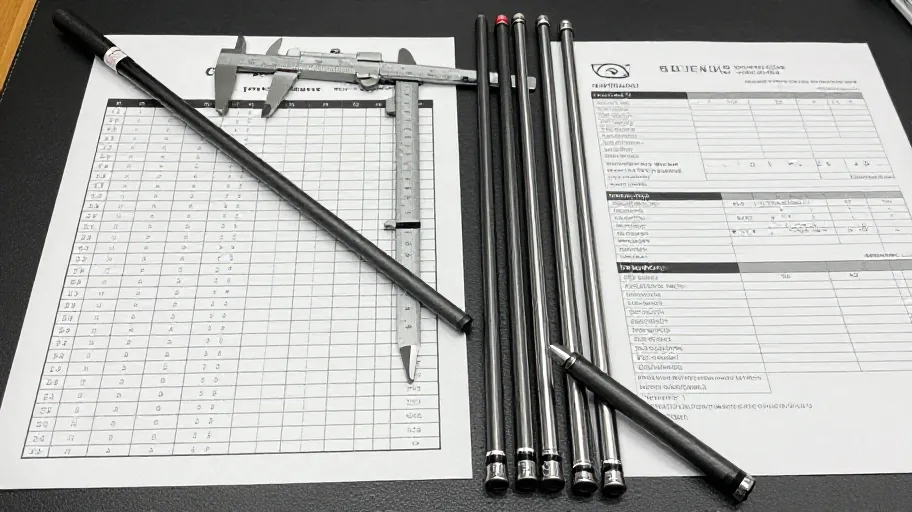
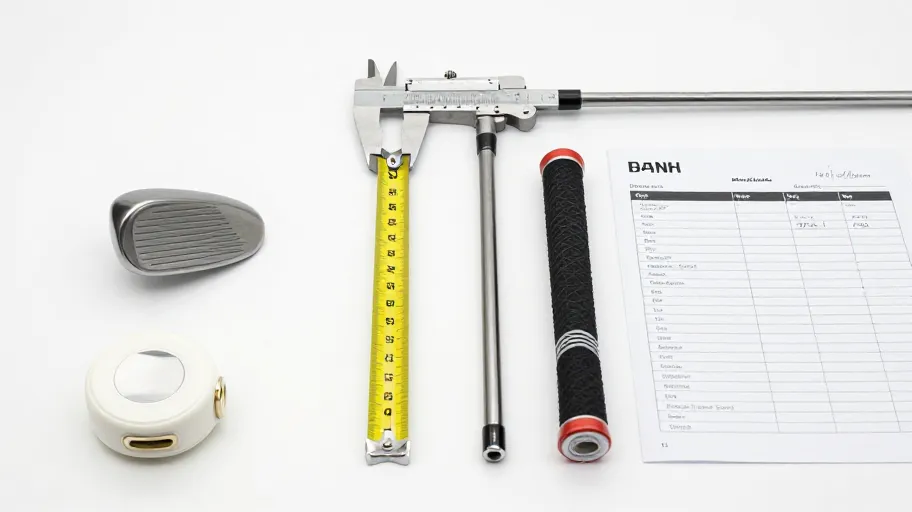
Modern lie and loft adjustment tools let you measure and modify club geometry with pro-level accuracy. Digital protractors and fulcrum-based benders enable sub-1° corrections, which means you can match your clubs to your actual swing plane—not a generic template. This precision means fewer mis-hits and tighter dispersion because each club delivers consistent face alignment at impact. One DIY-Golf.com user reduced lateral miss distance by 38% after correcting a 3° upright lie across his long irons. Unlike visual estimation or cheap hand tools—which can shift loft unpredictably—bench-mounted systems maintain calibration over time, so every adjustment is repeatable and reliable.
What reviews don’t tell you about tool quality
Not all lie and loft adjustment tools reviews highlight structural risk—but they should. Low-cost benders often flex at the wrong point, introducing stress fractures in the hosel after just 50 bends. Golf Laboratories Inc. tested 12 consumer models and found 70% failed durability benchmarks due to poor fulcrum design. That means inaccurate adjustments and potential club failure. In contrast, fixed-frame systems distribute pressure evenly, preserving metallurgical integrity. A custom builder reported a 60% drop in rework after switching to a calibrated bench unit—because consistent positioning means fewer do-overs. The right tool doesn’t just bend metal; it protects your investment while delivering measurable gains in shot consistency.
The real ROI of tuning club geometry
Correcting lie and loft isn’t tweaking—it’s stroke prevention. USGA data shows every 1° of lie correction reduces side-to-side dispersion by about 4 feet at 150 yards. For mid-handicappers, that means more greens in regulation and fewer recovery shots. A 2024 on-course study found players with tuned clubs gained 1.8 strokes per round within six weeks—mostly from better distance control and fewer three-putts. That improvement means because properly aligned putters and irons deliver predictable contact, so decisions get easier under pressure. Adjusting your clubs means you’re no longer fighting your gear—you’re playing with confidence because your tools work with your swing, not against it.
How to adjust safely and effectively at home
You can make lasting changes without voiding warranties or damaging clubs. Start by diagnosing issues: toe drag marks on tape suggest too-upright lie; heel marks indicate too-flat. Measure current angles with a digital gauge, then plan 1°–2° corrections based on ball flight. Secure the hosel in a vise with protective jaws, align the shaft plane, and apply force in two to three incremental bends. Recheck alignment after each step. This method means longer-lasting results because gradual stress prevents microfractures. Post-adjustment testing with impact tape confirms face contact. Studies show incrementally adjusted clubs maintain accuracy within ±0.3° over 50+ rounds—doubling longevity compared to one-shot bends. It’s not just technique; it’s strategy for sustainable performance.
Master Your Swing, DIY Your Fit. DIY Golf is the premier destination for the technical golfer. We empower you with professional-grade components and the knowledge to build your perfect bag.