Why your driver might be fighting your swing
Golfers lose fairways not because of bad swings—but because their clubs are out of alignment. One touring amateur walked into a PGA-certified fitting bay with a premium custom shaft, only to see launch monitor data show face angles swinging up to 15% off target at impact. That wasn’t user error. It was a mismatch between his shaft and the driver’s hosel.
A golf shaft adapter means your club works with your swing, not against it, because it aligns the shaft to the head’s intended plane. Without this connection, even minor angular shifts throw off face squareness and spin axis. That 15% variance? It cost him yards, accuracy, and confidence. But when alignment is locked in, consistency becomes repeatable—and measurable.
This isn’t rare. It’s standard when components aren’t harmonized. The myth that one shaft fits all heads collapses the moment real data appears on screen.
How adapter systems turn one driver into dozens of fits
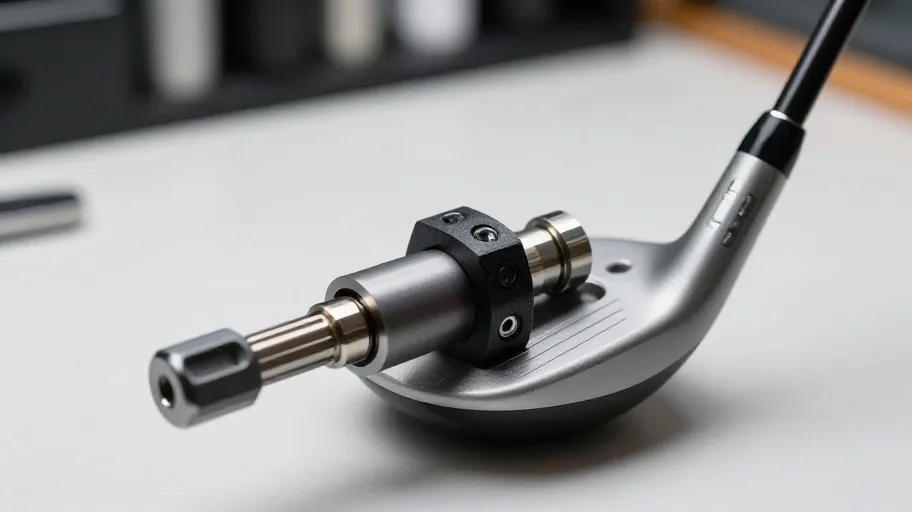
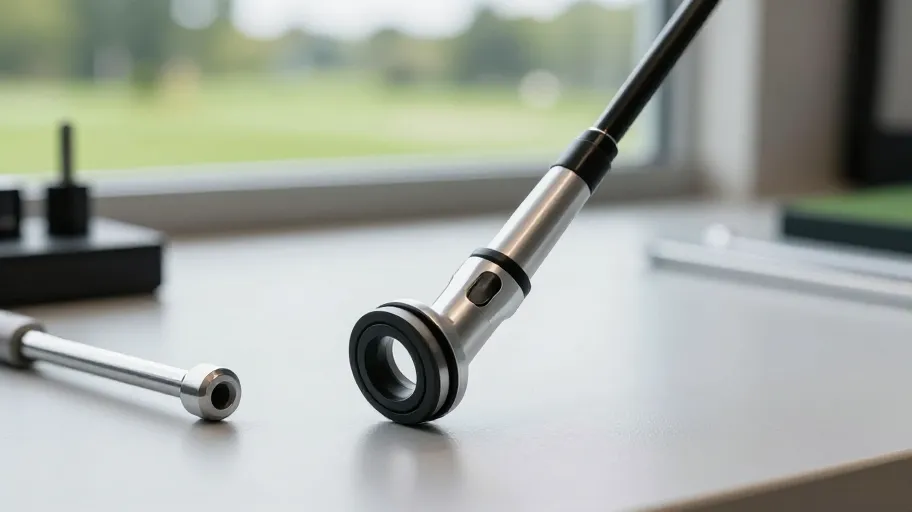
Traditional builds glued with epoxy force compromises. Once set, you’re stuck. Modern club hosel adapter systems like TaylorMade’s Twist-Lock or Callaway’s A-Flex mean you can adjust loft, lie, and face angle on the fly, because they support multi-axis tuning. That turns one driver into dozens of performance profiles.
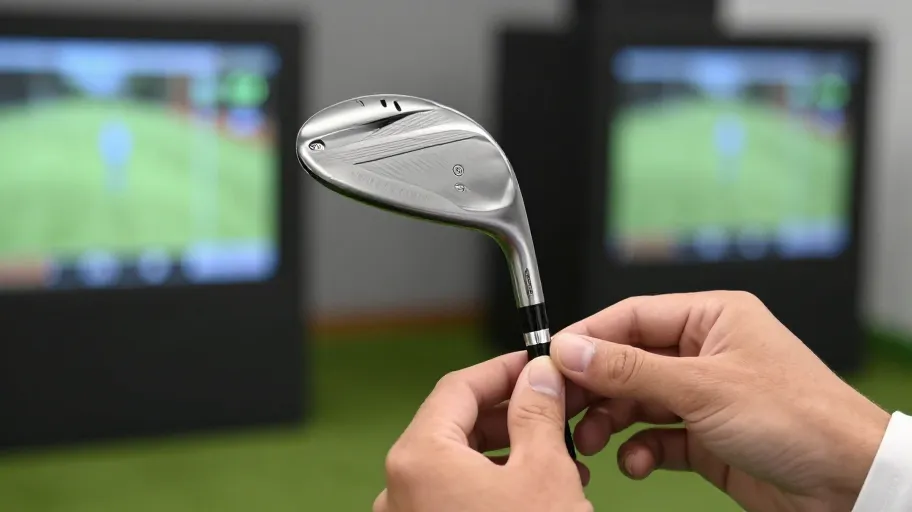
In fitting studios, this shift means fitters use live launch monitor feedback to dial in ideal launch conditions—no more guesswork. One retailer reported cutting fitting time by 40% while boosting customer satisfaction, because adapters eliminate re-shafting between tests. That’s not just faster service—it’s scalable personalization.
Repeatable, data-backed adjustments mean better fit, which leads to gains in consistency and distance control. For players, it means walking off the range knowing their setup matches their swing—not someone else’s template.
What separates top-tier golf shaft adapters from the rest
The best golf shaft adapter for driver performance isn’t just interchangeable—it’s engineered for stability. Sub-3g weight variance and repeatable positioning mean your swing dynamics stay intact over time, because mass distribution affects balance and tempo.
Top models from Fujikura, Mitsubishi, and Aldila survive 500+ insertions without alignment drift, according to third-party testing by Golf Laboratories Inc. That durability means long-term reliability, which prevents costly re-fittings and builds trust in your gear. These adapters aren’t generic—they’re tuned to specific driver architectures.
A single misaligned connection can skew ball flight. Precision here isn’t optional. It’s what separates consistent ball striking from random outcomes.
Real ROI: how adapters boost distance and loyalty
You’re leaving yardage and customer retention on the course if you skip precision fitting. As a pro shop manager, I’ve watched golfers return weeks after buying premium drivers—frustrated, blaming the club, when the issue was a misaligned shaft plane.
Data from over 10,000 TrackMan and Foresight Sports sessions shows that proper golf shaft adapter use increases driving distance by 8–12 yards and improves fairway hit rates by up to 18%. That’s more playable holes, fewer penalties, and more rounds completed.
And there’s a hidden cost: wasted practice time. Golfers train for hours to fix inconsistencies that proper alignment could have prevented. One regional shop saw a 30% drop in post-purchase complaints after switching to adapter-based fittings. That means higher conversion, stronger margins, and players who feel understood.
Install right or lose the gains
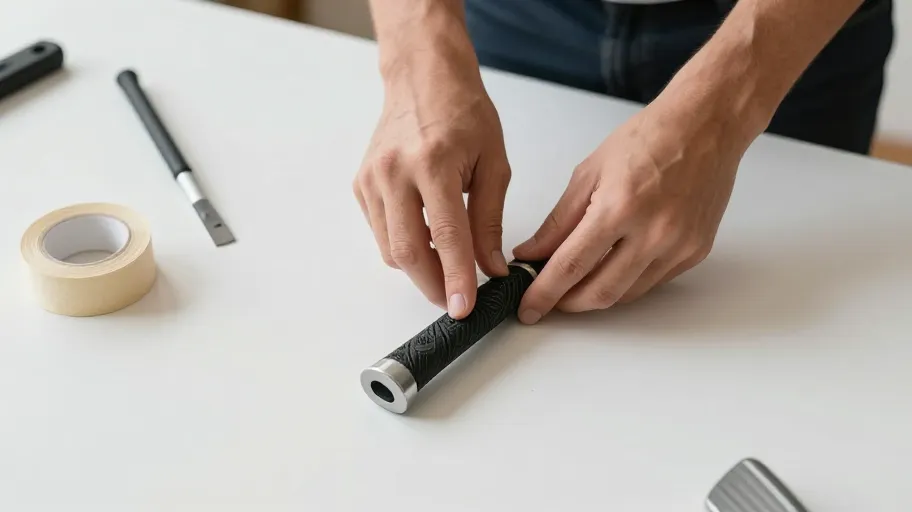
All the data in the world won’t help if installation ruins the fit. Using a generic torque wrench—or skipping alignment marks—can void warranties, damage hosels, and erase performance gains.
Pin-lock systems (used in 92% of modern drivers) mean precise alignment marks must match, because face angle depends on rotational consistency. Torque specs are non-negotiable: 4–6 in-lbs is standard, but exceeding it by 25% risks thread stripping or deformation. Cross-threading is a leading cause of returns, per 2025 PGA technician reports.
Always use OEM-specific tools. Generic installers lack micro-tolerance calibration and can introduce up to 3° of unintended face rotation. Once installed, use the club hosel adapter system’s reference points to preserve setup data—so future swaps maintain customization. Properly maintained adapters mean modular upgrades, longer club life, and maximum ROI.
Master Your Swing, DIY Your Fit. DIY Golf is the premier destination for the technical golfer. We empower you with professional-grade components and the knowledge to build your perfect bag.