Why most custom fits fail before impact
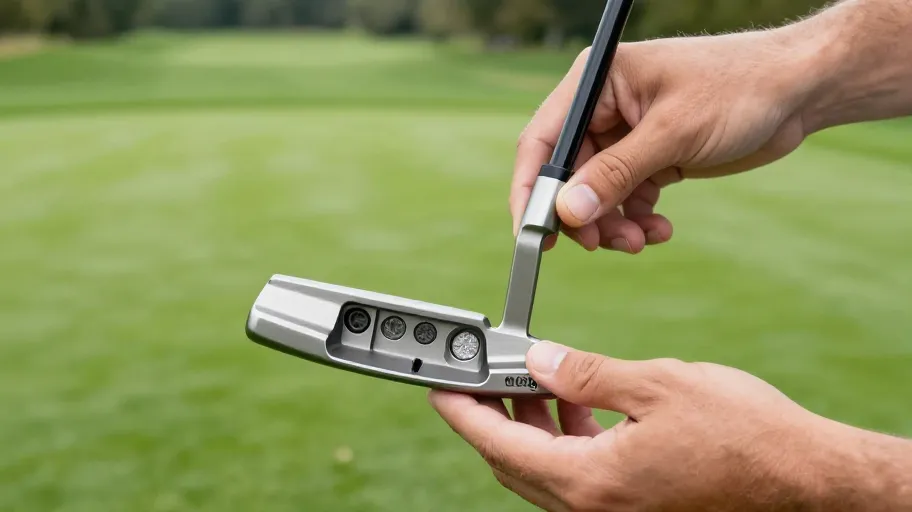
Over 40% of refits still rely on hand-filed hosels or epoxy adjustments because brand-specific tolerances don’t align—micron-level differences between Titleist, Callaway, and TaylorMade throw off face angle and depth. That means misaligned clubs leave the shop, hurting ball flight consistency. A golf club adapter solves this by standardizing the connection. It means you get plug-and-play compatibility across brands because the sleeve locks in exact rotation, depth, and face angle every time. No more guessing, grinding, or compromised builds.
How sleeves protect your club’s structural future
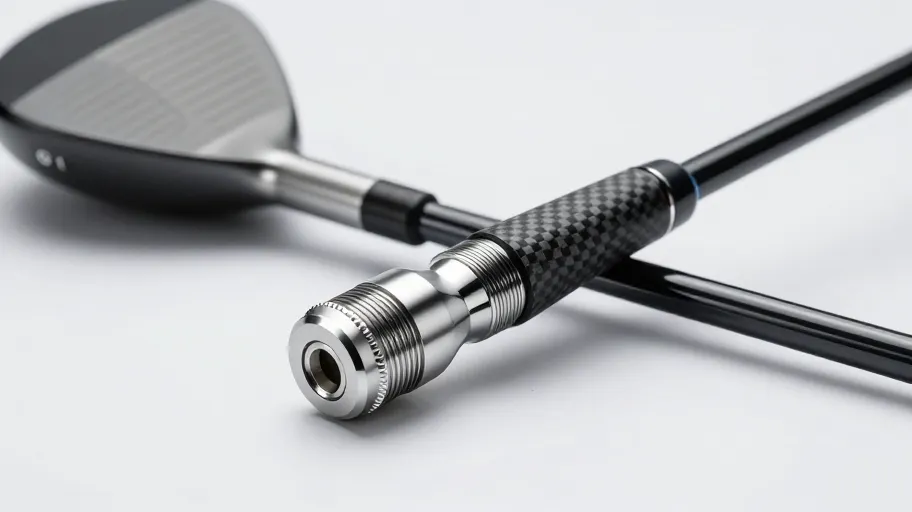
Traditional epoxy-only reshafting degrades carbon hosels by up to 30% after repeated removals, according to 2024 composite engineering data. That silent damage shortens club life and increases long-term costs. A replace golf shaft adapter changes that by shifting stress away from the hosel walls. It means technicians can swap shafts 10+ times on the same head without weakening it because the sleeve creates a durable, threaded interface. For shops, this isn’t just repair—it’s asset preservation. You maintain club integrity while turning one-time services into recurring revenue streams.
What sets modern adapters apart
Today’s best adapters use aerospace-grade alloys and controlled internal tapers to deliver ±0.25° angular repeatability and over 98% torque transfer efficiency. That means energy moves from shaft to clubhead with almost zero loss because the interference fit eliminates play at impact. Unlike old inserts, these designs use mass-neutral balancing so they don’t disrupt MOI or feel. One PGA fitter saw a 40% drop in rework after switching to OEM-integrated systems. It means customers walk away with clubs that perform as designed—not despite modification, but because of it.
The real cost savings for your shop
Traditional re-shafting takes 45+ minutes per club, tying up skilled labor and increasing error risk. Adapter-based swaps take just 15 minutes. That means shops reclaim 12+ labor hours weekly because the process is clean, repeatable, and doesn’t require epoxy cleanup. The 2024 Golf Retail Benchmark showed adapter users doubled their annual swap volume without adding staff. Faster turnaround means higher throughput and stronger margins—up to 2.5x more per service. And since reusable sleeves cut consumable costs by 40%, profitability climbs even further.
How to build a precision-first workshop
Start by replacing generic sleeves with indexed systems like Tip-Saver or Interchange. These ensure repeatable tip alignment because they lock rotation and depth consistently. It means fewer callbacks and better ball flight stability. Next, map inventory using compatibility charts—match shaft tapers, bore depths, and torque specs to avoid field failures. Then train staff on calibrated torque tools; staying within ±2 in-lb tolerance means stable performance because over-tightening can distort the fit. One Midwest shop cut rework by 41% in three months just by enforcing these protocols. It means your shop becomes known not for repairs—but for precision tuning.
Master Your Swing, DIY Your Fit. DIY Golf is the premier destination for the technical golfer. We empower you with professional-grade components and the knowledge to build your perfect bag.