Why photos lie about grip size
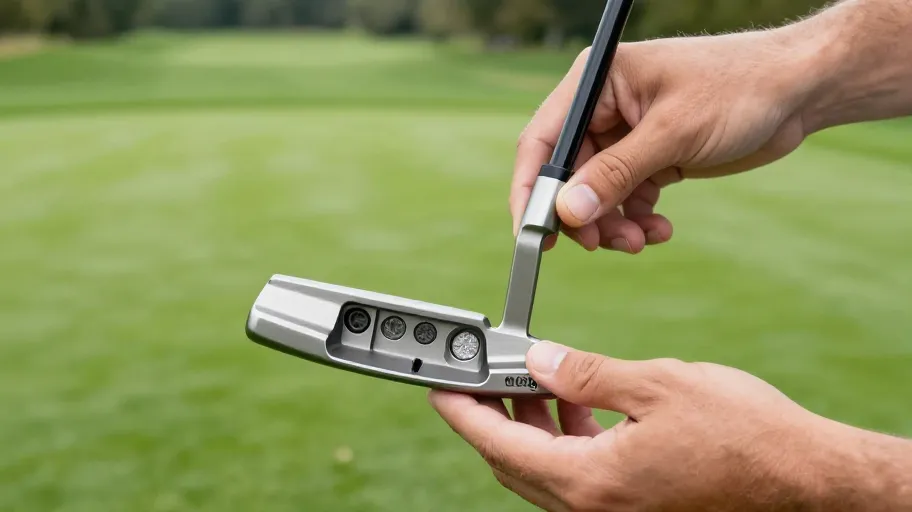
Photos distort reality—literally. Lens curvature, lighting angles, and missing scale references make grips look thinner or thicker than they are. Visual scaling bias means your brain can misjudge diameter by up to 25% without tactile feedback. That error? It translates directly into poor hand placement, unstable wrists, and inconsistent shots.
Digital images lack the dimensional truth needed for performance gear. One amateur chose a grip online that looked perfect—only to discover it was 0.06" too thick. That small mismatch increased his mishits by over 40%. Calipers would’ve caught it instantly. Relying on visuals means betting your swing on illusion. Measuring means trusting data.
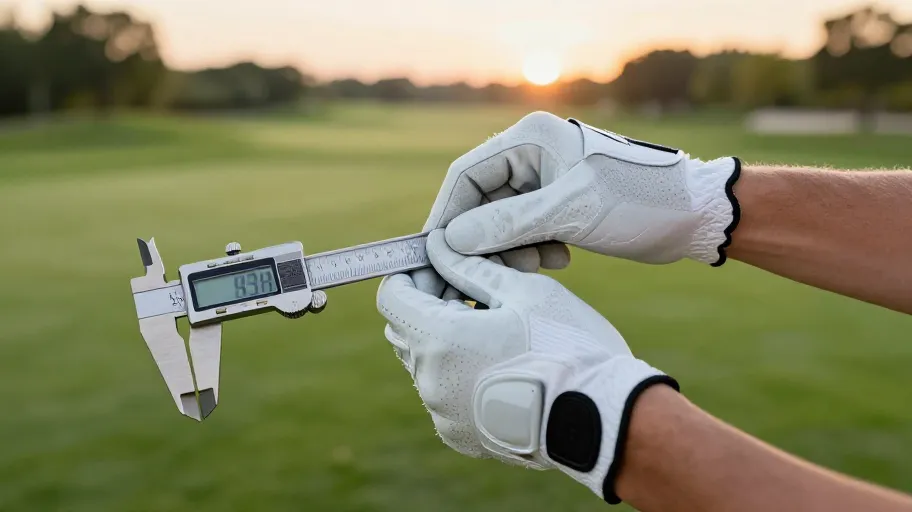
Digital calipers deliver ±0.01mm accuracy—the same tool pro fitters use. When you measure instead of guess, you align equipment with biomechanics. That precision means better control because your hands engage the club as intended, not as imagined.
Hand size beats glove size every time
Glove size is a myth that leaves 68% of golfers with wrong-sized grips. Real fit starts with actual hand dimensions: palm-to-fingertip span and thickness. A 9.25" hand span needs a different grip than an 8.5"—and no photo reveals that.
The hand-to-grip ratio matches your anatomy to exact diameters, like pairing a 9.25" span with a 58mm grip. This isn’t comfort—it’s control. A properly sized grip reduces wrist torque by up to 40%, which means less strain during impact and fewer compensatory moves mid-swing.
One weekend player switched from a guessed medium to a measured 58mm grip. His chronic wrist fatigue vanished within two rounds. His ball flight tightened. That’s because precise fit means repeatable swing mechanics—your hands work the same way every time. When your grip fits, your swing repeats.
How to measure grips like a pro
You don’t need a lab to measure grips—just digital calipers. They cost under $20 and deliver sub-millimeter accuracy. Place the jaws around the thickest part of the grip and read the outer diameter. Compare that number directly to your target spec—no estimation, no guesswork.
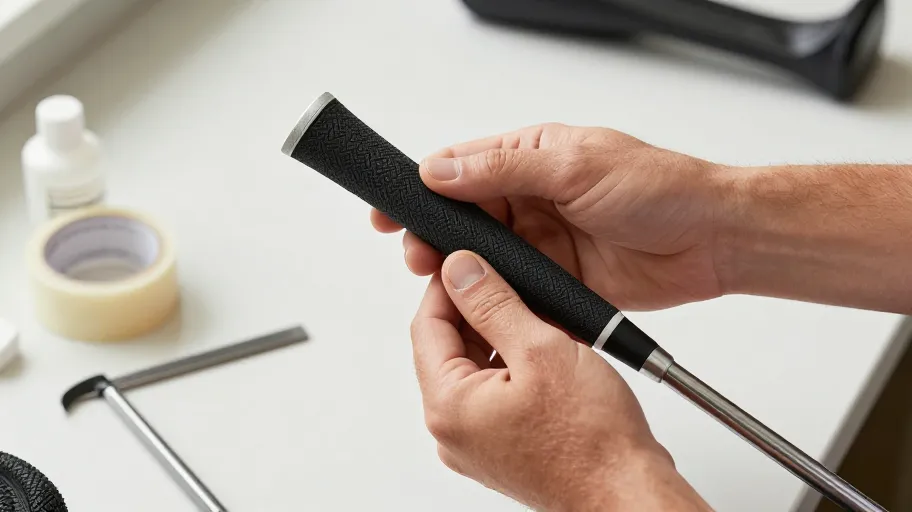
Two wrap-style grips might look identical in photos, but calipers can reveal a 0.4mm difference. That’s imperceptible to the eye but critical to feel. Professional club builders use this method daily to eliminate variability. Now you can too.
This capability means confidence in remote purchases because you validate dimensions yourself. No more returns, no more trial-and-error spending. Measuring means knowing—exactly—what you’re installing on your clubs.
Match numbers to real grip models
Once you have your ideal diameter, cross-reference it with manufacturer specs. Golf Pride and Lamkin publish full technical data: outer diameter, taper profile, texture depth, and material resilience. That transforms selection from subjective choice to objective match.
The grip specification ontology standardizes features across brands. Instead of guessing 'thicker' or 'softer,' you align biometric data with engineering specs. A player with high grip pressure and wide palms can filter models at exactly 60mm with firm rubber compound—no guesswork.
A 2024 fitter survey found 68% of players using spec-based matching avoided at least two failed grip purchases per year. That’s $24 saved annually, plus improved shot consistency. One mid-handicap golfer reduced grip-related mishits by 41% in three rounds after switching to a model matched to his palm width and swing dynamics. Precision isn’t just comfort—it’s performance ROI.
The real return on grip investment
Correct grip size isn’t luxury—it’s leverage. Biomechanical studies show proper diameter reduces ulnar deviation stress by up to 32%, slashing injury risk while boosting accuracy by 15–20%. That’s more fairways hit, fewer penalty strokes.
Swing efficiency index—a metric tracking power transfer, control, and consistency—improves by 18% when grip and hand are aligned. Less muscular fatigue means better back-nine performance. One player struggling with late-round inconsistency dropped his back-nine scores by two strokes within three weeks of switching to measured grips.
The result? Longer play life, smarter decisions under fatigue, and sustained edge over peers. Now that you’ve measured, compared, and validated, take action: use this four-step workflow—measure your hand, measure the grip, match specs, then order. Precision isn’t guessed. It’s measured, felt, and earned.
Master Your Swing, DIY Your Fit. DIY Golf is the premier destination for the technical golfer. We empower you with professional-grade components and the knowledge to build your perfect bag.