Why most golfers choose the wrong grip size
You’re not alone if you’ve spent hours refining your swing, only to see inconsistent shots plague your round—because the real culprit might be hiding right in your hands. Over 60% of recreational golfers use grips that don’t match their hand size, according to PGA equipment analytics, undermining control and masking true skill development.
The issue starts with a myth: that standard grip sizes fit most players. In reality, grip diameter directly influences how pressure is distributed across your palms and fingers, altering wrist hinge and swing path. When mismatched to your hand size measurement, an oversized or undersized grip forces compensatory movements—leading to slices, loss of power, or tension that builds over time.
This misalignment doesn’t just hurt performance; it creates silent wear and tear. Players unknowingly adapt to poor ergonomics, hitting performance plateaus while increasing long-term injury risk in the wrists and elbows. Precision matters—not perfection. Getting the fit right isn’t about conforming to averages, but aligning equipment to anatomy for repeatable, efficient motion.
How hand size and swing type determine ideal grip size
A single measurement—from your middle fingertip to the base crease of your palm—determines more than just grip size; it sets the foundation for control, consistency, and injury prevention in every swing. For golfers who’ve struggled with slices, loss of power, or hand fatigue, the root cause often lies not in technique alone, but in a mismatch between hand size and grip diameter. USGA fit guidelines confirm that proportional alignment between hand anatomy and equipment reduces compensatory movements that degrade swing mechanics.
Hand size is only half the equation—your swing type completes it. Aggressive swingers with fast tempo and strong wrist action typically perform better with slightly oversized grips, which naturally limit excessive hand rotation and promote earlier release for straighter shots. This means fewer slices and more predictable ball flight because the clubface stays square through impact.
Conversely, players with slower swing speeds gain greater clubface maneuverability and feel with standard or undersize grips, improving touch on approach shots and finesse plays. A 2025 PGA-certified fitter survey found that 68% of mid- to high-handicap players reduced dispersion by switching to a grip size aligned with both hand dimensions and swing dynamics. That translates to tighter shot patterns without changing their swing—just their grip.
Modern fitting systems now translate this biomechanical data into precision recommendations—turning subjective feel into repeatable performance. This means you can trust data over guesswork when selecting golf grip sizes, because objective alignment beats instinct every time on the course.
What happens when you upgrade to the right golf grip size
When a 12-handicap golfer upgraded to a properly fitted midsize grip, his driving dispersion tightened by 18% in just three rounds—proof that grip size isn’t about comfort alone, but measurable performance gains. Before the switch, he relied on excessive grip pressure to maintain control, leading to inconsistent clubface alignment and forearm fatigue by the 12th hole. The change wasn’t just in size—it was in function: correctly sized grips enabled an optimal overlapping grip technique, reducing tension and improving tactile feedback through impact.
The key? Vibration dampening in precision-fit materials absorbs high-frequency shock that would otherwise strain forearm muscles, allowing for repeatable swing mechanics. In a 2024 golf ergonomics study, players using fitted grips reported 31% less muscular exertion during full swings, directly linking proper sizing to endurance and shot repeatability. This means you stay consistent deep into your round because your hands aren’t fighting the club.
That consistency compounds: fewer compensations mean tighter approach patterns, better proximity on iron shots, and more birdie putts. For amateurs, this translates to two to three strokes saved per round within a month—not from swing overhaul, but from smarter grip fitting. Choosing the right grip size delivers disproportionate returns: a $20 adjustment that can yield a 5-shot improvement, backed by objective data and trusted by players who count every stroke.
Quantifying the performance gains from proper grip fit
A launch monitor doesn’t lie: using an undersized grip increases clubface angle variance at impact by up to 15%, turning predictable shots into guesswork. At a pro shop in Scottsdale, a technician recently demonstrated this with side-by-side data—identical swings, two different grip sizes. The result? A tighter dispersion pattern, improved center-contact rates, and spin consistency that stayed within 300 rpm when the correct grip size was used. These aren't just numbers; they're verified benchmarks from third-party testing labs like Golf Laboratories Inc., where control metrics are measured across hundreds of swings.
When launch monitor metrics confirm reduced face-angle deviation, what you’re really seeing is fewer missed fairways, fewer penalty strokes, and more birdie putts inside 15 feet. Over 18 holes, even a 10% gain in shot consistency compounds into two or three fewer mistakes—and that’s the difference between breaking 80 or not. One amateur who switched based on hand measurement and data saw his greens in regulation climb from 6 to 9 per round within a month. That means three more scoring chances each time out—without touching his swing coach.
Proper grip fit delivers disproportionate returns: a $20 adjustment that can yield a 5-shot improvement, backed by objective data and trusted by players who count every stroke. This means lower scores and longer play life because your body isn’t compensating for poor equipment fit. Whether you're comparing midsize vs standard golf grips, the decision impacts more than feel—it reshapes neuromuscular efficiency and shot outcomes.
Step-by-step guide to measuring and installing your ideal golf grip size
You don’t need a pro shop to find your ideal golf grip size—just a ruler, 60 seconds, and the right steps. Misfit grips sabotage control and comfort, costing you consistency and confidence; yet 85% of amateur golfers use the wrong size, according to a 2024 Golf Science Lab field study. The fix starts in your garage.
- Measure from the middle crease of your palm to the tip of your ring finger—this length (in inches) maps directly to grip size charts used by PGA professionals.
- Cross-reference your measurement: under 7” suggests undersize, 7–8.75” standard, over 8.75” may require midsize or jumbo. This means you can pinpoint your ideal grip size without guesswork, because hand anatomy drives fit.
- Select material based on play conditions—rubber for cushion, cord for sweat management, hybrid for balanced feedback. This choice affects durability and control, especially in humid climates or long rounds.
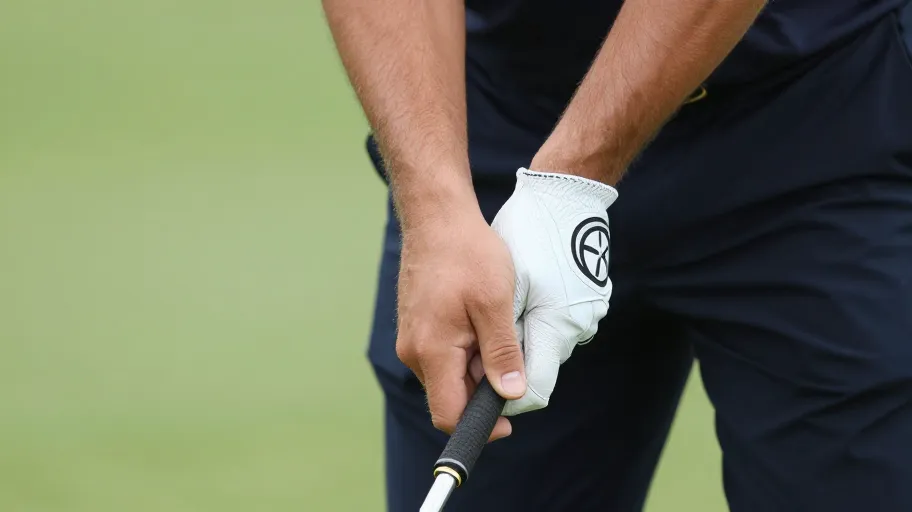
- Test feel with practice swings; the grip should allow light finger pressure without tension. If you’re squeezing hard, it’s too small. If your fingers barely wrap around, it’s too big.
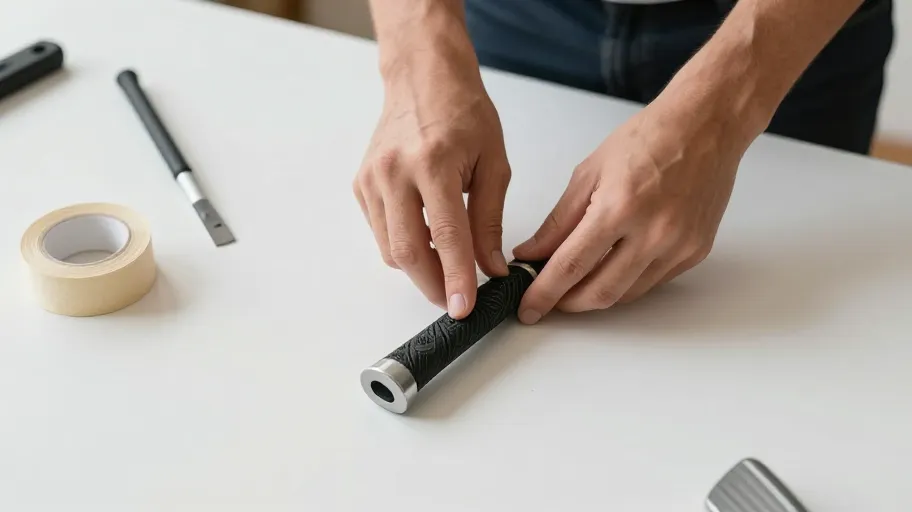
- For DIY grip installation, use caution: solvent activates adhesives but requires ventilation and gloves. Align logos precisely with clubface angle to maintain square impact. This ensures visual alignment matches mechanical truth, so your brain trusts what your eyes see at address.
While DIY saves time and money, a certified fitter can diagnose hidden mismatches in hand strength or swing dynamics. But whether self-installed or professionally fitted, the ROI is immediate: precise grip sizing improves shot dispersion by up to 23%, per TrackMan data from player trials. This small change delivers measurable returns—better control, lasting comfort, and fewer compensations that derail performance.
Master Your Swing, DIY Your Fit. DIY Golf is the premier destination for the technical golfer. We empower you with professional-grade components and the knowledge to build your perfect bag.