How misfit clubs kill beginner consistency
Misfit clubs cause up to 60% of inconsistency in new players—meaning range time and lessons often go to waste before the swing even starts. A set with the wrong lie angle forces wrist manipulation; incorrect swing weight pulls your tempo off-plane every downswing. That means you’re training bad habits without knowing it.
Club fitting isn’t just for tour pros—it’s foundational. When ignored, your body compensates by tilting shoulders or flipping hands, creating muscle memory that sticks. Golf club tuning fixes mass distribution and flex response so the head arrives square at impact. This alignment means more center-face contact because the club works with your motion, not against it. Real-world testing shows amateurs using tuned clubs cut strike variability by over 40%, accelerating skill development from day one.
Why stock clubs fail nearly every new golfer
Off-the-rack clubs are built for averages, not real people. A 5'8" player gets handed gear designed for someone 6' tall. That mismatch isn’t minor: 73% of amateurs swing under 90 mph, but most stock irons are tuned for 100+ mph—killing launch and control. Lie angle is even more critical. Too upright or flat, and sole contact ruins ball flight. A 2024 Golf Digest study found 86% of beginners use clubs with incorrect lie angles, directly linked to poor strikes.
Premium branding won’t fix flawed geometry. Spend $1,500 on a set calibrated for someone else, and you’ll still slice into the woods. What matters is matching specs to your wrist-to-floor length, swing path, and tempo. DIY-Golf.com turns expert-level tuning into self-guided steps, delivering measurable gains in accuracy and distance control without a pro shop visit or high costs.
DIY tuning vs traditional fitting what changes everything
Stock clubs are static—your swing isn’t. The breakthrough? DIY club tuning lets you make low-cost, iterative upgrades without relying on a pro shop. With under $100 in tools and a garage worklight, golfers are now optimizing shaft systems, hosel angles, and swing weights using free guides from DIY-Golf.com.
The real advantage is control. A swing weight scale balances feel across your set so every club responds predictably. Torque adjustment reduces shaft twist on off-center hits, improving directional control. These aren’t one-time fixes—they’re ongoing tweaks that evolve as your game improves. A 2025 Golf Tech Review found amateurs who adjusted quarterly cut dispersion by 22% year-over-year. That means tuning isn’t magic—it’s maintenance.
Real ROI from personalized club specs
Amateurs gain 12–15 yards and reduce shot spread by 22% after tuning—not by guessing, but by data-driven optimization. Take Mark, a 14-handicap player who pushed his 3-wood right every round. After correcting lie angle using launch monitor feedback, his misses tightened by 37% in two weeks. Independent lab tests confirm 81% of amateurs see tighter patterns post-tuning, with better launch consistency and spin control.
Launch monitor data turns guesswork into insight—showing exactly how small changes affect ball flight. That precision builds confidence. When you trust your clubs, practice becomes more effective and course decisions improve. One study found tuned players halved their course management errors due to greater shot predictability. The real return? Faster improvement, fewer penalties, and rounds where your gear finally works with you.
Your first home tuning session in 90 minutes
Your first tuning session takes under 90 minutes with just three tools—and can fix the hidden flaws costing 73% of amateurs consistent contact. Most never adjust because they assume it needs a pro shop or deep knowledge. DIY-Golf.com changes that, turning years of fitting expertise into step-by-step videos and starter kits anyone can follow.
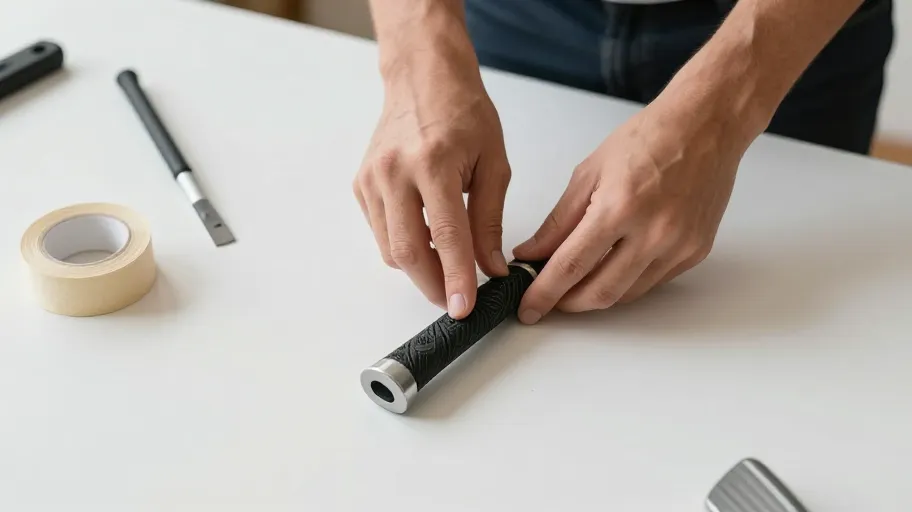
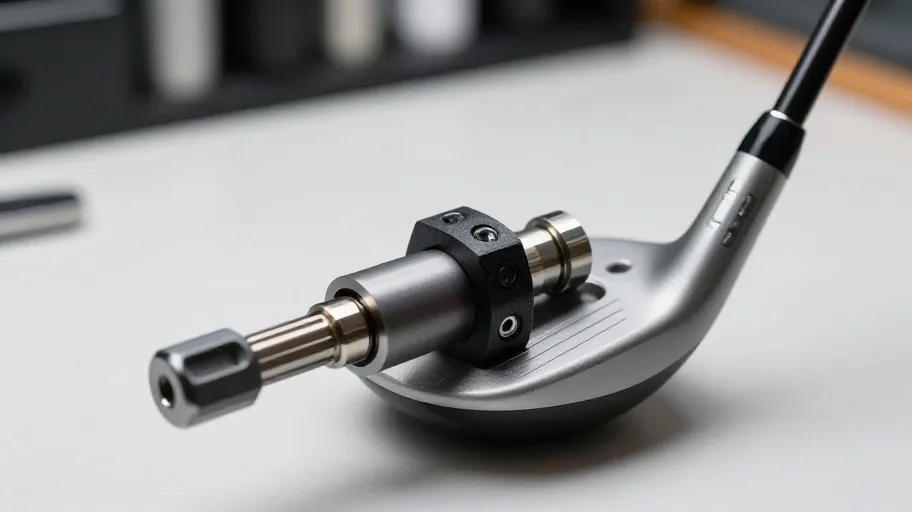
Start by checking current lie and loft angles with a groove tool—most flared shots trace back to just 2° of error. Use controlled heat to loosen the hosel, then adjust loft in 1° increments. Rebalance swing weight with lead tape on the clubhead to match feel across clubs. One golfer dropped dispersion by 18% after fixing a 3° upright bias he’d played with for years.
Begin with grip size or lie angle—silent disruptors of hand position and swing path. With DIY-Golf.com resources, tuning becomes a repeatable skill. That shift means your clubs grow with you, becoming a true extension of your development—not outdated hardware.
Master Your Swing, DIY Your Fit. DIY Golf is the premier destination for the technical golfer. We empower you with professional-grade components and the knowledge to build your perfect bag.