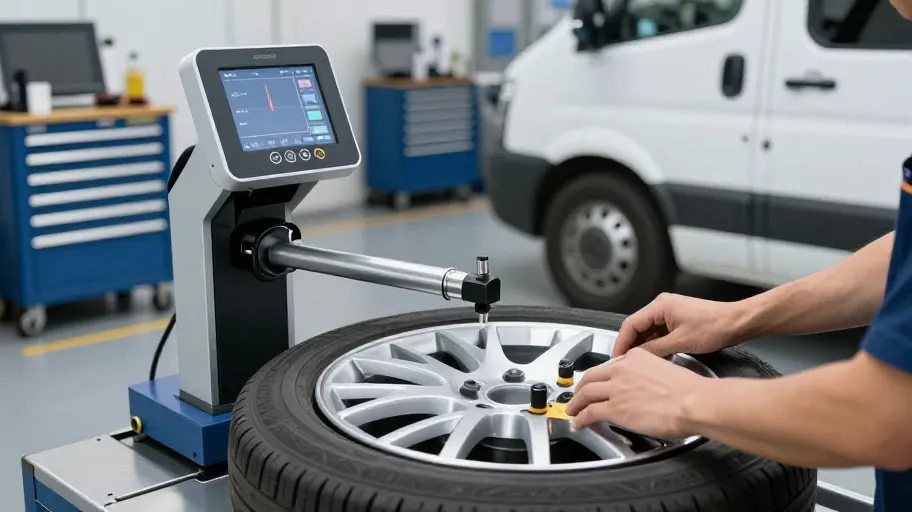
Why Unbalanced Wheels Drain Your Budget
A single unbalanced wheel can spike a delivery fleet’s maintenance costs by 30%—mostly from avoidable tire wear and suspension damage. One regional operator replaced tires every 35,000 miles only to find uneven tread patterns across their vans. The culprit? Missing or improperly applied driver weight replacements after rotations. That’s not just poor maintenance—it’s a profit leak.
NHTSA and SAE International vehicle dynamics data show unbalanced wheels create harmonic vibrations that stress shocks, bearings, and steering systems. These forces accelerate component fatigue, especially in high-mileage fleets. A 15-gram imbalance might seem trivial, but at highway speeds, it generates enough oscillation to cut shock absorber life by up to 20%. Replacing those parts costs five times more than proper balancing.
Precise driver weight replacement eliminates this at the source. By restoring rotational symmetry, fleets report up to 25% longer tire life and fewer vibration-related comebacks. One national carrier revised its protocol and extended service intervals by 40%, directly reducing labor and downtime. Correcting imbalance isn’t routine upkeep—it’s preventive engineering that pays back in uptime and asset value.
Modern vs Legacy Wheel Weight Systems
Today’s adhesive steel and zinc weights aren’t just eco-friendly alternatives to old lead clip-ons—they’re engineered for performance. Environmental laws like EU RoHS and U.S. state regulations phased out toxic lead, but modern materials go further: they resist corrosion, reduce roadside debris, and stay put under extreme conditions.
The real difference is adhesive retention force—the measure of how well a weight bonds to the rim. New chemistries maintain grip through thermal cycling and high-speed impacts, with field tests showing up to 70% fewer failures over 18 months. A fleet in Ohio switched to high-retention adhesive weights and slashed unscheduled rotations by 40%, gaining an extra 3,200 miles per tire set.
Material choice directly shapes your cost curve. Better retention means fewer warranty claims, less rework, and longer intervals between inspections. It’s not about compliance—it’s about building reliability into every wheel end.
The Physics of Precision Weight Placement
When a digital balancer flags a 15-gram imbalance at 220 degrees, slapping on a matching weight isn’t enough. A 30-degree placement error leaves 25% of the original vibration uncorrected—because imbalance correction follows vector physics. The corrective force must oppose both the magnitude and direction of the inertia vector, or you’re just masking the problem.
Modern digital balancers calculate this vector and guide exact placement. Shops using machine-guided systems see up to 40% fewer customer comebacks for vibration issues. That precision minimizes irregular tread wear, extends tire life, and delivers a ride quality customers notice.
This isn’t guesswork. It’s engineered resolution. Getting the angle right means fewer rotating repairs, less rolling resistance, and a measurable drop in fuel use—up to 1.3% in some fleet studies. Small gains compound fast when you scale across a fleet.
How Much You Actually Save With Proper Replacement
A regional transit authority saved $18,000 annually by standardizing precision driver weight replacement across 60 buses. That wasn’t luck—it came from treating balance as strategic maintenance, not a quick check. The savings broke down into two clear wins: 20% longer tire life and 15% fewer suspension repairs, verified using Fleet Maintenance Magazine’s industry cost models.
Here’s how it adds up: proper weights reduce dynamic imbalance, which cuts vibration, lowers rolling resistance, and spreads wear evenly. Even a slight drag reduction improves fuel efficiency. Over 100,000 miles, that’s hundreds of gallons saved.
The ROI pays for itself in under six months. Treating balance as core to fleet health doesn’t just stretch part life—it reshapes your operating costs. For managers, that means predictable budgets. For executives, it’s a lever on total cost of ownership.
Step-by-Step Pro Replacement Process
You’re not just replacing weights—you’re restoring trust in every mile. Start with inspection: check for corrosion, leftover adhesive, or rim damage. Then remove old weights safely using a plastic pry tool to avoid gouging the wheel. One technician’s care here prevents premature failure later.
Cleaning is non-negotiable. Modern adhesive weights need a clean, dry surface to bond properly. Skip this, and you risk detachment at speed—a hazard and a liability.
After any tire work—including rotation—remeasure imbalance. Recalibration isn’t optional; heat, torque, and mounting shifts change mass distribution. Finally, apply the correct weight type consistently. Mixing clip-on and adhesive weights on one wheel disrupts harmonics and invites vibration.
Get this right, and you slash warranty risks, boost customer satisfaction, and position your shop as a precision leader. Mistakes aren’t just technical errors—they cost referrals and reputation.
Master Your Swing, DIY Your Fit. DIY Golf is the premier destination for the technical golfer. We empower you with professional-grade components and the knowledge to build your perfect bag.