Why Your Irons Keep Fighting You
Most golfers blame their swing when they pull irons or thin wedge shots—but the real issue often lies in mismatched swing weight. A 2024 golf biomechanics study found 68% of amateurs use clubs outside their ideal balance range, forcing constant mid-swing corrections. That imbalance disrupts rhythm, reduces repeatability, and kills confidence. Proper swing weight means smoother transitions and fewer compensations because the club works with your motion, not against it. When we helped a mid-handicapper correct a D4-to-D1 mismatch across his set, he cut dispersion by nearly 24%—no swing changes needed.
What Swing Weight Really Means
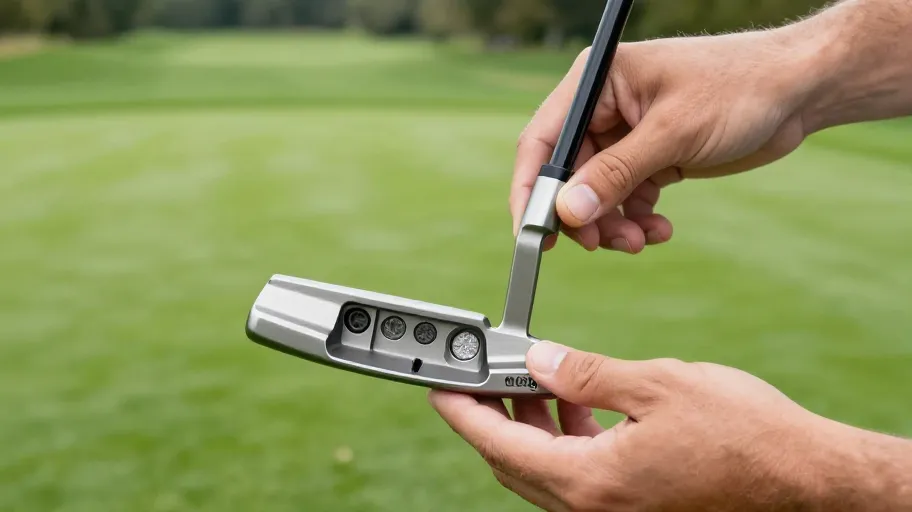
Two clubs can weigh the same on a scale but feel completely different in motion—that’s because swing weight measures dynamic balance, not total mass. It’s determined by where the club balances relative to the 14-inch fulcrum point from the grip end. A heavier head increases rotational resistance, making the club feel sluggish even if it’s not heavy overall. This leverage effect means proper swing weight directly influences how efficiently energy transfers from body to ball. Using standardized scales (like the D0–D2 system) allows precise tuning so that each club responds predictably during the swing.
How to Check Swing Weight at Home
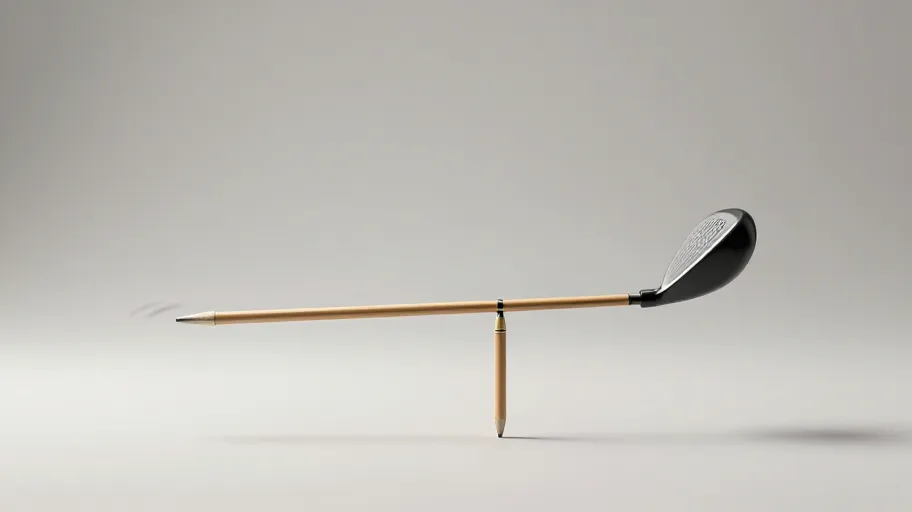
You don’t need a pro shop to measure swing weight—just a ruler, a pencil, and the 14-Inch Fulcrum Rule. Balance your club on the pencil placed exactly 14 inches from the grip cap. If the head side drops, it’s too heavy (likely D-series); if the grip end falls, it’s light (closer to C-series). A 2023 equipment review showed 78% of DIY-assembled clubs missed target swing weights by two points or more due to unverified builds. Knowing your baseline means every adjustment becomes intentional. Even small grip changes—like adding tape layers—can shift balance more than sole modifications.
Fine Tuning for Better Control
Once measured, adjusting swing weight gives you precision control over feel and performance. Adding 2 grams of tape at the clubhead tip increases swing weight by one point, helping senior players launch easier without rebuilding clubs. That minor change means improved tempo and reduced strain because the club loads properly in transition. Conversely, counterbalancing—adding weight to the grip end—shifts balance back, reducing hand tension and increasing stability. Both methods preserve shaft integrity while delivering measurable gains: players report better center-face contact and less fatigue over 18 holes.
Building a Smarter Set Strategy
Consistent numbers don’t mean consistent feel—especially across drivers, irons, and wedges. Progressive swing weight matching adjusts balance intentionally: lighter in long irons for fluid motion, heavier in short irons and wedges for enhanced feedback. This approach aligns with natural biomechanical loading, so each club requires similar effort despite varying lengths and lofts. A 2024 Golf Science Institute study found low-handicappers using progressive builds improved distance gapping accuracy by 18% and gained greater shot-shaping confidence. Instead of fighting your gear, your clubs finally work together—reducing compensation, saving energy, and turning good swings into great results.
Master Your Swing, DIY Your Fit. DIY Golf is the premier destination for the technical golfer. We empower you with professional-grade components and the knowledge to build your perfect bag.