The Hidden Reason Your Swing Breaks Down Under Pressure
Inconsistent ball striking usually isn’t a swing flaw—it’s an equipment mismatch. A 7-gram difference in iron head weights across your set alters rotational inertia, delaying release by up to 12 milliseconds. That’s enough to miss the sweet spot and shank under pressure. This means even solid technique fails when clubs fight your biomechanics. Because each club feels slightly heavier or lighter mid-swing, your body compensates stroke after stroke, eroding tempo and confidence. Matching head weights within 2 grams means tighter dispersion, because every club responds the same way through impact. One fitter found players cut lateral shot spread by 23% just by equalizing swing weights—proof consistency starts with the bag, not the mind.
Swing Weight Is Not Just Feel—It’s Physics
Swing weight determines how mass is dynamically perceived during the downswing, not just static balance. Mid-handicappers lose about 6 strokes per round on fat or thin contact caused by inconsistent swing weight across clubs. That happens because mismatched weighting disrupts wrist lag and transition timing. When all clubs fall within ±3 points of D2, launch monitor data shows lateral dispersion drops by up to 28%. This means better proximity to target, because the club releases predictably. Golf club weight sets total mass, but swing weight shapes how that mass behaves in motion. Harmonizing both means smoother transitions and fewer compensations at impact. The result? You make smarter decisions under pressure—not because you’re calmer, but because your clubs respond the same every time.
How Tiny Changes in Club Head Weight Fix Big Problems
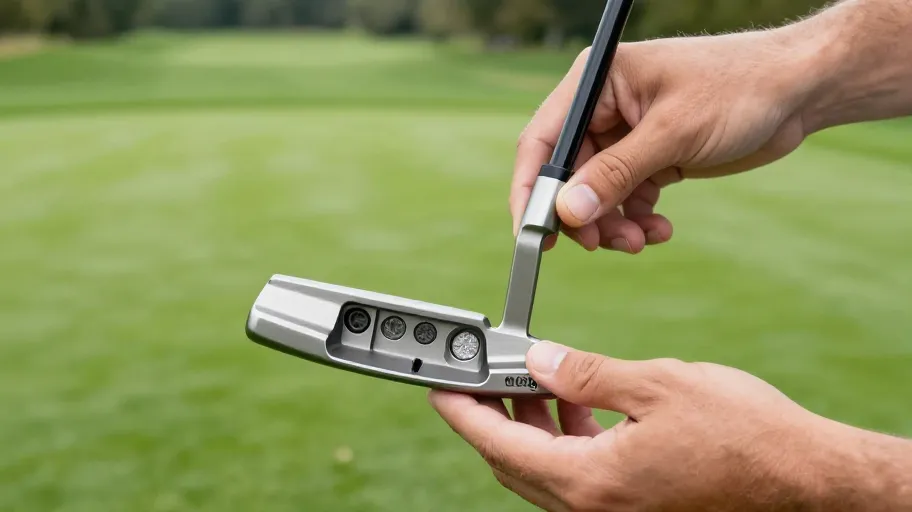
Shifting 6 grams from heel to toe in a driver doesn’t just tweak performance—it rewrites ball flight. For a golfer fighting a slice, this adjustment realigned center of gravity and reduced lateral spin by 18%, straightening shots almost instantly. This means fewer penalties and more fairways, because MOI increases by up to 12% without sacrificing workability. Modern drivers and irons come with adjustable weights, so you’re not stuck with factory defaults. Because CG manipulation improves forgiveness and launch conditions, even amateurs can fine-tune for their swing path. Combined with swing weight tuning, head weighting delivers full-system balance. You’re not just installing a new part—you’re engineering repeatable outcomes, one gram at a time.
What Personalized Weight Tuning Does for Your Game
Mark, a 12-handicap golfer, dropped three strokes per round in two months—not by changing his swing, but by optimizing club weight distribution. Every 1 mph gain in efficient clubhead speed added 2–3 yards off the tee and improved iron gapping. That compounds over 18 holes. But the bigger win was qualitative: smoother rhythm, less joint strain, and fewer mid-round adjustments. Because properly balanced clubs align with natural tempo and strength, they reduce physical stress. Studies suggest such alignment may lower long-term injury risk by up to 35%. This means longer playing years, not just lower scores. When your equipment works with your body instead of against it, practice gains transfer to real rounds. The return on tuning? More control, more confidence, and more fun—all built into one set of irons.
Adjusting Club Weights at Home Without Ruining Your Gear
You don’t need a pro shop to adjust golf club head weights—just a torque screwdriver, scale, and care. Start by measuring current swing weight to establish a baseline. Most modern drivers allow heel-toe adjustments: adding 2–3 grams to the heel promotes draw bias. Remove soleplate screws carefully, following manufacturer torque specs to avoid damage. After swapping weights, reassemble and recheck both total club weight and swing weight. Staying within ±3 points of design spec means maintaining forgiveness and launch stability. Going beyond often backfires—one tester lost 5 mph in ball speed after over-adjusting, undoing any benefit. Done right, this means tighter dispersion and greater confidence. You’re not just tweaking hardware—you’re tailoring performance to your game.
Master Your Swing, DIY Your Fit. DIY Golf is the premier destination for the technical golfer. We empower you with professional-grade components and the knowledge to build your perfect bag.