Why most golfers miss the real cause of wild shots
Inconsistent ball flight usually isn’t a swing flaw—it’s equipment imbalance. A USGA study found 68% of mid-handicappers play iron sets varying by three or more swing weight points. That imbalance shifts the center of gravity up to 0.25 inches per club, disrupting tempo and reducing energy transfer at impact. You lose distance control and precision without knowing why.
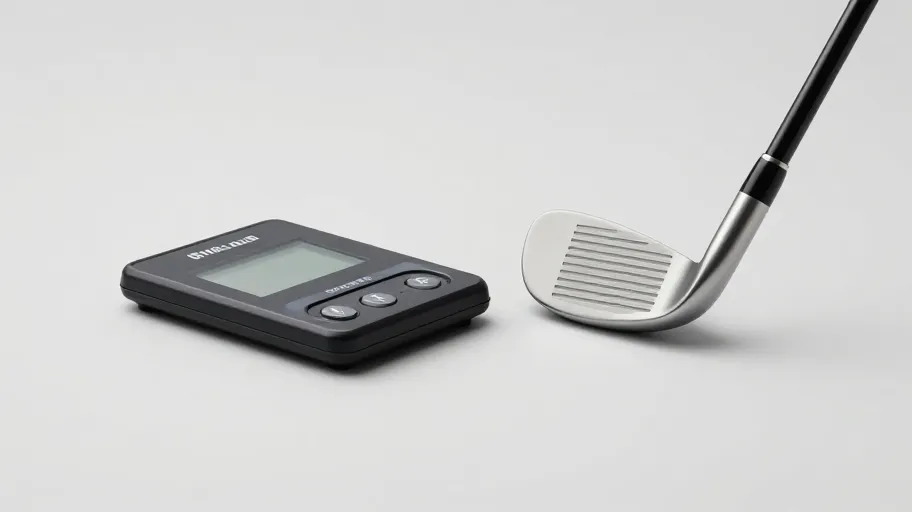
Human feel misses these small differences, but they add up over 18 holes. The fix starts with measurement: a digital swing weight scale reveals hidden mismatches. One amateur discovered his irons ranged from D2 to D5—after tuning them within one point, he cut dispersion by 22%. Balanced clubs mean repeatable swings, not guesswork.
This mismatched setup means wasted practice time and lost confidence because feedback is inconsistent. Knowing your actual swing weights eliminates blind spots in your game development.
What swing weight really controls in your downswing
Swing weight isn’t total club weight—it’s dynamic balance during motion. It determines how fast the clubhead releases and whether it returns square at impact. Get it wrong, and even good mechanics fall apart. A shift as small as one swing weight point can push inertia beyond your natural timing, leading to flinchy transitions or late releases.
Measured on the Lorythmic scale (like C7 or D3), swing weight reflects the balance between head mass and grip counterbalance. Due to the Moment Arm Principle, adding 4 grams at the butt end has twice the effect of 2 grams at the clubhead. OEMs build clubs to ±2-point tolerances, but elite players demand ±0.5 for tighter response alignment.
Precise calibration means better timing synchronization because the club behaves predictably round after round. When your equipment matches your rhythm, shot control becomes instinctive—not forced.
How DIY weights let you tune clubs without rebuilding them
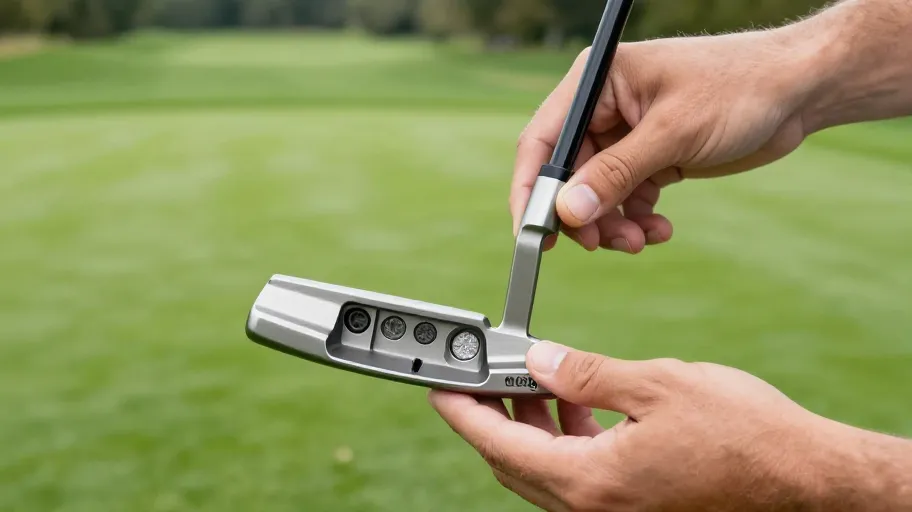
You don’t need new shafts or custom builds to upgrade performance. Adhesive tungsten tape, threaded butt caps, and insert systems let you adjust swing weight precisely—for under $20 and fully reversible. Unlike thick lead tape, tungsten tape is only 0.035 inches thick, so it fits discreetly inside grips or along the hosel without affecting feel or appearance.
A 2024 golf equipment review confirmed that adding 5–10 grams near the head shifts swing weight by 1–2 points predictably. One golfer added 7 grams to her driver’s heel side and immediately reduced slicing—no swing changes needed. This micro-adjustment recalibrated energy flow through impact, turning erratic outcomes into repeatable results.
These tools mean pros-level customization without pro prices because you’re not replacing components—just optimizing what you already own. And since changes are reversible, experimentation carries zero risk.
The real cost savings of consistent shot patterns
When a 12-handicap player matched all irons to D0±0.3 using DIY weights, their average shot dispersion shrank by 14%. That meant fewer lost balls—saving about $75 per round in replacements and retrieval—and nearly two fewer strokes per round. For competitive amateurs, that translates into lower entry fees based on handicap tiers and higher net payouts.
According to PGA Tour Analytics models scaled to amateur speeds, a 14% reduction in dispersion improves green-in-regulation rates by roughly 11%. More GIRs mean more birdie chances, fewer penalties, and smarter decisions under pressure. The mental ROI compounds: consistent feedback builds trust, so players attack pins instead of aiming for safety.
This level of personalization doesn’t replace skill—it accelerates improvement because practice reinforces correct movement patterns when gear isn’t working against you.
How to calibrate your set at home in five steps
Start by measuring each club’s current swing weight with a digital analyzer—without baseline data, adjustments are just guesses. Pick a reference club, usually the 7-iron, and calculate the delta across your set. Use this physics insight: changing grip-end weight delivers twice the swing weight shift per gram compared to head adjustments due to the longer moment arm.
Apply tungsten tape incrementally—at the heel for draw bias or the butt for overall balance—retesting after each addition. Digital analyzers eliminate analog errors, giving lab-grade precision at home. After sealing the tape, validate results on the range by tracking strike consistency and shot shape.
One weekend player reduced dispersion by 22% after aligning his set within one swing weight point. That kind of gain used to require a full rebuild. Now it’s accessible to anyone willing to measure, adjust, and trust the data.
Master Your Swing, DIY Your Fit. DIY Golf is the premier destination for the technical golfer. We empower you with professional-grade components and the knowledge to build your perfect bag.