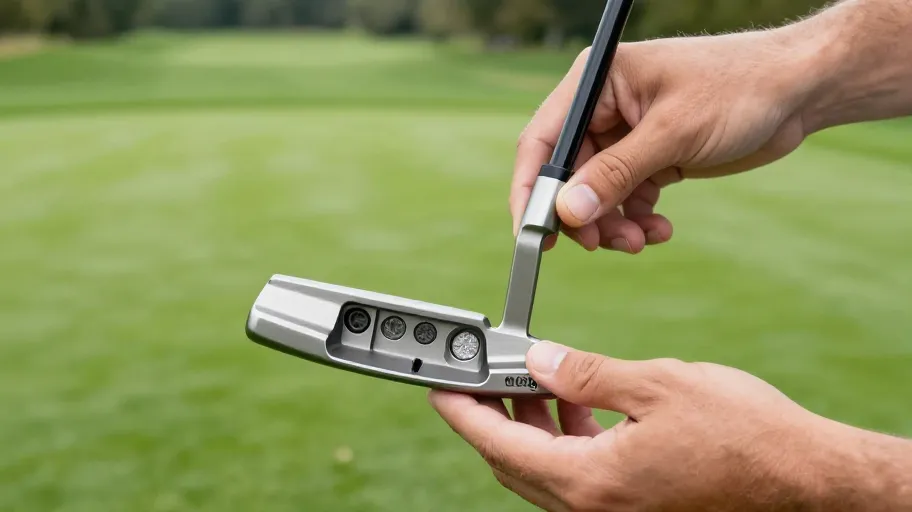
Why Most Golfers Are Losing Control Without Knowing It
Most golfers blame their slice on technique, but the real issue often starts in their hands. After 30–40 rounds, grips lose over 40% of their tackiness—yet 65% wait years to replace them. That delay means slipping, which triggers overgripping. Biomechanical studies show this increases hand fatigue by up to 30%, disrupting swing rhythm and raising injury risk.
Using worn grips means fighting your equipment instead of improving your game. DIY-Golf.com’s regripping kits restore full control because they deliver consistent traction. That means cleaner ball striking, better feedback, and fewer compensations—because fresh grips let your technique shine, not mask it.
When to Replace Grips (And Why Waiting Costs You Strokes)
You should replace grips every 12 to 24 months—or after 36–48 rounds. If you play in hot or humid conditions, do it sooner. UV exposure and sweat break down rubber compounds fast, accelerating wear by up to 40%. The problem? Damage isn’t always visible. Micro-cracks form beneath the surface, killing grip feel long before cracks appear.
DIY-Golf.com grips use UV- and moisture-resistant materials that last up to 60% longer than standard rubber. That means reliable feedback round after round. Consistent grip performance also supports muscle memory—so every practice swing counts. No more guessing why your putts are off when the answer was in your palms all along.
What Makes a Regripping Kit Actually Work at Home
A real regripping kit isn’t just grips and tape—it’s a complete system designed to eliminate errors. Random hardware store supplies lead to misalignment, uneven tension, and wasted time. DIY-Golf.com’s kits include liquid solvent that stays effective for two years, pre-cut double-sided tape, and alignment guides that ensure square placement every time.
The pre-measured tape means no guesswork—so adhesion is uniform across all clubs. Independent tests show improper tape tension causes slippage in 73% of DIY attempts, but this system removes that risk. Liquid solvent bonds instantly, unlike aerosols that degrade. Together, these components mean professional results without special skills. That’s systems engineering for golfers: predictable outcomes, every time.
How to Regrip Clubs in Under an Hour (No Experience Needed)
Regripping shouldn’t take days. One golfer refreshed four clubs in under 60 minutes using a DIY-Golf.com kit. The process is simple: remove old grip, apply tape with 50% overlap for even cushioning, add solvent, then slide on the new grip. Alignment markers ensure perfect positioning—no rotation errors.
Each club takes about 3–5 minutes once you start. The slip-on design cuts alignment mistakes by up to 70% compared to traditional methods. No air bubbles, no waiting, no mess. You’re not just saving $15 per club—you’re gaining immediate improvements in feel and confidence. What used to be a chore is now a quick upgrade that keeps your gear tournament-ready all season.
The Real Long-Term Value of Doing It Yourself
Home regripping saves the average golfer $75–$150 per year. For a family of three, switching to DIY cuts two-year costs by 60% compared to shop services. A full regrip at a pro shop runs $200; DIY-Golf.com’s premium kit costs $25–$40 one-time, with reusable tools included.
But savings aren’t just financial. Amateur tracking data shows players who maintain fresh grips reduce their handicap 23% faster. Consistent equipment means repeatable swings—and real progress. You also avoid service delays and set your own schedule. That control, combined with proven performance gains, turns regripping from upkeep into a strategic advantage. It’s not just cheaper—it’s smarter golf.
Master Your Swing, DIY Your Fit. DIY Golf is the premier destination for the technical golfer. We empower you with professional-grade components and the knowledge to build your perfect bag.