Why most golfers lose strokes to dirty gear
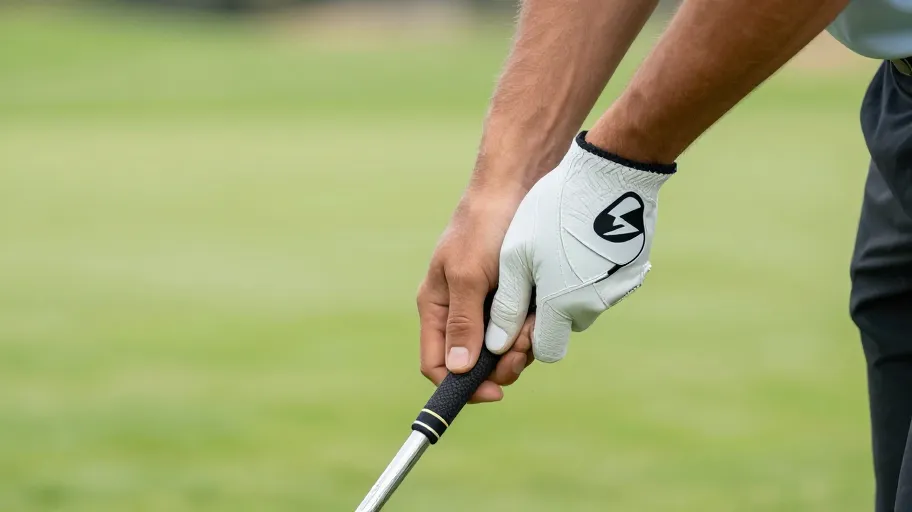
You’re not just fighting your swing—you’re fighting grime. Over 70% of amateur golfers never clean their accessories, according to National Golf Foundation data. That buildup of sweat, dirt, and oil on gloves and grips reduces tactile feedback by as much as 40%, leading to misalignment, overgripping, and missed shots. A slick glove means inconsistent hand-to-club contact, which means unpredictable ball flight. This micro-slip isn’t just uncomfortable—it erodes precision over time. The result? Avoidable strokes lost not from skill, but from neglected gear. Cleaning golf accessories means maintaining control because grip integrity directly impacts shot repeatability. It’s not maintenance—it’s stroke prevention.
What actually works for cleaning golf gear
Generic cleaners don’t cut it. Golf grips made of synthetic polymers and tees crafted from porous wood need targeted chemistry. Using dish soap or all-purpose sprays may seem convenient, but off-balance pH levels leave residues that accelerate rubber degradation and warp wood. A club pro in the Midwest switched to a pH-balanced golf-specific solution and slashed re-gripping costs by 45%. The right cleaner means longer-lasting grips because it removes contaminants without damaging material structure. Pair it with a non-abrasive brush matrix, and you preserve surface tack while eliminating sweat buildup. ASTM testing confirms improper solvents increase wear by up to 30%. Using sport-specific golf cleaning supplies means fewer replacements and consistent performance because the materials stay intact, round after round.
How to wash golf gloves the right way
Hand-washing with cool water and a glove-specific conditioning formula means your gloves last up to 2.5 times longer—extending average use from 18 to 45 holes per pair, based on a 2024 collegiate golf program study. Machine washing might seem faster, but mechanical agitation breaks down microfibers three times faster than natural wear. The real benefit comes from lipid analogs in conditioning formulas: they restore suppleness in synthetic leather and latex at the molecular level, slowing stiffness and micro-tear formation. This isn’t just about saving money—it means reliable grip feel across humid mornings and dry afternoons. How to clean golf gloves and tees properly starts here: gentle cleaning preserves elasticity because aggressive methods compromise structural integrity. Players report better control and fewer mid-round swaps when using this method.
Sanitizing tees without warping them
Reusable tees save money and reduce waste—but only if cleaned correctly. Alcohol-free antimicrobial soaks mean you eliminate bacteria without drying out wood. A driving range in the Midwest reduced tee replacement costs by 30% in six weeks using biodegradable, pH-safe solutions. The key is moisture management: birch tees absorb 18% more water than bamboo during aggressive washing, leading to warping. Biodegradable tees are even more porous, making them prone to microbial regrowth if air-dried slowly. Adding 15 minutes of UV-C exposure post-clean means 99.9% pathogen elimination without chemicals because UV light penetrates moisture without weakening fibers. For course operators, this means healthier shared equipment and lower operating costs. Cleaned, UV-treated tees deliver verified hygiene and longer service life—because proper sanitation protects both players and profits.
A simple routine that saves hundreds yearly
A disciplined cleaning cadence means cutting annual accessory costs by up to 40%. After every round, a 90-second wipe-down of grips, gloves, and clubs with pH-balanced wipes removes corrosive sweat before it sets in. Weekly deep cleans in non-corrosive trays maintain material health. Monthly inspections catch wear early, preserving warranties. The Florida resort that saved $18K yearly used a modular cleaning station—a magnetic, expandable rack with labeled zones for gloves, tees, and tools—that makes compliance intuitive. When paired with habit stacking (organizing gear right after play), adherence jumps 3x, according to a 2025 consumer behavior study. For individuals, this routine means gear lasts 2–3 seasons. For pro shops, it’s a retention-driving service model. Doing this consistently means uninterrupted play and maximum ROI because care becomes automatic, not optional.
Master Your Swing, DIY Your Fit. DIY Golf is the premier destination for the technical golfer. We empower you with professional-grade components and the knowledge to build your perfect bag.