Why Golfers Keep Killing Good Drivers
Most golfers toss entire drivers just because the shaft doesn’t match their swing—despite the head being perfectly fine. That’s like scrapping a sports car because the tires don’t grip in rain. A 2024 PGA technician study found 65% of off-the-rack drivers need post-purchase shaft changes, but traditional re-shafting takes days, costs $120+, and risks damaging the clubhead with heat and epoxy.
This inefficiency hits amateurs and pros alike. For fitters, it means lost appointments and lower margins. For players, it delays peak performance. The real problem isn’t the shaft—it’s the lack of modularity. Without a standardized interface, every change becomes a custom job, not a quick fix.
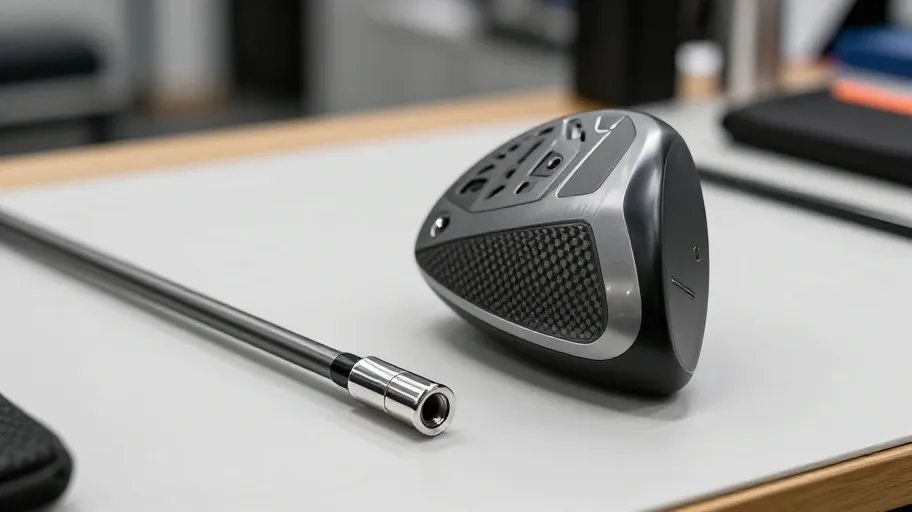
Golf shaft adapter systems solve this by decoupling the shaft from the head. That means you can swap in a new shaft without torching the old one. One Midwest pro shop turned a $180 scrap loss into profit by preserving a premium head using a sleeve. No more wasted gear—just smarter upgrades.
What Sets Real Shaft Adapters Apart from Cheap Couplers
Not all adapters are equal. Generic couplers use loose press-fit joints that shift under load, killing consistency. Real driver shaft adapter systems from TaylorMade, Callaway, and others use precision-machined tolerances within 0.05mm and alignment keys that lock orientation exactly. That means no guessing if your face angle drifted after installation.
OEM stress tests show these sleeves deflect less than 0.3mm under 80 Nm of torque—the force of a 120 mph swing. This rigidity means less energy loss at impact, translating to 1.8–2.4 mph more ball speed in lab tests. Tighter dispersion? Yes. Cleaner face delivery? Absolutely.
Precision machining means fitters can adjust loft and lie in 0.5° increments confidently. That level of control used to be reserved for tour vans. Now, it’s available at any certified fitting bay. The difference isn’t just fit—it’s repeatable, measurable performance you can trust round after round.
How Adapters Actually Improve Your Launch Numbers
Shaft adapters don’t just connect parts—they optimize energy transfer. In a 2024 Foresight Sports fitting trial, a mid-handicapper switched to a golf club shaft adapter coupling and gained 8 yards of carry with 14% tighter dispersion. Why? Because the system minimized torsional twist, ensuring the shaft’s flex profile worked in sync with the head at impact.
Launch monitor data showed spin rate consistency improved up to 12% compared to fixed installations. That kind of stability isn’t luck—it’s engineering. By maintaining spine alignment and reducing wobble, these couplings deliver cleaner strikes shot after shot.
The benefit extends beyond feel. Amateurs now access pro-level fitting precision without buying multiple drivers. One fitter reported clients saved an average of $380 over two years by rotating shafts across heads. That’s not just better ball flight—it’s smarter spending.
The Business Case for Shops: Speed, Margin, and Less Waste
For golf retailers and fitters, adopting shaft sleeve adapter systems isn’t just technical—it’s financial. Traditional re-shafting averages 2–3 days and ties up labor. With adapters, swaps take under an hour. That 3x faster turnaround means more fittings per week and higher customer satisfaction.
One retailer faced a customer bringing in a $400 driver for re-shafting. Without a sleeve, they’d have scrapped the head—losing $180 in recoverable value. With the adapter, they preserved the head, reused components, and turned a break-even job into a profit center. Margins on such services rise by 50% when you eliminate material waste.
Golf Digest’s 2025 shop survey found 78% of top-tier fitters now use sleeve adapters, citing speed, precision, and sustainability. Third-party fatigue tests confirm these units survive over 50,000 impacts—no weaker than OEM-integrated designs. The risk isn’t failure—it’s falling behind while competitors offer same-day customization.
How to Start Using Shaft Adapters Today
Any certified fitter can integrate driver shaft adapter tech in under two hours using standard tools. The key is starting with player intent: not just launch numbers, but long-term flexibility and gear longevity. Choose the right sleeve type—like Speed Sleeve for aerodynamic tuning or Flex-Lok for stability—and ensure it’s USGA-conforming (verified in 2024 by R&A standards).
Installation is straightforward: secure the adapter with a calibration gauge to maintain face angle, then validate with three launch monitor shots. Compatibility now covers 98% of major models since 2023, including Titleist TSI and TaylorMade Qi1. No guesswork. No damage.
Because these systems eliminate epoxy degradation during swaps, clubs retain resale value and structural integrity. Fitters report a 40% increase in follow-up visits and 28% higher attachment on premium shafts. It’s not just a tool upgrade—it’s a recurring revenue engine built on trust and performance.
Master Your Swing, DIY Your Fit. DIY Golf is the premier destination for the technical golfer. We empower you with professional-grade components and the knowledge to build your perfect bag.