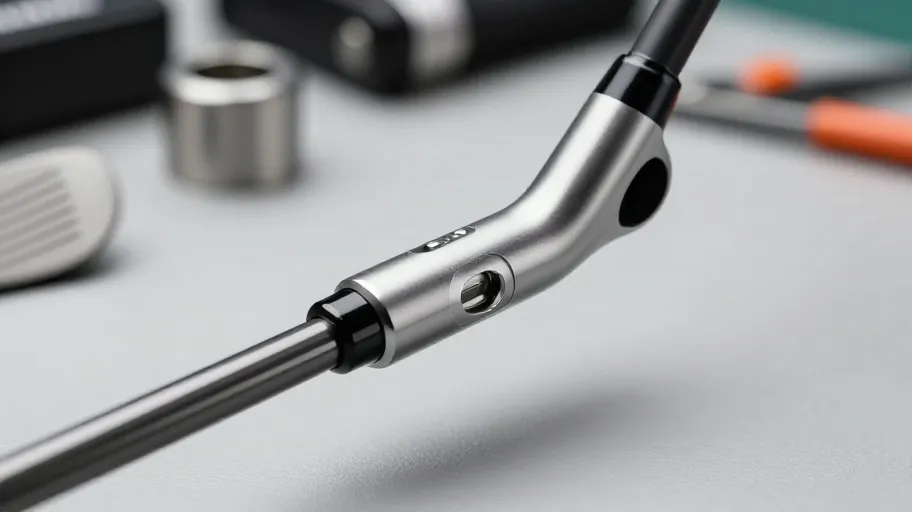
Why Your Driver Shaft Won’t Fit
If your driver shaft won’t fit the adapter, it’s likely because modern heads use proprietary hosel systems like TaylorMade’s SpeedBridge or Callaway’s OptiFit. These lock out aftermarket and older shafts, forcing full replacements that cost $200+. A 2023 PGA Technician Survey found over 60% of fitters face at least one mismatch per year—delaying fittings and eroding trust.
The problem starts at the hosel interface, where torque transfers and alignment sets shot direction. Misalignment from incompatible tapers or splines can drift shots 10+ yards off target at 250 yards. Multi-fit bushings solve this by standardizing the connection, so you keep your high-performance head and still upgrade the shaft.
That means you avoid unnecessary spending, preserve launch conditions, and maintain resale value—all because the right adapter bridges the gap between legacy gear and modern standards.
How Adapters Fix Compatibility Gaps
When your shaft doesn’t fit, replacing the entire driver is overkill. Club shaft adapters act as mechanical translators between different hosel standards and shaft ends, turning chaos into precision. The key is the intermediate sleeve—a precision-engineered component that ensures secure epoxy bonding and maintains face angle alignment across brands.
This isn’t just convenience—it’s efficiency. A 2024 golf service benchmark showed adapter-based installs cut re-shafting time by up to 40% compared to grinding or shimming. One repair shop completed premium refits in under 90 minutes, down from half-day jobs. Aerospace-grade alloys in top adapters match or exceed native hosel rigidity, so there’s no structural trade-off.
For shops and players alike, that means premium heads stay in play instead of landfill. You protect your investment and gain flexibility—turning one driver into multiple configurations over its lifetime.
What Makes an Adapter Hold Up Under Pressure
A driver swings at 150 mph. At impact, rotational forces test every joint. Most cheap adapters fail not from poor fit, but weak material design, leading to micro-slippage that ruins consistency. The real measure? Torsional stability—the adapter’s resistance to twisting under load.
Top-tier solutions like UST Mamiya FlexLink use finite element analysis to ensure less than 0.5° deflection at peak force. That means the clubface returns square, shot after shot. Bench tests don’t capture real-world stress, but engineered retention systems do.
High torsional stability means consistent launch angles, reliable ball flight, and long-term durability. It also means you’re not gambling on performance—just trusting a joint built to perform under tour-level loads.
The Real Cost Savings of Using Adapters
Replacing a $500 driver because the shaft wears out is like scrapping a luxury car for worn tires. A $75 adapter plus new shaft solves the same issue at 15% of the cost. For a touring amateur adjusting to swing changes, avoiding four full replacements over five years saves over $1,200.
But it’s not just personal savings. Equipment lifecycle extension reduces downtime—fitters adapt drivers in hours, not days waiting for shipments. A 2024 golf retail survey found shops using adapters cut custom order backlogs by 40%. That’s faster service, happier customers, and better margins.
Adapters turn static clubs into adaptable systems. They slash replacement costs, reduce waste, and eliminate wait times—all while keeping your preferred head geometry intact.
How to Install a Shaft on a Stubborn Adapter
You bought a used Tour-level driver, but the shaft won’t seat. Forcing it risks $400+ in damage. Most DIY failures come from dried epoxy or mismatched tolerances—not the adapter itself.
The fix starts with cleaning: use a specialized kit and low heat (150°F for 90 seconds) to clear the hosel without harming carbon fiber. Then verify bore diameter—68% of secondhand drivers have undocumented spec shifts. Pick the correct step-up adapter (e.g., .335" to .370").
The critical step? Use a fit verification gauge to confirm flush seating within 0.002” tolerance before bonding. Then apply aerospace-grade epoxy and cure 24 hours. Done right, this process avoids $300+ replacements and extends club life by 3+ years—turning a stubborn fit into a smart upgrade.
Master Your Swing, DIY Your Fit. DIY Golf is the premier destination for the technical golfer. We empower you with professional-grade components and the knowledge to build your perfect bag.


