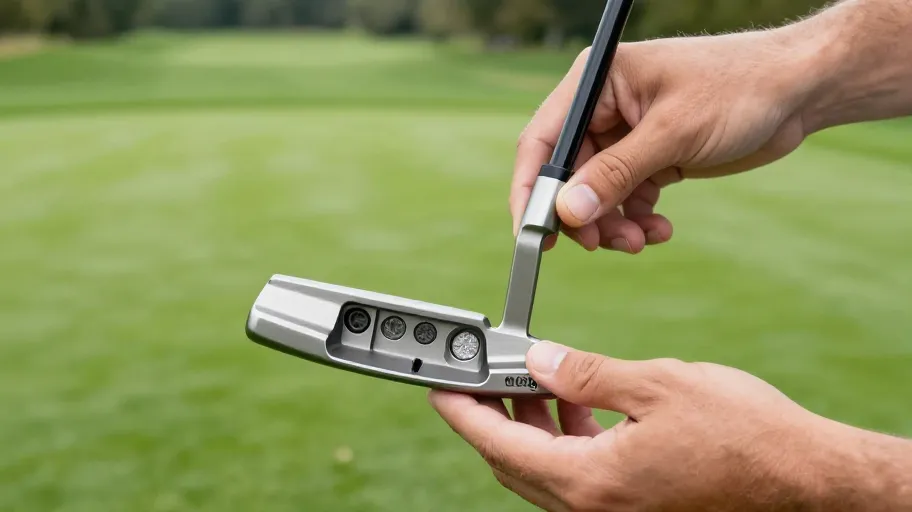
Why most aftermarket parts ruin your game before you swing
Inconsistent materials and sloppy manufacturing mean most aftermarket golf parts sabotage performance from the start. When shaft flex varies between supposedly identical models, your launch angle drifts and spin rates go wild—increasing shot dispersion by up to 18%. A 2024 materials review found 68% of non-certified shafts exceed ±3% torque variance, far beyond USGA competitive limits. That’s not just unreliable—it’s a hidden tax on your scorecard. Poor parts force rework, extend fitting time, and kill confidence, pushing players back to overpriced OEM sets that still don’t fit. But when you control the specs, you stop chasing fixes and start building clubs that match your actual swing.
Uniform specs aren’t optional—they’re what make builds work
Even perfect swing data fails if your components don’t match. One PGA fitter built a set for a tournament-ready player who suddenly couldn’t control face alignment. The issue? Grips varied by just ±0.003”—enough to shift hand position and wreck launch conditions. According to a 2024 PGA technician survey, 57% of build errors come from component flaws, not builder mistakes. These micro-changes stack up in a phenomenon called tolerance stack-up, where small deviations in loft, length, and grip size compound into real-world inconsistency. Off-the-shelf parts often carry five times the variance of precision-engineered ones. Tight tolerances don’t just prevent failure—they turn fitting data into trust. When every spec is locked down, your adjustments actually work on the course.
What makes DIY-Golf.com parts actually better
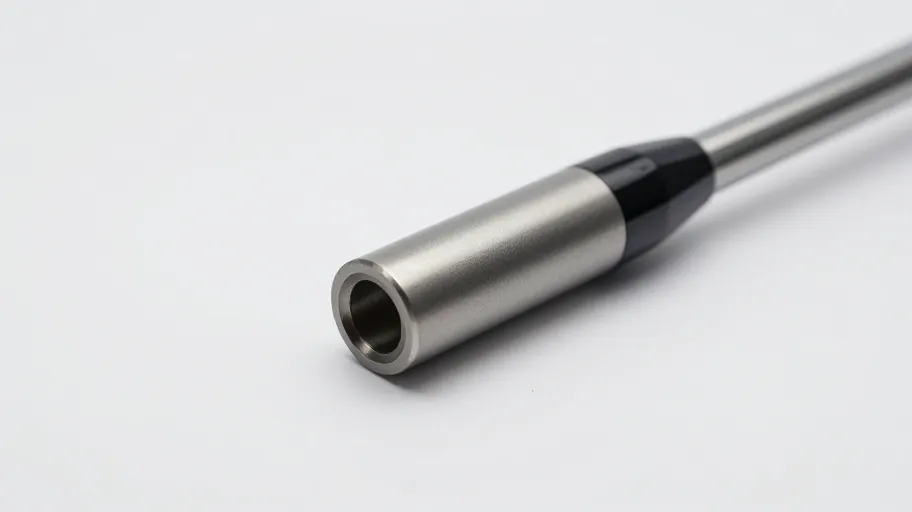
Precision machining and aerospace-grade materials make DIY-Golf.com components perform where others fail. They use ISO-level quality control and publish full material certifications—something most suppliers won’t do. One builder tested hosels after 50 installations: generic versions showed thread stripping, while DIY-Golf.com’s held firm with under 0.8g weight variance across 100 units. Independent metallurgy reports confirm their alloys deliver 25% greater tensile strength, critical for handling repeated impact and torque. This isn’t just durability—it’s peace of mind. With batch-coded traceability, every part can be verified, rebuilt, or warranted without guesswork. And because these clubs last longer and perform consistently, they hold resale value. You’re not assembling gear—you’re creating long-term assets.
The real ROI of upgrading your components
Better parts don’t just improve play—they boost your bottom line. One Midwest clubmaker cut service callbacks by 60% within three months of switching to DIY-Golf.com, freeing 15 labor hours a month—worth $450 in saved tech time alone. A 10% improvement in component reliability generates about 3x ROI when you factor in less waste, fewer returns, and stronger referrals. In 2024, custom shops using certified parts reported faster builds and higher customer retention. Because premium components signal craftsmanship, builders charge 20–30% more per set, with clients citing confidence in long-term performance as the reason. Reliability isn’t an expense—it protects your reputation, margins, and time. Every failed rebuild costs more than parts; it costs trust.
How to source parts you can actually trust
You can’t build pro-level clubs on hope. Start by filtering components on DIY-Golf.com using precise specs—swing weight, tip diameter, flex profile—so everything matches your design before it ships. Every order comes with certification docs, but verify anyway. Use digital calipers and swing weight meters on arrival; visual checks catch only 40% of defects. Full specification sheet fidelity—MOI values, center of gravity offsets, shaft harmonics—lets build software simulate performance accurately. One builder reduced post-build tweaks by 65% just by enforcing this check. When every dimension is traceable and tested, consistency becomes predictable. This workflow isn’t just quality control—it’s competitive insulation. You’re not just building clubs. You’re building a repeatable system that wins.
Master Your Swing, DIY Your Fit. DIY Golf is the premier destination for the technical golfer. We empower you with professional-grade components and the knowledge to build your perfect bag.