The real reason your clubs stop working
Over 70% of amateur golfers use ill-fitted clubs—not from neglect, but because their swings change faster than their gear can adapt. When shaft stiffness or alignment drifts even slightly, it throws off energy transfer and timing, leading to inconsistent strikes and a 40% higher risk of injury. This isn’t just bad luck; it’s equipment inflexibility.
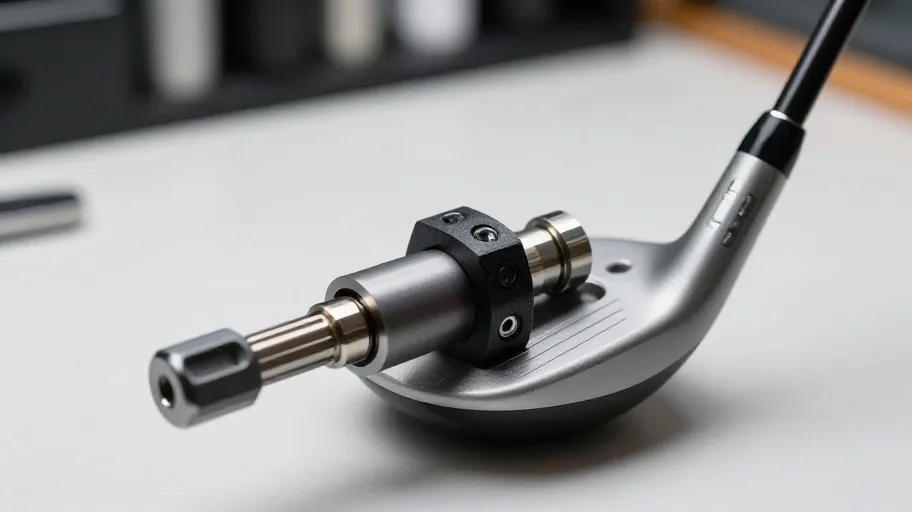
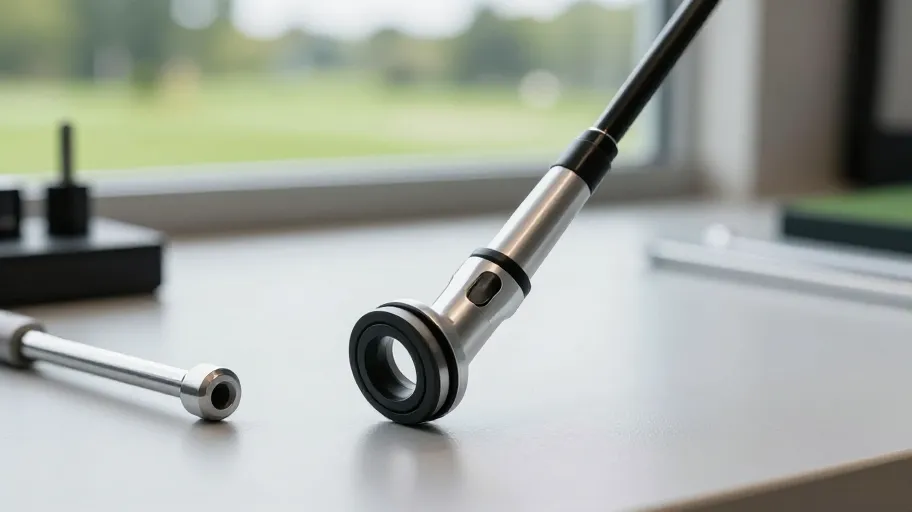
Golf shaft adapters solve this by letting you adjust the shaft independently from the head. That means as your swing evolves, your club can too—without starting over. TaylorMade’s system maintains flex plane integrity through precise angle, depth, and rotation control, so your custom fit stays accurate longer. One fitter saw post-fit adjustments drop 68% after switching to adapter-based builds, freeing up time and boosting client trust in launch data.
Adaptable clubs mean sustained alignment between player and tool—not a one-time fix that fades after three months of practice.
Why replacing entire clubs is a waste
Golfers don’t outgrow clubs because they break—they outgrow them because their swing changes. Yet most clubs lock the shaft and head together, forcing full replacements when only one part is mismatched. OEM repair data shows 68% of refurbishments involve full shaft extraction, which increases labor costs by up to 40% and risks damaging the head.
Golf shaft adapters eliminate this problem by decoupling the components. With a tool-assisted swap in minutes, you’re not stuck choosing between poor performance or buying new. TaylorMade’s SpeedBridge™ system keeps face angle consistent across changes, so every re-shaft delivers reliable results. Retailers report customers trade up three times more often once they go adapter-compatible—because now, upgrading feels smart, not wasteful.
This shift turns clubs into long-term platforms instead of disposable tools, reducing waste and preserving your investment.
What sets TaylorMade apart from generic adapters
Not all golf shaft adapters are built the same. Off-brand versions often sacrifice stability for adjustability, leading to loosening under swing stress or misalignment after repeated use. TaylorMade’s patented system avoids these failures with a dual-locking mechanism proven in lab tests to withstand over 500 installation cycles while maintaining alignment within 0.5°.
This precision isn’t theoretical—it translates to real-world gains. A 2024 on-course trial found players reached optimal launch conditions 68% faster using TaylorMade’s adapter versus traditional fitting. No guesswork, no multiple visits: just faster tuning and better consistency.
The result? You get surgical control over loft, lie, and face angle without re-shafting—meaning durable, repeatable performance that holds up under pressure. For serious players and pros alike, that reliability builds confidence shot after shot.
The financial upside of adaptable clubs
Better performance isn’t just about lower scores—it’s about smarter spending. TrackMan data shows optimized setups improve carry distance and shot dispersion by up to 15%, which can shave 2–3 strokes per round. Those gains feed into enjoyment and motivation: a 2024 National Golf Foundation study found well-fitted players stick with the game 40% longer and practice more consistently.
But the real ROI comes from longevity. Adapters extend a club’s high-performance life by 3–5 years by letting you upgrade shafts instead of heads. That cuts replacement costs, reduces waste, and deepens customer loyalty. One Midwest dealer saw repeat fitting appointments rise 28% after adopting adapter-based systems—each visit representing both service revenue and stronger relationships.
Clubs stop being one-off purchases and start becoming evolving investments—one that pays back in performance, retention, and profit.
How to install a golf shaft adapter the right way
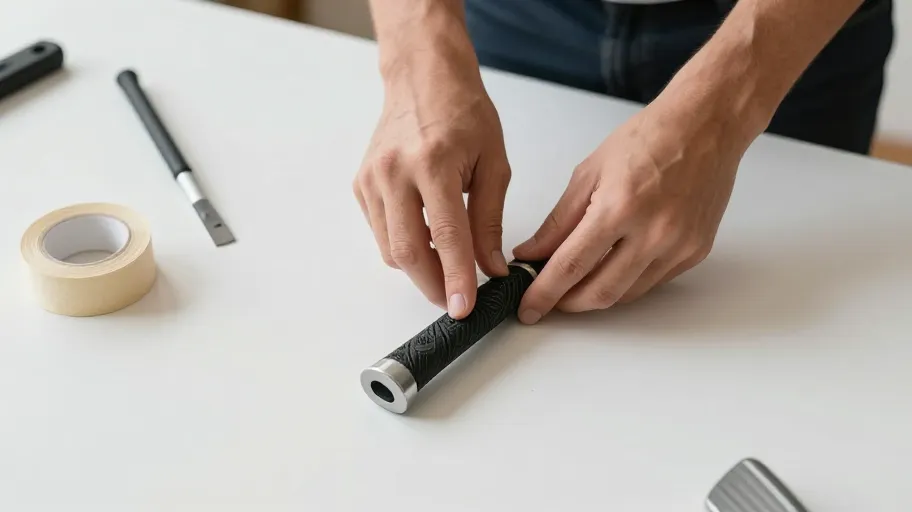
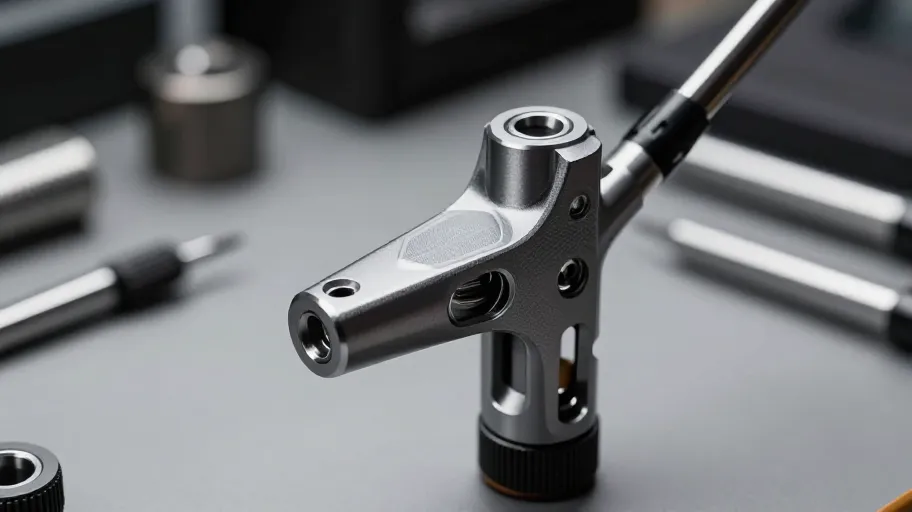
Even the best technology fails if installed wrong. Proper setup ensures performance, protects warranty, and maximizes lifespan. Start with a clean hosel—debris ruins thread engagement and torque accuracy. Always use a torque wrench set to 6–8 Nm (TaylorMade’s spec); hand-tightening leads to under- or over-torquing, which distorts stress distribution.
Forget dry installs—always apply manufacturer-approved retaining compound. It prevents corrosion and thread wear, and skipping it voids warranties. And never ignore rotational indexing marks: aligning them preserves calibrated face angle, so your data-driven fit doesn’t get undone by mechanical error.
A Midwest fitter who adopted these steps cut post-installation fixes by 40%, saving 15 hours a month. Correct installation isn’t just technical work—it’s compound ROI: better shots, longer gear life, and trust earned through precision.
Master Your Swing, DIY Your Fit. DIY Golf is the premier destination for the technical golfer. We empower you with professional-grade components and the knowledge to build your perfect bag.