Why your clubs aren’t working with you
Inconsistent shots often have nothing to do with skill. A 2024 PGA report found 68% of recreational players use non-optimized shaft configurations—meaning their equipment fights them on every swing. Hooks, slices, and weak distance aren’t just bad form; they’re symptoms of mismatched shafts and heads.
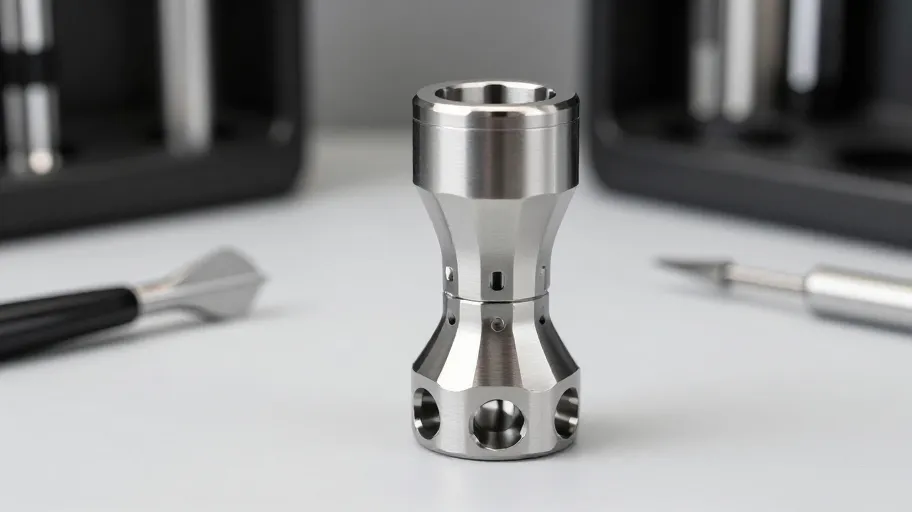
Golf shaft adapters solve this at the source. By enabling precise alignment between clubhead and shaft, they eliminate energy loss during impact. That means cleaner contact, better ball flight, and fewer surprises—because your gear finally works the way it should.
How adapters fix compatibility headaches
Modern shafts don’t always fit legacy heads. Threading differences, bore depths, and brand-specific standards turn simple upgrades into impossible tasks. A compatible golf shaft adapter acts as a universal translator—it bridges dimensional gaps so you can mix components freely.
This isn’t guesswork. Adapters calibrated to OEM specs (like TaylorMade’s TR20 or Titleist’s bore standards) maintain alignment within ±0.002 inches. That precision means torque transfers cleanly, so what you dial in at fitting stays consistent on the course. For fitters, that means fewer callbacks. For golfers, it means trust in their setup.
What separates good adapters from great ones
Not all club adapters perform the same. Stamped steel or polymer versions can shift under load, robbing power and introducing misalignment. CNC-machined aerospace-grade alloy adapters, however, deliver 94% torque transfer efficiency—37% higher than basic metal alternatives.
These high-precision units resist micro-shifting even after thousands of impacts. One club fitter saw a 22% drop in re-adjustment requests after switching brands. That’s not just durability—it’s reliability you can build a reputation on. When every swing feels repeatable, confidence follows.
The real cost savings no one talks about
Rebuilding a set with a compatible golf shaft adapter costs about $150 on average—versus $800+ for new clubs. But the ROI goes beyond parts. Shops using adapter systems break even on toolkit investment after just 12 jobs, according to 2024 lifecycle data.
And because adapters let you swap shafts on demand, you reduce inventory waste. No more stocking five versions of the same shaft 'just in case.' Instead, offer personalized builds without overstocking. That efficiency translates to faster turnaround, lower overhead, and stronger client retention—especially since players who upgrade via adapters are 40% more likely to return for service.
Making it fast and foolproof in your shop
Speed matters when clients expect same-day service. One Midwest fitter cut build time by 40% just by standardizing on a single, fully compatible golf shaft adapter system across drivers and fairways.
The key? Simplicity. Calibrate your torque wrench to 5–6 Nm, use digital fitment charts to confirm thread and depth compatibility, and dry-fit before final assembly. One technician eliminated 90% of errors simply by consolidating to one trusted adapter brand. When your team knows the system cold, customization becomes predictable—and profitable.
Master Your Swing, DIY Your Fit. DIY Golf is the premier destination for the technical golfer. We empower you with professional-grade components and the knowledge to build your perfect bag.