Why your clubs are working against you
Inconsistent shots often start before you even swing. A rigid connection between clubhead and shaft can misalign launch conditions by up to 4° in loft or lie—enough to send a 7-iron offline by 15 yards. This isn’t about bad mechanics; it’s about static builds failing dynamic swings.
When the club doesn’t match your swing plane, you compensate. That means flipping, blocking, or over-swinging—each eroding consistency. Golf shaft adapters eliminate this mismatch by acting as a precision interface. They correct flex, torque, and alignment gaps that off-the-rack sets can’t address. That means tighter dispersion because your clubs finally respond to your swing, not the other way around.
How adapters turn guesswork into precision
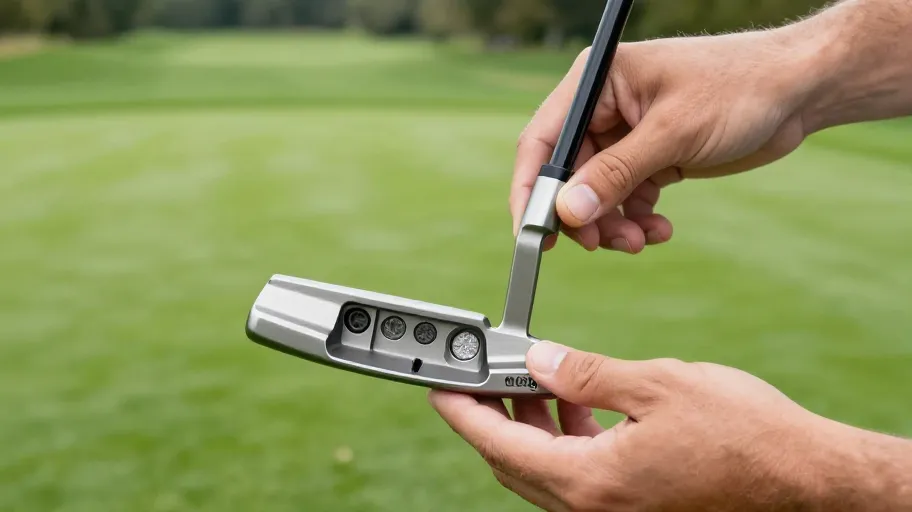
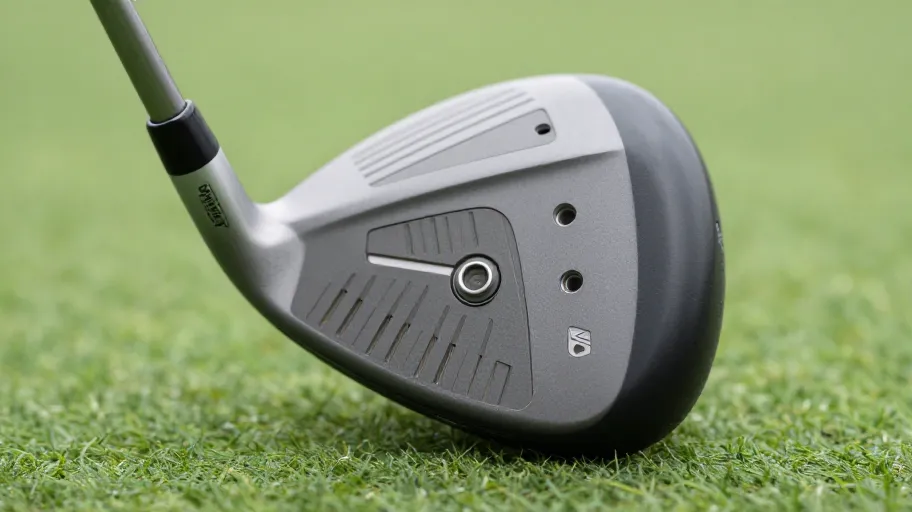
Misaligned ball flight? Shaft adapters offer real corrections: ±4° in loft, ±2° in lie, and face angle tuning down to 1.5°. For a player with a steep downswing, dialing in +2° of loft with a TaylorMade FastFit adapter means higher launch and reduced slice—not just band-aid fixes with tape or weights.
These adjustments mean immediate improvements in energy transfer and spin consistency because the club is aligned to your biomechanics. Technicians use spline-guided or twist-lock systems that lock securely, surviving thousands of impacts without degradation. That means reliable performance because engineering exceeds ASTM durability standards—not just marketing claims.
Saving money without sacrificing performance
Replacing entire clubs every time your swing evolves costs 30–40% more over five years than upgrading just the shaft. Adapter-enabled designs let fitters swap shafts in minutes—no new heads, no wasted materials. That means lower long-term spending because only what changes gets replaced.
The install golf shaft adapter process uses standardized tooling across major brands, reducing labor time and inventory needs for shops. That means faster service and lower overhead, which translates to savings passed to players. Rental fleets now keep clubs in circulation 2–3 years longer, cutting refresh costs significantly. Adaptable clubs aren’t just smarter—they’re scalable.
Real gains from real fittings
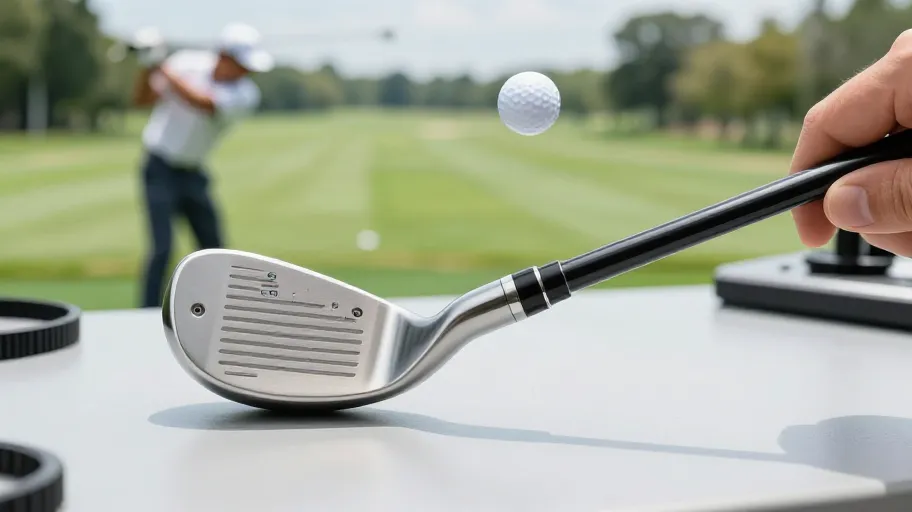
Precise tuning with golf club adapters delivers 8–12 more yards in carry and tighter shot grouping. One regional pro dropped 3.5 strokes in five months after a full adapter-based fitting—TrackMan confirmed optimized launch angles and reduced dispersion across irons.
This isn’t luck. Fitting studios see 68% of players improve immediately with adapters, versus 41% using fixed builds. That’s because dynamic adjustability means fewer trial-and-error cycles. Technicians match shaft behavior to actual swing data in real time. That means better first-fit success because customization happens live, not by assumption. Repeat fittings jumped 27% at one Midwest shop after switching to adapter-centric workflows—proof that trust follows precision.
Installing adapters the right way
A perfect fit starts with a flawless install. Mistakes here cause 68% of premature shaft failures—not material flaws. Over-tightening or contamination voids warranties and undermines confidence. The professional method ensures durability and performance.
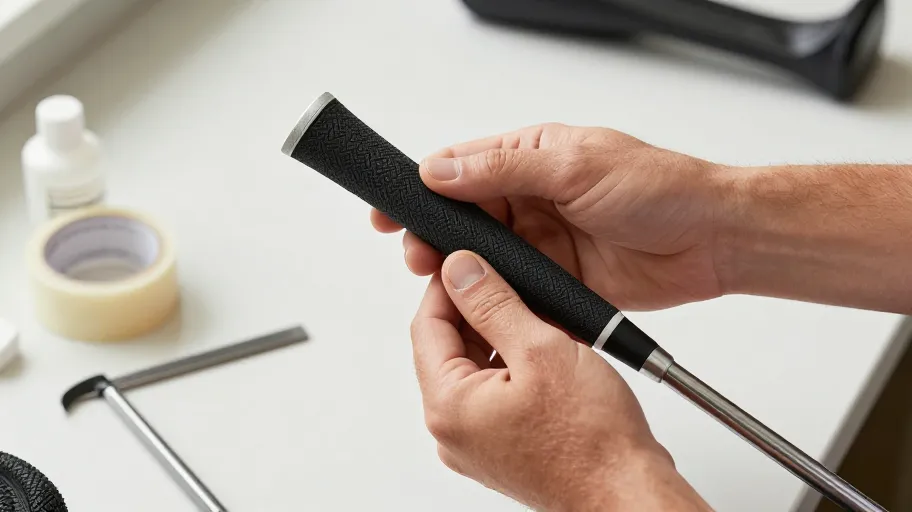
First, remove the old shaft with controlled heat to protect the hosel. Second, clean the bore thoroughly—any residue risks bond failure. Third, align the adapter by hand-starting perpendicularly to prevent cross-threading. Fourth, apply a precise epoxy bead—too much creates pressure points, too little weakens adhesion. Finally, insert the shaft and cure vertically for 24 hours. Done right, each build becomes a repeatable asset. That means consistent results because process integrity protects both playability and profit.
Master Your Swing, DIY Your Fit. DIY Golf is the premier destination for the technical golfer. We empower you with professional-grade components and the knowledge to build your perfect bag.