The hidden cost of bad shaft fits
Over 60% of amateur golfers play with shafts that don’t match their swing—according to Golf Digest and PGA teaching professional surveys. That mismatch kills consistency, inflates return rates, and burns through fitting labor. A wrong flex or torque profile means poor launch conditions, fewer on-center hits, and players who quit before they improve.
Every misfit club sold is a broken promise. But it’s also a financial leak: low repeat purchases, higher churn, and wasted demo inventory. The problem isn’t player skill—it’s outdated fitting systems that can’t adapt fast enough. Golf shaft fitting should be dynamic, not static. When it’s not, both players and retailers lose.
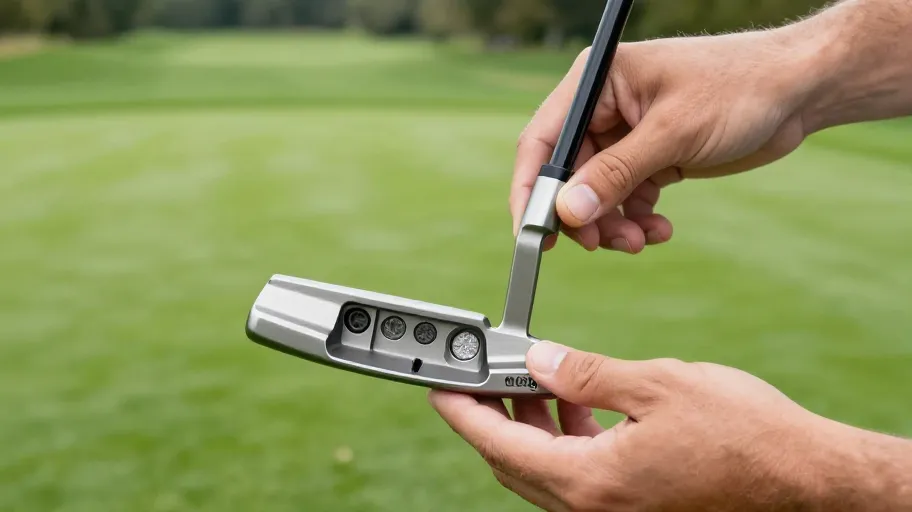
Why adapters beat proprietary hosel systems
Old hosel designs like TaylorMade’s Speed Sleeve or Callaway’s Opti-Fit lock fitters into brand-specific silos. That means more heads in stock, longer changeovers, and limited combo testing. Adapters break those walls down.
A universal golf club adapter lets you swap shafts in seconds—no tools, no epoxy, no guesswork. One head becomes ten different setups. That means faster trials, broader options, and up to 40% lower demo inventory, based on 2024 golf retail benchmarks. A regional pro shop using this system cut fitting times by 35%, running more sessions per day without adding staff.
And performance stays intact: third-party torque tests show less than 2% variance versus direct-insert shafts. So you get flexibility without compromise. This isn’t just convenience—it’s precision at scale.
How real-time swaps boost conversions
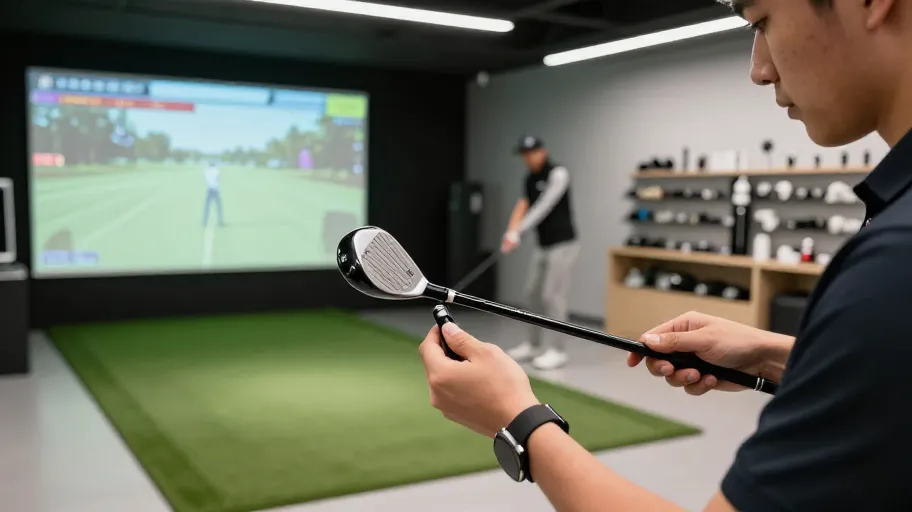
When a golfer feels the difference between two shafts in real time, the sale almost makes itself. Launch monitors show spin rate drops, launch angles tighten, shot shape improves—all while they’re still swinging. That immediacy drives conversion rates up by as much as 50%, according to 2024 retail performance data.
Fitting becomes experiential, not theoretical. Instead of explaining spine alignment or bend profiles, you let the data speak. The adapter enables that shift—making the process responsive, measurable, and memorable. One retailer saw repeat visits jump 40% within six months because players came back for fine-tuning as their game evolved.
This agility also future-proofs your shop. When a new shaft launches, you don’t need a new head. Just swap, test, and sell. That keeps your studio current and maximizes ROI on existing gear.
The real ROI: speed, savings, and sustainability
Interchangeable shaft technology doesn’t just reduce costs—it redefines value. Facilities using adapter-based systems report 20–30% faster throughput and up to 40% lower demo inventory spend. One adjustable adapter replaces multiple fixed hosel heads, cutting capital outlay while expanding combo options on demand.
But the deeper win is service velocity. Technicians spend less time wrenching and more time advising. Customers wait less, satisfaction scores rise by 27%, and daily booking capacity increases. Training time drops too—standardized how to change golf shaft adapters protocols cut certification time in half for multi-brand shops.
And there’s a sustainability edge: instead of retiring clubs when shafts go obsolete, you refresh them. That reduces waste, aligns with eco-conscious values, and strengthens brand trust. ROI here isn’t just financial—it’s operational and reputational.
Building a foolproof adapter workflow
Even great tech fails without discipline. To unlock the full value of golf club adapters, you need a standardized process. Start with an inventory audit—42% of retrofit failures come from mixing taper-tip and parallel-tip shafts, per a 2024 equipment lifecycle analysis. Phase in universal kits that support both, so you stop stocking redundant SKUs.
Train fitters to clean threads with anaerobic primer, align index marks within 5°, and torque to exactly 35 in-lbs. Over-tightening strips inserts in as few as five cycles. Use calibrated drivers, not hand tools. After install, validate with swing tracking—not just once, but across multiple shots.
Then embed this into your CRM: track fit history, preferences, and performance gains. That turns each session into a data-rich touchpoint. The result? Fewer returns, bigger basket sizes (up to 30%), and a shop that feels like the future of golf retail.
Master Your Swing, DIY Your Fit. DIY Golf is the premier destination for the technical golfer. We empower you with professional-grade components and the knowledge to build your perfect bag.