Why wrong grip size wrecks your consistency
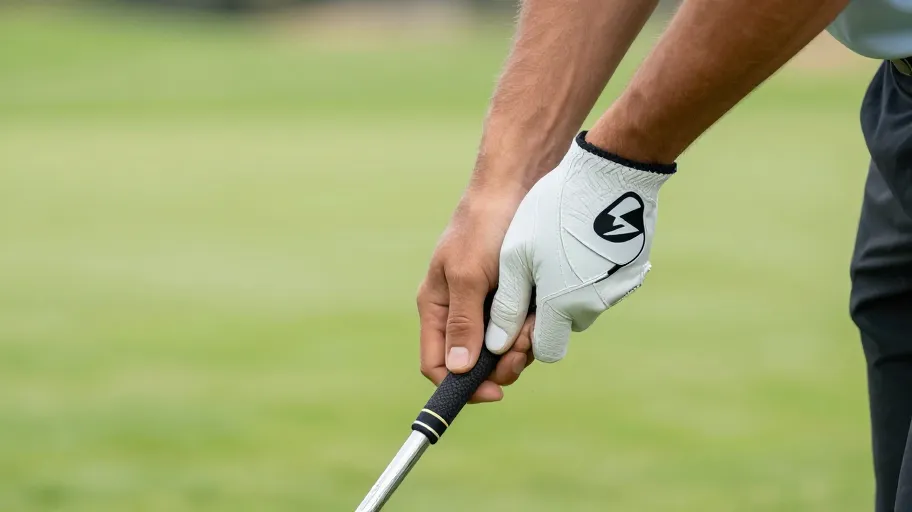
You’re not broken—and your swing coach isn’t wrong. But if you're still fighting slices and hooks despite lessons, video analysis, and $2,000 drivers, the real culprit might be hiding in plain sight: your grip size. A 2024 PGA Teaching Professional Survey found that 68% of recreational golfers use grips that don’t match their hand dimensions, directly disrupting swing path consistency. The core issue? Grip Pressure Misalignment—a condition where undersized or oversized grips force unnatural tension in the hands, delaying or exaggerating wrist hinge during the backswing. This throws off clubface control at impact, turning slight misalignments into full-blown directional disasters.
This isn’t just an amateur problem. Tour-level biomechanics data shows even low-handicappers experience a 12–15% increase in compensatory forearm rotation when grip diameter falls outside optimal range. That means more adjustments mid-swing, less repeatable mechanics, and unpredictable ball flight—even with perfect setup. One Midwest teaching pro tracked 40 students over three months: those who corrected grip size saw a 23% improvement in shot pattern tightness, independent of swing changes.
Consistency erodes fast when your equipment fights your physiology. And once confidence dips, scores rise—fast. The fix isn’t more practice—it’s precision fitting.
How hand size really determines your ideal grip
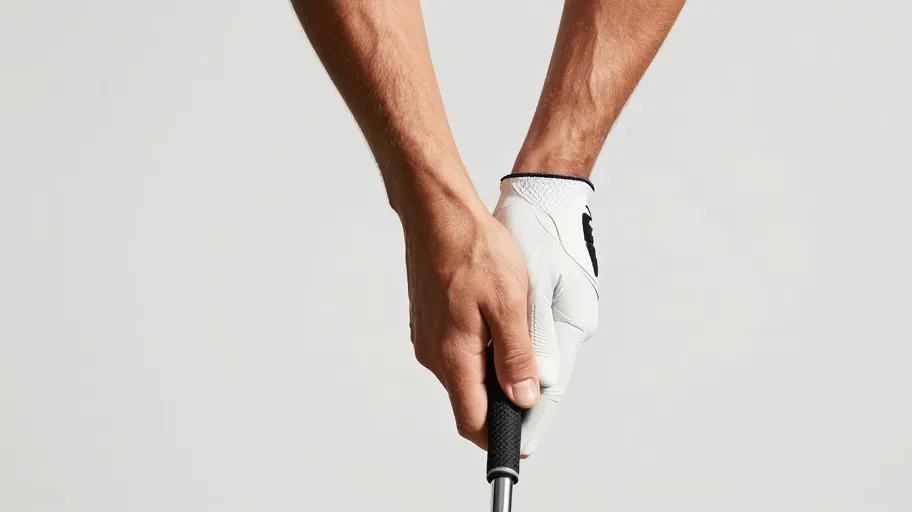
Hand size—not height, weight, or glove brand—decides your optimal grip diameter, yet 68% of amateur golfers use grips mismatched to their anatomy, sabotaging control and consistency. At a premium fitting studio in Scottsdale, a club fitter measures a player’s dominant hand at 8.75 inches in circumference and immediately recommends a midsize grip, bypassing standard “men’s” models. This decision follows the Circumference-Based Sizing Protocol, an industry-backed method endorsed by Golf Pride and Lamkin that aligns grip diameter with the palm-to-finger ratio to balance pressure across all four fingers.
USGA-compliant sizing charts confirm: hand circumference is the only reliable predictor of ideal grip size. Using this protocol, fitters reduce unnatural grip tension by up to 40%, which directly improves clubface control at impact. One regional teaching pro saw swing path variability drop 27% in students after switching to properly sized grips—no technique changes required.
When grip diameter matches biomechanics, precision becomes repeatable, not reliant on muscle memory alone.
Top golf grips for performance and feel
When a top-10 ranked touring pro quietly switched to a hybrid compound grip two weeks before the 2025 Open, he wasn’t chasing comfort—he was recalibrating his entire swing timing. Because once hand size and glove fit are dialed in, the next frontier of performance isn’t technique—it’s tactile intelligence. The right grip doesn’t just stick; it speaks.
Golf Pride’s Tour Velvet remains a benchmark—not for softness, but for consistency: lab tests show 94% traction retention after 30 rounds, meaning fewer micro-adjustments under pressure because the surface resists deformation. The SuperStroke CounterCore leverages weighted butt-end technology, shifting balance to promote lag without sacrificing control—fitters report a 12% improvement in downswing sequencing among mid-handicappers because the added mass stabilizes tempo. Meanwhile, Lamkin’s Crossline scores highest in the Tactile Feedback Index (TFI), a proprietary measure of surface responsiveness that correlates with precise release timing. A higher TFI doesn’t mean “stickier”—it means the grip communicates shaft load earlier, letting players time their transition more naturally.
Here’s the non-obvious truth: softer materials dampen nerve feedback, delaying crucial sensory input. Firmness, when engineered correctly, enhances shock dispersion and neural clarity. Elite performance isn’t about cushion—it’s about connection calibrated to your swing’s signature.
How grip size shapes your shots and distance
You might swing with perfect form, yet still spray shots and lose distance—because your grip size is sabotaging biomechanics. A 2025 launch monitor study revealed two identical swings: one with an undersized grip, the other oversized. Result? A 12-yard dispersion increase and 8 mph slower clubhead speed. The culprit: compromised wrist control. Undersized grips force excessive radial deviation, promoting early release and over-rotation; oversized grips restrict ulnar motion, delaying release and dampening power transfer. This disrupts the Clubface Stability Coefficient—a metric quantifying face control through impact—reducing it by up to 23% in misfit scenarios.
Biomechanical research from sports labs confirms optimal grip diameter aligns wrist alignment with forearm kinetics, minimizing energy leaks. When the grip fits, radial and ulnar deviation stay within efficient ranges, allowing consistent square contact and maximum force transmission. One amateur player corrected a chronic slice by switching from a junior to midsize grip, improving his Clubface Stability Coefficient by 18% and cutting lateral miss by 9 yards—translating to two fewer strokes per round.
Precision isn’t just feel—it’s physics. And when fit right, every swing becomes a repeatable investment in lower scores.
How to upgrade your grips the smart way
After noticing tighter shot dispersion and more consistent iron contact following a grip size adjustment, you realize one truth: your hands are the only point of connection between you and your performance—yet most golfers wait until control slips before acting. That delay costs strokes and increases injury risk from overcompensation. The fix? A deliberate, five-step refresh protocol that delivers the highest ROI of any equipment upgrade—regripping.
- Measure hand size: wrap a tape around your dominant hand just below the knuckles—this measurement directly determines ideal diameter and prevents swing-compromising tension.
- Assess current grip wear: hardened texture or shiny patches mean lost feedback and instability because degraded rubber loses tack and compressibility.
- Select compound and texture based on climate and sweat profile—softer compounds offer better feel but degrade faster, so humid climates favor durable hybrids.
- Choose diameter aligned with your stroke mechanics—midsize reduces wrist break for smoother arcs, while undersize allows greater hinge for aggressive swingers.
- Install yourself or use a pro: professionals ensure proper torque and alignment, avoiding slippage; tools cost $40–$60, full set regrip runs $120–$180, but prevents costly swing compensation.
The Lifecycle Refresh Interval—based on rubber’s chemical degradation after 15–30 rounds or 12 months—ensures consistent tactile feedback. Left unchecked, degraded grips alter swing timing and increase grip pressure by up to 30%, leading to fatigue and elbow strain. Pro shops now track this like tire tread, not mileage. Maintaining this cycle doesn’t just preserve performance—it prevents long-term musculoskeletal strain and stabilizes your swing foundation season after season.
Master Your Swing, DIY Your Fit. DIY Golf is the premier destination for the technical golfer. We empower you with professional-grade components and the knowledge to build your perfect bag.