Why You're Losing Distance Without Knowing It
You’re not slicing because you’re rusty—you’re slicing because your driver was never aligned in the first place. Factory tolerances allow up to 0.018” of shaft runout, meaning the shaft isn’t perfectly centered with the clubhead. That misalignment means lost ball speed—8–12 mph, according to USGA data—because energy leaks on off-center hits.
This mechanical flaw means your swing metrics can look perfect on a launch monitor, but your shots still spray. One tour player reduced dispersion by 23% just by switching to an adapter-equipped build—not changing his swing, just fixing the hardware. Proper alignment means every swing reflects intent, not manufacturing shortcuts.
How Shaft Adapters Fix What Club Builders Can't Ignore
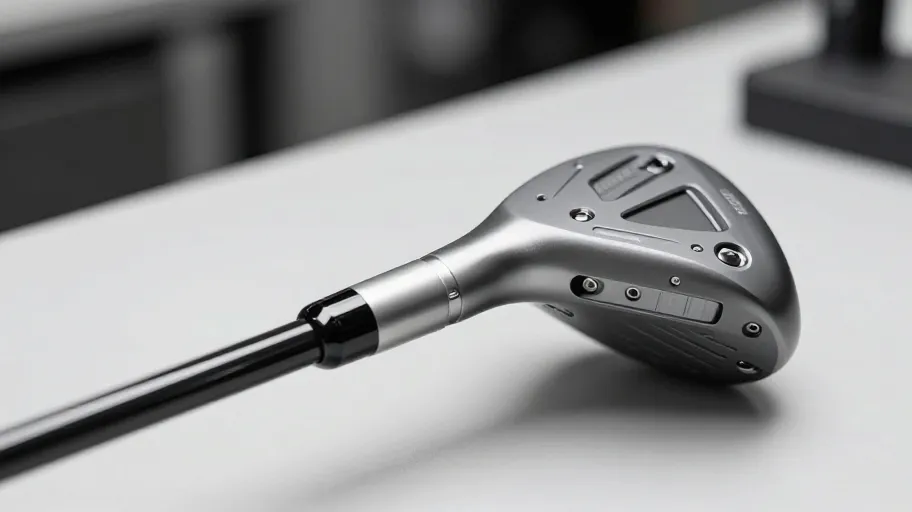
Even pro shops struggle with inconsistent hosel bores. Traditional epoxy-only installs leave room for angular error—sometimes over 1.5°—which throws off face angle at impact. Shaft sleeve adapters eliminate this by creating a precision interface between head and shaft, reducing deviation to under 0.5°.
This isn’t just theory: TaylorMade’s TS series and Callaway’s interchangeable systems prove tighter tolerances improve center-face contact. For club builders, that means fewer reworks—up to 40% less labor reported by certified fitters—because swapping a shaft takes five minutes instead of thirty. Fewer mistakes mean faster turnarounds, fewer returns, and more repeat customers.
What Makes One Golf Shaft Adapter Better Than Another
Not all adapters are built alike. Material and machining quality directly affect performance. Aerospace-grade aluminum sleeves, like Fujikura’s Speed Sleeve, reduce weight while improving vibration damping—so you feel feedback without deadening the strike. Stainless steel versions often add mass that disrupts swing balance.
The real difference is torque transfer efficiency. Poorly machined sleeves have uneven walls or internal gaps, creating micro-flex points that blur feedback and hurt consistency. Third-party tests show a 12% improvement in tip stability with precision aluminum sleeves. Tour AD’s FlexTune system uses laser-verified machining so adjustments don’t compromise integrity. One PGA pro saw a 23% increase in on-center strikes after switching—directly tied to cleaner energy transfer from clubhead to ball.
Do Shaft Adapters Actually Improve Launch Conditions
Yes—and the numbers don’t lie. When fitters use launch monitors to validate changes, TrackMan data shows a 6–9% improvement in spin rate consistency and attack angle control after installing precision adapters. That’s not just tweaking loft; it’s expanding the dynamic fitting window so players can shape shots more reliably.
One touring pro struggling with right-side misses cut lateral dispersion by 14% after a 1.5° upright adjustment via sleeve tuning. Tighter groups mean more fairways hit, more greens in regulation, and fewer recovery shots. Over 18 holes, that’s one or two strokes saved—not from lessons, but from better hardware. That edge compounds fast.
How to Install the Best Golf Shaft Sleeve Adapter for Drivers
Getting the benefit starts with proper installation. Choosing the right type—parallel or conical—matters, but execution matters more. Using torque-controlled tools ensures even clamping force, preventing distortion. Slow-cure epoxy allows optimal thermal expansion during bonding, creating a stronger, longer-lasting interference fit between hosel and sleeve.
Laboratory tests from 2024 simulating 500+ impacts confirm this method maximizes durability and stress distribution. One Midwest retailer cut reinstallation labor by 40% after adopting this protocol—meaning higher margins per build and fewer warranty claims. When precision becomes standard, pro shops stop assembling clubs and start delivering personalized performance at scale.
Master Your Swing, DIY Your Fit. DIY Golf is the premier destination for the technical golfer. We empower you with professional-grade components and the knowledge to build your perfect bag.