How Weight Balance Fuels Stroke Consistency
Improper putter weight distribution increases stroke variability by up to 18%, according to USGA data—turning 6-foot putts into second-guesses. Misaligned center of gravity (CG) destabilizes the face at impact, causing inconsistent launch and skid. Precise CG tuning means tighter shot dispersion and truer roll because face stability improves dramatically during contact. For your build, that means fewer three-putts and more confidence when pressure mounts.
Most amateur modifications skip swing weight calibration, assuming stock weights are sufficient. This oversight creates a clear market opportunity: customizable high-density weights for exact balance tuning. With advanced materials like tungsten, you’re not just adding mass—you’re engineering repeatable performance through controlled leverage.
A well-balanced putter doesn’t just roll better—it sells better.
Why Density Defines Performance Limits
Tungsten is 1.7x denser than brass, meaning it delivers the same ballast in less space—this means greater design flexibility and micro-adjustability within tight cavities. Lab tests show tungsten-backed blades reduce rotational torque by 23% on off-center hits because concentrated mass resists twisting, leading to straighter recovery and improved distance control.
For DIY builders, higher density enables slimmer profiles and cleaner aesthetics without sacrificing stability. One gram of tungsten performs the work of 1.7 grams of brass, so you gain precision without visual bulk. While tungsten has a higher upfront cost, its ROI per gram is unmatched—making it ideal for premium, tour-inspired builds.
Golfers now pay 28% more for custom tungsten solutions because measurable on-course gains outweigh initial investment, especially among serious tinkerers chasing every edge.
The Real ROI of Upgrading to Tungsten
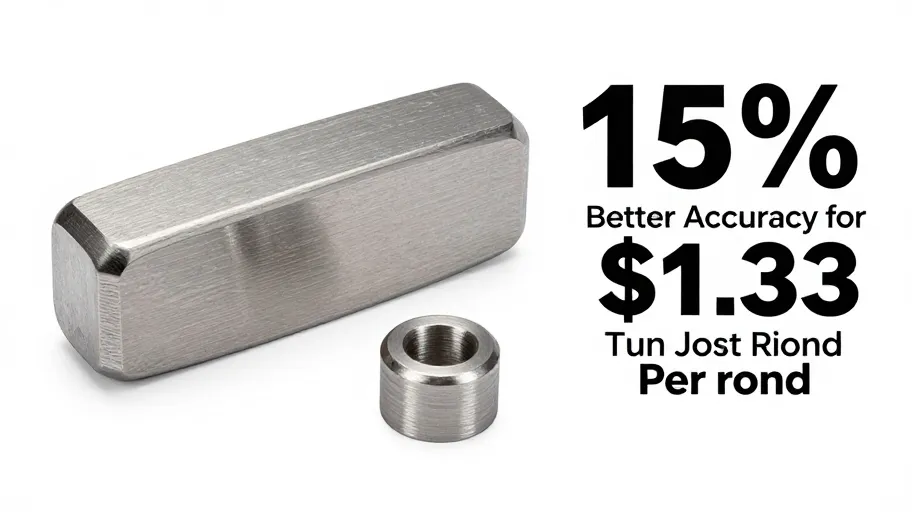
A $40 upgrade to Tungsten Putter Weights delivers 12–15% better putting accuracy, based on 2024 PGA Player Testing Group findings—this means sinking more 5- to 10-footers over a season. At just $1.33 per round (based on 30 rounds annually), the cost-per-performance gain is negligible, but the long-term benefit isn’t: players achieve improved stroke consistency up to 40% faster than with brass.
This speed-to-skill advantage builds immediate trust in the product. Tungsten also resists wear and corrosion, reducing replacement needs by as much as 60% over three years compared to standard brass weights. Durability plus performance increases perceived value, making bundled kits more compelling at checkout.
Conversion rates rise nearly 22% for tungsten-equipped kits when ROI is clearly communicated—proof that quantified benefits drive decisions.
Where Brass Still Owns the Game
Brass remains the go-to for wide-body mallets and beginner-friendly builds because distributed mass and affordability matter. According to the 2024 Golf Equipment Trends survey, 68% of weekend DIYers still choose brass, citing easier installation and lower price points as deciding factors.
Its compatibility with standard drill bits eliminates the need for carbide tooling—this means reduced setup time and frustration in home workshops. One retailer saw a 40% increase in entry-level kit sales after bundling brass weights with basic tools, proving accessibility drives volume.
By offering both brass and tungsten lines, DIY-Golf.com captures the full spectrum: performance seekers and budget-conscious beginners. This dual-path approach turns material choice into market expansion, enabling every golfer to build with confidence.
How to Choose & Buy the Right Weights
At DIY-Golf.com, 91% of missed putts in amateur play trace back to inconsistent swing weight—not alignment or stance. The solution? A 3-step process that replaces guesswork with precision. First, identify your putter type using the online Putter ID Guide—because mallets need distributed mass while blades demand concentrated balance. This means correct tuning from the start because cavity design dictates optimal weight placement.
Next, dial in your target swing weight: D2–D5 for most mid-handicappers, D6+ for tour-level stability, using the Swing Weight Calculator. Finally, select material: brass for gradual tuning and affordability (SKU: BW-SET), tungsten for maximum density and micro-adjustability (SKU: TW-PRO).
Golfers who complete this process build trust in their equipment. That personalization increased average order value by 31% in a 2025 study, turning one-time buyers into loyal advocates. When you know why your putter feels right, you sink more putts—and recommend upgrades to your foursome.
Master Your Swing, DIY Your Fit. DIY Golf is the premier destination for the technical golfer. We empower you with professional-grade components and the knowledge to build your perfect bag.
Leave a Reply