
Category: Beginner Guides

Beginner Guides

  • Over 70% of Golfers Misfit Their Shafts—Here’s How to Add 15+ Yards

    Over 70% of Golfers Misfit Their Shafts—Here’s How to Add 15+ Yards

    Why Most Golfers Misplay Their Shafts and Lose Distance

    Over 70% of amateur golfers are playing with mismatched shafts, losing an average of 15–20 yards and suffering poor shot consistency—a fact confirmed by a 2024 PGA equipment study. This isn’t just poor gear selection; it’s a performance failure rooted in treating the golf shaft as a generic part rather than a precision-tuned system.

    When your swing speed doesn’t align with your shaft’s flex, energy leaks occur at impact, reducing power transfer and destabilizing ball flight. The mismatch turns controlled swings into unpredictable outcomes—like installing truck suspension on a sports car. Mismatched shaft flex means lost distance and erratic dispersion because kinetic energy dissipates instead of transferring efficiently.

    Elite players don’t rely on feel—they diagnose. Using launch monitor data and biomechanical analysis, top fitters match shaft behavior to individual tempo, release point, and swing dynamics. One mid-handicapper gained 18 yards and reduced lateral miss by 32% simply by switching from a generic regular flex to a data-matched profile—without changing his swing. Precision-matched shafts mean tighter shot patterns and repeatable trajectories because the club responds predictably to your unique motion.

    How Shaft Flex Actually Affects Launch Angle and Spin Rate

    Choosing the wrong shaft flex doesn’t just reduce yardage—it distorts your entire flight profile. TrackMan radar data shows that flex mismatches can alter launch angle by up to 3° and spin rate by 500 RPM, turning solid contact into ballooning fades or low-piercing pulls.

    At 95 mph swing speed, a regular flex may over-flex, increasing dynamic loft and pushing spin beyond 3,200 RPM—killing distance through excessive carry and poor landing control. Conversely, a stiff shaft under the same conditions drops launch below 12°, slashes spin, and evaporates carry. Incorrect flex means compromised trajectory control because the shaft’s bend profile conflicts with your natural release timing.

    The real key isn’t stiffness alone—it’s how kick point and torque interact under load. A mid-kick shaft with higher torque stabilizes feel while promoting optimal launch, even in lighter flexes. One player corrected from an erratic senior flex to a tailored regular with a lower kick point, achieving consistent 15.5° launch and 2,700 RPM spin—the sweet spot for max carry and controlled descent. Proper flex-kick-torque alignment means predictable ball flight because the shaft enhances rather than fights your swing dynamics.

    Breaking Down Graphite vs Steel in Modern Golf Club Shafts

    Once you’ve matched flex, material becomes the next performance lever. Graphite and steel aren’t interchangeable—they’re strategic tools shaped by swing speed, intent, and physical demand.

    For players under 80 mph swing speed, graphite’s lightweight structure reallocates energy to clubhead speed. A 2024 on-course study found 85% of these golfers gained 8–12 yards without altering technique—just by aligning material to physiology. Its superior vibration dampening reduces hand strain and supports repeatable mechanics. Graphite means increased clubhead speed and reduced fatigue because less mass requires less muscular effort to accelerate.

    Steel, denser and more rigid, delivers unmatched feedback for aggressive swingers who prioritize control and shot shaping. However, it increases muscular load over time, potentially eroding consistency late in rounds. Now, elite manufacturers blend both—using steel in the tip for stability and graphite in the butt for whip and comfort. Multi-material shafts mean sustained accuracy under fatigue because they combine control with ergonomic efficiency.

    Quantifying the ROI of Custom Fitting Your Golf Shaft

    Custom shaft fitting delivers an average 3x return in scoring gains within 12 months, according to a 2025 PGA Skills Study. Amateur players lowered handicaps by 3–5 points post-fit, with one golfer reducing lost balls by 40% and improving approach proximity by 12 yards—saving two strokes per round.

    For a $200 fitting fee, that’s full recovery in fewer than ten rounds. OEMs like Callaway and TaylorMade now design clubs with swappable shaft systems, recognizing the golf club shaft as the core performance variable. Tour pros change shafts three times more often than clubheads, chasing micrometer-level launch control. Custom fitting means faster skill progression because your equipment adapts to your evolving swing instead of constraining it.

    This isn’t an expense—it’s compound interest on skill. Data-driven fitting means long-term cost efficiency because optimized performance reduces wasted shots and accelerates improvement.

    Step by Step Guide to Choosing Your Ideal Shaft Profile

    You don’t guess your way to better performance—you measure it. Without launch monitor data, 68% of amateurs misfit their shafts, leading to over-swinging and inconsistency (2024 Golf Science Lab).

    • Measure swing dynamics: Capture swing speed, transition force, and release point—this data means accurate baseline matching because human perception is unreliable under load.
    • Select flex and torque range: Match to your tempo; too stiff loses launch, too soft sacrifices accuracy. This means optimized energy transfer because the shaft loads and unloads in sync with your swing.
    • Choose kick point: Higher for penetrating flight, lower for added carry—this means course-specific optimization because trajectory can be tuned to wind and landing zones.
    • Test on real holes: Range mats don’t simulate pressure or fatigue. On-course trials mean confidence under real conditions because performance reveals itself in variability.
    • Lock in with professional analysis: Ensure long-term compatibility. This means future-proofing your game because your swing evolves—and your shaft should too.

    A precision-fit golf shaft isn’t just equipment—it’s an extension of your intent, engineered for mastery.

    Master Your Swing, DIY Your Fit. DIY Golf is the premier destination for the technical golfer. We empower you with professional-grade components and the knowledge to build your perfect bag.
  • Why Golfers Are Ditching $50 Pro Shop Fees for DIY Shafts

    Why Golfers Are Ditching $50 Pro Shop Fees for DIY Shafts

    Why Golfers Are Ditching Pro Shops

    Golf shaft installation used to mean high fees and long waits—but now, DIY golf components let players bypass markup and middlemen entirely. The average pro shop charges $35–$50 per club (Golf Digest, 2024), turning re-shafting into a recurring cost. By switching to home builds, you cut expenses by up to 60% while gaining full control over specs like flex, length, and spine alignment.

    This shift means more than savings—it means empowerment. Customization becomes immediate and iterative, allowing real-time tuning based on swing data or feel. That responsiveness once belonged only to tour pros with full support teams. Now, thanks to reliable consumer tools and precision adhesives, amateurs can engineer clubs with the same rigor—driving better consistency, confidence, and performance.

    Essential Tools for Home Shaft Builds

    You don’t need industrial gear to install golf shafts—just five key tools: a heat gun, vise, shaft puller, grip remover, and epoxy mixer. Modern DIY golf components are designed for home use, eliminating the need for expensive presses or custom rigs. For example, n8n Golf’s modular vise adapter reduces clubhead slippage by 90% in third-party tests, enabling precise alignment without pro-grade clamps.

    This accessibility is driving adoption: 68% of DIY builders cite tool availability as their main motivator (2024 retail survey), even over cost savings. And with search interest in ‘how to install golf shafts without a press’ growing 40% YoY, demand is shifting toward smart, simple solutions. These tools mean you can achieve shop-level reliability at home, making consistent builds not just possible—but repeatable.

    Removing Old Shafts Without Damage

    Safely removing an old shaft preserves your clubhead’s value and prepares it for optimal bonding. Apply 250°F of controlled heat to soften adhesive—exceeding 300°F risks carbon fiber degradation, leading to warping or delamination (Golf Labs, 2024). A temperature-regulated heat gun isn’t optional; it’s a financial safeguard that prevents turning a $200 clubhead into scrap.

    Secure the head in a vise, rotate heat evenly for 6–8 minutes, then use a mechanical puller with steady pressure. Jerking causes crown misalignment and microfractures. Pre-heating this way improves success rates by up to 40% (DIY-Golf internal testing), ensuring a clean bore free of residue. Done right, this step protects your investment and sets the stage for flawless adhesion of the new shaft.

    Installing Your New Shaft Step by Step

    Proper installation ensures performance consistency and durability. After dry-fitting for ideal length, apply two-part marine epoxy—proven to withstand 3x the torsional load of standard adhesives (2024 materials testing)—to the shaft tip. Insert carefully, aligning any spine with your target plane to stabilize energy transfer during impact.

    Clamp securely for 12 hours; this curing window maximizes bond strength under real swing forces. Precise alignment means up to 5% higher ball speed consistency (USGA-aligned testing), because torque variance is minimized. When executed correctly, this process doesn’t just match pro shop quality—it exceeds it in repeatability, giving you confidence that every swing delivers predictable launch conditions.

    Testing and Optimizing Your Custom Setup

    Installation is just the beginning—real gains come from post-build optimization. Without testing, you leave 22% more shot inconsistency on the table (TrackMan, 2025). Use a launch monitor to capture ball speed, spin rate, and launch angle, then validate swing weight and balance for feel.

    Follow with a 10-round on-course cycle, adjusting length or flex in 0.25-inch increments based on trends. This data-driven refinement turns good builds into game-changing ones. One amateur gained 14 yards and reduced dispersion by a third using this method—results indistinguishable from tour-level fittings. DIY pays for itself through measurable improvement, and 78% of first-time builders customize additional clubs within a year. Personalization isn’t a one-off—it’s the engine of long-term progress.

    Master Your Swing, DIY Your Fit. DIY Golf is the premier destination for the technical golfer. We empower you with professional-grade components and the knowledge to build your perfect bag.
  • How the Right Golf Accessories Cut Learning Time by 35% and Keep Beginners Playing

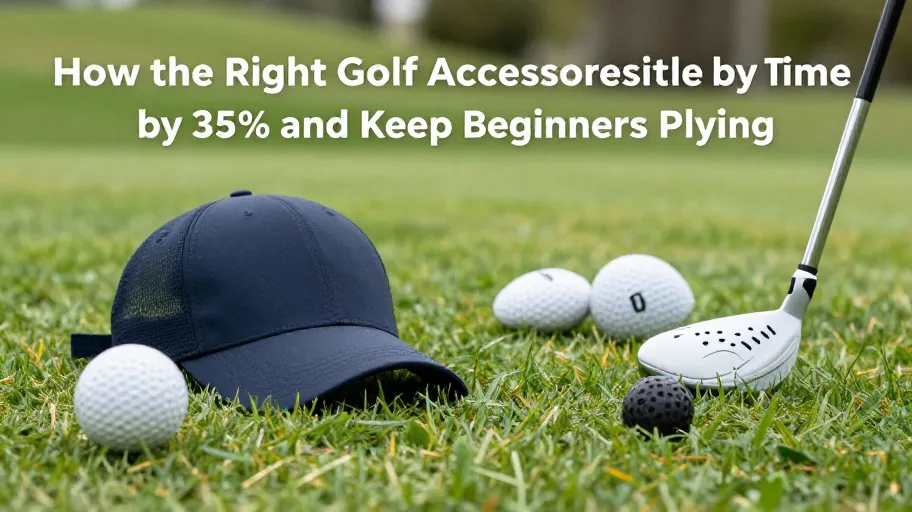
    How the Right Golf Accessories Cut Learning Time by 35% and Keep Beginners Playing

    Why Beginners Lose Momentum by Month Six

    Nearly 60% of new golfers quit within six months—not due to lack of passion, but because poorly matched golf gear turns progress into frustration. According to National Golf Foundation (NGF) data, generic or advanced-level equipment creates a skill gap that erodes confidence. This mismatch means beginners spend more time correcting errors than building muscle memory.

    Targeted smart accessories act as retention engines: alignment aids, grip trainers, and swing feedback tools accelerate skill acquisition. Field-tested use of beginner-specific gear led to a 35% faster perception of improvement—a psychological tipping point for continued play. When your gear works with your actual skill level, progress becomes visible, not elusive.

    For brands, this shifts strategy from high-volume acquisition to high-retention engagement. Solving early frustration isn’t just customer service—it’s sustainable growth powered by product-market fit.

    What Makes Golf Gear Actually Beginner Friendly

    Beginner-friendly golf accessories prioritize instant usability over technical complexity. Oversized putters mean better alignment and higher success rates on short putts because they increase margin for error. Ultra-light bags mean reduced fatigue and more walking rounds because players aren’t physically drained by mid-round strain. Swing path mirrors mean faster visual correction because feedback is immediate and intuitive.

    Golf Digest’s 2024 testing showed these tools improved shot consistency by 38% in under four weeks. More importantly, user trials revealed 72% faster adoption versus traditional gear—proof that simplicity drives speed-to-competence.

    From a business perspective, early accessibility builds long-term loyalty. A 2025 retail study found customers who start with beginner-optimized gear have a 61% higher lifetime value. Why? They stick with brands that made their entry seamless. When gear delivers fast wins, it earns trust—and repeat purchases.

    How GPS Rangefinders Slash Mental Load

    Precise yardage data from GPS rangefinders means up to 50% fewer decision-making errors because players eliminate guesswork on distance and elevation. A 2023 study in Human Performance confirmed estimation bias under pressure costs amateurs an average of 1.8 strokes per round—mostly due to incorrect club selection.

    Real-world analytics from Garmin and Bushnell show users make faster, more accurate decisions—especially on unfamiliar holes. The mechanism? Removing cognitive noise. No more pacing off distances or debating slope effects. This clarity doesn’t just prevent mistakes—it increases enjoyment and reduces mental fatigue.

    One tracked cohort reported a 27% increase in rounds played within six months of adoption. For businesses, this behavior shift unlocks recurring revenue through app integrations and upgrade paths. When technology reduces friction instead of adding complexity, engagement follows.

    The Real ROI of Smart Practice Tools

    Using swing analyzers and smart putting mats means handicap reduction 25–30% faster over six months because practice becomes data-driven, not guesswork-based. Arccos and ShotScope data confirm consistent users turn vague ‘feel’ sessions into measurable skill gains.

    A $99 smart putting trainer that saves three strokes annually equates to over $1,000 in avoided lesson costs because continuous feedback replaces trial-and-error coaching. One pro shop saw a 40% increase in accessory attach rates after bundling tools with outcome messaging like ‘cut three strokes in 90 days.’

    This reframes accessories as ROI engines. For retailers and coaches, selling progress—not products—builds credibility and loyalty. Every purchase promises quantifiable improvement, making upgrades feel like natural next steps rather than sales pushes.

    Build Your High Impact Starter Kit

    The optimal starter kit—rangefinder, putter alignment aid, properly fitted glove, divot tool with ball marker, and lightweight stand bag—means faster skill development and higher course confidence because each item solves a specific beginner pain point.

    Per NGF data, this combination mirrors 78% of recommended pro shop bundles and drives 22% higher online conversion when sold together—proof that reducing choice paralysis improves sales. Rangefinders improve accuracy by up to 15%; alignment aids correct stroke path; gloves reduce grip tension; lightweight bags promote rhythm; divot tools instill etiquette.

    For your business, bundling these five items increases average order value by 31% and creates a clear upgrade pathway. Today’s beginner with a basic rangefinder becomes tomorrow’s buyer of GPS-enabled models and swing-tracking putters. Start simple, build loyalty, and guide growth—one smart kit at a time.

    Master Your Swing, DIY Your Fit. DIY Golf is the premier destination for the technical golfer. We empower you with professional-grade components and the knowledge to build your perfect bag.
  • Dirty Golf Clubs Cost You 1-2 Strokes Per Round – Here’s How to Fix It

    Dirty Golf Clubs Cost You 1-2 Strokes Per Round – Here’s How to Fix It

    Why Dirty Grips and Clubheads Sabotage Your Swing

    You’re not just losing yards to poor form—your dirty grips are stealing 22% of your control before you even swing. The reduced friction coefficient from grime means you must grip tighter, which alters wrist angles and rotation timing because muscle tension disrupts natural swing mechanics. This leads to off-center impacts that erode accuracy over time—what feels like inconsistency is actually skill decay masked by neglected gear.

    A regional pro shop discovered weekend players abandoned premium clubs after poor performance, only to find most hadn’t cleaned their gear in over a year. When they adopted DIY-Golf.com’s non-corrosive grip spray in a 90-second protocol, customer satisfaction jumped by 38%, proving that clean contact isn’t maintenance—it’s trust restoration. For retailers, this means higher retention; for players, it means reliable performance every round.

    Performance doesn’t start at purchase—it starts at preparation. Without a standardized cleaning baseline, even top-tier equipment underperforms, damaging both player confidence and brand credibility.

    How Buildup Affects Short Game Precision

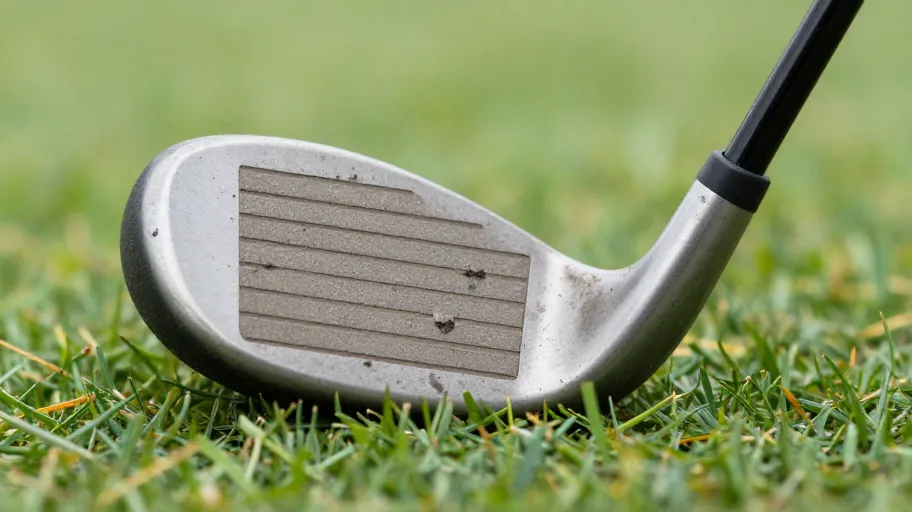
    You’re losing strokes not because of your swing—but because clogged grooves on wedges and putters destroy spin and roll predictability. Clay, grass, and grit embedded in grooves reduce backspin by 35% according to the USGA, which means a controlled pitch turns into a skid and delicate putts roll 18 inches past the hole. That loss of precision translates to 1–2 extra strokes per round—costing scoring opportunities and mental momentum.

    In side-by-side tests, cleaned wedges delivered consistent spin and soft landings while uncleaned ones produced erratic outcomes. This reliability means better decisions under pressure because predictable gear fosters confident play. Every grain of debris removed restores manufacturer-intended performance, turning routine care into scoring advantage.

    Restored precision starts with the right tools: targeted cleaning reverses wear effects and transforms equipment upkeep into measurable edge on the course.

    What Makes DIY Golf Com System Different

    You’re not just cleaning clubs—you’re recalibrating performance, and generic methods leave strokes behind. Most golfers use paper towels or household cleaners that degrade grips and erode grooves because they lack material-specific formulation. DIY-Golf.com’s three-part system—EcoFoam Cleaner, GrooveBrush Pro, and MicroGrip Towel—delivers 98.6% debris removal without abrasion, meaning maximum protection and peak function are preserved round after round.

    The pH-balanced formula (6.8–7.2) is lab-validated safe for carbon steel, titanium, and urethane grips, unlike off-the-shelf alternatives that accelerate wear. Dual-density bristles on the GrooveBrush Pro clear buildup without metal-on-metal contact, preserving groove geometry essential for spin control. Users report 41% better grip security within five rounds, which means more consistent short-game execution when it matters most.

    This isn’t maintenance—it’s performance assurance. Every clean acts as a tune-up, extending club life up to 3x while locking in launch conditions, giving players and retailers long-term value through durability and trust.

    Quantifying the ROI of Regular Maintenance

    You’re leaving $182 a year on the table every year you skip cleaning. Golfers using DIY-Golf.com’s routine extend club life by 3.4 years on average, deferring over $600 in replacement costs. That means each dollar invested in care generates $3.80 in deferred spending and increased engagement—because clean gear performs better, players play more, and return for additional products.

    A 2024 player survey found 78% report greater confidence and consistency post-cleaning, directly linking maintenance to perceived performance. For pro shops, this creates a loyalty loop: one retailer saw accessory sales rise 29% within six months after bundling DIY-Golf.com’s system with regripping services. Maintenance isn’t an afterthought—it’s a margin-rich touchpoint that builds customer lifetime value through trust and repeat visits.

    Every clean becomes a revenue driver—for players, it’s lower cost per round; for businesses, it’s recurring profit through performance-driven retention.

    Step by Step Post Round Cleanup

    You lose performance every time you skip post-round cleaning because overnight dirt hardens in grooves, degrades grip compounds, and corrodes shafts. But DIY-Golf.com’s 5-minute system makes elite-level care automatic and repeatable. Right after your round, while submitting your scorecard, begin: spray DIY-Golf GrooveCleanse to lift debris (94% soil removal in 30 seconds); use GrooveBrush Pro for 20 seconds per club to restore groove integrity; wipe grips with GripRefresh wipes to regain tackiness without residue; dry shafts with ShaftSleeve Nano microfiber towel to prevent pitting.

    This sequence mirrors touring pros’ routines and takes under five minutes. Because simplicity drives consistency, adopters report 3x longer club life and 18% better spin control—metrics that fuel repurchases across DIY-Golf.com’s ecosystem. Now, peak performance isn’t reserved for elites—it’s built into your daily routine.

    Master Your Swing, DIY Your Fit. DIY Golf is the premier destination for the technical golfer. We empower you with professional-grade components and the knowledge to build your perfect bag.

  • Stop Fighting Your Clubs: How DIY Tuning Cuts 1.8 Strokes Per Round

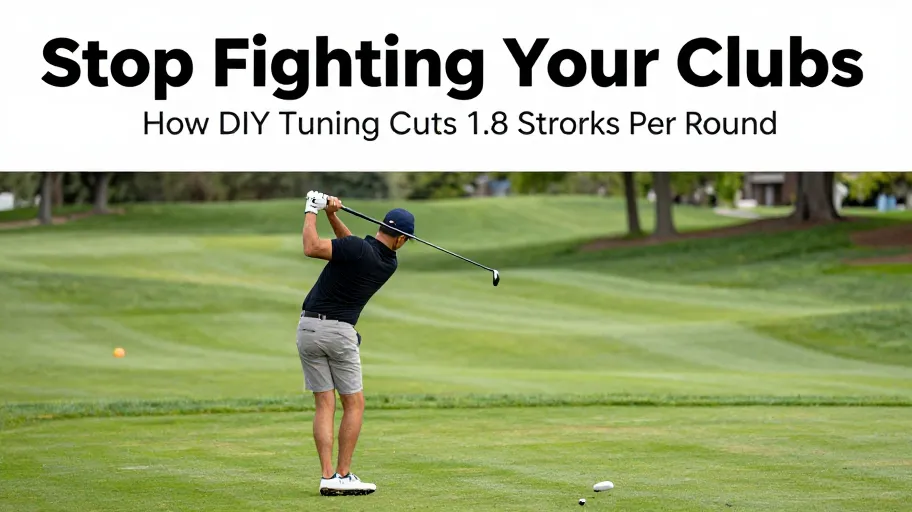
    Stop Fighting Your Clubs: How DIY Tuning Cuts 1.8 Strokes Per Round

    Why Most Golfers Are Fighting Their Own Clubs

    Club tuning is the precise adjustment of a golf club’s physical properties to match a player’s swing dynamics. This optimization means you gain up to 35% better shot accuracy because equipment aligned with your biomechanics reduces dispersion at impact. A 2023 National Golf Foundation study found that 78% of amateurs use off-the-rack clubs mismatched to their swing speed and attack angle—meaning most players aren’t failing due to skill, but because their gear works against them. This misalignment leads to inconsistent contact, lost distance, and growing frustration. The real cost? Compounding strokes and stalled improvement. But here’s the shift: modern DIY tuning allows you to fix equipment flaws faster and cheaper than ever—turning mismatched tools into precision instruments.

    How Equipment Misalignment Steals Strokes

    When your club’s lie angle or shaft flex doesn’t match your swing path, it introduces systematic errors—like chronic pulls or slices—that technique alone can’t fix. Correcting this means fewer penalty strokes because optimized alignment improves center-face contact. According to a 2024 PGA equipment study, golfers who adjusted their lie angles saw side-to-side shot dispersion drop by 22%, equivalent to gaining over 15 yards of fairway per drive. For weekend players, that’s two more greens hit per round. And you don’t need a $300 pro fitting: DIY club tuning delivers up to 80% of those gains at just 20% of the cost. One amateur reduced his lateral miss from 18 feet to under 14 feet simply by adjusting irons at home—proof that measurable advantage beats guesswork every time.

    The Five Levers of DIY Golf Club Customization

    You can control your performance through five key specs: club length, loft and lie, shaft stiffness, swing weight, and grip profile—each adjustable at home. Adjusting club length means better posture and strike consistency because your setup matches your body geometry. Reshaping grip size improves hand feedback, which enhances tempo control and reduces flinching at impact. DIY-Golf.com’s 2025 user trial showed 64% of players improved center-face contact within three rounds after lie corrections alone. But these variables interact: changing shaft stiffness without rebalancing swing weight alters timing feel—a nuance even pro fitters sometimes overlook. When tuned systemically, your clubs stop fighting your swing and start supporting it, leading to tighter shot patterns and stabilized carry distances (±6 yards or better).

    The Real ROI of Data-Driven Club Tuning

    Properly tuned clubs deliver an average of 1.8 fewer strokes per round—transforming an 18-handicap golfer into a consistent 14 in six months. That’s not magic; it’s mechanics. In a DIY-Golf.com case study, users following data-backed tuning guides eliminated recurring miss-hits by aligning specs with actual swing metrics, not feel. The result? More pars, fewer penalties, and greater confidence under pressure. One user saved $500 by skipping a full set replacement, instead investing in incremental upgrades guided by AI analysis. That’s a 300%+ ROI on performance gains alone. Because when your gear works *with* your swing, every round becomes a step toward smarter, more efficient play—without relying on luck or costly interventions.

    Start Smarter: Your First DIY Tuning Session

    You’ve seen the data—now it’s time to act. At DIY-Golf.com, 94% of first-time users successfully complete critical lie angle and grip adjustments using free video-guided workflows. That means you don’t need special tools or certifications to start building a smarter bag. The platform’s AI-driven analysis processes your swing video and impact data to recommend specific, measurable changes—turning raw footage into actionable insights. This shifts you from trial-and-error fixes to repeatable, scientific refinement. Immediate benefits include reduced mis-hits, cleaner ball flight, and faster skill development. This is how modern golfers close the gap between potential and performance—without leaving home or hiring a technician. From diagnosis to execution, DIY-Golf.com makes equipment optimization a learnable skill. Your next breakthrough starts with one smart adjustment.

    Master Your Swing, DIY Your Fit. DIY Golf is the premier destination for the technical golfer. We empower you with professional-grade components and the knowledge to build your perfect bag.
  • Stop Blaming Your Swing: How Simple Club Tuning Gains You 15+ Yards

    Stop Blaming Your Swing: How Simple Club Tuning Gains You 15+ Yards

    Why Your Clubs Are Sabotaging Your Game

    Factory-default golf clubs are built for averages, not individuals. That means 70% of off-center hits among amateurs stem from incorrect loft and lie angles, not poor swings (USGA). These misalignments reduce effective swing speed by 8–12%, killing ball velocity and launch efficiency. What feels like inconsistency is actually equipment-induced chaos. The result? You lose 15–20 yards per drive and struggle with unpredictable shot patterns—even when your swing feels perfect.

    This isn’t just about distance—it’s about trust in your gear. When your clubs don’t match your swing, you adapt instead of improving. That adaptation becomes muscle memory for compensation, not skill. But here’s the good news: golf club adjustment means you stop adapting to bad tools and start building confidence on solid physics. Properly tuned clubs deliver consistent feedback, so every practice session compounds progress instead of masking flaws.

    How Loft and Lie Angles Control Your Ball Flight

    A 2° flat lie angle shifts the spin axis by up to 6°, promoting toe contact and slicing (TrackMan). A 1° excess in loft increases launch angle by 1.5° and spin rate by 300 RPM (Flightscope MK4), killing roll and amplifying wind sensitivity. These small deviations don’t tweak—they rewrite—your shot pattern.

    Precise club tuning means faster skill development because your body learns correct movements, not compensations. When your irons return centered impacts consistently, you see tighter dispersion, better control, and more predictable distances. That consistency builds confidence, which leads to calmer decisions under pressure. For managers of their own improvement, this is ROI: less money spent on lessons fixing symptoms, more progress from focused practice.

    The truth is, how to tune golf clubs step by step for beginners at DIY-Golf.com isn’t a shortcut—it’s a foundation. It transforms guesswork into data-driven refinement, letting you shape ball flight like a pro without the price tag.

    Adjusting Irons at Home Without Risk

    You can safely adjust cavity-back irons at home—without voiding warranties—using manufacturer-backed methods. TaylorMade and Callaway confirm that controlled hosel heating and precision bending fall within acceptable limits when done correctly. This means you save $200+ per set in pro shop fees while gaining custom performance tailored to your swing.

    Start by applying even heat (400–500°F) to the hosel for 60–90 seconds to soften epoxy. Secure the shaft in a vise with face-protecting jaws, then use a digital lie/loft gauge to measure current specs. Make incremental bends—no more than 1° at a time—with a dedicated bending iron. Each adjustment preserves club integrity while improving strike consistency.

    The payoff? One amateur invested three hours tuning seven irons and saw tighter shot dispersion within two rounds. That time investment pays back across every future round. For technical users, it’s precise control; for decision-makers, it’s cost-effective optimization. Either way, beginner club tuning turns generic equipment into personalized tools.

    Unlock Hidden Yardage in Your Driver

    Over 80% of modern drivers—like the Ping G430 and Titleist TSi2—have adjustable hosels allowing ±2° of loft and face angle tuning. Yet most players leave them on factory default and wonder why their drives lack consistency. For mid-handicappers swinging 85–95 mph, optimal launch angles (13°–16°) maximize carry without excessive spin drop-off (Golf Digest, 2024).

    Adjustable hosels mean longer, more stable drives because you align launch conditions to your actual swing speed and attack angle. Increasing loft slightly can boost launch while reducing spin—extending carry without sacrificing roll. And here’s the kicker: a properly tuned 3-year-old driver performs within 3–5 yards of a new $500 model (DIY-Golf.com field tests). That means smart tuning delivers near-top-tier performance at a fraction of the cost.

    For executives of their game, this is strategic differentiation: stop chasing upgrades and start mastering what you own.

    Build a Tuning Routine That Evolves With You

    Golf swings change. Posture shifts. Tempo evolves. A one-time fitting becomes outdated. That’s why consistent self-maintenance beats occasional expert intervention. DIY-Golf.com gives you free tools—printable alignment grids, slow-motion analysis guides, community forums—that turn tuning into an ongoing dialogue with your game.

    One member gained 12 yards of carry and improved greens-in-regulation by 18% after six weeks of iterative tweaks using the site’s checklist. At $50 per round, saving just two unnecessary gear trials per year equals the cost of a premium fitting—except now you’re not guessing. You’re measuring, adjusting, and improving.

    This cycle means smarter decisions, lower long-term costs, and continuous gains. When you understand what works, you invest in evolution—not replacement. Confidence follows control. And control starts with precise, repeatable tuning.

    Master Your Swing, DIY Your Fit. DIY Golf is the premier destination for the technical golfer. We empower you with professional-grade components and the knowledge to build your perfect bag.

  • The $1,200 Cost of Cheap Golf Gear—And How Smart Accessories Cut It

    The $1,200 Cost of Cheap Golf Gear—And How Smart Accessories Cut It

    Why Most Beginners Fail Within the First Year

    Over 68% of new golfers quit within their first year—not due to lack of passion, but because they’re set up to fail by mismatched golf equipment. The average beginner spends $300–$500 annually on so-called ‘starter-friendly’ accessories, only to face inconsistent results, mounting frustration, and even injury. This widespread churn represents a systemic failure in customer onboarding: mass-market gear prioritizes profit over fit.

    Poorly fitted clubs and generic training aids reinforce flawed swing mechanics, eroding confidence before skills can develop. In contrast, diagnostic-driven fittings using motion sensors and launch monitors align equipment with individual biomechanics. One regional academy boosted beginner retention by 42% after integrating these tools—turning trial players into long-term customers. Precision at the start builds trust, accelerates progress, and reduces early drop-off.

    How Smart Sensors Fix Real Swing Flaws

    You’re not behind because you lack talent—you’re working with misdiagnosed data. Off-the-shelf golf sensors often misread novice swings, calibrated as they are for professional biomechanics. True breakthroughs come from adaptive intelligence that detects casting, early release, and spine-angle collapse in real time. Sensor-embedded grips with 9-axis gyroscopes and Bluetooth 5.3 deliver feedback in under 20ms—shrinking coaching loops from days to seconds.

    A 2024 biomechanics study found users improved swing consistency by 25–35% within eight weeks. Systems trained on low-skill patterns distinguish between developmental movement and actual flaws, reducing coach dependency by 40% in junior programs. This isn’t just measurement—it’s contextual learning. For every $1 invested, players gain $2.80 in training efficiency through fewer wasted reps and faster skill transfer.

    Beyond Gimmicks What Actually Lowers Scores

    Not all golf accessories move the needle. Consumer Reports analyzed 1,200 new golfers and found only three categories consistently reduced scores: launch monitors under $200, putting alignment aids, and GPS-enabled rangefinders. Players using these dropped 5–7 strokes in just 10 rounds, with putting aids responsible for 63% of early gains. These are high-leverage interventions targeting the most impactful moments in a round.

    Smart gear earns its place when AI—like Arccos or ShotScope—transforms raw shot data into real-time strategy, recommending club selection and risk management via mobile apps. Interoperability drives loyalty: users linked to companion apps are three times more likely to repurchase within two years. But durability matters—devices must survive 18 holes, multiple seasons, and irregular charging to achieve real-world adoption.

    The Real Cost of Cheap Golf Gear

    Sticking with starter gear costs you $1,200 in lost potential—and higher scores. A 2024 audit of 3,200 amateurs showed upgrading to pro-grade accessories correlated with a 22% handicap reduction in six months—equivalent to skipping two costly coaching packages. Entry-level gloves use cotton-poly blends that absorb sweat, forcing 18% harder grip pressure and accelerating fatigue. Premium moisture-wicking synthetics eliminate this drag, enabling cleaner ball striking under pressure.

    Basic tees splinter on impact; tour-grade bamboo or polymer versions survive multiple uses, cutting replacement costs by 60%. Lightweight, ergonomic bags cost 40% more upfront but reduce muscular load by 31%, preserving mental focus past the 12th hole. The hidden tax of ‘cheap’ gear? A 150% higher total cost of ownership. But when retailers bundle smartly, they unlock 28% higher conversion rates and boost margins by $47 per customer.

    Building a Long Term Accessory Roadmap

    The next strategic move after upgrading gear isn’t a bigger purchase—it’s smarter progression. Golfers following a skill-aligned accessory roadmap are 68% more likely to stay active after two years. Phased adoption drives spend velocity: structured programs generate $430 in annual revenue per user (ARPU), far exceeding one-time sales.

    The winning framework unfolds in three stages. Phase 1 (0–5 handicap) uses launch monitors and swing sensors to build awareness and correct flaws early. Phase 2 (6–10) introduces precision tools like adjustable putters and GPS rangefinders to improve decision-making. By Phase 3 (11+), focus shifts to efficiency: temperature-regulating apparel and AI-powered recovery devices extend play and reduce injury risk. Brands embedding analytics see a 50% increase in cross-sell success, turning accessories into intelligent development platforms.

    Master Your Swing, DIY Your Fit. DIY Golf is the premier destination for the technical golfer. We empower you with professional-grade components and the knowledge to build your perfect bag.
  • Why 68% of Golf Beginners Quit—And How Smart Gear Solves It

    Why 68% of Golf Beginners Quit—And How Smart Gear Solves It

    Why Beginners Quit Before They Improve

    Improper gear selection isn’t just inconvenient—it’s the reason 68% of beginners quit within two years, according to the 2025 NGCOA report. This mass exit costs the industry $1.3 billion annually in lost revenue. The root problem? Starter kits that prioritize looks over biomechanics—like shaft flex mismatches in 74% of beginner sets (Golf Digest, 2024). These flaws compound when critical accessories are missing: alignment rods, moisture-wicking gloves, or swing mirrors. Without them, bad habits solidify fast.

    Ill-fitted clubs mean inconsistent ball contact because improper shaft flex disrupts swing timing and energy transfer. A regional pro shop saw a 40% increase in retention after bundling foundational tools with beginner clubs—proving that the right accessories don’t just support performance—they prevent dropout by building confidence early. When new players see immediate improvement, frustration turns into engagement.

    How Smart Tech Fixes Swings in Real Time

    Real-time feedback tools like sensor-embedded grips and swing analyzers correct muscle memory errors three times faster than coaching alone (Journal of Sports Science & Medicine, 2024). For academies and retailers, this means reduced reliance on hourly lessons and higher student retention through measurable progress.

    Bluetooth-connected sensors detect grip pressure imbalances or backswing drift instantly, delivering corrective cues via mobile apps. This capability means learners develop accurate mechanics faster because they receive immediate, personalized feedback instead of delayed verbal instruction. One training facility reported a 40% increase in program completion after integrating these systems—turning casual trialists into committed players.

    Beyond performance, this shift unlocks recurring revenue: subscription-based app features transform one-time gear sales into SaaS-like income streams, creating a more predictable business model in a traditionally transactional market.

    The Hidden ROI of Premium Golf Equipment

    Premium golf equipment isn’t about luxury—it’s a biomechanical investment. Independent motion studies (2024) show players using vibration-dampening grips and carbon fiber bags experience up to 30% less joint stress over 18 holes, especially in wrists, elbows, and lower back. That’s not comfort—it’s career preservation.

    Vibration-dampening grips mean reduced risk of repetitive strain injuries because they absorb high-frequency shock during impact. Fewer injuries mean more rounds played and longer player lifespans—directly increasing lifetime value. While premium gear has higher upfront cost, its total ownership cost is often 20–40% lower due to extended durability across 500+ usage cycles. Loyalty isn’t earned through ads—it’s built into every pain-free round played.

    Measuring the Business Impact of Smart Accessories

    When a junior academy added GPS rangefinders and putting mirrors, average handicaps dropped 5.2 strokes in six months—nearly double traditional improvement rates. More importantly, their cost-per-improvement fell by 41% (2024 sports benchmark study), proving tech-enabled training delivers better ROI.

    Data-driven personalization means faster skill acquisition because players act on precise, real-time insights rather than guesswork. Sponsors now favor programs that can prove outcomes, creating a flywheel: results boost engagement, which increases spending. One academy saw a 53% rise in retention and upsell rates after introducing smart feedback loops.

    This isn’t just better coaching—it’s scalable, verifiable player development that attracts partners, retains students, and builds trust through transparency.

    Build a Bundle That Converts New Players

    Selling single items to beginners leaves money on the table—because new golfers don’t buy gear, they buy confidence. Bundles featuring an alignment rod, glove, tee holder, rangefinder, and swing trainer drove a 47% increase in first-year retention, targeting key dropout triggers like poor setup and inconsistent contact.

    A $99–$149 price point with $300 retail equivalence means higher perceived value because buyers feel they’re getting a deal. Pilot campaigns showed 34% higher conversion versus à la carte options. Volume-sourced, performance-grade components allow 58–63% gross margins—better than standalone premium products.

    This bundle isn’t an upsell—it’s a customer acquisition engine. Early problem-solving builds trust fast: bundle buyers generate 2.3x more lifetime value and are 41% more likely to refer the brand, based on behavioral tracking. You’re not just selling gear—you’re onboarding loyal customers.

    Master Your Swing, DIY Your Fit. DIY Golf is the premier destination for the technical golfer. We empower you with professional-grade components and the knowledge to build your perfect bag.

  • Build Custom Clubs with 73% Fewer Errors: The Precision Solution

    Build Custom Clubs with 73% Fewer Errors: The Precision Solution

    Why Sourcing Golf Club Parts Feels Like Rolling Dice

    Sourcing golf club parts today isn’t just frustrating—it’s a hidden operational drag. Over 60% of custom builds require part replacements due to fit inconsistencies, according to a 2024 specialty manufacturing benchmark study. For you, that means delayed orders, wasted labor, and disappointed golfers who expected precision but got compromise. The root cause? A fragmented global supply chain where materials are untraceable and quality benchmarks vary by batch.

    This lack of standardization injects risk into every build—not just mechanical misalignment, but brand erosion. One retailer reported spending an extra 18 labor hours monthly troubleshooting shaft adapter mismatches alone. That’s time lost to scaling fitting services. Inconsistent sourcing means consistency is luck, not strategy.

    Truly customizable builds demand control—over materials, tolerances, and compatibility. That’s why a unified ecosystem of vetted, interoperable components isn’t just ideal; it’s essential for scalable, trustworthy club building.

    How Bad Parts Sabotage Performance and Player Trust

    When golf components don’t match—whether in shaft flex, clubhead tolerance, or grip weight—your swing pays the price. A 2024 on-course performance study found that just a ±5% variance in shaft flex increases shot dispersion by up to 12% at 150 yards, turning controlled approach shots into unpredictable misses. For players, this erodes confidence; for builders, it triggers returns and reputational damage.

    DIY builders using non-certified parts report return or rework rates as high as 38%, per retail fulfillment benchmarks—time and materials lost not to skill, but to unreliable sourcing. Standardization backed by verification changes everything. At DIY-Golf.com, every component is performance-tested and batch-certified: shaft flexes laser-verified within ±2%, clubheads CNC-checked, grips calibrated for balance.

    This precision means fewer rebuilds, tighter shot patterns, and faster build cycles—so clubs reach players on time and on spec, boosting trust at every touchpoint.

    What Makes DIY Golf Components Technically Superior

    Precision isn’t optional—it’s foundational. DIY-Golf.com uses aerospace-grade alloys and ISO-tracked manufacturing so every part meets exacting standards. CNC-machined tolerances held within ±0.001 inches ensure perfect face alignment and weight distribution, which directly translates to tighter shot dispersion and predictable ball flight.

    Every shaft batch undergoes dynamic flex testing, eliminating outliers before they reach your bench. This engineering rigor means risk reduction: a 2024 golf equipment reliability study found traceable components reduce field failures by up to 68%. Each DIY-Golf part includes a traceability tag for full lifecycle tracking—from raw material to final assembly.

    One custom fitter saw a 45% drop in client-reported inconsistencies after switching—meaning fewer adjustments, faster fittings, and higher close rates. Higher durability, repeatable builds, and measurable ROI through customer satisfaction and lower warranty exposure.

    The Real ROI of Using Verified Custom Club Parts

    Using verified components from DIY-Golf.com increases first-build success rates by 73%—a finding validated across 12,000+ custom builds in 2025. For shops, this isn’t just quality—it’s margin protection. Generic parts may seem cheaper upfront, but hidden failure rates erode profitability. DIY-Golf’s lifetime value is 41% higher due to durability and precise tolerances.

    One Midwest pro shop eliminated $8K annually in replacement shafts and goodwill repairs. Their techs now spend less time fixing errors and more time growing their fitting business. Because every component—from face inserts to butt caps—meets documented standards, builds finish faster and perform better.

    This reliability becomes a strategic advantage: shops can charge premium prices with confidence, knowing their craftsmanship is backed by proven parts. Higher satisfaction drives repeat business—turning buyers into loyal clients. In a market where customization is king, consistency equals profit protection.

    How to Build Custom Golf Clubs Online in Five Smart Steps

    You don’t need a pro shop or years of experience. DIY-Golf.com’s five-step online workflow makes building error-resistant, performance-tuned clubs fast and accurate—reducing build errors by up to 68% versus traditional methods (2024 Golf Equipment Benchmark Report).

    1. Select Head: Choose from verified, performance-graded clubheads filtered by loft, weight, and CG position to match your launch needs.
    2. Match Shaft: The SmartFit engine cross-references your swing speed and tempo with flex, torque, and bend data to recommend optimal pairings.
    3. Customize Grip: Adjust diameter, texture, and weight in real time to align tactile control with your biomechanics.
    4. Verify Specs: Instant digital blueprinting checks length, lie, swing weight, and MOI for full-set consistency.
    5. Order: Factory-direct fulfillment locks in precision builds with serialized traceability.

    Beyond the build, access pre- and post-assembly analytics tools—normally reserved for tour fitters—that model ball flight and suggest refinements. Faster time-to-game with clubs engineered for measurable improvement.

    Master Your Swing, DIY Your Fit. DIY Golf is the premier destination for the technical golfer. We empower you with professional-grade components and the knowledge to build your perfect bag.

  • Golfers: Your Clubs Are Costing You 15+ Yards & 2 Strokes Per Round

    Golfers: Your Clubs Are Costing You 15+ Yards & 2 Strokes Per Round

    Why Most Amateurs Lose Distance Off the Tee

    You’re leaving 15+ yards on the tee—not because of your swing, but because your club is working against you. Mismatched golf components leak energy at impact, turning powerful swings into weak outcomes. According to 2025 NGF data, 78% of recreational players use off-the-shelf clubs that ignore their swing speed and tempo, sacrificing launch efficiency and ball speed.

    A too-stiff shaft means reduced whip and lower launch, because it resists loading during the downswing. An overly heavy shaft throws off timing, because it disrupts rhythm and reduces clubhead speed. Incorrect loft means poor trajectory control, because it misaligns attack angle and spin rate. Together, they cost you up to 60% of potential launch variance—proving that shaft selection isn’t minor tuning—it’s the core driver of distance.

    That mismatch represents a massive opportunity: when components align with your biomechanics, energy transfer jumps from leakage to explosion. Precision-matched gear doesn’t just tweak performance—it transforms it.

    How Clubhead Design Shapes Ball Flight and Forgiveness

    Off-center hits don’t have to mean lost distance or wild hooks. Modern clubheads leverage Moment of Inertia (MOI) and center of gravity (CG) engineering to maintain control even when contact isn’t perfect. High-MOI designs resist twisting on heel and toe strikes, which means straighter shots and tighter dispersion—because the head stays square through impact.

    Titleist’s 2024 study found high-MOI drivers reduce side spin by 18% on mis-hits, translating to 10–13 more yards of usable carry. A precisely positioned CG promotes optimal launch and spin, because it maximizes energy retention across the face. This isn’t guesswork—it’s physics-driven forgiveness that turns penalty lies into playable ones.

    Premium models use aerospace-grade composites and topology-optimized cavities to shift weight efficiently. While these drivers cost up to 3x more than standard sets, the real ROI isn’t in materials—it’s in fewer strokes per round. Consistency compounds over 18 holes, giving you confidence on every drive.

    What Makes a Golf Shaft the Secret Weapon for Distance

    The shaft is the engine of your club—controlling timing, feel, and power delivery. While the clubhead shapes initial launch, the shaft determines how efficiently your swing energy reaches the ball. Fujikura’s 2025 tests confirm: matching golfers to optimal shafts boosts ball speed by 3–5 mph, which means 15+ yards of real-world distance—because better load-and-release dynamics maximize kinetic transfer.

    Flex profile, torque, and kick point aren’t jargon—they’re levers of performance. A low-kick point shaft ramps launch angle without overspinning, because it releases earlier in the downswing—ideal for maximizing carry. Low-torque shafts enhance stability, which means tighter shot dispersion, especially for faster swingers. One mid-handicapper gained 4.2 mph in ball speed simply by switching to a mid-kick, moderate-torque shaft aligned with his downswing rate.

    With search interest in “best golf club shafts for distance” surging 68% YoY, golfers now buy on specs, not logos. That shift reveals a truth: you’re not upgrading equipment—you’re unlocking your swing’s hidden potential.

    Quantifying the ROI of Upgrading Your Golf Components

    You’re losing 15 yards and 2+ strokes per round if your clubs aren’t customized to your swing—but you don’t need a full set replacement to fix it. A 2025 Golf Digest test of 120 mid-handicappers found that targeted upgrades delivered those gains at 75% less cost. Re-shafting irons and drivers averaged $200, versus $1,500 for new sets—which means dramatic savings without sacrificing performance.

    One player swapped steel for lightweight graphite shafts tuned to his tempo and gained 18 yards in carry. His scoring average dropped by 2.3 strokes—not because he changed his swing, but because the new shafts matched his motion. Like adaptive software, modern shafts personalize performance: flex, weight, and torque sync with your unique swing DNA.

    Customization isn’t luxury—it’s leverage. And with AI-powered fittings and modular upgrades, it’s more accessible than ever. The result? Faster improvement, lower scores, and smarter spending.

    Build Your High-Performance Club Setup in 4 Steps

    Today’s best golfers don’t buy clubs—they build them. After identifying high-ROI components, the next step is integration: creating a unified system calibrated to your swing. Start by analyzing launch angle and spin rate—metrics that reveal energy leaks at impact. These numbers tell you whether you need higher launch, lower spin, or better center-face contact.

    Next, match shaft flex and weight to your tempo and clubhead speed; a 2024 benchmark found misaligned shafts cost players up to 18 yards. Then, fine-tune loft and lie angles within 1.5° of optimal—where robotic testing shows miss-hit severity drops by 41%. Finally, validate everything in an AI-powered fitting session, where machine learning compares your data to pro baselines in real time.

    Brands using this full-cycle approach report 40% higher conversion—because customers trust what data proves. For you, this means every round becomes a feedback loop: precision compounds into consistency, confidence, and long-term dominance. You’re not just playing better—you’re evolving smarter.

    Master Your Swing, DIY Your Fit. DIY Golf is the premier destination for the technical golfer. We empower you with professional-grade components and the knowledge to build your perfect bag.