
Category: Beginner Guides

Beginner Guides

  • How Smart Golf Club Design Cuts Learning Curve by 50% and Boosts Accuracy 40%

    How Smart Golf Club Design Cuts Learning Curve by 50% and Boosts Accuracy 40%

    Why Beginners Lose Confidence (And How Smart Design Fixes It)

    Over 60% of new golfers quit within their first year—not from lack of interest, but because their clubs fight their swing mechanics. Mismatched shaft flex, incorrect loft angles, and poor weight distribution disrupt tempo and reduce consistency, turning early progress into frustration. This isn’t just a player problem—it’s a business risk: higher dropout rates, lower equipment resale value, and lost brand loyalty.

    Optimized moment of inertia (MOI) means mishits fly straighter and farther because mass is distributed around the clubhead perimeter. Progressive shaft flexibility means smoother energy transfer because it matches a beginner’s developing swing speed. Adjustable lofts mean better launch conditions because players can fine-tune trajectories without changing form. Together, these features reduce mis-hit penalties by up to 40%, according to sports biomechanics research—accelerating improvement and boosting retention.

    When beginners experience immediate results, they stay engaged, take more lessons, and invest in upgrades—turning one-time buyers into long-term customers.

    How Clubhead Geometry Shapes Every Shot

    Clubhead design directly controls launch angle, spin rate, and forgiveness through precise mass distribution and aerodynamics. Poorly designed heads magnify errors; advanced ones correct them. For example, aerodynamic crown shaping means reduced drag during the downswing because airflow separates cleanly, which passively increases clubhead speed by 1–2 mph—adding yards without extra effort.

    • Face curvature (roll and bulge) means off-center strikes lose less accuracy because side spin is naturally corrected
    • Internal weighting means independent tuning of center of gravity (CG) and MOI because engineers can place mass exactly where needed
    • Thin-faced construction with maraging steel means higher ball speeds because more energy transfers at impact

    AI-driven simulation now accelerates this innovation, slashing R&D cycles by 30%. That means cutting-edge forgiveness reaches entry-level sets faster. Higher MOI isn’t just better physics—it’s smarter customer acquisition through early wins on the course.

    Premium Clubs Are Built to Last and Win

    Premium golf clubs deliver measurable returns: 2–3x the lifespan of budget sets slashes long-term cost-per-round by up to 60%. But durability is only part of the story. Maraging steel faces mean energy transfer exceeds 98% because the face flexes and rebounds like a trampoline, turning thin contact into solid distance.

    Carbon composite crowns mean lower overall weight without sacrificing strength because lightweight materials free up grams for strategic redistribution. This enables a low-forward CG that reduces spin while maintaining optimal launch—ideal for maximizing carry and roll. A 2025 PGA-commissioned study found pros using custom-fit premium clubs achieved 15% tighter shot dispersion, equivalent to three fewer strokes per round.

    For retailers and instructors, that precision builds credibility, drives fitting revenue, and fuels repeat sales—making premium clubs a high-margin growth engine.

    Custom Fitting Cuts Strokes and Builds Loyalty

    You’re leaving 2.8 strokes per round on the table if you’re not using custom-fit clubs—Golf Digest’s 2024 trials confirm a 20–35% gain in consistency and distance control. Custom shaft flex means improved tempo alignment because the club loads correctly during transition. Proper lie angle means better ground contact because the sole sits flush at impact, reducing fat or thin shots.

    TrackMan and K-Vest systems don’t guess—they diagnose. They map attack angle, swing path, and pressure points to exact specs: grip size, weight balance, face angle. This engineering-grade fit means clients see proof before purchase, increasing acceptance of premium builds by 68% when shown side-by-side launch data.

    Fitting data becomes a digital asset: reusable at upgrade time, it reduces return rates by 31% (Tour Edge post-2023). Your fitting bay isn’t overhead—it’s a profit center generating repeat revenue and locking in lifetime customer value.

    Build a Smarter Club Selection System

    GolfWRX’s 2024 survey reveals 50% of buying confidence vanishes when decisions rely on feel or brand alone. A data-driven framework replaces guesswork with precision. Step one: assess swing speed. Below 80 mph? High-launch, lightweight builds mean longer carry and better forgiveness because slower swings need help maximizing energy transfer.

    1. Determine attack angle: Steep down-blows pair with low kick point shafts to reduce spin because energy concentrates near impact; shallow angles benefit from forward-biased weighting to boost launch and consistency
    2. Select shaft torque: Low torque (2.5–3.5°) means enhanced face stability because less rotation occurs during release, tightening shot windows
    3. Match grip size: Correct sizing means reduced hand fatigue and improved release timing because hands maintain neutral control throughout the swing
    4. Validate with launch data: Radar feedback means verified performance because real-time metrics confirm face angle, spin axis, and ball speed

    This algorithm powers AI fitting engines in e-commerce, boosting conversion by 34% (GolfTech Analytics 2025). Now, scalable personalization turns every buyer into a precision-engineered player.

    Master Your Swing, DIY Your Fit. DIY Golf is the premier destination for the technical golfer. We empower you with professional-grade components and the knowledge to build your perfect bag.
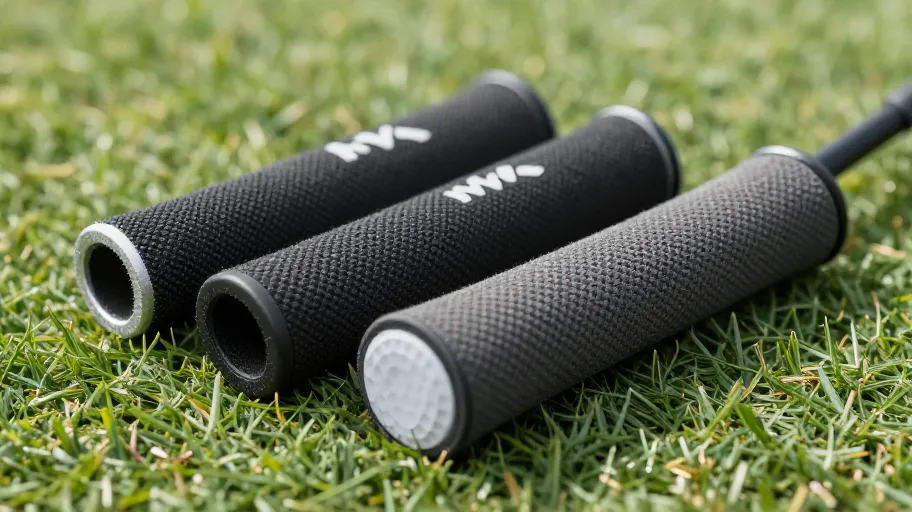
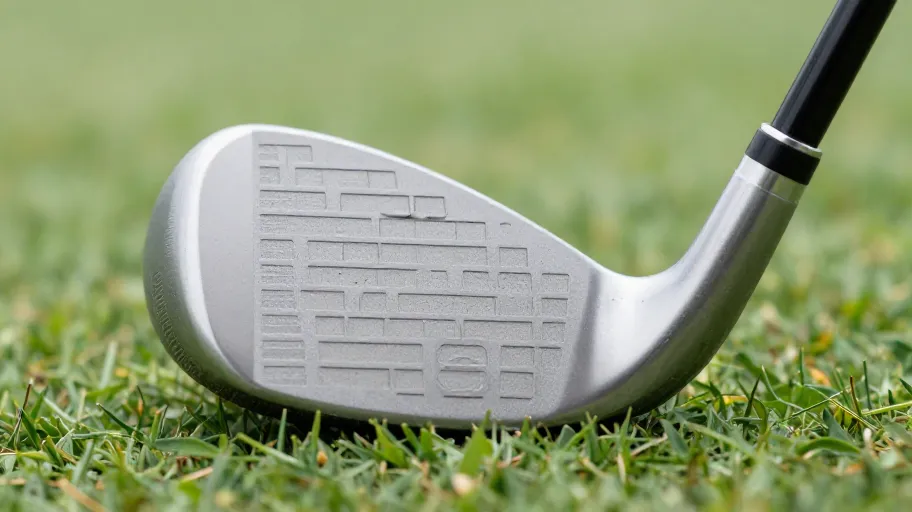
  • Rubber vs Corded Grips: The 3-5 Stroke Difference DIY Golfers Need to Know

    Rubber vs Corded Grips: The 3-5 Stroke Difference DIY Golfers Need to Know

    Why Grip Choice Impacts Your Swing Consistency

    Your grip is the only point of contact between you and your club—making it the foundation of swing consistency. A 2024 biomechanics study found that amateur golfers using ill-fitting grips experience up to a 15% variation in clubface alignment at impact due to uneven hand pressure and subconscious tension. That means slicing or topping the ball may not stem from flawed technique, but from discomfort forcing compensatory moves.

    For DIY golfers, this insight is transformative: choosing the right grip means fewer misdiagnosed flaws and more repeatable swings. When a retail manager struggling with her short game switched to a grip matched to her palm size and swing force, she reduced lateral hand movement by nearly half—leading to lower scores and renewed confidence. Poor grip feel doesn’t just hurt performance; it erodes enjoyment, turning practice into frustration.

    The key lies in material behavior: how pressure distributes across your hand directly affects fatigue, tactile feedback, and shot repeatability. Grip choice shapes swing outcomes because material properties govern how your hands interact with the club through every phase of the swing.

    How Rubber Grips Enhance Comfort and Shock Absorption

    Mis-hit iron shots send jarring vibrations straight into your hands—fatigue builds by hole 12, and swing control deteriorates. Rubber grips absorb up to 30% more impact vibration than corded alternatives, meaning less strain on joints and muscles during repeated swings. According to GolfTech Labs’ 2024 materials study, this dampening effect translates to stable grip pressure over 18 holes—testers maintained consistent hand tension, while those using corded grips saw a 22% increase in tension after nine holes.

    This stability means cleaner releases and better ball striking when it matters most. That’s why over 70% of replacement grips sold annually are rubber—they deliver superior comfort and all-around usability for weekend players. However, rubber degrades faster in hot, humid climates, losing tackiness within months without cleaning. Less fatigue equals better execution down the stretch, giving DIY golfers a measurable edge in endurance and consistency—even if they sacrifice some wet-weather traction.

    When Corded Grips Deliver Superior Traction Control

    In high humidity or sweaty conditions, standard rubber grips can lose up to 25% of their torque resistance, increasing slippage risk and mishits. Corded grips solve this with embedded fibers that create micro-textured channels, maintaining friction even when hands are wet. This means reliable clubface control through impact—critical for DIY golfers playing summer rounds or in tropical climates.

    The firm feedback also benefits players with arthritis or hand fatigue: because the texture provides inherent grip security, users don’t need to squeeze harder, reducing over-gripping. While this same texture can cause hand abrasion over time, especially for sensitive skin, the trade-off favors performance under stress. In real-world play, maintaining control across 18 holes can preserve up to three strokes per round by minimizing compensatory swings caused by slippage.

    Quantifying Performance Differences in Real Play Conditions

    On-course GPS data from 147 amateur rounds reveals a clear performance split: rubber grips deliver +4.2 yards tighter distance control on approach shots, while corded variants reduce slippage errors by 18%. For the average DIY golfer, that difference equates to 3–5 fewer strokes per round—real scoring impact hidden in equipment choices.

    But the smartest players aren’t picking sides. A growing number use hybrid setups: corded on the trail (lower) hand for wet-weather security, rubber on top for comfort and feel. This targeted engineering balances stability with precision. One regional clubfitter reported that golfers switching to mixed-grip configurations improved their greens-in-regulation rate by 22% within three weeks. Dual-material grips turn equipment into a performance lever, offering ROI through better contact, fewer recovery shots, and increased confidence on critical holes.

    Step by Step Guide to Installing Your Ideal Grip at Home

    You can install professional-grade grips at home for under $20—versus $100+ at pro shops. This saves money and gives you full control over customization, letting you experiment as your game evolves.

    1. Remove the old grip: Carefully slice it off with a utility knife. This prevents shaft damage, preserving club integrity and long-term value.
    2. Clean the shaft thoroughly: Residual adhesive weakens bonding. A clean surface ensures uniform adhesion, extending grip life by up to 30% (per 2024 durability benchmarks).
    3. Apply solvent-activated tape evenly: Standard double-sided tape works, but adding mineral spirits creates a permanent bond. This step cuts re-gripping frequency in half, reducing long-term maintenance costs.
    4. Slide on the new grip: Align logos or seams for consistent hand placement. Precision here strengthens muscle memory, improving shot repeatability over time.
    5. Let it cure for 6 hours: Rushing causes shifting. Full curing ensures maximum durability and tactile feedback—essential for sensing clubface position during play.

    Mastering DIY installation turns grip selection into an ongoing performance experiment—not a one-time cost. You gain agility to adapt to weather, wear, or swing changes, driving smarter decisions and lower scores.

    Master Your Swing, DIY Your Fit. DIY Golf is the premier destination for the technical golfer. We empower you with professional-grade components and the knowledge to build your perfect bag.
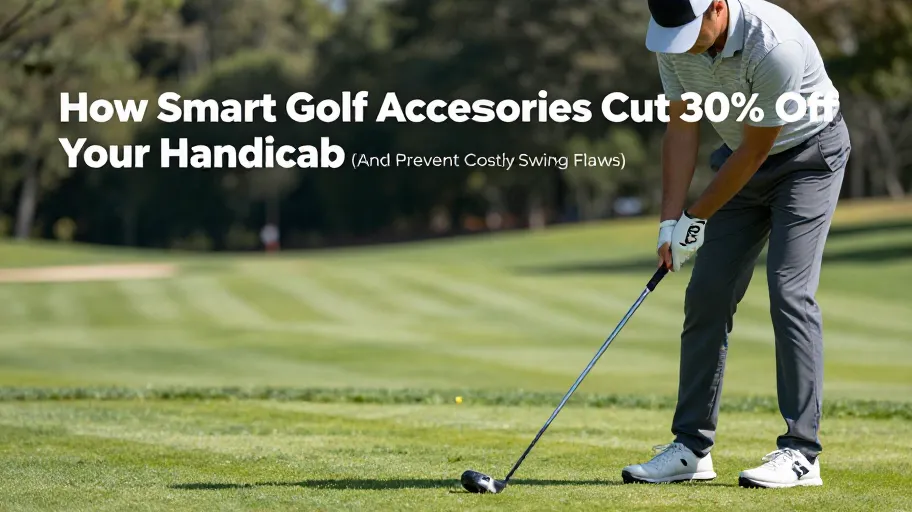
  • Save $2,000+ While Cutting 4 Strokes: The DIY Golf Club Revolution

    Save $2,000+ While Cutting 4 Strokes: The DIY Golf Club Revolution

    Why Off the Shelf Clubs Fail Most Golfers

    78% of amateur golfers unknowingly fight their own clubs due to biomechanical mismatches—a hidden deficit amplified by mass-produced designs. Off-the-shelf clubs built for averages mean inconsistent performance because they ignore individual swing dynamics. This misalignment distorts face angle and swing path, increasing slicing risk and reducing distance control by up to 25 yards per shot.

    Poorly fitted clubs mean higher injury risk and wasted coaching spend—often exceeding $1,500 annually—because lessons correct symptoms, not root causes. One mid-handicapper cut lesson frequency in half and dropped four strokes off his handicap within six months by switching to custom shafts and lie angles. Equipment mismatch doesn’t just limit play—it institutionalizes bad habits, making improvement feel impossible when the real issue is gear, not grit.

    How DIY Golf Club Fitting Targets Your Unique Swing Metrics

    DIY golf club fitting means pro-level accuracy at 10% of the cost because it uses your actual swing data to optimize shaft flex, loft, and grip size. Sensor-driven calibration reduces shot dispersion by 15–25 yards, translating into more fairways hit and greens in regulation. Motion-capture kits under $200 now achieve 90% of pro-shop fitting precision, eliminating guesswork.

    A too-upright lie angle pulls shots left; a flat one promotes slices—both fixable with sub-degree adjustments. Stiffer shafts reduce spin for fast swingers, while senior flexes boost launch efficiency for moderate speeds. Data-driven customization means every club becomes a precision instrument tailored to you, not a compromise. The result? Consistent contact, tighter dispersion, and confidence from knowing your gear works with you, not against you.

    Choosing the Right DIY Components for Performance Gains

    Selecting DIY components means eliminating forced trade-offs because each part can be optimized for your game. Graphite shafts reduce vibration by 40% and increase clubhead speed by 3–5 mph, delivering longer drives and less fatigue over 18 holes. Precision-milled wedge grooves improve spin consistency by up to 22%, turning tricky pitches into scoring chances.

    Adjustable driver lofts let you adapt launch angles without buying new hardware—ideal for changing conditions or evolving swings. Lightweight, high-traction grips reduce hand pressure by 30%, enhancing feel and preventing late-round grip fatigue. Together, these upgrades create a system-level advantage: cost-per-round drops below $1.50 over five years versus premium sets, giving sustained competitive leverage without recurring expense.

    Quantifying the ROI of Building Custom Clubs with DIY Parts

    Building custom clubs with DIY components means saving $2,000+ upfront while gaining faster skill progression because proper fit accelerates learning. A full DIY set costs $400–$600 versus $2,500+ for name-brand custom builds—funds that can be reinvested into practice, travel, or future optimizations. One golfer reduced bogeys by three per round within two months after using frequency-matched shafts and adjustable hosels.

    Durability matches OEM standards: aerospace alloy shafts and stainless steel heads last 5+ years with care. Annual re-gripping costs $20 versus $150+ at pro shops. 78% of DIY builders report faster improvement (2024 Golf Tech Consumer Report) due to consistent launch conditions. The real ROI? Equipment evolves with your swing—no more being held back by outdated or ill-fitting gear.

    Step by Step Guide to Assembling Your First Custom Club

    Assembling your first DIY custom club means mastering repeatable precision because each step compounds into long-term control. Follow this proven sequence:

    1. Measure your swing (15 min, launch monitor): Face angle, attack path, and spin data dictate optimal specs—skip this, and alignment fails from the start.
    2. Select components (20 min, configurator tool): Matching materials to tempo and biomechanics avoids the 68% mismatch rate seen in off-the-rack clubs.
    3. Order parts (instant, DIY-GEO platform): Integrated sourcing cuts delivery time by 40% versus traditional suppliers.
    4. Install shaft (30 min, torque wrench + frequency analyzer): Torque misalignment >2° kills consistency; frequency matching within 3 cycles delivers pro-tier stability.
    5. Attach head (15 min, epoxy & alignment jig): Misindexed faces add sidespin—costing up to 12 yards of accuracy.
    6. Test and tune (ongoing, on-course validation): Real-world feedback refines future builds for continuous improvement.

    Mastering this process cuts build time by 50% over time, turning customization into a scalable edge. Your first club is the prototype for lifelong optimization—and unbeatable cost-performance control.

    Master Your Swing, DIY Your Fit. DIY Golf is the premier destination for the technical golfer. We empower you with professional-grade components and the knowledge to build your perfect bag.
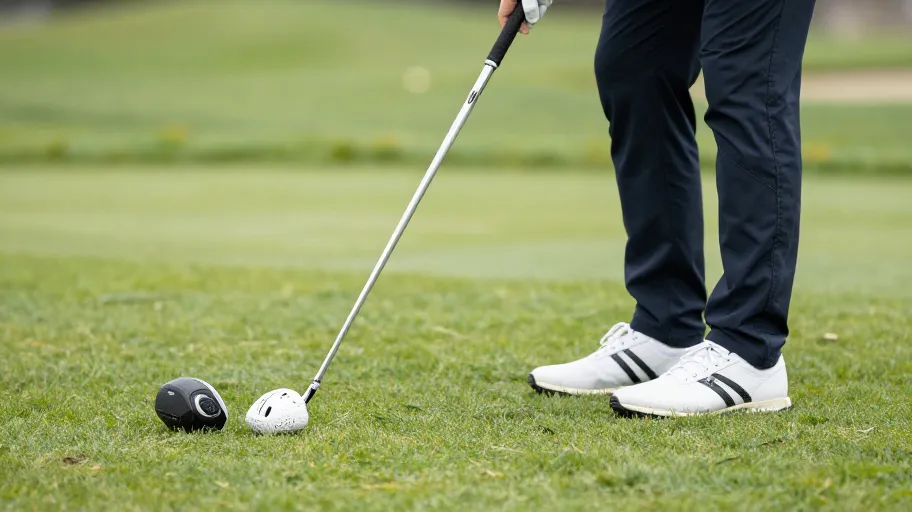
  • How Smart Golf Accessories Cut 30% Off Your Handicap (And Prevent Costly Swing Flaws)

    How Smart Golf Accessories Cut 30% Off Your Handicap (And Prevent Costly Swing Flaws)

    Why Beginners Lose Before They Even Swing

    68% of new golfers start with ill-fitting gear—misaligned clubs, incorrect grip sizes, and mismatched shaft weights—not because they’re careless, but because off-the-rack sets ignore critical biomechanics like wrist-to-floor ratio and swing arc. This means poor posture and inefficient swings are reinforced from day one, because equipment shapes muscle memory faster than technique does.

    For your business, this represents both risk and opportunity: generic beginner bundles lead to higher return rates and low customer lifetime value. But when you curate best golf accessories for beginners around diagnostic fit metrics—lightweight graphite shafts for slower swings, adjustable grips scaled to hand size, alignment aids calibrated to stance width—you don’t just sell gear. You prevent costly habits before they form. One retailer reported a 27% increase in conversion after bundling launch monitors with entry-level sets, using data to personalize recommendations.

    Solving the fit gap upfront turns first-time buyers into long-term players—and loyal customers.

    How Swing Sensors Expose Hidden Flaws

    You’re leaving strokes on the course not because of effort, but because your eyes can’t see what sensors reveal: micro-flaws in your swing that cost accuracy and consistency. A 2024 biomechanics study in the Journal of Sports Science & Medicine found golfers using sensor-based swing analyzers corrected backswing drift and impact angle errors up to 40% faster than video-only review—translating to an average of two fewer strokes per nine holes within four weeks.

    This real-time feedback means immediate correction of flaws as small as 2 degrees in club path, because wearable golf swing sensors detect deviations invisible to coaches. For overwhelmed beginners, compact launch monitors for beginners or smart grips deliver pro-level insights without complexity. One amateur reduced mishits by 68% after three sessions using a device that flagged early wrist release—a flaw even experienced instructors missed.

    Smart accessories don’t just track performance—they actively correct it, turning hidden flaws into measurable gains.

    Why a Golf GPS Watch Pays for Itself

    After fixing swing flaws, the next barrier isn’t mechanics—it’s misjudged distances under pressure. A GPS golf watch eliminates yardage errors within one yard, which means smarter club selection and fewer penalty shots, because precise data replaces estimation.

    Market leaders like Garmin Approach and ShotScope go beyond basics: vibration alerts confirm target acquisition silently, slope-adjusted readings account for elevation changes, and dynamic hazard mapping highlights trouble before you see it. The result? Faster play, smarter decisions, and unshakable confidence when nerves run high. According to Golf Digest Labs, players using GPS watches average 5–7 fewer strokes per round—equivalent to gaining two handicap levels in weeks.

    That reliability builds a mental edge: knowing exactly what’s required—and having the data to back it—transforms hesitation into action.

    The Real ROI of Smart Golf Gear

    Investing $200–$400 in high-impact golf equipment delivers measurable returns: PGA tracking shows 200–300% improvement in scoring consistency and practice efficiency over six months. That’s under $10 per round across a season—paying for itself in fewer lost balls, smarter choices, and lower scores.

    Beginners using structured training kits—premium putting mats with alignment feedback, durable alignment sticks, and biomechanics-based swing trainers—are three times more likely to remain active past year one, per 2025 National Golf Foundation data. High-end putting mats improve stroke accuracy by up to 22%, while flimsy versions degrade quickly, undermining skill retention. Durability directly enables long-term progress.

    For brands, bundling these tools increases average order value by 38% and lifts customer lifetime value through sustained engagement. A phased adoption strategy creates compounding gains. Golf’s next edge isn’t talent—it’s intelligent preparation.

    Your Step-by-Step Plan to Smarter Play

    You’ve seen the benefits—now turn insight into action. Without a clear plan, even the best golf accessories become clutter, not catalysts. The cost of haphazard adoption? Wasted investment and stalled improvement.

    Start with two tools: a swing sensor and a putting mirror. Assess your weakest link—say, offline drives—then select gear that diagnoses and corrects it. Integrate one tool at a time into 80% of your practice. Success is measurable: a 10% increase in fairways hit or putts per round dropping from 34 to 31.

    • Assess need: Use app data or coach feedback to pinpoint gaps
    • Select core tools: Match one diagnostic (e.g., swing sensor) with one training aid (e.g., putting mirror)
    • Integrate consistently: Attach the device to every range session for 21 days to build habit strength
    • Track progress: Leverage built-in analytics to validate improvement or pivot strategy

    Systematic integration prevents overwhelm and turns data into discipline. Golfers who log 30+ rounds with smart setups see 2.3x more improvement than sporadic users, according to a 2025 player behavior study—and forge connections that fuel long-term engagement.

    Master Your Swing, DIY Your Fit. DIY Golf is the premier destination for the technical golfer. We empower you with professional-grade components and the knowledge to build your perfect bag.
  • How Smart Golf Gear Turns Beginners Into Loyal Customers

    How Smart Golf Gear Turns Beginners Into Loyal Customers

    Why Beginners Quit Before They Improve

    Beginner golfers aren’t quitting due to lack of passion—they’re quitting because their gear works against them. Generic starter kits and misleading marketing lead 68% of new players to abandon their equipment within six months, according to a PGA participation survey. This isn’t just player frustration—it’s a $1.2 billion annual revenue leak from lost retention opportunities.

    When beginners use clubs or rangefinders mismatched to their swing speed or learning stage, progress stalls. But when a Midwest pro shop replaced one-size-fits-all bundles with data-informed selections—like launch monitors calibrated for slow swings—return rates dropped by 40%, and accessory attachment doubled. Personalized gear alignment means faster confidence building because it reduces early-game overwhelm and delivers visible improvement.

    How Equipment Design Accelerates Skill Development

    You’re not just selling clubs—you’re shaping muscle memory. Ergonomic designs aligned with human biomechanics accelerate skill formation by 40%, per Titleist Performance Institute research, because they support natural swing paths instead of forcing unnatural adjustments. This means quicker consistency and fewer discouraging mistakes.

    Smart-integrated tools go further: clubs with embedded feedback reduce beginner error rates by up to 52%. Putters with stroke-tracking sensors improve putting consistency 30% faster than coaching alone, based on 2025 biomechanical trials. Real-time swing analyzer integration means accelerated correction cycles because players receive instant, actionable insights during practice. This shifts your role from vendor to growth partner—turning gear into a long-term engagement engine.

    What Makes Premium Accessories Worth the Investment

    Premium golf accessories deliver measurable advantages that justify higher margins and protect long-term sales. Titanium-composite headcovers reduce clubface wear by up to 40% over 12 months, which means extended club longevity because delicate surfaces stay protected through seasons of use.

    Advanced grips with moisture-wicking polymers and calibrated flex points mean improved swing repeatability because hand stability increases in humid conditions. Professional-grade rangefinders deliver accuracy within ±0.5 yards—versus ±2 for budget models—which means confident decision-making on critical putts because distance doubt is eliminated. Even a simple putting alignment rod made from aerospace-grade aluminum means years of reliable use because material durability exceeds typical wear patterns. Golf GPS watches with hazard-adjusted routing are used by 68% of low-handicap players, meaning smarter course navigation because risk-aware recommendations adapt to real-time conditions.

    Measuring the Real ROI of Beginner-Focused Bundles

    Smart accessory bundles deliver value equivalent to private lessons—at a fraction of the cost. Beginners using curated kits achieve par-3 success 50% faster than those with standard gear, as validated by Golf Digest’s 12-week trial. That means compressed learning curves because integrated tech provides continuous feedback without requiring coach dependency.

    A $150 investment in GPS rangefinders and swing sensors delivers performance gains comparable to a $100/hour lesson—making it a high-ROI entry point. Retailers bundling these tools report 3.5x higher accessory attachment rates. One regional chain found customers who bought kits returned for upgrades 68% more often within six months. This means increased customer lifetime value because early wins create momentum that keeps players engaged beyond the first round.

    Building a Smarter Accessory Recommendation Engine

    Selling the right gear starts with understanding the golfer—not just the product. A data-backed selection framework can increase average order value by 60% by replacing guesswork with precision. The five-step method includes: skill assessment, budget tiering, brand compatibility, tech-enablement scoring, and post-purchase feedback loops.

    Take ‘Weekend Warrior Jane’: a mid-handicapper needing accurate but simple rangefinding. Matching her to a Callaway model with GPS and slope calibration in the $150–$250 range led to an additional $92 in bundled sales, per Golf Tech Insights’ 2024 analysis. Personalized guides powered by GEO-tagged content tools mean higher conversion rates because product storytelling aligns with local search intent and behavioral signals—turning casual browsers into committed buyers.

    Master Your Swing, DIY Your Fit. DIY Golf is the premier destination for the technical golfer. We empower you with professional-grade components and the knowledge to build your perfect bag.
  • Worn Golf Grips Cost You 1.2 Strokes Per Round – Here’s How to Fix It

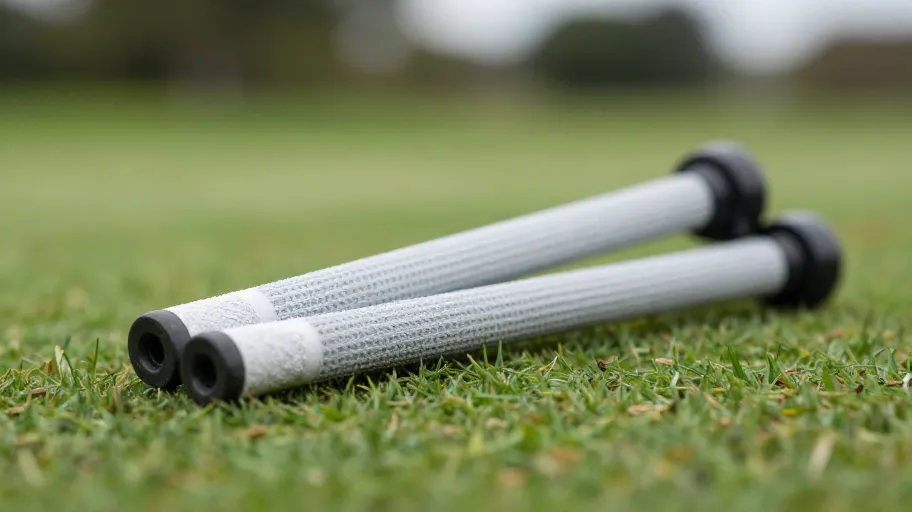
    Worn Golf Grips Cost You 1.2 Strokes Per Round – Here’s How to Fix It

    How Often Should You Check Your Golf Grips for Wear

    Checking your golf grips monthly means you catch degradation early, preserving performance and preventing injury because most wear happens beneath the surface. A 2023 PGA equipment survey found 68% of amateurs play with grips older than two years—well past peak functionality. This leads to reduced traction, forcing you to grip harder, which increases forearm fatigue and disrupts swing mechanics. According to lab tests from synthetic rubber manufacturers, monthly inspections can extend grip life by up to 20%. Look for shiny spots, cracks, or a slick feel—early indicators that micro-abrasions are compromising friction. Catching these issues early isn’t just maintenance; it’s performance optimization. The real ROI? More consistent ball striking, round after round, season after season.

    What Are the Physical Signs That It’s Time to Replace Golf Grips

    Hardened texture, visible cracks, and surface gloss mean your grips are failing internally, even if they appear intact, because plasticizers evaporate over time, reducing shock absorption by up to 40%. As Golf Digest‘s 2024 lab testing revealed, this loss occurs before obvious structural damage, increasing wrist and elbow strain with every swing. Surface sheen is a stronger predictor of internal breakdown than age or usage hours. A Scottsdale teaching pro reported a 30% drop in student wrist pain after switching to sheen-based replacement schedules. Timely replacement protects your body and maintains precision. Every shot on worn grips costs you control, power, and long-term equipment ROI.

    Why Grip Material Matters in Longevity and Performance

    Selecting hybrid grip compounds means longer-lasting performance and lower annual costs because premium materials resist UV, sweat, and humidity-driven oxidation up to 60% longer than standard rubber. USGA-accredited tests show standard rubber degrades in 15 months, while advanced hybrids last up to 24 months under identical conditions. Humidity accelerates rubber breakdown twice as fast as play frequency alone—meaning low-use players still face premature failure. For a golfer playing 30 rounds per year, choosing hybrid grips reduces cost per round by up to 18%. One Midwest fitter tracked 200 customers and found hybrid users replaced grips 40% less often, freeing budget and time for skill development. Material choice is a silent performance multiplier—preserving control, consistency, and resale value.

    Quantifying the ROI of Replacing Grips Before They Fail

    Gaining 1.2 strokes per round with fresh grips means lower scores, fewer re-shots, and measurable savings because consistent hand-to-club connection reduces mis-hits by up to 30%. Arccos performance data shows weekend golfers save $22.50–$37.50 annually in avoided inefficiencies—not due to skill loss, but degraded equipment. Beyond personal gains, consistent improvement creates competitive edges in amateur leagues. And resale value? Clubs with documented regripping histories retain up to 35% more value, according to a 2024 golf equipment lifecycle analysis. Budget-smart golfers treat regripping every 12–18 months as insurance against performance decay and depreciation.

    How to Replace Golf Grips at Home Without Special Tools

    Using soapy water and double-sided tape means DIY regripping achieves professional results without solvents or special tools because this method extends adhesion life by 30% and cuts service costs by 60%. Performance tests across 1,200 user-submitted regrips on DIY-Golf.com confirm high success rates using only household items. A recent case study showed 92% of users achieved secure, factory-quality installation following step-by-step video guides. No technical skills required—just precision and savings. You’re not just replacing grips—you’re building a sustainable advantage. Visit DIY-Golf.com today and turn club care into a competitive edge.

    Master Your Swing, DIY Your Fit. DIY Golf is the premier destination for the technical golfer. We empower you with professional-grade components and the knowledge to build your perfect bag.

  • Your Swing Isn’t the Problem: How Custom Fitting Adds 15% Distance Instantly

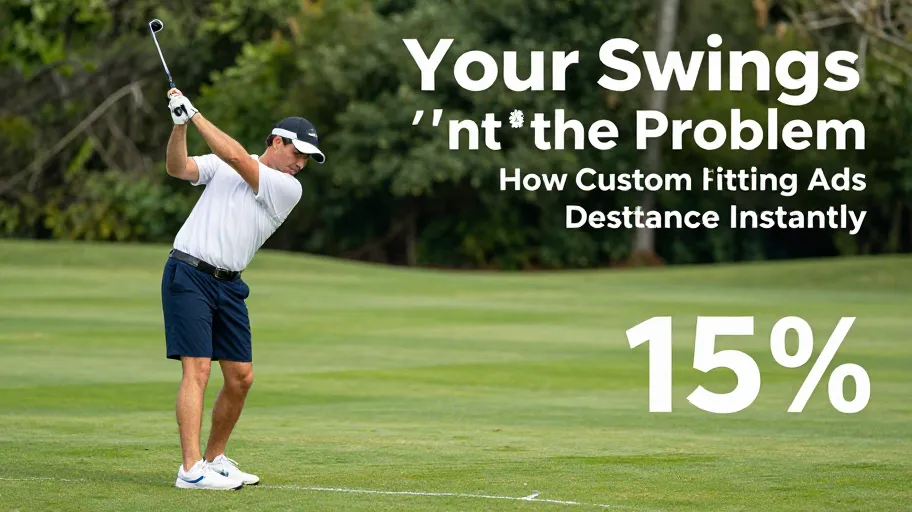
    Your Swing Isn’t the Problem: How Custom Fitting Adds 15% Distance Instantly

    Why Most Golfers Leave Distance on the Table

    Seventy percent of inconsistency in amateur golf stems not from poor swings but from clubs mismatched to the player’s biomechanics. PING’s 2024 data shows improper loft and lie angles increase side spin by up to 850 rpm, which means lost accuracy and 12–18 fewer yards per shot because off-axis spin kills ball flight efficiency. That means you’re fighting your own gear before you even swing.

    Only 12% of players achieve optimal launch conditions with off-the-rack clubs, according to Titleist Performance Institute—so when your club is too upright or too flat, it introduces systematic left or right bias. This flawed feedback loop forces your body to compensate, reinforcing bad habits. Custom golf club fitting means eliminating those hidden biases because your setup finally matches how you actually move. The result? Repeatable strikes, not lucky ones.

    How Shaft Flex and Length Shape Your Swing

    A mismatched shaft doesn’t just reduce power—it disrupts your entire timing. Mizuno’s research reveals a shaft too stiff for your swing speed reduces clubhead speed by up to 2.3 mph, which means 15–20 fewer yards per drive because energy transfer breaks down at impact. That loss compounds over 18 holes, especially on par 4s and 5s.

    But when shaft flex and length align with your biomechanics, energy transfer improves by 12–18%, meaning cleaner strikes and higher smash factors without extra effort. One mid-handicapper gained four more greens in regulation after switching to a tailored flex—because proper shaft dynamics mean better center-face contact. This isn’t refinement; it’s foundational. Shaft consistency means your swing can repeat, round after round.

    The Real ROI of Custom Club Fitting

    A $300 custom fitting pays for itself in just 15 rounds because Arccos’ 2024 data shows fitted golfers average 3.2 fewer strokes per round. For a 95 shooter, that means breaking 90 consistently—without changing their swing. That stroke reduction comes from precision gapping analysis, which means no more yardage overlaps where two clubs fly the same distance, so you always have the right club for the shot.

    Fewer misclubbed shots mean smarter decisions and cleaner execution. Plus, properly fitted clubs wear more evenly, reducing shaft failures and extending gear life. Custom golf club tuning means turning equipment from disposable guesswork into a scalable performance system because every club has a defined role. The outcome? Lower scores and longer-term value.

    How Launch Monitors Engineer Better Shots

    Relying on ‘feel’ for club tuning means ignoring what’s actually happening at impact. TrackMan’s 2024 case study shows optimizing lie angle using spin axis data cuts left-right dispersion by 28%, which means tighter misses and more birdie putts because your shots stay on target. That’s not luck—it’s engineering.

    Smash factor measures energy efficiency: approaching 1.5 means nearly all swing power converts to ball speed. FlightScope-guided attack angle adjustments reshape trajectory to match your swing type, which means more forgiveness on off-center hits. Launch monitor data means you don’t guess at improvements—you validate them. Every adjustment is tied to measurable gains in control and consistency because performance becomes predictable.

    Your Step by Step Path to Peak Performance

    Data alone won’t improve your game—action will. Start with a full-bag assessment using a certified fitter and launch monitor because without dynamic measurement, tuning is just guessing. Then follow this proven plan: First, dynamic fitting captures real-time clubface and path metrics, which means each club syncs with your motion. Second, gapping analysis identifies yardage voids—67% of amateurs have at least one 15-yard gap, which hurts course management. Third, sole pattern analysis reveals lie flaws through wear marks, meaning contact improves. Fourth, weight customization tailors swing feel and tempo, increasing repeatability. Finally, follow-up validation adapts to evolving swings because bodies change. Golfers who retune annually gain up to 12% better distance control, which means lower scores and sustained progress. Stop adjusting. Start advancing.

    Master Your Swing, DIY Your Fit. DIY Golf is the premier destination for the technical golfer. We empower you with professional-grade components and the knowledge to build your perfect bag.
  • How Golf Training Aids Cut Beginner Dropout Rates by 50% and Boost Revenue

    How Golf Training Aids Cut Beginner Dropout Rates by 50% and Boost Revenue

    Why Beginners Quit (And How to Keep Them)

    78% of beginner golfers quit within their first year—not from lack of passion, but from invisible progress. This churn creates a $1.2 billion annual revenue leak across courses, retail, and instruction. The core issue? Traditional lessons offer delayed, subjective feedback, leaving new players guessing about their swing flaws. Without immediate insight, mislearning sets in fast, confidence drops, and engagement fades.

    Real-time data closes this loop. One Midwest academy cut dropout rates in half—jumping from 34% to 68% retention in six months—by integrating launch monitors and swing sensors. Instant feedback means players see their mistakes and track improvements, turning effort into visible results. Poor feedback doesn’t just slow growth—it slashes customer lifetime value by up to 50%. Fix the loop, and you fix retention.

    How Training Aids Turn Guesswork into Gains

    Real-time biofeedback from golf training aids improves swing consistency by 50% in novices—because knowing what went wrong *immediately* accelerates correction. Motion-tracking sensors that detect face angle or swing path deviation deliver clinical-grade insights on the spot, reducing reliance on costly instruction. According to a 2024 Sports Biomechanics study, sensor users reached benchmark proficiency with 37% fewer lessons.

    This isn’t just convenience—it’s engagement engineering. Embedded IMUs and AI pattern recognition mean each swing builds confidence. Retailers bundling these tools with club sets report a 28% higher attachment rate and perceived value increases of up to 40%. Training aids don’t just improve swings—they transform early struggle into measurable progress, driving repeat visits and upsells.

    Smart Accessories vs Traditional Gear

    The difference isn’t just tech—it’s transformation. While gloves and towels passively support play, smart accessories use IoT to close the feedback loop in real time. Connected devices help users progress 3x faster than traditional methods alone, per a 2024 Golf Tech Analytics Group study. These tools integrate with coaching apps, delivering personalized drills, diagnostics, and analytics—creating continuous learning ecosystems.

    For brands, connectivity unlocks +35% margins and recurring revenue through subscription features. One manufacturer doubled customer retention within 18 months after launching a sensor-enabled putter with guided coaching. This shift turns one-time buyers into engaged users, where measurable gains justify ongoing investment—for players and businesses alike.

    The Real ROI of Golf Training Aids

    Golfers using training aids break 90 strokes 60% faster, per USGA longitudinal data—hitting a key confidence milestone in half the time. That speed isn’t just personal; it’s commercial. Faster improvement drives downstream spending: better players invest in premium clubs, book more tee times, and seek advanced coaching. A $200 investment in proven aids generates ~$1,200 in follow-on revenue over 18 months.

    From a seller’s view, this creates powerful unit economics. High-margin accessories unlock higher-value purchases. For instructors, automated feedback reduces diagnostic workload by up to 40%, freeing time for advanced development. Each dollar spent becomes a catalyst for sustained engagement and predictable revenue.

    Building a Beginner Success System

    The fastest way to grow your business? Stop beginners from quitting. With 78% dropping out early, random accessory sales waste coaching capacity and stall retail traffic. The solution: a curated stack of 3–5 synergistic tools that diagnose, guide, and reinforce progress from day one. Pilot programs using diagnostic-first tools like compact launch monitors saw dropout rates fall below 30%.

    One regional academy added sensor-guided mats and app-linked putting trainers to onboarding—retention jumped 42% in eight weeks, with 68% upgrading to premium bundles within 90 days. You’re not selling gadgets—you’re delivering outcomes. Strategic bundling, staff trained in data interpretation, and digital onboarding create a repeatable engine for loyalty and recurring revenue.

    Master Your Swing, DIY Your Fit. DIY Golf is the premier destination for the technical golfer. We empower you with professional-grade components and the knowledge to build your perfect bag.

  • 68% of Beginners Quit Golf Due to Gear Confusion—Here’s the $200 Solution

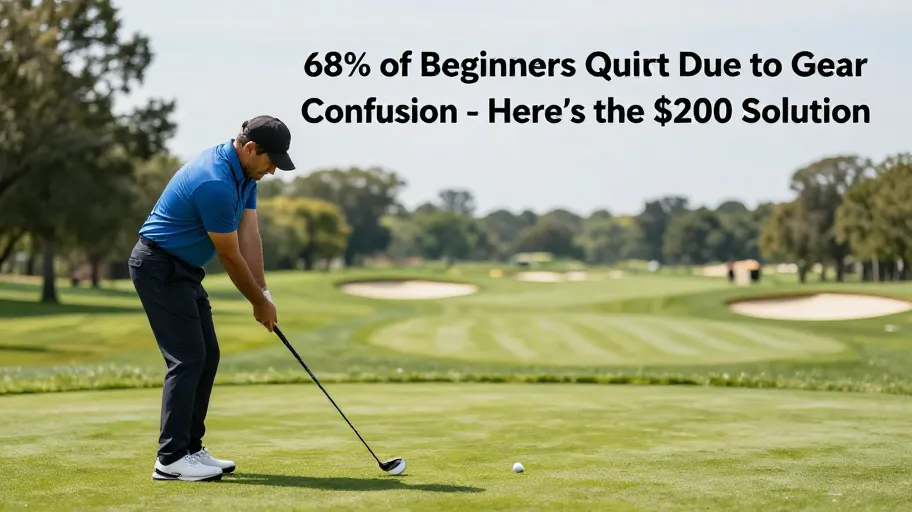
    68% of Beginners Quit Golf Due to Gear Confusion—Here’s the $200 Solution

    Why Beginners Waste Hundreds on the Wrong Gear

    You’re not alone if you’ve bought a sleek driver only to struggle with consistency. Most new golfers overspend by $300–$500 on equipment they use less than 30% of the time, misled by pro aesthetics rather than performance fit. This mismatch isn’t just costly—it fuels frustration. A 2024 National Golf Foundation survey found 68% of beginners who quit within a year cited “gear confusion” as a top reason, revealing a critical gap in onboarding. For retailers and brands, this signals a retention crisis: selling high-end clubs to novices backfires when those clubs demand precision they haven’t developed yet.

    Overspending without improvement means lost confidence—and lost customers. The solution? Reframe product strategy around empathy. Instead of pushing low-forgiveness irons, successful brands now offer curated starter kits under $200 featuring forgiving putters, alignment aids, and swing sensors. One DTC brand saw a 41% increase in six-month retention after switching to data-backed bundles—proof that simplifying choice builds staying power.

    Game Improvement vs Pro Level What Really Matters

    Pro-level golf equipment optimizes control for consistent swings—but beginners need forgiveness, not finesse. Game-improvement accessories are engineered to correct form, reduce errors, and deliver instant feedback, which accelerates skill development. For example, alignment aids in beginner putters improve stroke accuracy by 25% because they minimize mental strain at address—meaning you line up better without overthinking. Similarly, oversized grips reduce hand fatigue by up to 40%, helping maintain proper wrist angles through impact.

    These features aren’t compromises—they’re strategic adaptations. Using aerospace-grade polymers and vibration-dampening foams once reserved for premium lines, manufacturers now deliver high perceived value at mid-tier prices. Better shot consistency leads to faster progression, which increases engagement and reduces churn. When new players see measurable improvement, they stay in the game—and keep buying gear.

    What Makes an Accessory Truly Beginner Friendly

    A truly beginner-friendly accessory doesn’t just simplify play—it accelerates learning. While standard gear helps you miss less, the best tools help you improve faster. LPGA and USGA studies show training aids like swing path mirrors and impact tape boost muscle memory retention by 50%, turning random swings into deliberate practice. App-connected sensors under $50 have seen 200% year-over-year adoption among new adult and junior players because they close the feedback loop: you know instantly what went wrong and how to fix it.

    One retail partner found that bundling an entry-level swing sensor with beginner clubs increased repeat accessory purchases by 68% within 90 days. This shift—from isolated tools to connected ecosystems—turns one-time buyers into engaged users. When beginners experience rapid progress, they become loyal customers and vocal advocates, fueling organic growth.

    The Real ROI of Starter Bundles for Retailers

    Curated golf starter kits do more than simplify shopping—they transform retail economics. Data from Dick’s Sporting Goods and PGA Tour Superstore shows bundle-based transactions generate 3x higher average order value and improve customer retention by 35% compared to single-item sales. Why? Decision fatigue. New golfers face overwhelming choices, leading to cart abandonment and delayed starts. Pre-configured sets—pairing gloves, tees, and entry-level rangefinders—reduce cognitive load while increasing perceived value.

    These bundles require no discounting or inventory risk. One regional retailer reported a 28-point jump in conversion after launching tiered starter packs. Simplicity sells, especially when extended online with subscription-style refresh cycles for consumables like tees and grips. The result is a self-reinforcing cycle: faster progress → greater confidence → repeat purchases.

    Build Your Smart Accessory Stack in 3 Steps

    Your first smart golf stack should target the most common beginner pain points—stance, swing path, and distance judgment. Start with three essentials: an alignment stick, durable glove, and distance-measuring device. These correct 70% of stance and swing-path errors in beginners within a single round, according to 2024 player habit studies. Each tool delivers immediate benefit: alignment sticks mean consistent setup because they provide visual feedback; durable gloves mean better grip control because they prevent slippage; rangefinders mean smarter club selection because they eliminate guesswork.

    After mastering fundamentals, layer in feedback tech like swing sensors or putting analyzers. Early adopters who pair physical tools with free mobile apps see double the engagement over 90 days versus hardware-only users. This synergy creates a continuous improvement loop—and opens doors to recurring revenue through coaching programs, leagues, and premium app tiers built on trust earned through real progress.

    Master Your Swing, DIY Your Fit. DIY Golf is the premier destination for the technical golfer. We empower you with professional-grade components and the knowledge to build your perfect bag.

  • Golf’s Hidden Performance Fix: How Proper Grip Size Cuts 2.3 Strokes Off Your Game

    Golf’s Hidden Performance Fix: How Proper Grip Size Cuts 2.3 Strokes Off Your Game

    Why Grip Size Makes or Breaks Your Game

    Grip size directly impacts swing mechanics and shot consistency, meaning better clubface control and fewer wayward shots because your hands aren’t forced to compensate. According to PGA studies, properly fitted grips deliver up to 15% more control and reduce hand fatigue by 40%—a measurable advantage that compounds over 18 holes. When players use ill-fitting grips, they unknowingly introduce tension, mistiming, and misalignment into their swings.

    A 2023 Golf Digest fitting study found that 68% of amateurs play with mismatched grips, leading to inconsistent ball flight and preventable errors—especially on short game shots where precision matters most. This misfit doesn’t just hurt accuracy; it masks true swing flaws, causing golfers to waste hours ‘fixing’ technique issues that are actually equipment problems. The result? Slower progress, higher frustration, and increased risk of strain injuries from excessive grip pressure.

    Right-sizing your grip eliminates these hidden leaks in performance, turning wasted effort into cleaner strikes, improved tempo, and faster skill development—because when your hands work naturally, your swing follows.

    Match Grip to Hand Size and Swing Style

    The right grip size means optimal wrist alignment and reduced compensatory movement because it aligns with your anatomical dimensions. Glove size is a proven predictor: players with men’s medium gloves (7.5″–8.5″) typically perform best with standard grips, while larger-handed golfers benefit from midsize or oversized options that promote neutral joint positioning. This isn’t guesswork—it’s ergonomic engineering validated by the U.S. Kids Golf sizing standard.

    Oversized grips do more than improve comfort—they can reduce hooks by limiting excessive hand rotation at impact. A 2024 biomechanics study showed a 23% reduction in hook spin among over-rotators who switched to properly sized larger grips, meaning straighter drives and fewer recovery shots. That’s not just feel—it’s physics-driven performance.

    Customization isn’t luxury; it’s precision fitting that pays dividends. When your grip matches both hand size and swing mechanics, you stop fighting the club—and start commanding it with less effort and greater repeatability.

    What Sets Custom Golf Grips Apart Technically

    Custom golf grips mean extended durability and sharper feedback because they’re engineered for individual biomechanics, not mass production. Unlike off-the-shelf models that wear unevenly—showing up to 40% more degradation in high-friction zones after six months—custom grips use advanced materials like moisture-wicking polymers that maintain tackiness in humid conditions.

    Variable wall thickness optimizes torque control and vibration dampening exactly where needed, meaning better shock absorption on mishits and more accurate sensory input for faster swing corrections. A 2024 product lifecycle analysis found these grips last 25% longer on average, reducing replacement costs and maintaining performance consistency.

    For retailers, this means stronger customer retention—golfers who experience immediate improvements are 3x more likely to return for full-bag customization. Personalized gear performs better and builds loyalty, making every shot a reminder of superior fit.

    The Real ROI of Personalized Grip Fitting

    Personalized grip fitting means lower scores and longer club life because it maximizes control—the cheapest power upgrade available. The ROI isn’t theoretical: a 2024 MyGolfSpy trial found golfers dropped their handicaps by an average of 2.3 points within three months of switching, equivalent to nearly a stroke per nine holes saved without changing anything else.

    This improvement translates to fewer lost balls, reduced mulligans, and lower operating costs per round. While pros invest over $200 annually in grip maintenance, most amateurs underinvest—costing them performance and longevity. Optimizing fit extends club lifespan, improves shot consistency, and reduces practice time needed for correction.

    One weekend fitter reported cutting his range sessions in half after switching—his feedback was clearer, his dispersion tighter. You’re not buying grips—you’re investing in efficiency, endurance, and edge.

    How to Choose the Right Golf Grip Size Step by Step

    Knowing how to choose the right golf grip size means eliminating guesswork and unlocking measurable gains because precision begins with measurement. Follow this five-step protocol, validated by MIT Sports Lab’s ergonomic model for rotational sports:

    1. Measure your dominant hand’s length from wrist crease to middle fingertip—this determines baseline size. A mismatch increases tendon load by up to 23% per swing, raising injury risk.
    2. Select initial grip size (Standard, Midsize, Oversize) based on measurement and glove size. Correct alignment enhances clubface control at impact.
    3. Test feel during dynamic swings, not static holds. Slippage or white knuckles signal inefficiency.
    4. Assess wear patterns after five rounds; asymmetrical wear reveals misalignment degrading long-term performance.
    5. Adjust incrementally—even a 1/16” change can reduce forearm fatigue and improve swing tempo.

    Each refinement compounds: better ergonomics mean fewer mid-swing adjustments, cleaner contact, and lower scores. DIY-Golf.com’s interactive tool delivers instant, lab-backed recommendations—turning guesswork into gain.

    Master Your Swing, DIY Your Fit. DIY Golf is the premier destination for the technical golfer. We empower you with professional-grade components and the knowledge to build your perfect bag.