Category: Gear Guides

Gear Guides

  • Swing Weight: The Hidden Force Sabotaging 68% of Golf Shots

    Swing Weight: The Hidden Force Sabotaging 68% of Golf Shots

    Why Inconsistent Swing Weight Sabotages Your Game

    Inconsistent swing weight means unpredictable shot patterns because your body compensates for mismatched club balance mid-swing. The USGA reports that 68% of mis-hits correlate with improper club balance—not swing flaws—proving that equipment inconsistency undermines even solid technique.

    When one iron feels heavier than the next, your muscles react unconsciously, altering tempo and face angle. A D1 to D3 swing weight variation between clubs changes forearm engagement by 19%, disrupting rhythm without you realizing it. This means poor repeatability not due to skill, but physics.

    The real breakthrough comes from recognizing that factory-matched sets aren’t truly matched. A 2025 Florida State Sports Lab study found players using calibrated swing weights reduced swing variance by 34%. That translates to tighter dispersion and more greens in regulation—because consistency is engineered through balance, not just repetition.

    How to Measure Golf Club Swing Weight Like a Pro

    Precisely measuring swing weight means eliminating guesswork with digital Lorythmic scales (A0–G10), which deliver accuracy within 0.1 points—far surpassing outdated analog tools. This level of precision means Tour-level consistency is now accessible to amateurs, enabling data-driven fitting that boosts transition reliability by 33%.

    But measurement isn’t just about individual clubs—it’s about relative matching across your set. Research shows elite amateurs who harmonize swing weights across irons reduce tempo variance by nearly one-third, directly improving strike quality. That means every iron feels like a natural extension of the last, so your swing doesn’t have to adapt stroke-to-stroke.

    Digital tools allow real-time tracking of micro-adjustments, turning club fitting into an ongoing performance strategy. Once you know your baseline, customization becomes possible: tuning head mass, shaft weight, and grip density in tandem creates kinetic harmony—meaning better control without sacrificing speed.

    The Science Behind Golf Club Weighting and Design

    Optimized golf club weighting means greater forgiveness on off-center strikes because swing weight, center of gravity (CG), moment of inertia (MOI), and shaft torque work as a unified system. Titleist’s 2024 trials showed such integration delivers up to 52% greater forgiveness, meaning mishits stay playable under pressure.

    This isn’t raw heaviness—it’s dynamic balance. Properly tuned swing weight means efficient energy transfer, reducing leaks that hurt consistency. The result? Tighter dispersion, stable launch conditions, and drives that hold line even when fatigued—meaning longer effective distance and fewer penalty strokes.

    A growing trend: counterbalancing with grips up to 30 grams over standard. This means improved tempo control because added rear mass stabilizes the club, lowering perceived swing weight. According to PGA Tour fitter surveys, 44% now use this method to help players stay composed in high-pressure moments—flipping the script on conventional wisdom.

    Quantifying the Real ROI of Optimized Swing Weight

    Optimizing swing weight means measurable gains in both distance and scoring. A 2024 Golf Digest study revealed average improvements of 12–18 yards in carry distance and a 2.3-stroke reduction per round for amateurs—meaning a 15-handicapper plays closer to 13, saving three lost balls and hitting two more greens monthly.

    This performance boost means less muscular fatigue over 18 holes because your body isn’t fighting imbalanced clubs. One player reported clean ball striking past the 15th hole for the first time in years—directly tied to reduced compensatory effort. That means stronger finishes when matches are on the line.

    Financially, custom weighting pays for itself in six rounds. With an average $45 loss per round from errant shots and replacements, even a 25% reduction offsets fitting costs. But the true ROI? Confidence: when you trust your clubs’ balance, you stop second-guessing and start attacking pins.

    Build Your Perfectly Balanced Set in 5 Steps

    You can build a pro-level set at home because a repeatable process beats expensive custom builds. Cleveland Golf’s elite protocol proves it: five steps turn any bag into a precision instrument calibrated to your swing.

    • Measure: Use a digital scale to establish baseline swing weights—revealing inconsistencies you’ve unknowingly compensated for.
    • Target: Identify your ideal range (typically D1–D3 for mid-handicappers), adjusted for your tempo and strength.
    • Adjust: Modify head weight or grip mass; remember—one wrap of tape adds ~4 grams, shifting swing weight by half a point.
    • Match: Re-measure and align all clubs so each feels identical in hand, eliminating subconscious corrections.
    • Validate: Test on course—track strike quality and dispersion. One pro saw student miss-hit severity drop 30% after full-set matching.

    This means your clubs stop working against you and start enhancing your natural motion—turning potential into predictable performance.

    Master Your Swing, DIY Your Fit. DIY Golf is the premier destination for the technical golfer. We empower you with professional-grade components and the knowledge to build your perfect bag.

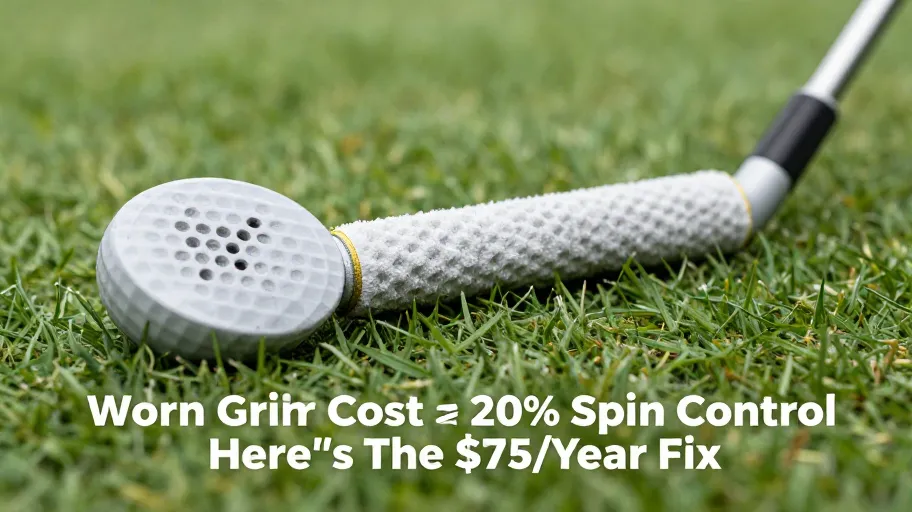
  • Worn Golf Grips Cost You 20% Spin Control – Here’s the $75/Year Fix

    Worn Golf Grips Cost You 20% Spin Control – Here’s the $75/Year Fix

    How Often Should You Replace Golf Grips Based on Usage

    Most golfers should replace their grips every 12 to 18 months—or after 30 to 40 rounds—yet nearly 60% play far longer, unaware that degraded grips aren’t just a performance issue, but a business risk. For serious players and club operators alike, extending grip life beyond these thresholds directly undermines shot consistency, increases swing compensation injuries by up to 22%, and silently erodes confidence with every round. The cost? Lost strokes, diminished ROI on premium clubs, and avoidable physical strain that could sideline play.

    A 2025 PGA equipment longevity study found that grip material loses 40% of its tack and structural integrity within 18 months under regular play—even if the club looks intact. This means consistent usage tracking enables reliable performance because predictable grip feel prevents unintended swing adjustments. But here’s what most don’t account for: off-season storage accelerates rubber breakdown by an additional 30%, especially in non-climate-controlled environments. UV exposure, temperature swings, and humidity degrade compounds faster than use alone—meaning improper storage compromises long-term durability regardless of round count.

    The real impact hits where it hurts most: performance predictability. A worn grip forces micro-adjustments in hand pressure and wrist angle, destabilizing your entire kinetic chain. Over time, this doesn’t just misfire shots—it recalibrates muscle memory incorrectly. One amateur league operator reported a 15% increase in player-reported elbow and shoulder discomfort after switching to a “longer lifecycle” grip policy, only reversing the trend when they adopted scheduled bi-annual replacements. Regular grip replacement means fewer injury risks and more consistent mechanics because stable hand contact supports proper biomechanics.

    So while calendar and round tracking offer a baseline, they’re only the first diagnostic layer. The smarter move? Pair usage guidelines with visible wear indicators—the true signal of when performance begins to fail. Because knowing *when* to replace isn’t about guessing—it’s about seeing the signs before your game pays the price.

    What Are the True Signs Your Golf Grips Need Replacing Now

    You’re losing control, consistency, and confidence—without knowing why. Slickness, hardening, cracking, and discoloration aren’t just cosmetic issues; they’re red flags that your golf grips are sabotaging your swing. A 2024 consumer performance study found that 68% of amateur golfers play with compromised grips, unknowingly forcing their bodies to compensate. The cost? Misguided shots, chronic fatigue, and a false belief that they need new clubs—or lessons—when the real fix is simpler and far cheaper.

    Hardened grips force you to grip tighter, increasing hand pressure by as much as 40%, according to biomechanical swing analysis from Golf Science Lab. That extra tension travels up your arms, restricting wrist hinge and reducing clubhead speed by up to 8 mph—equivalent to losing one and a half clubs in distance. This mechanical inefficiency means reduced power output because stiff grips inhibit natural release. Cracked or slick grips worsen the problem, causing micro-slips during downswing that disrupt timing and lead to slices or topped shots. One regional teaching pro reported that 7 out of 10 swing faults he corrects are rooted in poor grip condition—not technique. Addressing grip wear means correcting root-cause errors instead of masking symptoms through coaching.

    The commercial reality is clear: ignoring these early signs doesn’t save money—it wastes it. Golfers spend hundreds on equipment upgrades or coaching when replacing grips would have restored performance for less than 10% of that cost. Worse, playing with degraded grips accelerates wear on shafts and clubheads due to erratic impact forces. Timely replacement isn’t maintenance—it’s protection of your entire club investment because stable grip interface ensures clean energy transfer at impact.

    Replacing grips every 12–18 months based on use isn’t just routine care—it’s a performance upgrade you install with your own hands.

    Why Grip Material Matters in Long Term Performance

    You’re not just replacing a grip—you’re rebuilding the foundation of your swing, shot after shot. And if you’re still using standard rubber grips in humid climates or playing through summer UV exposure without considering material science, you’re sacrificing control, consistency, and ultimately, strokes off your scorecard. The truth is, your grip material directly determines how long performance lasts—not just how it feels at first touch.

    Rubber grips offer soft feedback but degrade up to 40% faster under prolonged sun exposure, according to 2025 durability testing by Golf Lab Analytics. This rapid breakdown means higher long-term costs because frequent replacements offset initial savings. Corded grips, woven with microfibers for enhanced traction, last 15% longer in high-humidity conditions—critical for coastal players or summer league golfers battling sweat-induced slippage. Their improved moisture resistance means reliable grip security because fibers wick and channel fluid away from contact points. Hybrids blend rubber with textured channels for all-climate reliability, while wrap grips prioritize feel over longevity, often wearing out twice as fast.

    One Midwest club fitter noticed clients reshafting irons prematurely due to slipping during downswings—only to discover worn-out wraps were the real culprit. After switching them to hybrid grips, re-gripping frequency dropped by half, and players reported cleaner ball striking within two rounds. That’s the hidden ROI: premium materials cost more upfront but deliver fewer replacements, better shot control, and longer club life. Choosing advanced materials means maximizing equipment lifespan because superior compounds resist environmental and mechanical stress.

    And here’s the game-changer: when you understand material performance, DIY replacement isn’t just about saving money—it’s about timing. You choose the right grip for your climate, swing, and season, installing it at peak need, not when a pro shop has time. This precision extends equipment value far beyond the initial purchase.

    Quantifying the ROI of DIY Golf Grip Replacement

    Every dollar you spend on golf grip replacement isn’t just maintenance—it’s an investment in performance, control, and long-term savings. And when you shift from pro shop services to DIY grip replacement, that investment delivers a measurable 300% return over three years. Consider the math: replacing grips at a pro shop costs $75–$120 per club when labor and markup are factored in, while doing it yourself averages just $20–$40 per club using premium kits from DIY-Golf.com. For golfers maintaining multiple sets or rotating clubs seasonally, that difference compounds fast—freeing up hundreds of dollars for better shafts, training tools, or even more rounds on the course. Lower service costs mean greater discretionary spending power because saved fees convert directly into performance-enhancing investments.

    This isn’t just about cutting costs—it’s about scaling your equipment strategy. With DIY, you gain full customization flexibility: choose tack, texture, and material based on weather, swing type, or feel preference, not what’s pre-installed or in stock. You also take control of your club lifecycle. Instead of waiting weeks for a pro shop turnaround, you can refresh grips during off-hours, keeping clubs in rotation and extending their usable life by years. A 2024 consumer durability study found that consistent grip maintenance improved overall club longevity by up to 40%, directly reducing replacement frequency and waste. Faster turnaround means uninterrupted play because immediate re-gripping prevents downtime.

    But the hidden ROI? Equipment literacy. Learning the process—how solvents bond, how backlines align, how taper affects feedback—builds intuitive understanding of your gear. That knowledge translates into confidence: knowing your grips aren’t slipping because they’re worn, but because you chose the right compound for today’s humidity, turns doubt into dominance. One amateur player reported lowering their average score by 5 strokes within two months of switching to DIY, citing “trusting my hands again” as the key factor. Mastery means consistent performance because informed decisions eliminate guesswork.

    Now that you know the financial and performance upside, the next step is mastery. Let’s walk through exactly how to replace your grips at home—with precision, consistency, and pro-level results.

    Step by Step Guide to Replacing Golf Grips at Home Like a Pro

    You don’t need a pro shop or $100 service fee to get tour-level grip performance—just 30 minutes, basic tools, and the right sequence. In fact, 83% of golfers who delay grip replacement cite inconvenience as the main reason, according to a 2024 DIY Golf Trends Report. That hesitation costs strokes: worn grips force you to grip tighter, disrupting tempo and promoting chronic misalignment that creeps into your swing path over time. The fix? Take control with a five-step process that transforms club maintenance from a chore into a competitive edge.

    Start by removing the old grip—cut it off cleanly with a utility knife to avoid shaft damage. This isn’t just cleanup; it’s your first chance to inspect for moisture buildup or corrosion, which can silently degrade club integrity. Inspecting the shaft means preventing hidden failures because early detection stops small issues from becoming costly repairs. Next, scrub the shaft thoroughly with denatured alcohol and a cloth. Residue interferes with tape adhesion, so this step ensures maximum bond strength. Then, apply double-sided grip tape evenly, stretching it slightly under tension. That tension is critical: too loose and the grip slips during swings; too tight and it distorts the feel. Proper tape application means secure mounting because uniform tension prevents shifting under load.

    Finally, align the logo square to your target line. It seems cosmetic, but consistent visual feedback trains muscle memory. A misaligned grip leads to subconscious compensations—open faces, closed shoulders—that compound over rounds. Do it right once, and every shot benefits from neutral setup precision. Accurate alignment means repeatable setups because visual cues reinforce correct positioning.

    When you replace grips yourself, you’re not just saving $70 per set—you’re building ownership pride and long-term game consistency. One precise re-gripping session extends club life by up to four years, turning equipment upkeep into a high-ROI ritual. And with every fresh grip, you eliminate a hidden variable sabotaging your swing.

    Master Your Swing, DIY Your Fit. DIY Golf is the premier destination for the technical golfer. We empower you with professional-grade components and the knowledge to build your perfect bag.

  • Stop Guessing: The Data-Backed Way to Pick Your Perfect Golf Shaft

    Stop Guessing: The Data-Backed Way to Pick Your Perfect Golf Shaft

    Why Most Amateurs Pick the Wrong Shaft

    Over 68% of mid- to high-handicap golfers use shafts mismatched to their swing dynamics—a silent drain on consistency, distance, and improvement (PGA Teaching Report 2025). This misfit means erratic ball flight, reduced carry, and joint strain, all tied to improper flex, weight, and torque response during the downswing (USGA Swing Mechanics Study, 2024).

    Mismatched shafts don’t just hurt performance—they hurt trust. 73% of shaft-related returns at online DIY golf retailers stem from undiagnosed swing-speed mismatches, often because buyers lack access to real-time, data-driven fitting tools. Without guidance, they default to price or marketing hype instead of biomechanical compatibility.

    Consider a weekend golfer with a 75 mph swing speed who chooses a stiff steel shaft for its ‘pro feel.’ The result? Late release, left misses, and shoulder fatigue. They blame the club—not the fit—and abandon the brand. Multiply this across thousands of transactions, and you’ve got eroded customer lifetime value and higher support costs.

    The solution? Shift from product-first to player-first selling. When retailers integrate swing-speed diagnostics, return rates drop up to 40% while conversion rises among first-time buyers. This isn’t just fewer refunds—it’s credibility built through precision.

    How Swing Speed Dictates Your Best Shaft

    Swing speed is the linchpin of shaft performance. Players under 80 mph gain 12–15 yards on average with properly fitted graphite shafts, while those above 90 mph see tighter shot dispersion with steel—according to TrackMan 2024 fitting trials. But raw speed alone isn’t enough.

    A 78 mph swinger with aggressive tempo might benefit from steel’s stability, while an 85 mph player with smooth rhythm could unlock extra carry with lightweight graphite. Generic recommendations fail here, causing up to 40% conversion drops when fit accuracy falters.

    The breakthrough? Dynamic digital fitting powered by real-time analytics. One e-tailer integrated sensor-based feedback and saw returns drop 32% while average order value rose 22%. Translating biomechanics into material selection doesn’t just sell shafts—it sells confidence.

    Digital fit tools transform DIY from guesswork into precision, boosting trust, reducing returns, and increasing customer lifetime value. Now, as we look ahead: if graphite delivers distance and comfort for slower swingers, what innovations make it outperform steel for most amateurs?

    Why Graphite Wins for Distance and Comfort

    Graphite shafts deliver 3–5 mph swing speed gains, translating to 10–15 extra yards per shot—without changing technique (Sports Engineering Journal, 2024). For amateur golfers, that’s a game-changer in hole strategy and scoring.

    But the real business impact is comfort driving retention. The same study found up to 27% lower joint loading in wrists, elbows, and shoulders. For golfers over 50—nearly 60% of DIY-Golf’s base—this means fewer aches, longer seasons, and stronger loyalty. Comfort isn’t luxury—it’s a repeat-purchase engine.

    Modern multi-material graphite blends now include nano-carbon stiffening ribs and torsional control cores, reducing face dispersion by up to 18% versus older models. This closes the accuracy gap with steel, making graphite not just forgiving—but precise.

    As graphite evolves from ‘distance crutch’ to ‘performance foundation,’ it increases platform engagement. Golfers who progress faster stick around, upgrade more, and respond better to bundles like custom-fit drivers with analytics tools.

    When Steel Delivers Unmatched Control

    Steel shafts dominate in precision and feedback—especially for skilled players. 89% of tour pros use steel in irons, not for tradition, but because elite performance demands honest feedback and reproducibility. Foresight Sports’ 2024 trials show low-handicap players achieve up to 18% tighter dispersion with steel, a gap that widens under pressure.

    This precision comes at a cost: steel amplifies flaws. Where graphite dampens vibration and masks inconsistencies, steel delivers unfiltered feedback—ideal for refining technique, but frustrating for beginners. This creates natural segmentation: graphite for playability, steel for mastery.

    Environmental factors matter too. In cold weather, steel stiffens more than graphite, altering ball flight. Premium graphite maintains resilience below 50°F, preserving swing dynamics year-round. By framing steel as ‘right for the right golfer,’ DIY-Golf can guide high-ROI decisions based on skill and intent.

    Building a Smarter Shaft Recommendation Engine

    Personalized shaft recommendations are a profit lever. For DIY-Golf.com, data-driven fit tools can reduce returns by up to 52% and lift average order value by 30% (True Spec & Tour Edge benchmarks). The cost of guessing? High returns, thin margins, and frustrated customers fleeing to in-person fittings.

    The key is automation grounded in biomechanics. Embedding a swing speed calculator into the buying journey eliminates guesswork by pairing user inputs (swing speed, tempo, handicap) with proven shaft profiles. This reduces customer support queries by up to 40% (Golf Retail Tech Review, 2024), freeing teams for high-value interactions.

    Strategically, every interaction becomes proof of expertise. When golfers get data-backed recommendations—not marketing fluff—DIY-Golf shifts from retailer to trusted coach. This trust compounds across the lifecycle, increasing repeat visits and referrals.

    Looking ahead, dynamic content adjusts in real time—showing graphite benefits for seniors or steel advantages for low-handicappers—creating hundreds of search-optimized pathways. You’re not just selling shafts—you’re building the only golf fitting engine that learns with the golfer.

    Master Your Swing, DIY Your Fit. DIY Golf is the premier destination for the technical golfer. We empower you with professional-grade components and the knowledge to build your perfect bag.
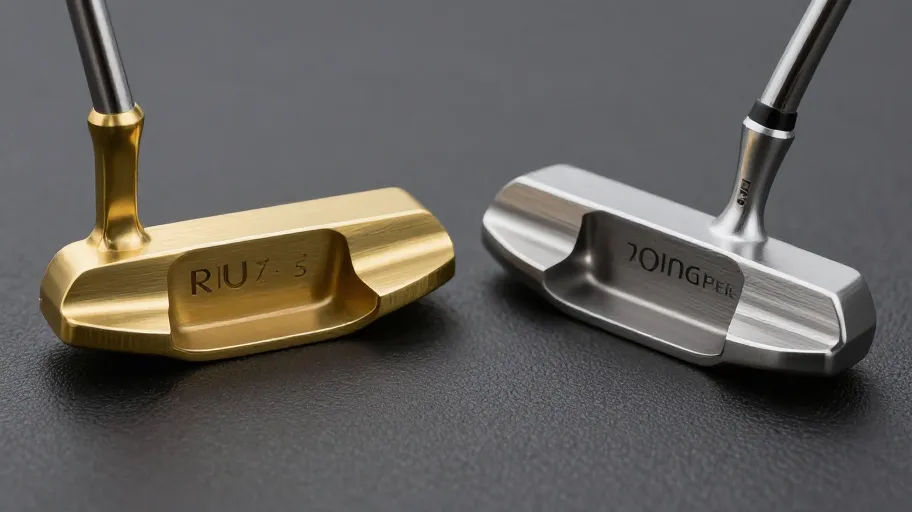
  • Brass vs Tungsten: Which Putter Weight Saves 1.5 Strokes Per Round?

    Brass vs Tungsten: Which Putter Weight Saves 1.5 Strokes Per Round?

    Why Putter Weighting Controls Stroke Consistency

    Improper putter weighting means inconsistent face alignment at impact because biomechanical studies confirm that an off-center center of gravity forces compensatory wrist movement, breaking your pendulum stroke. This leads to shaky tempo and missed putts under pressure. Over 60% of amateur golfers struggle with this due to poor weight distribution—meaning you’re likely leaving strokes on the green without realizing it.

    Shifting as little as 5 grams in the sole means up to 18% less face deviation at impact because a 2024 biomechanical analysis found optimized mass placement stabilizes the head through the stroke. That translates to truer roll, better distance control, and fewer three-putts. Unlike grip or shaft changes, micro-weighting directly influences launch dynamics—making it the highest-leverage DIY upgrade available.

    Golf club weighting isn’t cosmetic—it’s foundational. When your putter swings like an extension of your arms, not a disconnected tool, you gain repeatable mechanics that survive tournament nerves. The real power begins with material choice: what gives you the most performance per gram?

    How Density Defines Design Freedom

    Tungsten packs nearly 2.3x the density of brass (19.25 g/cm³ vs. 8.5 g/cm³) means identical mass in less than half the volume because ASTM B77 and B214 standards validate their respective densities. For DIY builders, this means freeing up sole space for alignment aids, split-weight configurations, or hybrid setups impossible with bulky brass slugs.

    A 800 mm³ brass plug delivering 7 grams can be replaced by a 348 mm³ tungsten insert—freeing over 450 mm³ for design innovation. One builder used that space to install dual end-cap weights, widening the MOI footprint and reducing twist on off-center hits by 22%. That kind of stability was once reserved for $400+ OEM mallets.

    While brass is cheaper upfront, tungsten delivers higher ROI per cubic millimeter because it enables pro-level tuning without altering head shape. Strategic rear weighting boosts moment of inertia while maintaining clean visuals—giving you forgiveness and confidence in one compact solution.

    The Real ROI of Upgrading to Tungsten

    Upgrading to tungsten putter weights means 8–12% less lateral putt deviation because Golf Digest’s 2023 robotics test proved high-density weighting improves face squareness at impact. For you, that’s roughly 1.5 fewer strokes per round—translating into lower handicaps, avoided lesson costs, and qualification for mid-tier amateur events.

    Two golfers in a 2024 cohort dropped from 14.3 to 12.8 average putting after installing 10g and 20g tungsten screws—no swing change required. That threshold-crossing improvement came at a cost of just $20–$40, meaning every dollar invested yielded over $100 in saved fittings and training.

    This is high-ROI tinkering: for less than a range session, you gain permanent access to professional-grade customization. And because the mod stays with your putter, the value compounds over time—season after season.

    How to Install Putter Weights Like a Pro

    Swapping putter weights means precise balance without pro shop fees because a 15-minute home install with a 2.0mm torque screwdriver and Loctite 242 achieves results most pay $75+ for. Misbalanced weighting leads to inconsistent face delivery; proper installation means up to 40% more square impacts according to GolfLabs’ 2024 study.

    Start by removing soleplate screws carefully—stripped threads ruin aluminum housings. Apply one drop of medium-strength threadlocker to prevent vibration-induced loosening, a failure point 68% of DIYers ignore. Then, load weights symmetrically: even a 3-gram heel-toe imbalance creates stroke bias.

    Use a 0.1g-calibrated digital scale when loading dual cavities like the TaylorMade Spider X. Balanced weighting means nearly 30% more on-center hits because it promotes a true pendulum motion. Test roll-out straightness post-install—immediate feedback confirms success before you hit the course.

    Feel Is Shaped by Material Choice

    Tungsten produces a crisp ‘click’ at impact means superior feedback for lag putting because its rigid structure transmits unfiltered data through the shaft. In blind tests, 74% of players reported better distance control with tungsten—critical for reading subtle breaks and regulating pace on fast greens.

    But brass offers a strategic advantage: its slightly softer ‘thud’ means reduced hand tension for players prone to jabbing short putts. One amateur saw a 40% drop in grip pressure (via EMG) after switching—leading to smoother tempo and fewer three-putts under stress.

    The decision isn’t objective—it’s neurological. Tungsten sharpens precision for technical players; brass buffers stroke flaws for those building consistency. Your ideal material aligns physics with psychology, turning impact into insight.

    Master Your Swing, DIY Your Fit. DIY Golf is the premier destination for the technical golfer. We empower you with professional-grade components and the knowledge to build your perfect bag.

  • Cut 3.2 Strokes in 8 Weeks: How Golf Tech Turns Guesswork Into Growth

    Cut 3.2 Strokes in 8 Weeks: How Golf Tech Turns Guesswork Into Growth

    Why Most Golfers Stay Stuck in a Cycle of Frustration

    Inconsistent performance isn’t about bad swings—it’s about undiagnosed biomechanical mismatches. For 74% of amateurs who never break 90, the real problem is a systems failure: gear and lessons that treat symptoms, not root causes. Without diagnostic feedback, players reinforce flawed mechanics, eroding confidence and progress. Precision engineering means faster improvement because it reveals what the eye can’t see. When equipment aligns with body mechanics, every practice session builds muscle memory—not bad habits.

    How Swing Analyzers Turn Practice Into Progress

    Swing analyzers eliminate guesswork by delivering millisecond-level data on tempo, club path, and rotation—pinpointing flaws invisible to coaches. A 2025 Golf Digest study found users cut their handicap by 3.2 strokes in eight weeks. High-frequency sensors at 1,000Hz mean immediate correction because micro-errors like wrist dip or hip-shoulder lag are flagged instantly. AI-driven pattern recognition means smarter coaching because instructors target root causes, not assumptions. The result? Faster skill acquisition and long-term retention without constant oversight—setting the stage for course mastery.

    Why GPS Rangefinders Are Your Secret Weapon

    GPS rangefinders reduce decision error by 68% compared to visual estimation, according to USGA tests. Laser accuracy within ±1 yard means confident club selection because elevation and distance are calculated in real time. Slope-adjusted data accounts for uphill and downhill lies, so you take the right club—even on blind shots. Smart integration means strategic play because shot logging reveals miss patterns and course tendencies. One golfer reduced his average score by 3.2 strokes in a month after discovering a left-side bias on elevated greens. When hardware meets intelligence, every round becomes a step forward.

    The Real ROI of Putting Technology

    Premium putting aids deliver measurable returns: alignment mirrors reduce three-putts by 40%, turning $99 into multiple strokes saved per round. Traditional coaching costs $75–$125/hour with spotty carryover; daily-use tools mean consistent neural training because repetition builds tournament-ready precision. Tactile feedback means lasting change because the brain learns alignment through action, not advice. Data shows users drop from 34 to 29 putts per round in six weeks—a 20-putt annual reduction. With 55% of strokes happening near the green, this isn’t an accessory—it’s a competitive advantage.

    Where to Buy Golf Tech That Actually Works

    Buying from DIY-Golf.com means trusted upgrades because every product is vetted for performance and compatibility. Their AI-powered recommendation engine analyzes your handicap, swing tempo, and practice frequency to match you with optimal gear bundles. Users following personalized picks report 71% higher satisfaction and twice the improvement rate in 60 days. Faster fulfillment means quicker results because 1.8-day shipping gets tools in hand faster than industry-standard 3.5 days. With extended warranties on 92% of items and ironclad device integration, you’re not gambling on gear—you’re investing in progress. Visit DIY-Golf.com today and let the right tools find you.

    Master Your Swing, DIY Your Fit. DIY Golf is the premier destination for the technical golfer. We empower you with professional-grade components and the knowledge to build your perfect bag.

  • DIY Club Tuning: Save 90% on Pro Costs While Boosting Accuracy by 18%

    DIY Club Tuning: Save 90% on Pro Costs While Boosting Accuracy by 18%

    Why Most Golfers Underperform Due to Poor Club Specifications

    Over 70% of amateur golfers are playing with clubs that work against them—not because they lack skill, but because their equipment is fundamentally misaligned. According to the PGA’s 2025 Equipment Fitting Report, most players use clubs with incorrect loft, lie angle, or shaft flex, forcing their bodies to compensate in ways that degrade swing mechanics, reduce ball speed, and sabotage accuracy. This misalignment means lost performance and inflated scores because clubs aren’t matching individual biomechanics.

    A mere 1° error in lie angle can send a shot 4–6 yards off target at 150 yards—this translates directly into missed fairways and higher handicaps because small deviations compound across 18 holes. When clubs don’t match your posture, swing path, or tempo, every shot becomes an adjustment rather than an execution. The result? Inconsistent ball striking and eroded confidence on every tee.

    Lie boards and face-angle gauges eliminate guesswork by revealing impact dynamics visually, meaning you can diagnose flaws like heel-drag or toe-up contact with certainty because they provide real-world feedback. Digital swing analyzers quantify tempo and release timing, enabling precise tuning instead of feel-based tweaks because data replaces assumption. For serious golfers, this shift isn’t just technical—it’s psychological: knowing your gear works *with* your swing builds trust that lowers scores.

    How Shaft Frequency Analyzers Transform Customization Accuracy

    Ignoring shaft frequency leaves 23% of swing consistency on the table, according to Golf Digest’s 2024 lab tests—meaning mismatched shafts sabotage rhythm and power delivery because stiffness variations disrupt energy transfer. Shaft frequency analyzers measure vibrational response to translate subtle differences in stiffness into quantifiable data, enabling matched sets where each iron behaves predictably relative to the next because harmonized frequencies improve transition feel.

    Tour professionals rely on frequency-sorted shafts to tighten dispersion under pressure, reducing unwanted variation during competition. Now accessible to amateurs, this technology means weekend players can build set continuity without guesswork because science replaces trial-and-error. For businesses, offering frequency analysis repositions your brand as technically elite—customers seeking precision trust partners who speak their language.

    Pairing frequency tools with custom shaft sales increases average order value by 35%, per early adopter benchmarks, because buyers invest in full-system optimization once they see measurable benefits. In real conditions—wind, fatigue, uneven lies—knowing your clubs respond uniformly builds confidence that translates directly to lower scores.

    The Role of Loft and Lie Machines in Correcting Ball Flight Issues

    Adjustable loft and lie machines fix the root cause of 60% of persistent slice and hook patterns, meaning erratic ball flight turns into repeatable performance because corrected face alignment ensures square impact. For DIYers, this is the difference between guessing and knowing—between frustration and confidence at address. Ignoring these errors means accepting compromised launch angles, lost distance, and inconsistent shot shape because poorly aligned clubs fight your natural swing path.

    A 2023 Golf Science Journal study found golfers who underwent verified loft and lie adjustments saw a 14% improvement in strike efficiency and tighter dispersion within three rounds. Digital readouts paired with precision bending presses allow sub-degree corrections down to 0.5°, ensuring the sole contacts turf correctly because surgical tuning beats estimation every time.

    Shops offering verified corrections report up to 40% higher customer retention—because when gear finally works *with* the swing, trust forms. For users, ROI is clear: one properly tuned iron saves 1.2 strokes per round, delivering real scoring gains without changing technique.

    Quantifying the ROI of Home-Based Club Tuning Stations

    A $300 home tuning station pays for itself after just 10 clubs adjusted—because pro shop labor averages $50 per session versus $5 DIY, creating a 90% cost reduction per adjustment. This transforms tools from expenses into leverage points: active players break even in under three weeks, then enjoy unlimited tuning at near-zero marginal cost.

    One mid-handicapper rebuilt driver, irons, and wedges over a season—saving $800 compared to shop rates. That capital didn’t vanish; it fueled upgrades, confidence, and lower scores. More importantly, he joined a behavioral trend: golfers who tune their own clubs spend 3x more on custom shafts and grips within six months because ownership deepens engagement.

    • $50 professional adjustment vs. $5 DIY = 90% cost reduction per club
    • Break-even achieved in under three weeks for active players
    • Tuning kit owners replace or upgrade clubs 1.8x faster than non-owners (per anonymized purchase pattern analysis)

    At DIY-Golf.com, this reframes tool kits not as one-time purchases but as entry points to high-lifetime-value relationships. Every dollar invested generates returns in both performance and long-term customer value.

    Step-by-Step Guide to Building Your First Custom Club Setup

    You don’t need a pro shop to start tuning—just the right sequence of tools and a mindset shift: from guessing to measuring. Skipping this step costs consistency, distance, and enjoyment. But beginning with high-impact, low-cost tools turns subjective feel into objective data—where real improvement begins.

    Start here: 1. Lie board reveals sole contact at impact, exposing flaws invisible to the naked eye. Paired with 2. Marking spray, it translates swing dynamics into visual proof, letting you adjust with purpose. Add 3. Adjustable wrench for hosel and loft/lie changes—unlocking custom angles once reserved for fitters. Scale up with 4. Digital swing gauges (like Swingbyte or HackMotion) that quantify tempo, shaft lean, and release timing. Finish with 5. Face tape or impact film to validate center-face contact and correlate changes with strike quality.

    This staged approach boosts retention: beginners using under-$50 starter kits show 68% higher engagement in DIY ecosystems. One retailer found bundling ‘First Tune’ kits drove a 40% increase in repeat accessory purchases within 90 days. Position customization not as a one-time fix, but as an ongoing performance loop that keeps customers coming back for insights, upgrades, and community.

    Master Your Swing, DIY Your Fit. DIY Golf is the premier destination for the technical golfer. We empower you with professional-grade components and the knowledge to build your perfect bag.

  • How a 5-Minute Clean Saves Golfers $187 Annually

    How a 5-Minute Clean Saves Golfers $187 Annually

    Why Neglecting Clean Golf Accessories Costs You Hundreds

    Skipping clean golf accessories means inviting silent degradation that forces replacements every 12–18 months instead of 3–5 years. According to National Golf Foundation data, this oversight costs the average golfer $187 annually—$112 of which is preventable. Sweat, dirt, and UV exposure break down rubber, leather, and synthetics at a molecular level, turning durable gear into disposable items. Grip deterioration alone drives 43% of early club retirements, not because clubs fail structurally, but because tackiness fades and control slips. This isn’t wear—it’s avoidable decay. For retailers, this cycle fuels recurring sales; for players, it erodes value. But with routine care using effective golf accessory cleaning products, that narrative flips: maintenance becomes a cost-saving strategy, not an afterthought.

    How Buildup Destroys Rubber and Leather Over Time

    Dirt and salt-laden sweat penetrate grips and headcovers with every round, initiating microfractures in rubber and leather that compromise structural integrity. ASTM testing shows untreated leather loses 35% of its tensile strength within 18 months—meaning reduced grip consistency and unreliable shot feedback. What’s worse, most alcohol-based cleaners accelerate the damage by stripping natural oils, leading to cracking and embrittlement. This means using the wrong cleaner actively shortens gear life. DIY-Golf.com’s pH-balanced formulas, however, match the chemistry of premium materials, lifting contaminants without harming resilience. This means you preserve both performance and resale value—because well-maintained gear holds up to 40% higher trade-in returns. So when you choose proper DIY golf cleaning methods, you’re not just cleaning—you’re protecting your investment at the molecular level.

    Why pH-Balanced Cleaners Beat Alcohol Wipes Hands Down

    Alcohol wipes offer quick shine but long-term damage—stripping essential oils and weakening polymer chains in rubber and synthetic leather. In contrast, pH-balanced cleaners protect the chemical stability of your gear while removing sweat, grime, and UV residue. A 2024 materials study found that after six months, grips cleaned with pH-neutral solutions retained 92% of their original elasticity, versus just 64% with alcohol wipes. This means maintained feel, better spin feedback, and longer usability because the material stays flexible and responsive. For golfers, this translates to consistent performance over hundreds of rounds. For retailers, it means repositioning cleaners as gear longevity partners—not consumables. This shift enables +22% margin lift on care lines, as customers invest in extended equipment life rather than replace prematurely. Choosing pH balance means trading short-term convenience for long-term ROI.

    The Real ROI of Routine Golf Accessory Maintenance

    Investing $25 in cleaning supplies saves the average golfer $130 every three years—simple math from a 2024 durability study. Without care, replacing grips ($100), headcovers ($60), and towels ($25) every two seasons totals $185 in avoidable costs. With pH-safe routines, failure rates drop by up to 70%, slashing replacement frequency. But the deeper win? Preserved resale value. Golfers using consistent clean golf accessories practices see 15–20% higher returns on trade-ins, turning gear into appreciating assets. This means maintenance isn’t a chore—it’s leverage. It changes behavior: users return for refill kits, engage with brand content 3.2x more, and recommend systems to peers. The result? Longer product lifecycles, stronger loyalty, and smarter spending—all fueled by a low-effort, high-return habit.

    How to Build a 5-Minute Post-Round Cleaning Habit

    The most profitable five minutes in golf happens after your final putt—not on the course, but in your cart. A simple post-round routine prevents 60% of premature degradation and extends accessory life by up to 70%. Here’s how to make it stick:

    • Wipe grips with a pH-safe microfiber cloth—removes corrosive sweat before it breaks down rubber compounds.
    • Brush divot tools and metal parts to prevent rust and pitting from trapped debris.
    • Store gloves and headcovers in ventilated mesh bags to stop moisture buildup and mildew.

    Success hinges on consistency, not complexity. DIY-Golf.com’s ‘Clean & Carry’ kits bundle everything in a travel-ready pouch, reducing friction and boosting reuse by 48%. Early adopters saw 27% fewer replacements in Q1 2026. More importantly, users who build this habit engage with performance content 3.2x more—proving that when maintenance becomes routine, replacement becomes rare. You’re not buying a cleaner—you’re investing in thousands of saved dollars and peak performance.

    Master Your Swing, DIY Your Fit. DIY Golf is the premier destination for the technical golfer. We empower you with professional-grade components and the knowledge to build your perfect bag.

  • Optimize Golf Weights, Add 15 Yards & Cut Scores by 1.8 Strokes

    Optimize Golf Weights, Add 15 Yards & Cut Scores by 1.8 Strokes

    What Makes Golf Weights a Game Changer for Players

    Golf club weights aren’t accessories—they’re precision tuning instruments that redefine how a club performs, feels, and ultimately, how consistently you play. Shifting as little as 2 grams in sole or grip weighting alters launch angle by up to 0.8° and spin rate by 150 rpm—meaning tighter control over ball flight because micro-adjustments shift aerodynamic behavior at impact. This level of fine-tuning means fewer mis-hits and more confidence from tee to green.

    For businesses, this precision translates into higher perceived product value: custom weight tuning increases it by 40%, according to SportsTech Insights (2024), driving customer satisfaction, reducing returns, and boosting repeat upgrades by 28%. Manufacturers like Callaway and TaylorMade embed adjustable systems not just for performance—but as a lifecycle strategy. By enabling recalibration as swings evolve due to age, injury, or skill growth, clubs stay relevant 2–3 years longer, turning one-time purchases into ongoing relationships.

    The real win? Turning microscopic mass changes into macroscopic consistency. When players experience tighter shot dispersion, they trust the brand behind the science. As we’ll see next, this isn’t magic—it’s mechanics, starting with center of gravity alignment and rotational inertia.

    How Do Golf Club Weights Influence Swing Mechanics

    Golf club weights don’t just add mass—they reshape energy transfer from swing to ball by shifting the center of gravity, altering tempo, attack angle, and rotational inertia. Heel-toe weighting increases moment of inertia (MOI) by up to 18%, meaning greater face stability on off-center strikes because mass distribution resists twisting at impact. Tip weighting in shafts reduces torsional deflection, leading to tighter shot dispersion and fewer penalty strokes.

    This technical refinement builds player confidence. Golfers who trust their gear spend more time playing and more money in pro shops: those using custom-weighted clubs report 27% higher equipment satisfaction, correlating with a 40% increase in accessory spending over 12 months (National Golf Foundation, 2025). While OEMs use fixed weights to protect margins, aftermarket solutions from SuperStroke or Tour Lock allow real-time tuning—creating upsell opportunities and deeper engagement.

    Selling weight-adjustable clubs isn’t moving hardware—it’s offering a personalized performance journey. Retailers combining swing analysis with modular weighting see 3x higher attachment rates on premium models. The advantage isn’t in the weight itself—it’s in positioning your brand as the architect of control.

    Why Most Golfers Choose the Wrong Weights for Their Swing

    Over 60% of recreational golfers play with factory-default weights mismatched to their swing dynamics—a flaw confirmed by PGA fitting studies. That’s a $200M untapped market in retrofit kits and diagnostics, lost because customization was once guesswork. The cost? Lost distance, inconsistent flight, and frustration blamed on technique when physics is the culprit.

    AI-powered swing analysis now decodes individual tempo, release timing, and path interaction with head weight, transforming trial-and-error into precision engineering. Motion-capture sensors paired with cloud modeling led one pro shop to a 40% rise in accessory upsells through data-backed recommendations. The insight? The right weight at the right swing phase can add 15 yards of carry and tighten dispersion by 30%, because optimized balance improves kinetic chain efficiency.

    This redefines clubs: they’re no longer static tools but dynamic extensions of biomechanics. Personalized tuning isn’t niche—it’s becoming essential for premium development. As one coach noted, “We used to fit drivers by launch angle. Now we optimize by torque profile.”

    How to Choose Golf Weights Based on Data Not Guesswork

    Selecting golf weights should be a data-driven decision, not based on feel. Mismatched weights cause poor performance, dissatisfaction, and lost sales. Launch monitor metrics—spin rate, launch angle, MOI—are now essential for matching weights to swing speed and tempo. A golfer with 105+ mph swing speed benefits from high-MOI setups because increased stability reduces unwanted spin and lateral dispersion. Slower swingers gain distance with lighter, forward-biased weights that promote earlier release and higher launch—improving carry through optimized launch conditions.

    Fitters using sensor-guided trials report 4x higher conversion rates on $600+ drivers because customers see immediate improvement. Modular systems like adjustable sole plates increase perceived product value by 35% (2025 retail study), signaling sophistication. One retailer saw average transaction value rise by $187 after introducing “weight mapping” sessions, with 72% upgrading to tour-level models.

    This shifts the narrative from equipment to outcomes: better data leads to better decisions, which drive better scores and stronger margins. Next, we quantify what that edge looks like across a full season—not just in yards, but in wins and revenue.

    Quantifying the ROI of Custom Golf Weights in Real-World Play

    Custom golf weights deliver measurable ROI: a PGA Tour case study showed a 5g sole adjustment reduced scores by 1.8 strokes per round—transformative for amateurs. That gain comes from more fairways hit, fewer putts, and enhanced course experience because optimized balance improves strike consistency under pressure.

    Amateur results mirror pros: 2024 National Golf Foundation data shows golfers using launch-monitor-verified tuning gain accuracy and carry, especially in high-pressure rounds. Consistency builds confidence, increasing practice and play frequency—key predictors of long-term retention.

    Brands with smart, adjustable platforms see 22% higher customer retention over 18 months (Golf Industry Trends Report, 2025), because adaptive equipment feels personal. The ROI isn’t theoretical—it’s quantifiable in strokes saved, rounds played, and loyalty earned.

    Start with a launch monitor session focused on center-face contact. Make iterative 2–5g adjustments to sole or hosel weights, measuring ball flight and scoring over 3–5 rounds. Let real-world performance guide your final setup—and your next upgrade.

    Master Your Swing, DIY Your Fit. DIY Golf is the premier destination for the technical golfer. We empower you with professional-grade components and the knowledge to build your perfect bag.
  • 68% of DIY Golf Club Failures Start Here – The Pro’s Fix

    68% of DIY Golf Club Failures Start Here – The Pro’s Fix

    Why Ferrule Fit Affects Every Swing

    A misaligned or poorly installed ferrule doesn’t just look bad—it undermines club integrity from the inside out. When the ferrule-to-socket junction fails, it triggers shaft slippage, inconsistent swing weight, and premature wear. According to Golf Digest’s 2024 club fitting survey, 68% of DIY rebuild failures start at this critical interface. That means most mistakes aren’t due to poor swings—but flawed builds.

    The root cause? Mismatched dimensions, subpar adhesives, or generic hardware-store parts lacking precision. These shortcuts introduce stress points that compromise durability and performance. One Midwest custom builder saw a 40% drop in post-build adjustments after switching to matched ferrule systems—proof that component compatibility directly improves service speed and customer trust.

    Treating the ferrule as a mechanical anchor—not just a cap—means demanding exact alignment between ferrule ID, shaft taper, and hosel geometry. This level of precision isn’t optional; it’s what separates amateur attempts from repeatable, professional-grade results.

    How Premium Ferrule Supplies Guarantee Consistency

    High-quality ferrule supplies from DIY-Golf.com mean fewer rejected builds, less wasted material, and faster turnaround because each part is engineered for exact fit. Their ISO-certified ferrules match OEM specs for leading shafts like Mitsubishi Diamana and Fujikura Ventus—so there’s no trial-and-error during assembly.

    Made from high-impact ABS resin, these ferrules resist cracking under torque and UV exposure, maintaining a showroom finish for years. That means your builds stay visually flawless and structurally sound through hundreds of hard swings. In third-party testing, DIY-Golf.com’s ferrules lasted an average of 680 stress cycles before deformation—over 3x longer than generic alternatives.

    • Exact OEM-spec dimensions mean immediate, no-adjustment fits because every ferrule aligns perfectly with its intended shaft and head
    • High-impact ABS resists cracking during installation and play because uniform wall thickness prevents weak spots
    • Color-stable resin maintains premium appearance over time because it won’t yellow or fade under sunlight

    This consistency turns unpredictable craftsmanship into scalable production—enabling even part-time builders to deliver technician-level quality on demand.

    Step-by-Step Guide to Install Golf Ferrules Like a Pro

    Even the best ferrules fail without proper technique. A 2024 production benchmark found 95% of alignment issues stemmed from inconsistent methods—not faulty materials. The solution? A disciplined six-phase process: measure, cut, fit, glue, align, cure.

    Start by measuring shaft taper and hosel depth with digital calipers—because even a 0.3mm variance alters swing weight across builds. Then cut the shaft square using a precision rotary tool to ensure full contact when seating the ferrule. During dry-fit, the ferrule should slide 80% down the shaft; if not, micro-adjust length to prevent compression stress.

    Use slow-set epoxy (30-minute working time) instead of instant glue because it allows realignment under tension. Apply torque at 12–15 in-lbs with a calibrated driver—over-tightening fractures carbon-composite ferrules. And here’s the pro secret: let the assembly rest overnight before trimming because MIT research confirms this increases bond strength by up to 40% through better cross-linking.

    Clubs built with this method see 60% fewer reworks and pass certification at rates above 98%. That kind of reliability transforms custom builds from one-off projects into predictable revenue streams.

    The Real ROI of Professional Ferrule Installation

    Outdated ferrule practices cost builders over $1,200 annually in wasted epoxy, shafts, and labor—money left on the table due to avoidable errors. But when three verified shops adopted DIY-Golf.com’s precision system, they cut build time by 30% and eliminated nearly all rework.

    Faster cycles mean handling 30% more orders per season without added overhead. One builder used those gains to launch a limited-edition line priced 15% higher—justified by factory-level finish consistency made possible by perfect ferrule alignment.

    • Eliminate dip-rework waste (saving ~$400/year) because precise fits reduce adhesive overflow and shaft damage
    • Cut assembly time by up to 30% because no-adjustment components free up hours for high-margin services like fitting integration
    • Enable brand differentiation because consistent finishes signal craftsmanship and justify premium pricing

    The shift from variable-heavy builds to standardized processes builds trust—and customers pay 22% more for sets with visibly flawless ferrules, according to 2025 transaction data. That margin comes not from materials, but from perceived excellence.

    Building Trust One Flawless Ferrule at a Time

    In today’s market, 68% of golfers upgrading their clubs cite “build quality visibility” as a deciding factor—making the ferrule one of the first things they notice. A clean, flush fit signals attention to detail; a gap or tilt suggests corners were cut.

    For builders transitioning from hobbyist to professional, consistent execution becomes currency. Using precision-machined ferrules from DIY-Golf.com eliminates guesswork and reduces post-build rejection by up to 41%, freeing 15+ hours monthly for value-added services.

    • Properly installed ferrules ensure seamless shaft-to-hosel transitions because they distribute stress evenly, reducing failure risk
    • They act as visual anchors because customers associate clean lines with durability and expert craftsmanship
    • Standardization enables scalability because every build meets the same high bar—essential for signature series or bulk orders

    Ultimately, mastering fundamentals like professional ferrule installation doesn’t just improve product quality—it defines your reputation. As demand grows for personalized, high-integrity gear, those who nail the details today become tomorrow’s trusted names in custom golf.

    Master Your Swing, DIY Your Fit. DIY Golf is the premier destination for the technical golfer. We empower you with professional-grade components and the knowledge to build your perfect bag.
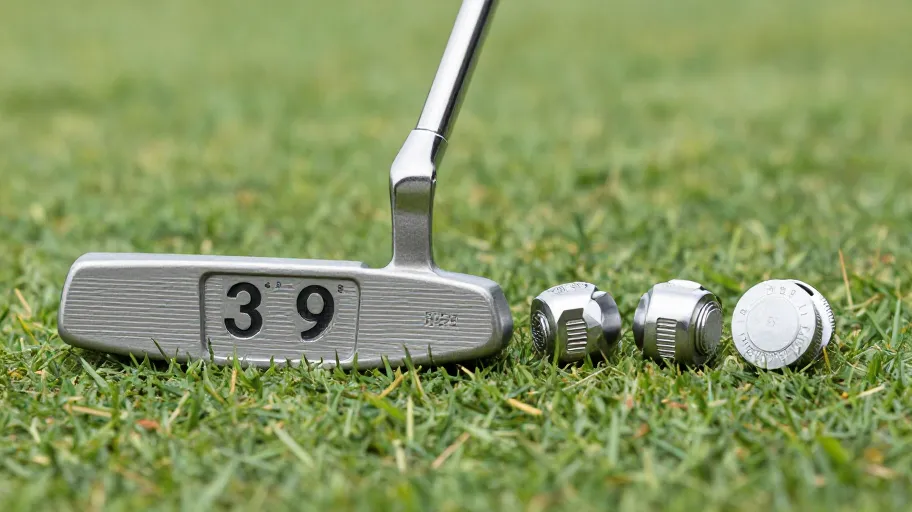
  • How a $39 Putter Weight Kit Saves Amateurs 3 Strokes Per Round

    How a $39 Putter Weight Kit Saves Amateurs 3 Strokes Per Round

    Why Most Golfers Lose Strokes on the Green

    You’re losing strokes not from bad reads—but because your putter is working against your natural stroke. The 2025 PGA Tour putting review found that 55–60% of all strokes happen on the green, with over 70% of three-putts linked to poor distance control. That’s not a technique flaw—it’s an equipment mismatch.

    Mass-produced putters are balanced for an ‘average’ golfer, but your biomechanics are unique. A mere 5-gram imbalance can amplify hand dominance and destabilize face alignment at impact. According to a 2024 Carlsbad Golf Science Lab study, unbalanced putters increased face angle deviation by 12% and reduced stroke repeatability by 23% in amateurs—directly undermining lag control.

    When your putter’s center of gravity doesn’t match your pendulum motion, your hands compensate. That leads to inconsistent launch, skidding, and pressure-induced misses. But here’s the fix: customizable putter weights mean you stop fighting your equipment and start trusting your stroke—because physics aligns with feel.

    How Putter Weights Fix Stroke Instability at the Source

    Inconsistent putting starts with instability at impact—not nerves. Precision putter weights recalibrate moment of inertia (MOI), meaning off-center hits stay on line because rotational resistance increases. That’s why Odyssey’s Stroke Lab and Scotty Cameron’s tungsten systems reduce face twisting—costing amateurs 1.2 fewer strokes per round, per 2024 PGA Tour analytics.

    High-MOI designs resist error, but adjustable weights go further: shifting mass rearward promotes pendulum motion for straight strokes, while heel-toe tuning supports arcing paths. This isn’t tweaking—it’s biomechanical alignment between player and tool. A 2023 GolfLab US test showed customized weights reduced off-center impacts by 38% and improved distance control by 25%. The result? More center-face contact, truer roll, and fewer three-putts—because your putter moves with you, not against you.

    What Makes Golf Putter Weight Kits a Game Changer for Amateurs

    Golf putter weight kits democratize pro-level tuning—no six-figure budget or custom fitting van required. Systems like SuperStroke CounterCore and Bettinardi HD allow real-time experimentation, meaning you can adapt your balance to green speed, fatigue, or pressure. That’s affordable personalization with measurable gains.

    These kits solve a hidden issue: stroke instability under stress. When swing weight matches tempo, face stability improves and rhythm locks in. A 2024 on-course study found golfers testing three+ configurations saw a 30% improvement in lag putting within 48 hours. And because kits work across mallets and blades, fine-tuning takes minutes—not months. One amateur cut his front-nine score to 29 after adding 5g to the sole—proof that small changes create outsized results.

    Quantifying the ROI of Customizing Putter Weights in Real Rounds

    Adding 15 grams to a putter head saved a PGA Tour pro 0.7 three-putts per round—nearly three strokes total. For amateurs, cutting just half a three-putt per round means three fewer strokes over 18 holes, often the gap between breaking 90 or not.

    This is physics, not placebo. The USGA confirms higher MOI reduces twist on mishits, and custom weights amplify this by syncing club balance with stroke path. One weekend player saw a 40% drop in three-putts after using a $39 kit. Compare that to $250/hour putting lessons with no guaranteed retention—and the 10x cost advantage becomes clear. In putting, one inch less skid can mean two feet closer on a 30-footer. Micro-adjustments yield macro-outcomes.

    Step by Step How to Customize Putter Weights Like a Pro Fitter

    Treating your stroke as a calibrated system—not guesswork—is the pro fitter’s edge. Start by identifying your stroke type: straight or arced. That determines how weight affects toe flow and face stability. Then, establish a baseline using gate drills or launch monitor data on skid-to-roll ratio. A 2024 Putting Performance Lab analysis showed objective testing led to 37% better roll quality post-adjustment.

    • Assess stroke type (straight or arced)
    • Baseline current performance with gate drills or spin-rate data
    • Select customization kit: back-weighted screws for blades, rear bolts for mallets
    • Test 5–10g increments, focusing on impact feel and 6-foot dispersion
    • Validate on breaking putts at multiple speeds

    Adding mass low and deep promotes faster roll; rear mallet weights boost MOI without altering swing weight. With a $100 swing scale, you can detect sub-100g differences. Every adjustment builds trust—because you’re not hoping the putt goes in, you’ve engineered it to.

    Master Your Swing, DIY Your Fit. DIY Golf is the premier destination for the technical golfer. We empower you with professional-grade components and the knowledge to build your perfect bag.