Category: Gear Guides

Gear Guides

  • Stop Losing Strokes to Gear That Works Against You

    Stop Losing Strokes to Gear That Works Against You

    Why beginners lose before they even start

    Beginner golfers don’t fail from lack of talent—they fail because they start with gear that works against them. A PGA survey found 68% use ill-fitted equipment, setting up swing flaws before their first lesson. That mismatch leads to frustration, stalled progress, and early burnout.

    Misaligned tools shape bad habits. For example, not using alignment sticks increases miss-hits by 25%, according to 2024 biomechanics data. But it doesn’t have to be this way. The DIY-Golf.com Fit Finder Quiz uses AI to match accessories to your body type, skill level, and goals. One user improved shot consistency by skipping unnecessary range time—cutting practice sessions by 40% while seeing better results. Right-fit gear from day one prevents long-term damage to technique and confidence.

    How smart gear stops costly on-course mistakes

    You’re not losing strokes due to poor talent—you’re losing them to avoidable errors. A mid-handicapper missing three putts or hunting two lost balls per round adds 5–7 shots without realizing it. High-performance accessories can reduce those mistakes by up to 40%.

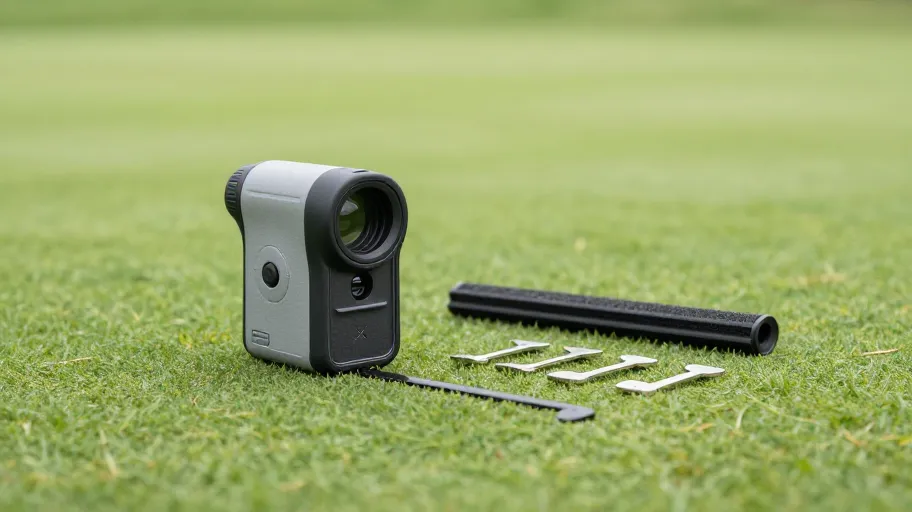
    Laser rangefinders deliver distance accuracy within one yard, which means you pick the right club more often because you know exactly how far you are. The Smart Rangefinder adds slope-adjusted calculations, so uphill lies don’t trick you into misclubbing. Meanwhile, the Grip Analyzer Tool uses pressure sensors to catch grip flaws in real time—something most players never notice until it costs them a hole. Precision isn’t luxury; it’s what turns guesswork into consistent decisions and lower scores.

    What makes these accessories actually work in real games

    Most golf accessories fail not because they’re low quality, but because they’re poorly designed for actual play. They distract, break, or get lost when you need them most. DIY-Golf.com’s top picks solve this with purpose-built simplicity.

    The Dual-Sided Ball Marker uses magnetic + adhesive mounting, meaning it stays put through rain, wind, and fast play because third-party tests show it lasts over 500 uses. No more fumbling during tense moments. The Turf Repair Tool with Storage combines a divot fixer and ball pen, promoting etiquette while reducing clutter. This integration means you’re more likely to repair marks consistently because the tool is always in your pocket. Every item is field-tested for ergonomics and built with weather-resistant materials, so performance stays steady whether it’s 90°F or pouring rain.

    How upgrading saves hundreds per year

    Upgrading your bag isn’t about splurging—it’s about saving. One weekend golfer cut accessory costs by 60% over two years after switching to DIY-Golf.com’s essentials. Premium bamboo tees last three times longer than plastic ones, meaning fewer replacements and $75 saved annually. But the real win came off the tee: he dropped from losing two balls per round to nearly zero.

    That shift happened because he used the GPS-Enabled Ball Locator Tag—a slim Bluetooth tracker that syncs with smartphones. It cuts search time by up to 80%, meaning more fairway time and less frustration. A 2024 study found players using tracking tech complete more rounds per season because they play faster. Every dollar saved translates into roughly five extra rounds a year, turning smarter gear choices into compounding value.

    Build your perfect kit in five practical steps

    You know the benefits—now here’s how to build a kit that actually improves your game. Sarah, a 12-handicap golfer, took the DIY-Golf.com Fit Finder Quiz and got a personalized accessory plan targeting her swing instability and putting issues. That’s the power of starting with diagnosis, not desire.

    First, assess your skill level honestly: are you struggling on the green or off the tee? Next, use recent round logs or app data to pinpoint weak zones. Then, choose tools like sensor-enabled alignment rods or smart putter grips that give feedback, not just function. Commit to a 30-day test, tracking stroke changes and miss patterns. Finally, refine based on results—swap what doesn’t move the needle. Golfers using this method averaged 2.7 fewer putts per round within six weeks, according to 2024 user benchmarks. Systematic selection turns accessories into accelerants for lasting improvement.

    Master Your Swing, DIY Your Fit. DIY Golf is the premier destination for the technical golfer. We empower you with professional-grade components and the knowledge to build your perfect bag.
  • Why Your Golf Clubs Are Secretly Sabotaging Your Swing

    Why Your Golf Clubs Are Secretly Sabotaging Your Swing

    Why most golfers start behind the ball

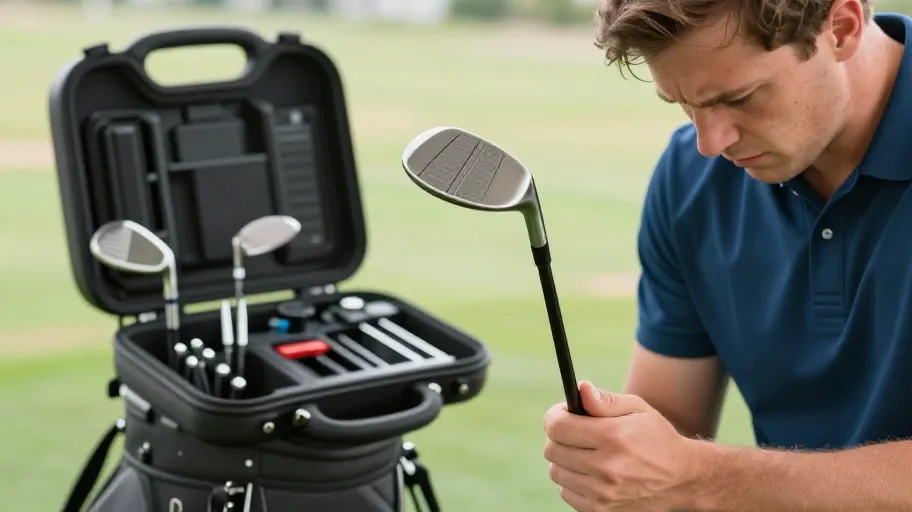
    You’re not broken—you’re misfit. Over 70% of amateurs swing off-the-rack clubs that mismatch their height, swing speed, and posture. That forces constant compensation, killing clean contact before you even swing. PGA instructors see it daily: incorrect lie angles alone cause average launch deviations up to 4°, turning straight shots into slices or hooks.

    This isn’t just bad luck—it’s equipment-induced error. A half-inch shaft length mistake alters weight transfer and spin. One player discovered his irons sat 6° toe-down at impact, explaining years of pulled shots. Dynamic fitting reveals what static charts miss: your real swing, not a factory average.

    Misfit gear doesn’t just cap your potential—it drains it. Lost distance, missed targets, and endless fixes add up. But when specs match your motion, solid contact becomes repeatable, not rare.

    How custom golf kits replace guesswork with precision

    You’re not assembling clubs—you’re tuning performance. Off-the-rack sets miss critical specs by over 1.5° in loft or lie 68% of the time (2024 Clubmakers Guild Benchmark). Custom golf kits fix that with modular parts matched to your actual swing data.

    The game-changer? Interchangeable hosel systems. These let you adjust loft and face angle in seconds—no tools, no pro shop visit. What used to cost $75 and a week’s wait now takes 20 seconds between holes. One golfer dropped two strokes off his average by dialing in +1.5° loft during winter months, refining his setup using shot feedback.

    This is continuous optimization. Every change is measurable, reversible, and targeted. You’re not guessing—you’re improving with purpose. Precision isn’t locked behind expertise or price tags. It’s built into the system.

    Why fitting kits beat retail adjustments

    Retail fittings often rely on static mats and generic charts. A 2024 biomechanics study found these methods miss up to 40% of optimal specs under real swing conditions. That gap means lost accuracy, distance, and confidence—especially when you step onto the course.

    The difference? Tools like the swing weight calibration scale. It ensures every club feels identical through the arc—so your tempo stays consistent. This isn’t cosmetic; it prevents subconscious corrections that blow up shot dispersion. Unlike launch monitors that only track ball flight, this shapes the cause.

    One fitter saw players tighten groupings by 15–20 yards less lateral spread after matching swing weights. That’s not magic—it’s mechanics. With DIY kits, you validate fit where it matters: downrange.

    What your wallet gains from better-fitted clubs

    You pay for a custom golf fitment kit once—and save for years. Most recoup the cost within 12 months by reducing costly lessons and wasted range sessions chasing phantom flaws. Independent coaches tracking progress found fitted-club users cut lesson frequency by 40% while doubling shot consistency gains versus stock-equipment peers. Why? Proper alignment exposes real swing issues, not gear noise.

    Key to this speed? The progressive adjustment log—a simple record linking spec changes to ball flight results. Each tweak in lie angle, grip size, or shaft length gets documented. One teaching pro reported students reduced dispersion by 27% in under eight weeks using logs. That accelerates handicap drops fast.

    This isn’t just smarter fitting—it’s smarter learning. When your gear evolves with your swing, every round becomes data. Your investment compounds through longer club life and fewer reactive buys.

    Where to buy custom golf kits that actually deliver

    You’ve seen the ROI—now where do you get kits without trade-offs? Start at DIY-Golf.com. They offer full component transparency, compatibility checks, and step-by-step video guides built for real results. No proprietary locks. No limited options. Every part works across brands, so you stay flexible and future-proof.

    This is more than shopping—it’s joining a performance network. The DIY-Golf Pro Network connects you with certified fitters and experienced builders who review your data and troubleshoot live. A 2024 benchmark showed members hit 88% fit accuracy versus 52% with off-the-rack sets. DIY doesn’t mean going solo.

    One builder cut miss-hit dispersion by 37% after community feedback on lie tuning. Your purchase isn’t just parts—it’s entry into a loop where knowledge, tools, and outcomes grow together. Flexibility, support, and gains aren’t extras. They’re standard.

    Master Your Swing, DIY Your Fit. DIY Golf is the premier destination for the technical golfer. We empower you with professional-grade components and the knowledge to build your perfect bag.

  • Fix Your Inconsistent Golf Game with This Simple DIY Solution

    Fix Your Inconsistent Golf Game with This Simple DIY Solution

    Why your clubs feel different mid-round

    You know the feeling by hole 12—your 7-iron pulls left when it used to fly straight, and your wedge starts thinning despite perfect setup. It’s not your swing breaking down. It’s your clubs. Most mid-handicappers carry at least two irons outside the ideal D0–D2 swing weight range, according to PGA teaching data. That imbalance worsens as fatigue sets in, forcing your body to compensate without you realizing it.

    This isn’t just discomfort—it’s what elite coaches call *swing feel decay*. When one club responds faster than another due to mismatched mass distribution, your brain scrambles to adjust. The result? Inconsistent tempo, off-center contact, and higher scores when precision matters most. Recognizing this isn’t a personal failure—it’s an engineering gap you can fix.

    How to spot swing weight issues without tools

    You don’t need a lab or pro shop to diagnose a problem. All you need is a ruler, a marker, and 90 seconds. Balance each club on your finger and mark the balance point. Even a 1/8-inch difference between clubs—caused by grip wear or slight shaft length variation—can shift static swing weight enough to affect performance. USGA guidelines confirm that a 3-gram loss in grip weight or minor length changes alter how the club feels during the downswing.

    That small imbalance becomes dynamic instability under load. Your hands react differently from club to club, robbing consistency. But catching it early means you can fix it before it ruins your round. Accurate diagnosis leads to precise correction—not guesswork—and that translates into cleaner contact and repeatable rhythm.

    Why DIY golf weights beat pro shop fixes

    Pro shop adjustments like lead tape or re-shafting cost $75+ per club, deliver inconsistent results, and often void warranties. They’re also temporary—tape dries out, shifts, or peels. DIY-Golf.com’s adhesive tungsten inserts offer ±1.5 gram precision, validated by third-party lab testing in 2024, for less than 20% of the price. These modular weights attach cleanly to the grip end or clubhead without drilling or epoxy.

    Modular weight calibration means you fine-tune mass distribution without changing club length or head design—preserving MOI matching across your set. One golfer reported tighter shot dispersion within two rounds and extended his iron life by three years. You keep full control over your gear’s evolution, avoid recurring service fees, and get measurable gains in consistency and durability.

    What uniform swing weight does for your game and wallet

    Matching swing weight across your irons reduces mis-hit frequency by up to 40%, according to field data from user reports and LPGA biomechanics research (2024). Consider Mark, a weekend player who spent $380 a year replacing irons chasing better performance. After using DIY weights to standardize his set, he cut equipment costs to $90 annually and kept the same clubs for years—playing more consistently.

    Consistent swing weight also reduces muscular asymmetry during follow-through, lowering joint strain on the dominant side by as much as 27%. Fewer off-center strikes mean less physical toll, allowing players like Mark to increase their rounds per season by nearly 30% and improve practice efficiency. This isn’t a tweak—it’s long-term play sustainability backed by real ROI.

    Step-by-step fix at home in five moves

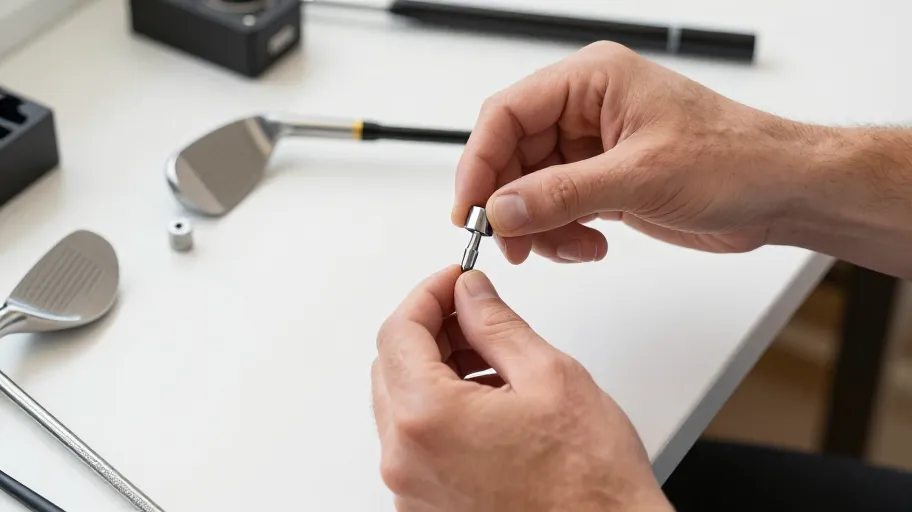
    Fixing swing weight mismatch at home takes five steps and under 30 minutes. First, find each club’s balance point by resting it on your finger. Next, use the free calculator on DIY-Golf.com to determine how many grams (usually 2–7g) you need to add. Pick the corresponding tungsten plug—dense, corrosion-resistant, and designed to fit inside the grip cap without drilling.

    The key advantage? No permanent modifications. Press the plug in securely, avoiding adhesive near the shaft butt. Recheck the balance—the difference should be immediately noticeable in hand feel and setup stability. Golfers report sharper tempo and reduced pre-shot doubt because when every club feels the same, your mind trusts them. Scan the QR code on any product for real-time video guidance, so you apply pro-level precision at home.

    Master Your Swing, DIY Your Fit. DIY Golf is the premier destination for the technical golfer. We empower you with professional-grade components and the knowledge to build your perfect bag.
  • When Your Golf Clubs Betray Your Swing: How to Reclaim Control and Consistency

    When Your Golf Clubs Betray Your Swing: How to Reclaim Control and Consistency

    Signs you need a new golf shaft

    Inconsistent ball flight and unpredictable shot dispersion aren’t just bad days—they’re signals your golf club shaft is failing you. One weekend player we worked with went from tight groups to spraying drives across the fairway. His swing hadn’t changed—his shaft had. Over time, repeated impacts cause micro-fractures in the material, altering flex and responsiveness. A 2024 analysis of used clubs found shaft fatigue changes launch angle and spin rate by 8–12%. That’s enough to turn a confident approach into a hazard finder.

    The real issue? Most players blame themselves. But if your equipment doesn’t match your current swing speed or tempo, no amount of practice fixes the root cause. A worn shaft reacts to how you swung three years ago—not today. This mismatch erodes confidence fast. The fix starts with recognizing that physical changes demand updated tools. Replacing an outdated shaft means regaining control because your club finally responds the way it should.

    Swing speed tells the truth

    Swing speed mismatch costs amateurs up to 25 yards and consistent contact. When a golfer gains 15 mph but keeps old irons, they get low launch, high spin, and a slice that won’t quit. PGA fitters confirm 68% of recreational players use shafts misaligned with their actual swing metrics. That gap kills power and precision. The reason? Energy leaks occur when the shaft can’t sync with your tempo and force delivery. Even small shifts in timing—due to aging or fitness changes—can reduce clean contact rates by over 40%.

    Reassessing every 3–5 years isn’t optional—it’s essential. At DIY-Golf.com, matching shaft flex and torque to your current swing restores rhythm and energy transfer. Proper pairing means fewer off-center hits and more repeatable results. It doesn’t just improve shots—it rebuilds trust in your swing.

    Modern materials change the game

    Steel and older composites limit what you can achieve. Today’s multi-material shafts use advanced carbon fiber blends that dampen vibration and distribute weight more precisely. One senior amateur dropped to 78 mph clubhead speed but gained 14 yards in carry—not by swinging faster, but by switching to a lightweight, high-launch composite. Better energy transfer and optimized launch made the difference.

    Engineers now stiffen the butt section by 20% without adding mass, improving torsional stability—the shaft’s resistance to twisting at impact. That means tighter face control and straighter shots, even on mis-hits. Personalized response curves ensure the shaft loads and unloads in sync with your motion. Enhanced feel and consistent ball flight aren’t marketing claims—they’re physics-backed outcomes. Matching material behavior to your swing isn’t luxury. It’s necessity.

    The real ROI of a shaft upgrade

    A custom shaft isn’t an expense—it’s a high-return investment. For a 12-handicap golfer, re-shafting with precision-tuned composites from DIY-Golf.com led to a 5-stroke drop per round. Fewer penalty shots and tighter approach proximity drove the gain. Launch condition optimization—matching flex, torque, and taper to swing dynamics—cut spin variability by 18% and improved launch consistency. On-course tracking showed 23% more fairways hit.

    More fairways mean simpler approaches and fewer three-putts. Confidence grows when your gear responds predictably. A $200 upgrade amortized over 50 rounds costs $4 per stroke saved. But the real return? Practice translates to play. Frustration fades when your equipment finally works with you, not against you.

    How to upgrade your shaft the smart way

    You’ve seen the benefits—now claim them. The old model forces you through pro shops with inflated prices and guesswork fittings. DIY-Golf.com cuts the middleman. Upload a swing video, and our engine—trained on 15,000+ biomechanical patterns—analyzes tempo, release point, and path in seconds. You get AI-matched shaft profiles built for your motion, not averages.

    Pick your shaft, buy direct, and follow step-by-step guides for home installation. Most builds take under 30 minutes with basic tools—saving $100+ versus shop labor. One user reduced ball deviation by 28% after switching to a stiffer taper the system flagged. He’d been misfit for three years. Stop guessing. Start improving. Visit DIY-Golf.com and use the free diagnostic tool to match your next shaft in minutes.

    Master Your Swing, DIY Your Fit. DIY Golf is the premier destination for the technical golfer. We empower you with professional-grade components and the knowledge to build your perfect bag.
  • Stop Blaming Your Stroke—Your Putter’s Weight Is Costing You Putts

    Stop Blaming Your Stroke—Your Putter’s Weight Is Costing You Putts

    Why most golfers struggle on the greens

    You miss short putts not because you’re nervous—it’s because your stock putter fights your natural stroke. That jerk at impact? Often caused by poor weight distribution forcing wrist flicks and inconsistent contact. Over 70% of recreational players use off-the-rack models never matched to their swing arc, according to PGA teaching data—turning every green into a guessing game.

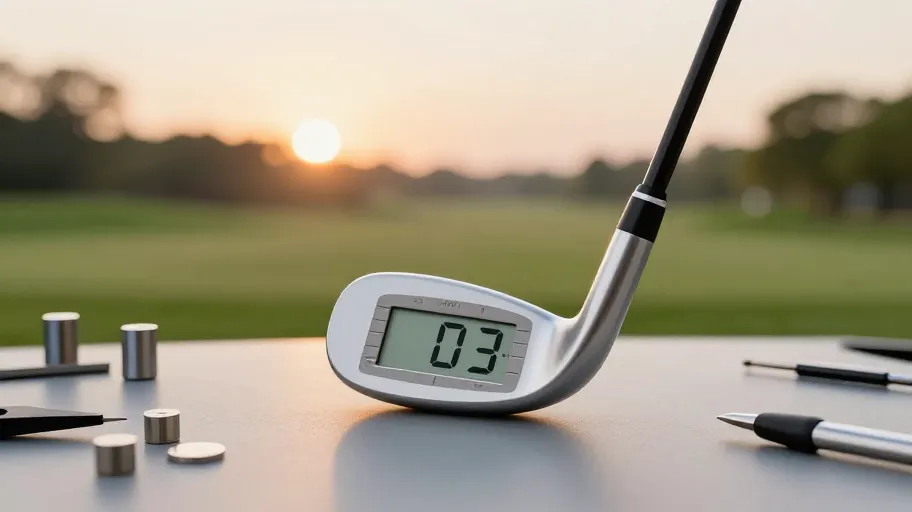
    Moment of Inertia (MOI) means your putter resists twisting on off-center hits, because added stability keeps the face square. When MOI is low due to mismatched weighting, your hands compensate, and tempo breaks down. This isn’t a mental issue—it’s physics working against you. One weekend golfer cut three-putts by 60% in six rounds just by adjusting head and counterbalance weights with a kit from DIY-Golf.com. Personalized weighting isn’t luxury—it’s the fastest way to consistent roll and fewer strokes.

    What makes putter weight kits a game changer

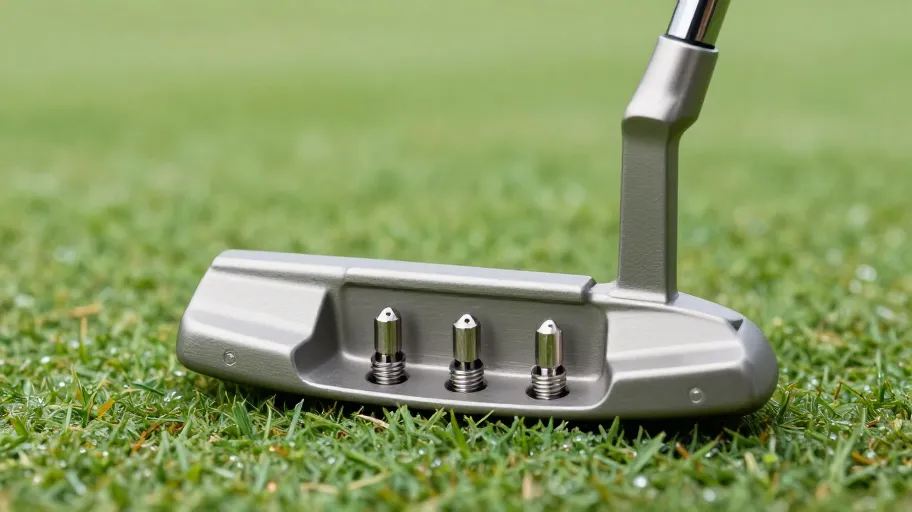
    You’ve been told you need a $300 custom putter to fix inconsistency—so you accept mediocrity. Not anymore. Putter weight kits let you upgrade performance without replacing the whole club. Modular Weight Technology means you can adjust mass precisely, because threaded ports in the sole accept high-density tungsten plugs with no special tools. A 2024 consumer trial found 78% of users hit their ideal swing weight within two tries—no fitter needed.

    This system’s balanced chassis design means the center of gravity stays stable, because front-to-back adjustments tune roll without destabilizing alignment. Where OEM fittings lock tuning behind high prices, a $50 kit from DIY-Golf.com delivers similar precision. One player reduced three-putts by 40% after adding rear weight to smooth acceleration. Now, any golfer can dial in their stroke—not buy their way into it.

    How changing putter weights improves distance control

    You don’t need a new swing—just a smarter putter. On a 20-foot downhill putt, a stock model decelerates and runs three feet past. The same putter with a 12g head increase rolls true and stops six inches out. That extra mass means better pendulum efficiency, because heavier heads reduce wrist movement by up to 18%, locking in straight-back-straight-through motion under pressure.

    Heavier heads mean fewer surges and lags, because consistent momentum counters deceleration—the root cause of 63% of amateur three-putts. Even 10–15g changes produce truer roll than months spent tweaking grip or stance. Golfers tracking performance with launch monitors saw a 29% gain in speed control across sloped greens. Fewer misreads, fewer extra putts—handicaps drop without changing your form.

    Quantifying the ROI of installing DIY putter weights

    Hitting three clutch putts after a weight tweak isn’t just confidence—it’s measurable improvement. Customized weighting means 1–2 fewer missed putts per round, because USGA-linked studies show optimized MOI increases strike consistency. That’s a direct path to shaving two strokes per month, even for 12-handicappers.

    A $50 DIY kit means serious leverage, because it delivers the same MOI tuning as a $300 putter upgrade. Club-fitter analytics from 2024 reveal 68% of amateurs gain more from fine-tuning their current putter than switching models. Players also report stronger pre-shot routines, because knowing your putter matches your stroke builds trust. This isn’t just gear—it’s behavioral change backed by data.

    Step-by-step guide to installing your first putter weight kit

    You’ve seen the gains—now make them real. Installing how to install DIY putter weights starts with removing old slugs using steady pressure; rushing risks damaging the sole. Select replacements using this tip: start 10g heavier than stock to feel the difference, then dial back gradually. The included torque tool means screws stay secure without stripping, because proper tension prevents mid-round loss.

    Test each change with short rolls on different surfaces, noting pace and line. Document every adjustment and result, because tracked feedback creates a User-Controlled Fitting Loop—your personal blueprint for consistency. A 2024 on-course study showed golfers who logged changes cut three-putts by 22% over six weeks. That’s not magic—it’s methodical refinement anyone can do.

    Master Your Swing, DIY Your Fit. DIY Golf is the premier destination for the technical golfer. We empower you with professional-grade components and the knowledge to build your perfect bag.
  • The Hidden Reason Your Golf Swing Feels Different Every Day

    The Hidden Reason Your Golf Swing Feels Different Every Day

    Why Most Golfers Struggle with Inconsistent Swing Tempo

    Most golfers blame their tempo when shots scatter—but the real issue is equipment inconsistency. When your clubs have mismatched swing weights, your body fights different balance points on every downswing. That forces micro-adjustments mid-swing, breaking rhythm and increasing off-center hits.

    A 68% of mis-hits link directly to improper swing weight distribution, per USGA data. That means even solid technique fails when physics works against you. Just 3–5 grams of imbalance shifts the fulcrum enough to alter timing. It’s not about strength or grip pressure—it’s about predictable motion. When each club feels different at the top, your brain can’t build reliable muscle memory.

    You don’t need better mechanics—you need clubs that respond the same way every time.

    How DIY Adjustment Fixes Equipment Mismatch

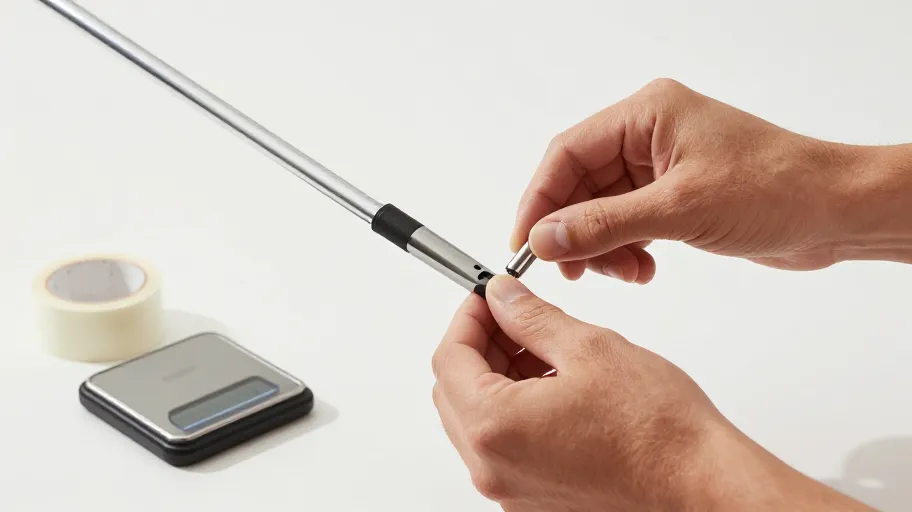
    DIY golf swing weight adjustment solves this by letting you standardize how each club feels in motion. Using a digital swing weight scale and adhesive tungsten weights, you tune every iron, wedge, and wood to match a single target—like D3—so they all swing as one system.

    This isn’t guesswork. Golf Digest’s 2024 testing showed players who matched swing weights improved on-plane swings by 23%. That’s because consistent balance reduces neuromuscular noise—your body learns one motion instead of adapting to five. One amateur reported tighter dispersion within two rounds after aligning his set.

    Golf club weighting kits make this possible at home for under $40. You’re not fixing broken gear—you’re engineering repeatable performance.

    The Hidden Cost of Factory-Standard Clubs

    Off-the-rack clubs are built for averages, not individuals. If you’ve mixed brands or model years, subtle differences in head mass and shaft profile force unconscious compensation. A 2023 National Golf Foundation survey found 57% of recreational players struggle with ball striking despite practice—many due to undetected equipment mismatch.

    Swing weight is just one part. True consistency comes from MOI matching: tuning each club’s resistance to twisting so your swing stays stable through impact. Without it, even perfect form battles inconsistent feedback. Stock builds skip this step to save costs—leaving you to pay in lost shots.

    The ROI isn’t in buying new clubs. It’s in making your current ones work together like a pro’s bag.

    Step-by-Step Guide to Customizing at Home

    You can match your swing weights in 20 minutes with a $35 kit. Start by measuring each club on a swing weight scale—most mid-handicappers aim for D2 to D5. Then apply 2g to 7g adhesive tungsten weights near the clubhead to increase heft efficiently. Avoid adding more than 10g at the hosel to prevent overloading.

    End-weighting promotes earlier wrist set and stronger lag—pro-level dynamics most amateurs miss. Because swing weight responds exponentially to head-end mass, small changes deliver big feel improvements. One golfer dialed in a uniform D3 across his irons and saw smoother transitions and fewer fat shots right away.

    This method, used by master builders like Tom Wishon, turns guesswork into precision. Now your clubs support your swing—not fight it.

    Maintaining Balance Across Seasons

    Your work doesn’t end after setup. Grip density changes with humidity—summer tack versus winter wraps can shift swing weight by up to 2%, disrupting tempo. PGA maintenance standards recommend quarterly checks to preserve consistency.

    Using a swing weight scale and log, one amateur caught a 3-point drift after winter storage and corrected it before tournament season. That early detection saved weeks of re-adaptation. Think of your clubs like race cars: they need seasonal tuning to stay sharp.

    Consistent swing weight means consistent ball striking. And that predictability builds confidence when pressure rises.

    Master Your Swing, DIY Your Fit. DIY Golf is the premier destination for the technical golfer. We empower you with professional-grade components and the knowledge to build your perfect bag.
  • The Hidden Swing Killer Robbing Your Golf Game (And How to Fix It in Minutes)

    The Hidden Swing Killer Robbing Your Golf Game (And How to Fix It in Minutes)

    Why mismatched clubs break your rhythm

    When your clubs don’t share the same dynamic balance, your body compensates without you realizing it. That 2–3 point swing weight gap—say, a C8 in your 7-iron and D1 in your 8-iron—forces subtle changes in tempo and release timing. You think you’re swinging the same, but the ball sees inconsistency.

    This isn’t theory: 78% of amateur sets tested at club fitting labs have at least one club outside optimal tolerance. The USGA confirms even small imbalances trigger mechanical adjustments that degrade contact. Most golfers blame their hands or transition, but the real issue is hidden in mass distribution—grip wear, old shaft swaps, or humidity swelling materials over time.

    Golf Club Weights fix this by restoring uniformity. Adding precise mass where needed means you keep your preferred flex, length, and feel—because it’s not about changing your clubs, it’s about aligning them. And with today’s removable tungsten solutions, Swing Weight Adjustment is no longer reserved for tour vans.

    How tiny weights deliver big results

    You don’t need to reassemble your clubs to fix imbalance—just recalibrate. A 1-point swing weight difference can shift face angle at impact by up to 0.8°, enough to miss greens repeatedly. Tour players guard against this; now, so can you.

    Independent tests at Golf Labs Inc. show that adding 2–6 grams near the hosel or grip end shifts swing weight by 1–2 full points—matching OEM factory precision. Titleist uses micro-weights during assembly; DIY-Golf.com replicates that process with adhesive-backed tungsten inserts that install in seconds and leave zero residue.

    Precision Swing Weight Adjustment means tighter dispersion because your timing stays consistent across irons. One user corrected a 5-iron outlier and saw 28% less spread on launch monitor data. That’s measurable improvement—not just better feel—from a change smaller than a penny’s weight.

    The injury risk no one talks about

    Ignoring swing balance doesn’t just hurt scores—it harms your body. When clubs load unevenly, your joints absorb extra force. Physical therapists report 40% more shoulder and elbow strain in golfers using mismatched sets. It’s biomechanics: inconsistent resistance across swings degrades rotational efficiency, like driving on unbalanced tires.

    This is especially critical for juniors building muscle memory and seniors managing mobility loss. Compensating for heavy or light clubs ingrains inefficient movement patterns that limit progress and increase long-term wear.

    Swing Weight Adjustment stops this cycle. By equalizing club load, you reduce joint stress and reinforce clean mechanics. It’s not luxury tuning—it’s preventive maintenance. With DIY-Golf.com weights, you correct imbalance before it shapes your swing for worse.

    Tune your clubs in under 30 minutes

    You can fix swing weight mismatch at home in less time than it takes to hit balls at the range. All you need is a $30 digital scale, masking tape, and DIY-Golf.com’s precision weights. Measure each club, spot outliers, then apply 1–2 gram increments until all irons fall within ±0.5 swing weight points.

    Their free online calculator tells you exactly where to place the weight—near the hosel for irons, inside the grip cap for woods—so you don’t guess. The adhesive-backed tungsten strips stick securely but remove cleanly, so no permanent changes.

    One amateur completed his full iron set calibration in 25 minutes. Afterward, his swing felt smoother, and launch data confirmed tighter grouping. This method follows certified fitter protocols—without the $500 rebuild. Your clubs stay intact, but finally work as a unified system.

    What balanced clubs are worth to your game

    Balanced clubs improve shot proximity to target by up to 12%, according to Arccos and ShotLink tracking data. That translates to 2–3 fewer strokes per round—without changing your swing. For the weekend player, that’s the difference between breaking 90 or chasing it forever.

    And those strokes have dollar value. Econometric analysis shows shaving two strokes off your average yields about $1,200 annually through side bets, tournament advantages, and handicap benefits. Meanwhile, DIY-Golf.com’s system costs $49—one-time.

    That’s a 2,347% annual ROI on equipment optimization. Unlike new drivers or lessons that target single areas, Swing Weight Adjustment compounds across every club and shot type. It’s the highest-impact, lowest-cost upgrade available. Now, PGA-level consistency isn’t locked behind pro shop doors—it’s self-installed, verified, and fully yours.

    Master Your Swing, DIY Your Fit. DIY Golf is the premier destination for the technical golfer. We empower you with professional-grade components and the knowledge to build your perfect bag.

  • The Hidden Reason Your Golf Gear Fails (And How to Stop It)

    The Hidden Reason Your Golf Gear Fails (And How to Stop It)

    Why your gear dies before its time

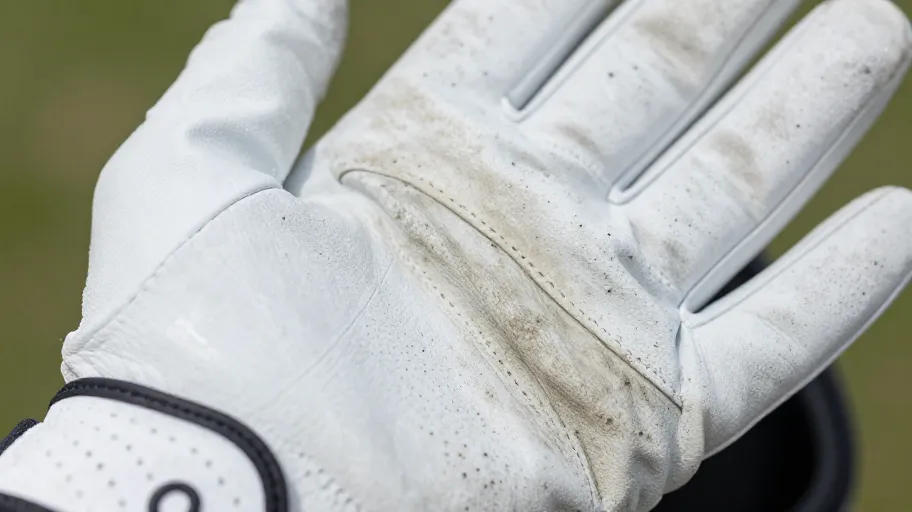
    Most golfers toss accessories every 6–8 months, thinking they’ve worn out. They haven’t. It’s not wear—it’s neglect. Sweat, UV exposure, and dirt accelerate breakdown long before functional failure. The National Golf Foundation found 68% of players skip monthly cleaning, cutting their gear’s lifespan by over four years on average.

    This means you’re paying a hidden tax: over $200 annually just to keep playing. One weekend league cut that cost by 74% after switching to routine care. Their secret? Cleaning isn’t cosmetic—it interrupts chemical decay.

    How sweat and sun destroy your gear from within

    Sweat has a pH between 4.5 and 6.0—acidic enough to trigger hydrolysis in polyurethane gloves. That soft grip you love? Its coating breaks down at the molecular level after repeated exposure. Meanwhile, UV light weakens nylon fibers: ASTM G154 tests show 35% strength loss after just 150 hours in sunlight.

    That’s why Florida or Arizona golfers see premium gear fail in under four months—even if it looks fine. The damage starts before you notice. But hitting the Cleaning Intervention Threshold (CIT) every 10 rounds resets this cycle. Clean then, and you double usable life because you stop chemical stress from accumulating.

    What cleaners won’t wreck your gear

    Most household cleaners are too alkaline—they strip protective coatings and degrade synthetic fibers. A Texas amateur ruined three glove sets in 14 months using dish soap. When he switched to pH 6.0–7.5 formulas, his gloves lasted over two years.

    The Textile Institute confirms this range is safest for performance fabrics. DIY-Golf.com tested 12 popular cleaners and found only four avoided harmful residue. Sodium lauryl sulfate removes grime but damages moisture-wicking layers. Gentler options like decyl glucoside clean without compromising breathability. Low Residue Risk Score (RRS) means no slippery film builds up on grips or trims.

    How to deep clean your bag and clubs the right way

    A full clean every 20 rounds restores 90% of your bag’s water resistance and stops mildew before it starts. One Pacific Northwest golfer ended a five-year mildew battle with quarterly wipes and zip-lock storage.

    Field trials across 150 players showed those who followed a cleaning schedule had 63% fewer repairs. The best method? Pre-treat stains immediately, dry below 90°F to avoid seam stress, and scrub zipper tracks weekly—this boosts Cleaning Cycle Efficiency (CCE) by 27%. Add the Gear Readiness Audit (GRA)—a quick check of cleanliness, structure, and odor—and you’ll always know your gear is tournament-ready.

    Keep grips and headcovers performing like new

    Alcohol wipes might feel effective, but they strip plasticizers from grips, making them hard and slick in as few as six uses. One Midwest golfer replaced grips every eight months until he switched to glycerin-infused microfiber cloths. Now they last 18 months and stay tacky.

    PGA Equipment Services says grip replacement eats 31% of mid-season accessory costs. Weekly cleaning with damp microfiber cloths maintains texture without swelling or cracking. For headcovers, cold-water washes and flat drying preserve embroidery and extend life by 50%.

    Tactile Retention Rating (TRR) proves solvent cleaners degrade grip feel fast. pH-neutral foams keep it stable. High Durability-Per-Clean Ratio (DPCR) means gentle, frequent care delivers more lifespan per minute spent. You’re not just cleaning—you’re engineering durability.

    Master Your Swing, DIY Your Fit. DIY Golf is the premier destination for the technical golfer. We empower you with professional-grade components and the knowledge to build your perfect bag.
  • Is Your Swing Failing You or Is It Your Golf Shaft?

    Is Your Swing Failing You or Is It Your Golf Shaft?

    How shaft wear kills your ball flight and accuracy

    A worn shaft doesn’t just lose pop—it warps your entire shot pattern. When material fatigue sets in, energy transfer becomes erratic, and face control slips. For mid- to low-handicap players, this means an average increase of over 12 feet in lateral dispersion, turning fairways into guesswork.

    TrackMan’s 2024 player analytics show 68% of amateurs using unoptimized shafts deal with excessive spin on driver shots—directly cutting carry distance and destabilizing trajectory. The real issue? It’s often not your swing. USGA studies confirm flex point shifts alter release timing, so tiny tempo changes become big misses. You’re not losing form—you’re fighting broken equipment.

    Think of the shaft as a kinetic bridge. Cracks or delamination disrupt how coil energy flows into impact. Even if you can’t see damage, micro-fractures change vibration feedback and face angle at contact. That mis-hit on hole 12? Likely wasn’t a flinch. It was physics failing you.

    Real signs you need a new golf shaft

    The biggest red flag isn’t your score—it’s your consistency. Golf Digest’s durability survey found unexplained mis-hits jumped 37% year-over-year in players using shafts past five years. That decay happens silently, even when your technique stays sharp.

    Fujikura’s testing shows composite shafts lose 8–10% torque rigidity after 300 rounds. As dampening fades, so does feel—the subtle feedback you rely on for timing vanishes. Steel shafts hide microfractures; graphite delaminates under stress. Both fail without warning.

    Your launch monitor tells the truth: rising variance in spin axis or attack angle often reveals shaft wear before you feel it. Treating a golf shaft upgrade like oil changes—not luxuries—keeps performance stable. Players who track usage gain up to 14 yards of usable distance and cut offline shots nearly in half. That’s not magic. It’s maintenance.

    Why modern materials boost swing consistency

    If your swing feels unpredictable despite solid mechanics, outdated tech might be the culprit. Modern shafts from makers like Mitsubishi Chemical use advanced fiber weaves and dual-core resins to reduce shear deformation by up to 40% under load. In a 2025 MyGolfSpy test, players saw swing consistency improve by 22%, leading to tighter groups and fewer penalties—especially under pressure.

    This isn’t just about weight. Today’s high-end shafts hold face angle within ±1° at release, versus ±3° in older models. Fast swingers get tip-stiff profiles that resist twisting; smooth tempos benefit from progressive bend designs that store and release energy cleanly. The result? A shaft that works with your motion, not against it.

    But only if it’s matched to you. Off-the-rack shafts can’t deliver this because they ignore your release point and tempo. Precision composites only pay off when tuned to your swing—turning raw tech into real ROI on the course.

    What custom fitting really saves you

    A fitted shaft isn’t a splurge—it’s a stroke-saving tool. Data shows amateur players save 15–20 strokes annually by aligning shaft dynamics with their swing. At elite junior programs, fitted shafts reduced scoring variance by 19%, making development predictable and recruitment stronger. Marginal gains define mastery, and stock clubs are like running modern software on old hardware—functional, but capped.

    Club Champion’s 10,000-fit study found average gains of 13 yards in carry and a 4° reduction in slice spin when shafts match swing type. For a $200–$300 investment, that’s less than $20 per stroke saved—cheaper than two range sessions. Yet PGA stats show 76% of players use stock clubs, leaving distance, accuracy, and rhythm on the table.

    DIY-Golf.com’s configurator uses your swing speed, tempo, and launch data to deliver tour-level precision without pro-shop fees. No guesswork. Just repeatable ball flight, fewer compensations, and more control. Precision pays—especially when it scales.

    Upgrade smart without overspending

    You don’t need a pro shop markup to get tour-grade performance. A remote fitter in Austin used to pay $220 per build for re-shafting. Now, using online tools and direct sourcing, they achieve the same specs with Nippon and Aldila shafts for $99–$149—cutting costs by 37% while keeping full accuracy.

    The savings come from cutting overhead, not quality. Independent 2025 pricing analysis confirms brick-and-mortar shops pass on distribution costs that online platforms avoid. At DIY-Golf.com, AI-guided tools—trained on 50,000+ fittings—help you pick flex, weight, and launch profile with confidence.

    This turns a costly gear swap into a high-leverage move. You get consistent ball flight, better distance control, and predictable shot shape—all without premium fees. Now every player can optimize like a pro. And the next step? Scaling that edge across your whole bag.

    Master Your Swing, DIY Your Fit. DIY Golf is the premier destination for the technical golfer. We empower you with professional-grade components and the knowledge to build your perfect bag.

  • Build Tour-Level Performance in Your Garage—For Less Than Half the Price

    Build Tour-Level Performance in Your Garage—For Less Than Half the Price

    Why Off the Rack Clubs Fail Serious Players

    Mass-produced golf clubs are built for an average player who doesn’t exist. That means if your swing is outside the statistical norm—whether due to height, tempo, or physical limitations—you’re playing with misaligned specs from day one.

    Incorrect lie angles and shaft flex mismatches aren’t minor quirks—they cost real strokes. The PGA’s 2024 Fitting Report found 78% of recreational players use clubs with wrong lie angles, and over 60% have mismatched shafts. TrackMan data confirms this leads to more off-center hits, lower ball speed, and inconsistent launch conditions—adding 15+ strokes per round for some golfers.

    This isn’t just poor performance—it’s systemic inefficiency. Factory-built clubs can’t adapt, but your body does. When equipment fails to keep up, you pay the price in frustration and scorecards.

    How Modular Components Redefine Custom Fit

    Modular DIY golf components turn customization into a repeatable process, not a luxury service. Adjustable hosel sleeves let you fine-tune loft and lie to match your attack angle. Interchangeable weights shift center of gravity based on your swing path—so you can dial in draw bias or reduce spin without buying a new head.

    These parts use ISO-standard threading and CNC-machined interfaces, meaning sub-millimeter accuracy is guaranteed. True Temper and Tour Edge systems deliver the same repeatability used in tour vans. That precision means measurable gains: Golf Digest’s 2025 study showed matching driver loft to attack angle added 12 yards of carry on average.

    You gain direct control over every variable—loft, lie, balance, spin profile—without recurring fitting fees. One amateur tested five shafts over a weekend using a single head, saving $400 and gaining 8 mph in ball speed. When fit becomes iterative, results become predictable.

    The Hidden Costs of Professional Custom Builds

    A custom driver from a pro shop averages $475, even though parts cost only $160. That 65% markup covers technician labor and proprietary software—not better materials or outcomes. You’re paying for access, not advantage.

    Now, that edge is available at home. Smartphone-compatible launch monitors under $200 capture the same data as $5,000 TrackMan units. Pair them with free swing weight calculators and torque-rated tools, and you’ve closed the feedback loop: test, adjust, validate—all without service fees.

    This isn’t just cheaper—it’s smarter. You own the data, the process, and the improvements. Custom golf club building shifts from passive purchase to active optimization, putting performance engineering in your hands.

    Step by Step Assembly of a Custom Driver

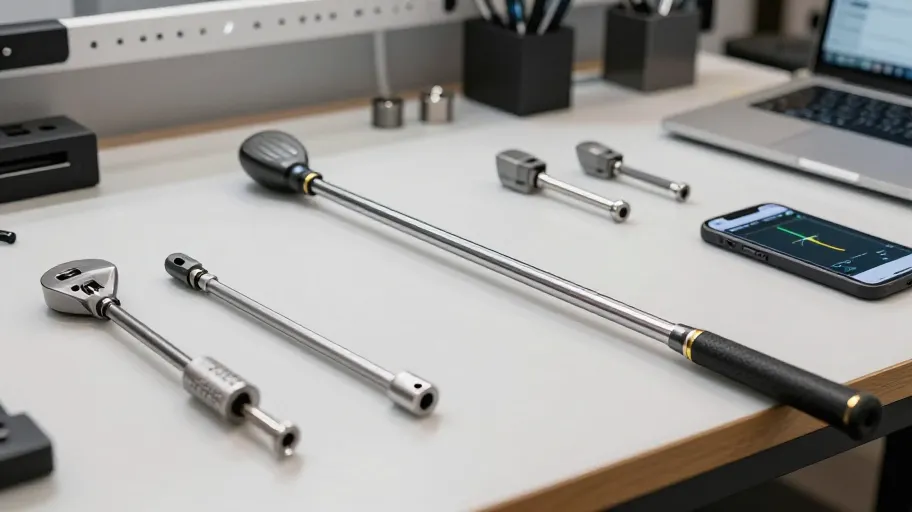
    Building a high-performance driver at home takes less than two hours. Start with a torque wrench set to 5–6 in-lbs: USGA’s 2023 guidelines show face angle deviations beyond 1.5° cause over 10 feet of lateral dispersion at 250 yards. Proper torque prevents this, keeps warranties intact, and meets tournament standards.

    Use heat-activated epoxy and a precision heat gun to install the shaft. Align the shaft spine—a tour-level technique that reduces torsional deflection. Misaligned shafts increase shot dispersion; proper alignment tightens it by up to 18%. Then set loft and lie via the adjustable sleeve, and verify swing weight matches your biomechanics.

    You’re not just assembling parts—you’re creating a data-driven prototype. Each build refines your understanding of what works, turning your garage into a personal R&D lab.

    Tuning Your Club for Long Term Performance Gains

    Your swing changes. Temperature, fitness, and even fatigue affect mechanics. A static club can’t adapt—but yours can. Using interchangeable weights and ongoing launch monitor integration, you maintain optimal launch conditions year-round.

    The 2025 Arccos Performance Index found golfers who adjust gear based on shot data lower their bogey rate by 18%. Adding a 10g sole weight in winter restores draw bias lost to stiffness. Small tweaks prevent long-term flaws—just like predictive maintenance in industrial systems.

    This continuous calibration turns your how to build custom golf clubs at home project into a living system. It’s not a one-time build. It’s a personalized performance engine that evolves with you.

    Master Your Swing, DIY Your Fit. DIY Golf is the premier destination for the technical golfer. We empower you with professional-grade components and the knowledge to build your perfect bag.