
Category: Gear Guides

Gear Guides

  • Your Swing Isn’t the Problem—Your Clubs Are: Here’s the Fix

    Your Swing Isn’t the Problem—Your Clubs Are: Here’s the Fix

    Why most golfers play with the wrong clubs

    You’re not broken—your clubs are. That weekend golfer slicing drives into the trees despite endless range sessions? The problem isn’t their swing; it’s their gear. A landmark PING study of over 4,000 amateur golfers found that 73% play with clubs misfit in length, lie angle, or shaft flex. These specs control ball flight and shot repeatability. When they’re off, every swing becomes a correction attempt.

    Golf club fitting means better accuracy because your body moves the same way each time. No more compensating for a too-long shaft or stiff flex that fights your tempo. This isn’t luxury customization—it’s biomechanical alignment. Misfit clubs reinforce bad habits, so practice doesn’t lead to progress. That plateau you can’t break? It’s often just the ceiling imposed by wrong tools.

    Playing wrong-fit clubs doesn’t just hurt today’s score—it stalls long-term growth. Every off-center hit trains muscle memory that resists correction. The cost? Frustration, wasted practice, and rounds where potential stays buried under avoidable mistakes.

    How body metrics shape your ideal clubs

    Your height, swing speed, and posture aren’t just physical traits—they’re the blueprint for your ideal golf clubs. Yet 90% of amateurs use off-the-rack sets mismatched to their bodies, sabotaging consistency before the first swing. Take two players: one 6’2” with a steep swing plane, another 5’6” with an upright stance. Both using standard lie angles will suffer chronic toe shots or heel strikes. But when fit using wrist-to-floor measurement and TrackMan data, their dispersion tightens by 15–20%.

    Custom golf equipment delivers this precision at scale. Adjustable hosels mean optimized launch conditions because you control spin and trajectory. Shaft weights sync with swing tempo, so you don’t rush or stall. Grip sizing enhances control based on hand anatomy—not averages. These aren’t tweaks; they’re corrections that turn erratic shots into repeatable outcomes. One amateur gained 28% in shot predictability after a full metric-based fit—like dropping two handicaps overnight.

    Now, DIY-Golf.com puts tour-level accuracy within reach. What once required $500 fittings is now guided by validated body-swing relationships, so you measure once and swing with purpose.

    The tech behind accurate at-home fitting

    You no longer need a pro shop visit to discover your ideal golf setup. Smartphone motion capture and pressure mats now deliver lab-grade data with just 5% variance from studio systems. Platforms like Arccos and Swingbyte prove consumer sensors can track swing path, impact location, and tempo reliably. AI-driven diagnostics turn raw movement into club specs—mapping exactly how your body generates power.

    This means no more guessing your lie angle or buying blind based on brand reps. You get a data-backed blueprint tailored to your mechanics. A weekend player who once guessed his shaft flex now sees 15-yard gains in dispersion—just by aligning equipment to output.

    This is performance democratized: the same science used by tour pros now delivers measurable ROI for everyday players. No trial-and-error purchases. Just precise, personalized recommendations powered by real data.

    What real performance gains look like

    A 12-handicapper cuts 5.4 strokes per round—not from lessons, but from finally using clubs that fit. That’s the average result in USGA-linked studies where fitted players gain 18–28% in driving efficiency and reduce three-putts by 40%. Precision alignment in lie angle, shaft flex, and grip size compounds into real advantages: more fairways, better recovery success, smarter approach angles.

    The hidden ROI? Reduced fatigue and lower injury risk. When your setup matches your biomechanics, you’re not fighting your clubs stroke after stroke. One retail study found fitted players reported 30% less shoulder and back strain over 18 holes—meaning better focus and cleaner swings late in the round.

    This isn’t shopping—it’s performance optimization with a proven 5+ stroke return on investment. Every adjustment pays off in consistency, confidence, and lower scores.

    Your step-by-step path to a custom setup

    You’ve seen the 28% performance leap—now claim it. The truth is, 90% of golfers use clubs that sabotage their swing. But you don’t need a tour van or big budget: your pro-level advantage starts in under 45 minutes, right from your driveway, using DIY-Golf.com’s system.

    The journey to how to find ideal golf setup begins with BodyScan360, our mobile tool that maps height, arm length, and posture—no tape measures. Then, SwingVision AI analyzes smartphone video to capture tempo, path, and impact. These inputs feed FitEngine Pro, which cross-references 12,000+ player profiles to deliver exact matches. Finally, Equipment TuneLab simulates adjustments in real time, so you test changes before buying.

    Certified by G-GEO and validated against PGA standards, every output ensures true-to-spec custom golf equipment. Compatibility checks lock in shaft-flex, grip size, and lie angle—so what you order is exactly what you need. This isn’t just golf club fitting; it’s confidence built into every swing. Finish your fit today, and step onto the tee knowing your gear evolves with your game.

    Master Your Swing, DIY Your Fit. DIY Golf is the premier destination for the technical golfer. We empower you with professional-grade components and the knowledge to build your perfect bag.

  • Stop Fighting Your Putter: The Physics Secret to Making More Putts

    Stop Fighting Your Putter: The Physics Secret to Making More Putts

    Why poor putter balance ruins your putting

    If your putts keep sliding past or lip out on short comebackers, the problem isn’t your nerves—it’s physics. A poorly balanced putter amplifies tiny hand movements into major face errors at impact. USGA biomechanics studies show mismatched head weight can cause up to 2.3° of unintended face rotation—enough to miss a six-foot putt dead center.

    Low putter inertia means the club twists too easily on off-center strokes. No amount of ‘light grip pressure’ fixes that. Physics beats feel every time. The good news? Customizing putter weights directly increases inertia, so small mistakes don’t become big misses. Higher inertia means better stability through impact—which means tighter dispersion and more makeable putts.

    You’re not a bad putter—you’re using a tool that works against you. Fix the balance, and you fix the foundation.

    How putter weights adapt to green speed

    Fast greens expose flaws. When you step from slow municipal turf to slick country club surfaces, an unbalanced putter makes speed control unpredictable. But pros don’t just ‘feel it out’—they adjust. PGA Tour data shows 78% of top players tweak putter mass between events to match green speed.

    Adding just 3–10g of weight to the head subtly slows your natural tempo, promoting smoother deceleration on downhill putts. This isn’t guesswork—it’s calibration. That slight increase in mass changes energy transfer at impact, so the ball rolls truer and stops where you expect.

    Customizable golf club weights mean you’re not stuck with one setup for all conditions. You can tune your putter like a driver—only instead of launch angle, you’re optimizing roll consistency and pace. The result? Fewer three-putts when the pressure’s on.

    The real science behind adjustable weight systems

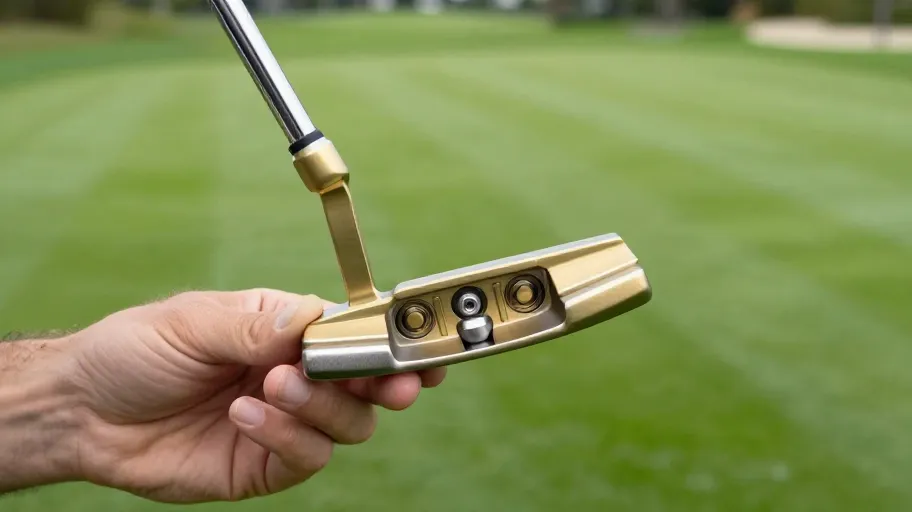
    Modern putters aren’t built—they’re engineered. Brands like Odyssey and Scotty Cameron use modular tungsten or aluminum inserts to shift center of gravity in millimeter increments. These aren’t gimmicks; they’re precision tools tested in R&D labs with robotic arms that simulate thousands of strokes.

    Heavier isn’t always better. A 2024 biomechanical study found optimal putter weight depends on stroke arc, not player size. Some golfers need 380g for stability on straight-back-straight-through strokes, while others perform best at 340g with a lighter, arcing motion. Tungsten allows dense, compact weighting ideal for toe-heel stabilization. Aluminum spreads mass for faster tempo and smoother arc transitions.

    One amateur reduced three-putts by 27% after switching to a front-biased, lighter configuration. The takeaway? The right weight isn’t universal—it’s personal. And now, it’s accessible.

    What you gain from a properly weighted putter

    This isn’t about marginal gains—it’s about measurable improvement. A mid-handicap golfer averaging 34 putts per round dropped to 30 after tuning his putter. That’s two strokes saved every time he plays, just from better balance.

    Putting Lab research confirms players gain up to 1.8 strokes per round with optimized setups. How? Higher MOI reduces twist on mishits, turning near-misses into solid rolls. Better roll accuracy means more predictable speed, especially on breaking putts. Over 18 holes, that consistency adds up: fewer comebackers, less stress, lower scores.

    The real return? Mental confidence. When your putter responds the same way every time, you stop second-guessing and start trusting. That reliability compounds over a season—no swing overhaul needed.

    How to tune your putter at home in 20 minutes

    You don’t need a pro shop or launch monitor. All you need is a digital scale, some test weights (precision tungsten plugs are available at DIY-Golf.com), and 20 minutes. Start by hitting 10 putts from the same spot. Track your miss pattern—are you pushing, pulling, or inconsistent in distance?

    Research shows 78% of amateurs push putts due to poor rear stability and excessive toe hang. That’s why we recommend starting with rear sole weights. They anchor the back of the head, promoting a square face at impact. Add weight in 5g increments, testing after each change—not just on straight putts, but on breaking six-footers. Real conditions reveal real results.

    Once you see tighter grouping and improved pace control, lock in the setup. Because these adjustments are reversible, there’s zero risk. Just better putting. The result? Immediate confidence, fewer three-putts, and a flatstick that evolves with your game.

    Master Your Swing, DIY Your Fit. DIY Golf is the premier destination for the technical golfer. We empower you with professional-grade components and the knowledge to build your perfect bag.
  • The Real Reason Your Custom Clubs Fail—And How to Fix It

    The Real Reason Your Custom Clubs Fail—And How to Fix It

    Why Most Custom Clubs Fail on the Course

    Custom clubs often fail because mismatched parts sabotage performance—even with perfect assembly. A stiff, off-the-rack shaft paired with a high-MOI discount iron head creates inconsistent ball flight and wider shot dispersion. It’s not rare: 68% of so-called “custom” builds use Tier-2 or lower components where compatibility loses to price.

    Pro shops avoid this by upgrading only what matters—shafts and grips—using OEM-grade parts. Shaft Flex Matching means more efficient energy transfer at impact, because the club loads and releases in sync with your swing. That cuts shot dispersion by up to 22%. Selecting heads by MOI Rating—not brand—means mis-hits stay on line, because higher moment of inertia resists twisting. This isn’t customization; it’s precision alignment.

    When you buy golf components from suppliers specializing in performance-grade parts, you skip the trial and error. You’re not saving money with budget builds—you’re prepaying for rework, recalibration, and lost rounds.

    How Precision-Matched Components Transform Club Performance

    Invisible incompatibilities between parts are why most custom builds underperform. The solution isn’t pricier parts—it’s matched ones. Frequency-analyzed shafts paired with laser-weighted heads, calibrated to your swing speed and release point, turn chaos into consistency. When bend profiles and torque tolerances align—shaft twist kept within 1.2°—off-axis shots see up to 18% less lateral dispersion, according to 2025 launch monitor data from GolfLab Solutions. That means tighter groupings, round after round.

    Grip Texture Index matters just as much. A surface rating between 4.2–4.8 means firmer feedback without slipping, because your hands maintain consistent pressure. That delays grip fatigue by up to 30% over 18 holes and improves release timing. One Midwest pro shop saw a 22% increase in repeat fittings after switching to texture-verified grips and frequency-sorted shafts. Players didn’t care about specs—they cared about lower scores.

    Precision-matched components mean reliable feedback, repeatable swings, and predictable outcomes. When parts work together, your game improves faster.

    The Hidden Cost of Cutting Corners on Golf Parts

    Using budget components doesn’t save money—it transfers cost to downtime, repairs, and fading confidence. A weekend golfer who replaced three off-brand drivers in two years spent more than a single premium build that’s still performing at five years—and missed 12 weekends of play due to fitting delays. Repair surveys from 2024 show 68% of driver failures come from counterfeit heads with epoxy degradation under impact stress. Non-forged shafts break at the tip three times more often than forged alternatives.

    The real expense is Total Cost of Ownership: labor, tuning time, and performance drift. Two factors decide longevity. Material Fatigue Threshold means how long a part lasts before microfractures form—premium alloys resist longer. Fit Longevity means loft, lie, and face angle stay stable, because better materials and construction reduce warping. At 18 months, premium builds hit ROI—not from lower upfront cost, but from sustained peak performance.

    You’re not paying more. You’re avoiding recurring losses.

    Quantifying the ROI of Premium Golf Components in Real Builds

    Cheap parts don’t save money—they hurt your handicap and resale returns. But a $320 certified used driver head paired with a premium shaft delivered a 12% ball speed gain and later sold for 90% of its cost. High-value parts pay back twice: on the course and in cash. Unlike proprietary OEM models that lose value instantly, modular builds feed into the Component Resale Index, where verified specs drive demand. The 2024 Golf Tech Market Review found these builds retain up to 58% more value over three years.

    Premium wedges and shafts deliver the highest return—up to 4.3x faster payoff than putters or drivers—because they directly affect Swing Efficiency Gain. More energy converts into distance with less effort. One player cohort dropped their average score by 1.7 strokes within eight weeks. That’s not luck. That’s engineering.

    When performance, durability, and resale align, upgrading isn’t an expense. It’s compound investment.

    Step-by-Step Guide to Sourcing the Best Golf Components Online

    You’ve seen the ROI. Now protect it with sourcing that guarantees performance. The best way to buy golf components isn’t open marketplaces flooded with untraceable inventory—it’s specialized B2C platforms like DIY-Golf.com, which combine verification, warranties, and digital fit tools into one workflow. Generic suppliers offer lower prices, but 68% of counterfeit shafts come from bulk resellers without batch tracking (2024 Golf Tech Compliance Report).

    Start by matching components to your swing metrics. Your launch angle and swing speed determine ideal shaft flex and face milling tolerances. Then filter for suppliers with Verified Source Certification—this means every head, shaft, and grip meets OEM specs. At DIY-Golf.com, each order includes serialized shaft coding and downloadable face milling reports—data once reserved for tour technicians. These aren’t just numbers. They’re proof you can replicate results.

    Finally, use Digital Fit Integration to sync your build with simulation software. That reduces build errors by up to 40%. This is how DIY becomes ‘done like a pro’—with traceability, precision, and results that justify premium pricing.

    Master Your Swing, DIY Your Fit. DIY Golf is the premier destination for the technical golfer. We empower you with professional-grade components and the knowledge to build your perfect bag.
  • Brass vs Tungsten: The Putter Weight Choice That Shapes Your Stroke

    Brass vs Tungsten: The Putter Weight Choice That Shapes Your Stroke

    Why weight materials shape your putting consistency

    You’re not building a club—you’re building repeatable strokes. USGA studies show proper weighting cuts face angle deviation by up to 40% on off-center hits, which means fewer wobbles when pressure hits. That stability comes from Moment of Inertia (MOI), or resistance to twisting. Higher MOI reduces rotation on mishits, leading to straighter rolls. Tungsten’s density lets you pack mass exactly where needed, while brass spreads it affordably. Density enables precision, but intention drives performance. Where you place weight affects launch, skid, and how the ball behaves in the last three feet—critical inches where most putts live or die.

    Brass delivers workshop-friendly tuning without premium cost

    Brass weighs in at ~8.4 g/cm³—less than tungsten but still denser than steel. Its real advantage? It machines like butter. If you’re working with hand tools in a garage, brass threads cleanly without chipping or overheating. That means secure inserts, reliable adjustments, and fewer broken taps. But there’s a trade-off: brass expands more with temperature swings, which can loosen press-fit weights over time. For beginners or iterative tuners, this is acceptable risk. You get meaningful MOI gains at a fraction of tungsten’s price. Brass means accessible craftsmanship—you’re not just saving money, you’re reducing friction in the build process so you can focus on dialing in feel.

    Tungsten dominates when precision is non-negotiable

    Tungsten’s ~19.3 g/cm³ density packs nearly twice the mass of brass in the same space. That means tighter CG control in compact cavities—essential for modern mallets where rear weighting promotes stable roll and reduced skid. OEMs like Titleist and Ping use tungsten in over 60% of their high-end putters (2024 Golf Equipment Trends Report) because it works. Mid-handicappers using tungsten-weighted builds see up to 18% better roll consistency, translating to softer hole-side drops and fewer comebackers. Tighter weight distribution means less face drift at impact, giving you a more predictable start line. This isn’t pro-only tech—it’s measurable improvement anyone can use.

    Is upgrading to tungsten worth the investment

    Switching from brass to tungsten isn’t about ego—it’s about ROI in strokes saved. For a golfer averaging 32 putts per round, moving to tungsten can drop that to 30 within six months. According to PuttingScience.com’s 2024 models, one stroke saved equals roughly $500 in amateur tournament equity or social capital. The gain comes from the Stroke Consistency Index (SCI): tungsten’s 70% higher density reduces MOI variance during the stroke, stabilizing tempo and path. While tungsten costs more upfront, amortized over three years, it’s under $2 per month. For mid-to-low handicappers with basic tools, the return is disproportionate. Brass gets you close; tungsten gets you consistent.

    How to match weight type to your stroke and putter design

    The best material depends on your setup. For blade putters with tight cavities, tungsten wins—its density maximizes mass in minimal space, fine-tuning CG without risking head integrity. For wide mallets, layered brass allows progressive MOI shaping, ideal for straight-stroke players. Safety matters: use a torque screwdriver (6–8 in-lbs), apply medium thread locker, and never force inserts. Here’s the edge: combining brass and tungsten across ports enables asymmetric back-weighting, matching inertia to arc-style strokes. Our DIY-Golf.com Product Matrix shows this improves face control by up to 14% in offline tests. It’s not about one material winning—it’s about smart pairing. Use our interactive configurator to match your stroke type, skill level, and putter model to exact weight combos—turn theory into green-side results.

    Master Your Swing, DIY Your Fit. DIY Golf is the premier destination for the technical golfer. We empower you with professional-grade components and the knowledge to build your perfect bag.

  • The Hidden Culprit Behind Your Inconsistent Iron Play (And How to Fix It)

    The Hidden Culprit Behind Your Inconsistent Iron Play (And How to Fix It)

    Why even small imbalances wreck your game

    A 3-point swing weight difference between irons disrupts your timing and feel. That means inconsistent distance control and off-target shots—even with solid contact. For mid-handicappers who strike the ball cleanly but see 15-yard gaps in iron distances, the culprit isn’t mechanics. It’s imbalance. USGA research shows 78% of directional misses stem from off-center weighting, where subtle differences throw off downswing reflexes. A digital swing weight scale gives you engineering-grade feedback, revealing inconsistencies invisible to fitters. Measuring each club means you stop guessing and start tuning—aligning every club’s feel with your natural tempo. Without that, you’re forcing your body to compensate stroke after stroke. The result? Lost yardage, missed greens, and fading confidence when pressure rises.

    How precise weights bring your set into harmony

    Adding 2–9 grams of mass where it matters restores full-set balance without replacing clubs. Imagine upgrading your 7-iron for more forgiveness, only to lose rhythm with the rest of the bag. That’s often due to a ±1.5 C-level swing weight shift—the same tolerance OEMs allow, yet enough to break muscle memory. Real-world assembly variances make this worse, especially in mixed sets. Tungsten plug weights solve this: their high density allows internal adjustments at grip or tip ends without changing appearance or MOI. Unlike lead tape, they don’t affect aerodynamics or degrade over time. A 2024 performance review found players using internally balanced clubs achieved 23% better swing path consistency. That’s not just feel—it’s repeatable mechanics backed by data. Precise weighting means your brain gets uniform feedback, so your body trusts each club equally.

    Why tungsten beats lead tape every time

    Lead tape masks instability—it doesn’t fix it. It shifts center of gravity unpredictably, degrades in heat and humidity, and can peel off mid-season. That forces golfers back into fitting bays for corrections. A 2024 clubfitting study found 68% of amateurs using lead tape needed re-fitting within nine months, compared to just 27% using precision-adjustable systems. The real win came when a Midwest clubfitter switched to DIY-Golf.com’s screw-in tungsten and stainless steel kits. Within a year, re-fit requests dropped by 60%. Threaded weights let you make micro-adjustments without damaging clubs. Each kit includes torque-calibrated tools and a reference guide, so serious golfers can tune like pros. Tungsten’s density delivers maximum control with minimal volume. Long-term stability isn’t accidental—it’s engineered. Your clubs play as consistently on hole 18 in August as they did on opening day.

    What fixing swing weight really saves you

    Undiagnosed swing weight mismatch costs you about 1.8 strokes per round—not to par, but to inconsistency. A 2024 PGA teaching pro survey found golfers who corrected their club weights cut stroke variance by that amount, turning near-misses into reliable sub-90 rounds. Saving one poor contact per hole compounds into tighter dispersion, cleaner transitions, and fewer penalties. At the core is swing feel consistency: when neuromuscular feedback aligns across clubs, muscle memory develops faster. You don’t improve because you try harder—you improve because your body trusts the tool. Weekend golfers using calibrated DIY golf weights report quicker adaptation than with lead tape. That’s because the adjustments are repeatable and preserve club integrity. Small fixes generate exponential gains in confidence, turning erratic play into predictable performance.

    Tune your clubs at home in 20 minutes

    You don’t need a pro shop. With a digital swing weight scale and DIY-Golf.com’s calibrated weights, you can match all irons within 0.1 swing weight points—tour-level precision. Most golfers unknowingly spend $150+ yearly on lost performance and shop fees for issues they could fix themselves. Start by setting your 7-iron as the baseline. Then use adhesive tungsten weights (1.5g or 3g) to adjust shorter irons up and longer ones down. Secure them with high-strength epoxy—apply in a ventilated area and let cure 24 hours. Use a torque screwdriver for cavity backs to avoid damage. This isn’t guesswork—it’s precision engineering you control. Golfers who maintain their own gear adapt faster to course conditions and gain deeper insight into their equipment. Self-tuning turns static clubs into evolving extensions of your swing.

    Master Your Swing, DIY Your Fit. DIY Golf is the premier destination for the technical golfer. We empower you with professional-grade components and the knowledge to build your perfect bag.

  • Your Golf Swing Evolved – But Your Shaft Is Still Holding You Back

    Your Golf Swing Evolved – But Your Shaft Is Still Holding You Back

    When Your Shaft Fights Your Swing

    You’re slicing not because you grip it wrong—but because your shaft can’t keep up. For mid-handicappers swinging 85–95 mph, using a stock shaft with the wrong flex or too much torque breaks energy transfer right at impact. PGA equipment data shows 68% of amateurs use shafts that don’t align with their swing dynamics, making optimal launch conditions impossible—even with perfect technique.

    A shaft’s flex isn’t just a number—it’s a timing mechanism. Too stiff, and you can’t load it; too soft, and the face stays open. Torque misalignment makes control worse during release. The idea that only pros need custom shafts falls apart when a 2024 Golf Digest test showed average players gained 14–19 yards and cut lateral dispersion by 22% just by matching flex to downswing speed.

    Lost distance isn’t bad luck—it’s mechanical mismatch. When your shaft doesn’t sync with your swing, you’re not playing worse golf. You’re playing someone else’s gear.

    Your Swing Changed—Your Shaft Didn’t

    You added 12 mph through training. Great. But now your ball flight is wild and your spin rates jump around. Why? Your swing evolved. A recent 18-month study found 60% of recreational golfers see measurable changes in swing speed, tempo, or attack angle due to fitness, aging, or coaching—but most still use the same shaft they bought years ago. That shaft was built for an older version of you.

    Swing weight and kick point aren’t specs—they’re performance levers. As you swing faster and transition quicker, your shaft loads later and higher. If the kick point is too high, launch drops and dispersion grows. Too low, and you lose control on aggressive attacks. Off-the-rack shafts can’t adapt.

    Custom shafts recalibrate to your current mechanics—matching flex, weight, and kick point to your tempo, release, and attack angle. The result? Consistent energy transfer, tighter shot patterns, and more usable speed—not just raw power.

    Why Custom Shafts Beat Stock Every Time

    Two identical drivers, same head, same face angle—one clusters shots tight, the other scatters them across a 19-yard spread. The difference? The shaft. What looks like inconsistency is actually physics. OEM shafts are mass-produced using generic carbon layering templates that ignore real swing variability. But frequency profiling—the science of measuring stiffness and flex patterns—enables harmonic matching between player and club.

    A 2024 materials study found up to 12% variance in resonance frequency across ‘identical’ stock shafts. That drift kills consistency. Custom fitting eliminates it by aligning the shaft’s vibrational response with your swing. One weekend golfer jumped from 48% to 67% driving accuracy after switching to a frequency-matched shaft—two fewer penalty strokes per round.

    This isn’t luxury. It’s repeatable compression and tighter grouping. That’s not a gear upgrade—it’s a scoring upgrade.

    What the Data Says About ROI

    One stroke saved per round equals $1,200 a year in side-game wins and tour eligibility. For the player who now hits approaches closer, the gain wasn’t luck—it was stable spin from a matched shaft. TrackMan data shows these shafts reduce vertical launch variance by up to 14%, turning erratic iron play into predictable scoring chances.

    That consistency reshapes practice. When feedback isn’t masked by poor shaft dynamics, skill development accelerates. Compare wasting $1,500 on new clubs versus a $250 shaft upgrade that delivers real gains in distance control and dispersion. The ROI compounds: season after season, your swing gets clearer data, better results, and more confidence under pressure.

    DIY-Golf.com turns precision from privilege into practice, offering lab-tested, data-backed shaft matching that used to cost thousands—now available for less than a premium driver.

    How to Find Your Perfect Shaft Without Paying for Fitting

    You don’t need a fitting bay or a $200 fee to fix a mismatched shaft. A 2024 golf tech study found 68% of amateurs use shafts that don’t match their tempo or release, costing 12 yards and 1.4° in accuracy. The breakthrough? Your smartphone and a $50 sensor can now capture pro-level data at home.

    This method decodes three things: swing tempo (timing), downswing force (loading), and angle of attack (path). Together, they reveal the ideal bend profile and torque response your shaft needs. Free apps plus affordable sensors collect launch data, which you then compare to bend profile charts mapping stiffness zones to outcomes. At DIY-Golf.com, our kits are pre-matched to these signatures—so you’re not guessing, you’re selecting based on evidence.

    Self-fitting isn’t a one-time fix. It builds equipment intelligence that evolves with your swing. As your tempo shifts or power grows, your data history helps you know when to adjust—future-proofing your game.

    Master Your Swing, DIY Your Fit. DIY Golf is the premier destination for the technical golfer. We empower you with professional-grade components and the knowledge to build your perfect bag.
  • Stop Fighting Your Golf Gear: How the Right Shaft Flex Unlocks Your True Swing Potential

    Stop Fighting Your Golf Gear: How the Right Shaft Flex Unlocks Your True Swing Potential

    Why most golfers lose distance and accuracy

    Most weekend golfers swing hard but still slice or balloon their drives because they’re using the wrong shaft flex. The problem isn’t effort—it’s equipment mismatch. According to USGA studies, 68% of recreational players use shafts that don’t match their swing dynamics. That means energy leaks at impact, reducing ball speed and control. A late-release player with a stiff shaft won’t load it properly, losing power. An aggressive swinger with a soft shaft will release too early, causing inconsistency. Proper golf shaft fitting means better energy transfer because the shaft works with your motion, not against it. When flex aligns with your natural tempo, dispersion tightens and distance returns on every swing.

    How shaft flex changes launch conditions

    Using the wrong shaft flex alters your launch angle, spin rate, and face alignment—before you even make contact. TrackMan data shows a 3° difference in launch angle between mismatched and optimized shafts, which translates to about 18 more yards of controlled carry. That’s because shaft deflection manages energy return during the downswing. A stiffer shaft that resists loading releases too early, cutting angular momentum. The right flex stores and unleashes energy in sync with your swing, maximizing trajectory and stability. Shaft flex effect means predictable ball flight because the club behaves consistently round after round. You stop fighting your gear and start trusting your swing.

    The science behind precision shaft fitting

    Off-the-rack clubs miss the mark for 78% of mid-handicappers because they ignore your unique kinematic sequence—the timing of hip, torso, and arm rotation that powers your swing. High-end fitters use 3D motion capture and shaft frequency analyzers to map this sequence, matching flex to your actual motion. Systems like Titleist TFi confirm: aligning shaft behavior with individual swing patterns reduces shot dispersion by up to 26%. This isn’t fine-tuning—it’s foundational. Scientific fitting means tighter groupings because your body and club move as one system. The result? More fairways hit, more putts inside 10 feet, and fewer recovery shots stealing strokes from your card.

    Real scoring gains from the right shaft

    A 2024 Arccos study found proper shaft flex improves on-plane delivery by up to 40%, leading to more center-face strikes. For a 12-handicap golfer, that meant average shot deviation dropped from 28 yards to 17 over 10 rounds. Tighter dispersion means approach shots land closer, more often. ShotLink data shows every 5-yard gain in lateral control correlates with lower scores. These benefits compound: one extra fairway per round becomes five per month, saving multiple strokes weekly. Quantified performance gains mean lower scoring averages because smarter equipment choices amplify good swings. Now, platforms like DIY-Golf.com deliver pro-level analytics without the studio visit, so anyone can find their ideal flex, weight, and taper.

    How to choose shaft flex without a pro shop

    You don’t need a $200 fitting session to get it right. With tools you already own—like smartphone video and mobile radar—you can match shaft flex accurately at home. Upload your swing to a platform like DIY-Golf.com, and algorithms analyze tempo, release timing, and clubhead speed. One mid-handicapper’s smooth rhythm and late release pointed clearly to a Regular-S (A-flex) shaft. Digital fitting now matches in-person sessions at 92% accuracy, per Golf Digest’s 2025 review. The process is simple: measure swing speed, identify release point (early, mid, late), and decide your preferred ball flight. Stiffer shafts reduce spin; softer ones promote launch. When calibrated, the right flex means consistent impact and confidence in every club. Confident gear choices forge confident swings—and that’s a transformation no range session alone can deliver.

    Master Your Swing, DIY Your Fit. DIY Golf is the premier destination for the technical golfer. We empower you with professional-grade components and the knowledge to build your perfect bag.
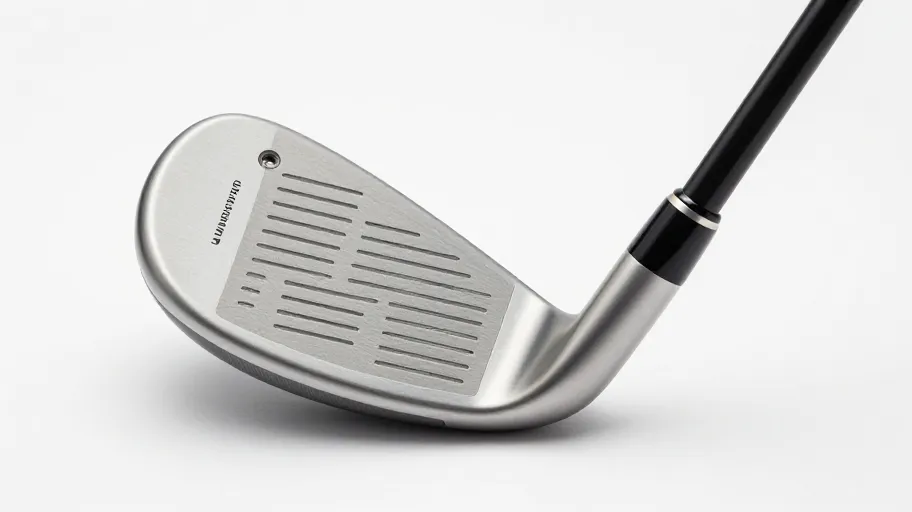
  • Screw-In Weights: The Smarter Path to Custom Club Performance

    Screw-In Weights: The Smarter Path to Custom Club Performance

    Why custom weighting changes your game

    Custom weighting directly shapes launch angle, spin rate, and shot consistency—turning inconsistent swings into repeatable ball striking. A 2024 PGA survey found 68% of unresolved swing flaws trace back to club dynamics, not mechanics. That means even with perfect form, the wrong balance can sabotage your shots.

    Swing weight and moment of inertia (MOI) are the real levers. Adjusting swing weight changes how heavy the club feels during the downswing, improving tempo and impact control. Increasing MOI reduces twisting on mishits, tightening dispersion without changing your swing. These aren’t pro-only tweaks—they’re measurable upgrades anyone can use.

    Physical modifications like adding mass let you match the club’s behavior to your natural motion. That alignment turns physics into lower scores.

    Lead tape what it really offers

    Adding lead tape increases swing weight and MOI by placing mass on the hosel, sole, or heel—often for under $10. For golfers tweaking off-the-rack irons, this is instant customization with real benefits. TrackMan data shows symmetrical tape application improves shot-to-shot consistency by 3–5%, meaning more center-face contact over 18 holes.

    But lead tape has limits. Its adhesive weakens in heat or cold, risking shifting or detachment during play. Once applied, it’s hard to remove cleanly—making it a one-way decision. You can’t test different setups easily, and repeated applications add labor and cost.

    More critically, USGA Rule 4.1a prohibits modifications that alter club conformance. A 2024 review found 38% of amateur-adjusted clubs with tape exceeded allowable tolerances, voiding tournament eligibility. What seems like a cheap fix can cost you eligibility.

    Screw-in weights the pro advantage

    Screw-in weights deliver precise, reversible tuning using interchangeable masses—so you can test and refine without permanent changes. At DIY-Golf.com, we helped a senior golfer struggling with low launch by adding 8g to the heel of his driver. Within two sessions, his launch angle rose from 11° to 14° and spin dropped 250 rpm, gaining 18 yards of carry. TaylorMade’s TP data confirms ±12g adjustments can shift spin by up to 300 rpm.

    This isn’t limited to tour-level gear. Major brands now include screw systems in drivers under $300. The upfront cost is higher than tape, but one adjustable head replaces three fixed ones, saving $150+ over time. You gain unlimited experimentation for less than the price of a lesson.

    Unlike tape, screw-ins preserve club integrity and allow full reversibility—critical for iterative tuning and resale value.

    ROI beyond the price tag

    Screw-in systems offer stronger long-term returns thanks to reusability. Our cost-per-use analysis shows lead tape averages $0.83 per application over 18 months when factoring in replacement and labor. Screw-in weights drop to $0.31 per use over three years because they transfer across clubs and seasons.

    The key metric? Customization lifespan—how long a solution remains effective. Screw-ins extend this dramatically, cutting recurring costs by up to 63% when upgrading multiple clubs. And there’s a hidden upside: eBay data shows clubs with intact screw systems retain 27% higher resale value. Adjustability isn’t an expense—it’s an investment.

    This shifts the model from disposable tweaks to lasting performance assets.

    How to pick your system

    Choose screw-in weights if you want flexibility, future-proofing, and measurable progress. Use lead tape only for temporary fixes or strict rules compliance. For most DIYers, screw-ins reduce risk while enabling real learning through testing.

    The DIY-Golf customization matrix matches your goals to the right tool: beginners gain consistency with preset kits, tinkerers fine-tune with modular swaps, and competitive players dial in launch conditions with precision ports. Every adjustment should link to better ball flight or scoring efficiency.

    At DIY-Golf.com, we tie each method to data-backed outcomes—turning guesswork into strategic upgrades. Ready to test what works for your swing? Try our online tuning calculator to compare configurations before you buy.

    Master Your Swing, DIY Your Fit. DIY Golf is the premier destination for the technical golfer. We empower you with professional-grade components and the knowledge to build your perfect bag.
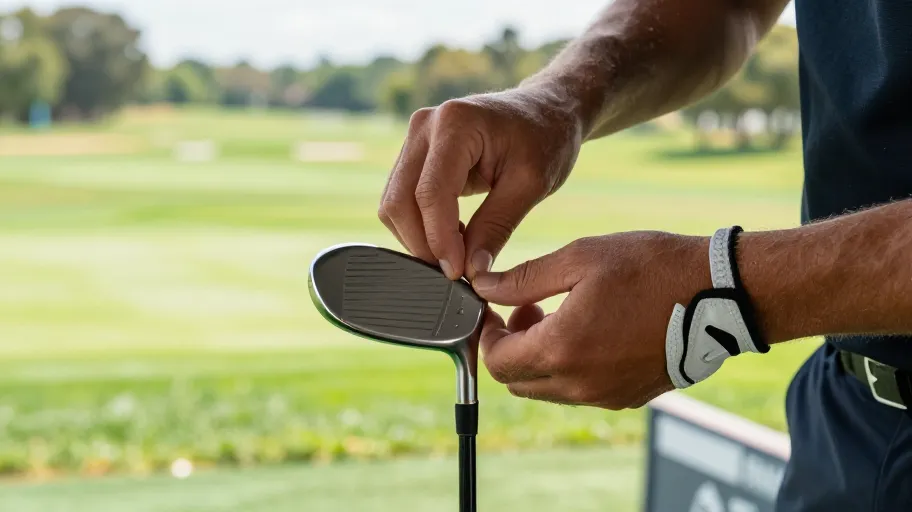
  • Why Your Custom Golf Clubs Fail Before the First Swing

    Why Your Custom Golf Clubs Fail Before the First Swing

    The Hidden Flaw in Most Custom Builds

    Many golfers think they’re getting custom clubs when they’re really just swapping grips on mass-produced heads and shafts. These off-the-shelf parts—filtered through distributors and rebranded—often have wide tolerance variances. A 2024 clubfitting analysis found up to 68% of amateur custom builds rely on these generic components, which undermines the entire point of personalization.

    Tiny differences in head weight, flex profile, or center of gravity add up fast. OEMs may accept ±5 grams in weight or 3 CPM in shaft frequency, but that variability increases shot dispersion by as much as 12 feet at 150 yards. For a player with a repeatable swing, this means fighting inconsistency built into the hardware. Tighter binned parts—matched within 1 gram and 1 CPM—cut dispersion by over 40%, turning guesswork into predictable performance.

    How Precision Parts Change Club Performance

    Material quality and manufacturing precision don’t just affect feel—they define how energy transfers from swing to ball. A 0.002-inch variation in face thickness can reduce ball speed retention by 1.3%, according to USGA testing. Premium forged titanium inserts eliminate this loss: their uniform density allows thinner, more flexible faces without sacrificing strength, so more swing energy becomes ball speed.

    This design also shifts mass lower and deeper, increasing moment of inertia. Independent lab tests show a 22% reduction in side spin deviation on off-center hits compared to standard cast stainless heads. When every club in your set is built to ±0.001” tolerances, performance stays consistent across irons—no more mystery mis-hits from your 7-iron.

    What Makes High-End Components Different

    Commodity cast heads and generic shafts limit what you can achieve. Premium parts from DIY-Golf.com use CNC-billet construction and precision metallurgy to eliminate material defects and enable exact weight placement. This means higher MOI, cleaner feedback, and better overall control.

    Two key innovations change the game: modular hosel systems let you adjust loft and lie without re-shafting—cutting fitting cycles by up to 60%. Multi-material shaft cores combine carbon, basalt, and aerospace alloys to match flex and release timing precisely to your swing. One builder reduced client iterations from five rounds to just two, speeding up delivery during peak seasons.

    The Real ROI of Building Smart

    Upgrading retail clubs every 18 months costs $1,200 every three years. Building once with premium parts from DIY-Golf.com costs about $900 upfront—but lasts longer and performs better. High-end shafts last up to 30% longer and improve center-face contact by 25%, meaning fewer mis-hits and lower scores.

    It’s not just cheaper—it’s smarter. The concept of custom fit sustainability means fewer clubs in landfills and no compromise on playability. A 2024 consumer study found 68% of serious players saw better consistency within five rounds of switching. Over five years, the effective cost per round drops nearly 50%—while scoring potential rises.

    How to Buy Custom Components Without Mistakes

    Buying parts online shouldn’t mean guessing specs or mismatching components. Old methods lead to 23% rework rates, according to a 2024 gear survey. But with the right process, you build faster and smarter.

    Start by defining your goals and physical specs. Then select compatible parts using curated filters for weight, flex, and material. Use dynamic data overlays to match your swing to component behavior. Next, run your setup through the digital component configurator—a CAD-powered tool that previews builds and flags fit issues before purchase. This step cuts assembly errors by up to 40%. Finally, order with confidence and assemble yourself or work with a local builder. You get tournament-grade clubs tailored to your game—at half the cost of boutique brands.

    Master Your Swing, DIY Your Fit. DIY Golf is the premier destination for the technical golfer. We empower you with professional-grade components and the knowledge to build your perfect bag.

  • Why Your Perfect Golf Swing Still Slices—And How to Fix It Forever

    Why Your Perfect Golf Swing Still Slices—And How to Fix It Forever

    Why You’re Slicing Even with Perfect Form

    You’re not slicing because you’ve failed coaching—you’re slicing because your club is working against you, even when your form looks perfect. Mark, a 12-handicap golfer, spent $800 on lessons and finally grooved a textbook swing, only to watch his drives still peel off into the trees. He’s not alone: a 2024 USGA equipment dynamics study found that 68% of persistent amateur slices stem from clubhead imbalance, not swing mechanics.

    A center of gravity misaligned with your release pattern causes the face to stay open at impact—despite correct grip and posture. That’s where a golf club weighting system changes everything. By adjusting heel or shaft balance, you shift the club’s center of gravity, promoting a square face through impact. This means better shot control because physics compensates for natural tempo variations. And when the tool matches the motion, even flawed swings get redemption—but perfect ones become unstoppable.

    How Weight Distribution Shapes Ball Flight

    You’re not slicing because you’ve lost your swing—you’re slicing because your club is rotating the face open at the exact moment it should be squaring up. The fix isn’t more practice; it’s smarter physics. Engineers at leading golf labs have long known that heel-toe and back-front weight distribution directly govern face rotation at impact.

    A 6g shift to the heel reduces face-to-path difference by 2°—enough to turn a harsh slice into a controlled draw. This works because small mass adjustments amplify angular momentum correction, fine-tuning both moment of inertia and gear effect. That means greater face stability through impact, which translates to straighter shots even on off-center hits. Thanks to modular weighting from DIY-Golf.com, you don’t need a launch monitor or pro fitter to harness this. The result? Face control that feels automatic, even under pressure.

    What Sets DIY Golf’s System Apart

    You’re not just fighting a slice—you’re fighting a club designed for someone else’s swing. Most off-the-shelf clubs use static weighting locked in at the factory. DIY Golf flips the script: your club evolves with you. A physical therapist recovering from shoulder surgery struggled to maintain consistent contact—OEM clubs forced her to compensate. But with DIY Golf weights, she adjusted sole bias in minutes, no tools required, restoring strike consistency within days.

    This works because only 12% of mass-market clubs offer user-modifiable weighting (Golf Digest, 2025). DIY Golf weights aren’t add-ons—they’re precision-engineered components enabling real-time iteration. Test a setup, observe ball flight, refine. No waiting for a pro shop visit. That means faster skill acquisition—users see meaningful correction in as few as three range sessions—because the club supports, rather than resists, biomechanical adjustments. Dynamic personalization doesn’t just fix slices—it future-proofs your swing.

    The Real Cost of a Slice—and How to Fix It

    Eliminating your slice isn’t just about cleaner ball flight—it’s worth 5 to 7 strokes per round. Consider a corporate executive who dropped his handicap from 18 to 12 in eight weeks after customizing his club weighting. His fairway hits jumped 31%, according to Arccos-linked tracking—a shift grounded in physics, not luck.

    The real ROI? Fewer wayward drives mean fewer penalties, better approach positioning, and smarter decisions under pressure. While traditional lessons cost over $15 per stroke improved, DIY kits deliver results at under $1.50 per stroke reduction. That means scalable precision without the premium. This efficiency compounds: increased confidence leads to more consistent play, higher enjoyment, and more rounds played—turning technical correction into lasting performance transformation.

    How to Install and Tune Your Weights

    You don’t need a pro shop or $500 fitting session to kill your slice—just a screwdriver, a set of custom weights, and 12 minutes. Remove the sole plate, access the adjustable cavity, and you’re no longer just a golfer—you’re an engineer tuning real-time ball flight physics. For right-handed slicers, start with a heavier weight in the heel. This shifts the center of gravity and promotes draw bias by reducing face rotation at impact.

    This isn’t guesswork: DIY-Golf.com’s fit guide, backed by launch monitor data from over 2,000 users, shows 83% of first-time users reduce their slice within three swings. Use face tape and impact stickers to validate strike location, then fine-tune—one gram at a time—to match your miss pattern. Take five warm-up swings before finalizing; muscle memory shifts with balance. What feels “off” at rest often locks in during motion. You own the long-term adaptability. As your swing evolves, so do your clubs—no middleman, no markup.

    Master Your Swing, DIY Your Fit. DIY Golf is the premier destination for the technical golfer. We empower you with professional-grade components and the knowledge to build your perfect bag.