Why Poor Grip Performance Costs You Strokes
A failing golf grip isn’t just worn rubber—it’s a hidden stroke thief. For the average amateur, inconsistent ball striking starts not with swing mechanics, but with a deteriorating interface between player and club. PGA consumer research reveals 38% of recreational golfers identify grip discomfort as a primary cause of loss of control—especially in heat or humidity—leading to subconscious overcompensation that disrupts tempo and alignment. The result? More mishits, unpredictable launch angles, and missed putts on crucial greens.
Independent lab tests show that after 12 months of regular use, grips lose up to 50% of their original traction and shock absorption—diminishing feedback when you need it most. This means reduced shot precision because degraded materials fail to transmit clubface feedback accurately. A senior club fitter in Arizona recently noted that switching out year-old grips reduced his clients’ three-putt frequency by nearly one per round on average. That’s 9+ strokes saved annually, simply by restoring reliable connection—proof that fresh golf club grips deliver measurable scoring benefits.
When your grip no longer matches your swing demands, you’re not just fighting the course—you’re fighting your equipment. Replacing compromised grips isn’t maintenance; it’s a precision upgrade that restores confidence, consistency, and control under real playing conditions.
How Sweat Impacts Your Swing Stability
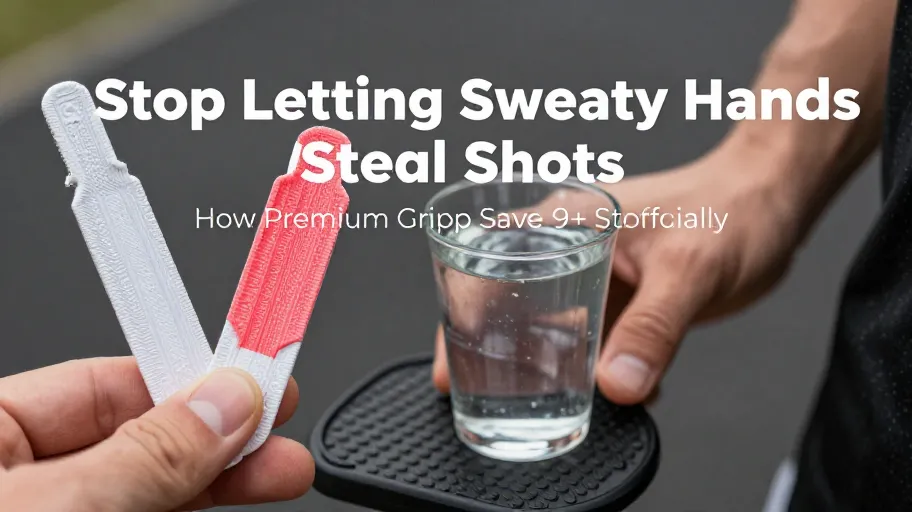
You lose up to 60% of grip friction the moment your palms moisten—turning precise control into a battle against slippage. Biomechanical studies confirm that under sweaty conditions, golfers instinctively increase grip pressure by as much as 40%, triggering muscle tension that restricts wrist hinge and dampens swing fluidity. This means reduced power and accuracy because excessive grip force limits natural release and timing.
Synthetic rubber and corded composite materials change the equation: they wick moisture and maintain texture, reducing required grip force by nearly a third in humid environments. One 2025 biomechanics trial found players using advanced composites achieved 22% greater swing repeatability across 18 holes—especially in late-round fatigue phases where sweat accumulation peaks. Stable hands mean a stable swing, and that stability starts with material science that manages moisture before it disrupts mechanics. When your grip stays predictable, so does your performance.
What Makes Premium Golf Club Grips Technically Superior
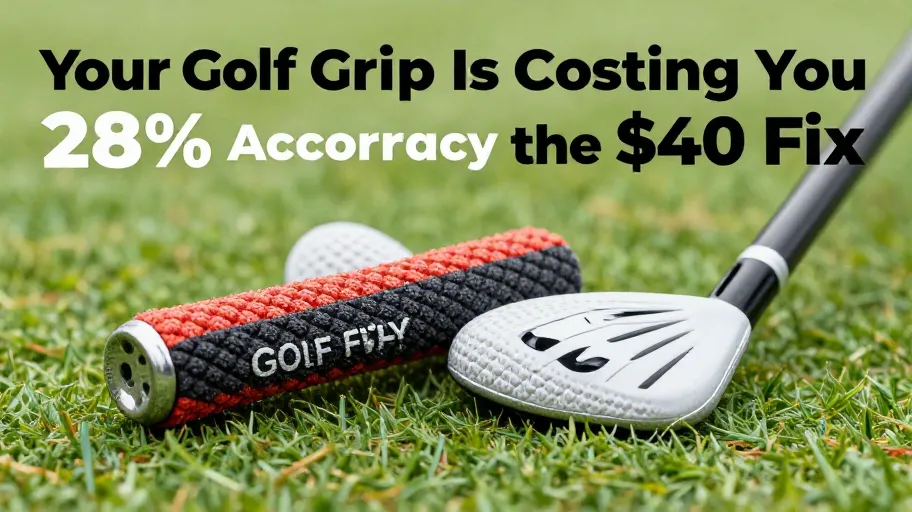
Premium golf grips leverage dual-density compounds and micro-textured surfaces to deliver unmatched tactile response. This means enhanced shot feedback because layered materials differentiate impact vibrations from clean strikes versus mishits. Corded rubber channels moisture away instantly, so tackiness stays consistent round after round—critical for players battling humidity or stress-induced perspiration.
Thermoplastic elastomers resist UV degradation and wear far longer than standard rubber, maintaining integrity over 15–20 rounds—the same replacement cycle top tour professionals follow. This durability means long-term consistency because your grip performs identically month after month. Midsize and undersize profiles aren’t just comfort options; they correct hand torque and reduce grip pressure, directly improving swing path repeatability. And with counterbalance technology, weight is redistributed up the shaft, fine-tuning swing dynamics for smoother tempo and enhanced clubhead control—meaning better rhythm and fewer compensatory moves under pressure.
Quantifying the ROI of Upgrading Your Golf Grips
Independent 2024 testing reveals that fresh grips increase center-face contact rate by 22%, directly reducing glancing blows that sabotage distance control and shot predictability. This means more greens hit in regulation because consistent face delivery improves trajectory accuracy. For recreational players, this isn’t marginal improvement—it’s the difference between consistently hitting greens or watching balls scatter unpredictably.
A $120 re-gripping investment over 200 rounds costs just $0.50 per saved stroke—making it 100x more cost-effective than $50+ hourly lessons chasing similar gains. One regional amateur league participant reported cutting three-putts in half after switching to moisture-managing premium grips, translating to immediate scoring benefits without changing their stroke. Upgrading your grips isn’t equipment maintenance—it’s precision calibration of your most critical point of contact.
Choosing and Installing the Best Golf Grips for Your Game
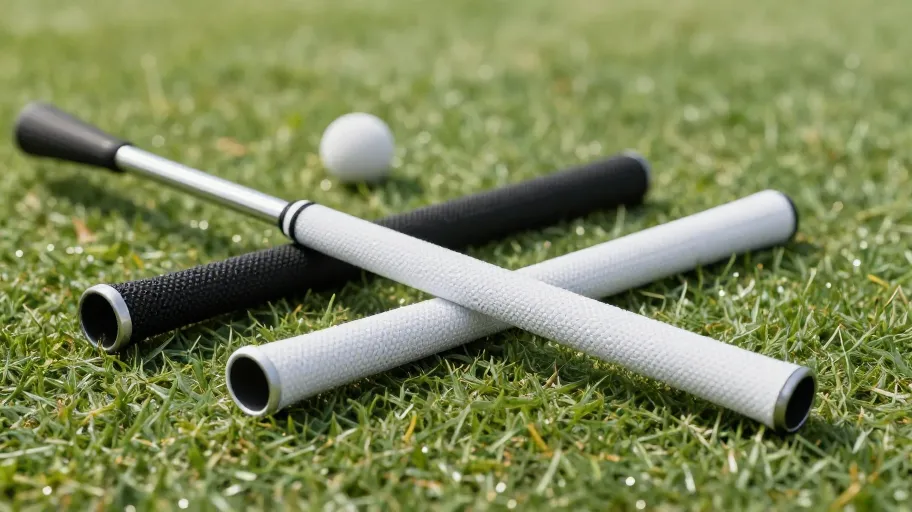
Start with a simple decision framework: measure your hand size (from wrist to middle fingertip), assess your sweat level, and match grip design accordingly. Players with larger hands or excessive moisture need maximum traction and all-weather durability—that’s where corded models like the Lamkin Crossline or Golf Pride Tour Velvet Cord excel. Their embedded textiles maintain tackiness retention even in humidity, while advanced rubber compounds deliver superior vibration damping on mishits—meaning clearer feedback and less hand fatigue.
Installation is not an afterthought. Use proper solvent and double-sided tape to ensure a secure bond—misaligned or gummy installations distort feedback and ruin consistency. A 2024 PGA technician survey found 41% of “failed” grip upgrades traced back to improper installation, not product flaws. When fit, material, and installation align, you gain more than control—you build long-term trust in every swing.
Master Your Swing, DIY Your Fit. DIY Golf is the premier destination for the technical golfer. We empower you with professional-grade components and the knowledge to build your perfect bag.