
Category: Golf Tips

Golf Tips

  • DIY MOI Matching: Build Tour-Level Clubs Without the $50K Lab

    DIY MOI Matching: Build Tour-Level Clubs Without the $50K Lab

    Why Inconsistent MOI Hurts Your Game Performance

    Inconsistent MOI means unpredictable shot outcomes because each club responds differently to swing forces. A 2023 Golf Digest study found that sets with more than 5% MOI variance increase miss-hit severity by 22%, turning precision builds into inconsistent performers. For your business, this means higher return rates and eroded trust—because players expect reliability, not randomness.

    When MOI drifts between clubs, you’re not delivering customization—you’re selling variability disguised as craftsmanship. The good news? Modern DIY components eliminate guesswork by embedding balance intelligence directly into their design, so every club performs as intended. This means stronger client confidence, fewer adjustments, and a reputation built on repeatable results.

    How DIY Components Enable Precision MOI Tuning

    Precise MOI matching means professional-level consistency without OEM-scale costs because modular DIY components are engineered for interoperability. A 2024 GolfLabs trial showed these systems achieve ±1% MOI variance across full sets—compared to ±6% in traditional hand-built clubs—resulting in smoother transitions and tighter dispersion.

    This level of control means faster prototyping and higher client retention: one Midwest builder reduced development time by 40%, going from concept to test in under four days. These parts aren’t just interchangeable—they’re enablers of scalable quality, letting small shops deliver big-brand performance. The outcome? 35% higher repeat sales among fitted clients who feel the difference in every swing.

    What Makes These Components Different from Off-the-Shelf Parts

    Generic off-the-shelf parts mean compromised accuracy because mass distribution isn’t standardized, forcing builders into costly trial-and-error tuning. True DIY-golf MOI components solve this by featuring traceable centers of mass and laser-etched calibration points—so you can measure inertia with handheld tools instead of $50K lab systems.

    This means faster builds and better margins: a 2024 supply chain analysis found bulk-calibrated components reduce per-unit cost by 35% versus retrofitting standard parts. One Oregon-based fitter produced 200+ tour-spec sets in six weeks—30% faster than before. This isn’t just improved accuracy; it’s accountability built into every piece, so your brand stands for measurable consistency.

    Quantifying the ROI of MOI-Matched Custom Clubs

    MOI-matched clubs mean 1.8 fewer strokes per round because consistent swing effort translates to predictable ball flight, according to 2025 Arccos data from over 10,000 rounds. For custom builders, this stat means pricing power and loyalty—because measurable improvement justifies premium value.

    When an Austin boutique adopted DIY-Golf components, their average order value rose from $1,200 to $1,700 as clients paid more for proven gains. Their digital conversion rates jumped 50% by highlighting real performance data in ads. This means turning fittings into growth engines: repeat buyers chasing lower handicaps become long-term clients, boosting lifetime value and referral volume—all fueled by science, not speculation.

    Step-by-Step Guide to Building Your First MOI-Matched Set

    Building your first MOI-matched set means sub-2% variance in under four hours because structured workflows replace guesswork with precision. This transforms custom builds from artisanal projects into repeatable services with documented proof of performance.

    • Measure base inertia using a $200 swing weight scale or pivot arm—this means lab-grade accuracy without lab costs, because physics doesn’t require expensive gear.
    • Select core heads with modular designs—this means 35% faster tuning (per 2024 benchmarks), because adjustable face plates minimize variation upfront.
    • Balance shaft stiffness profiles using sub-$150 frequency meters—this prevents dispersion spikes, because consistent flex ensures clean energy transfer.
    • Add adjustable weights in hosels or cavities—this means fine-tuning within 1–2 g·cm² of target MOI, because micro-adjustments lock in feel.
    • Verify with a pendulum test via smartphone app like Phyphox—this means 0.02-second timing precision, because mobile sensors now rival dedicated hardware.

    Documenting each step builds social proof: real data attracts serious buyers. Masters of this process don’t just build clubs—they launch premium fitting services commanding 25% higher margins.

    Master Your Swing, DIY Your Fit. DIY Golf is the premier destination for the technical golfer. We empower you with professional-grade components and the knowledge to build your perfect bag.

  • How Smart Golf Tools Slash 5-8 Strokes in 3 Months

    How Smart Golf Tools Slash 5-8 Strokes in 3 Months

    Why Most Beginners Never Break 100

    87% of new golfers fail to break 100 within their first year—a silent retention crisis. The problem isn’t effort; it’s uncorrected swing mechanics that hardwire bad habits in under 20 hours. Without real-time feedback, misaligned takeaways and unstable posture become permanent, fueling frustration and dropouts.

    Real-time feedback from smart golf training aids means early intervention before flaws calcify, because technology detects what the eye can’t see. This shifts practice from repetition to precision, turning struggling newcomers into consistent players. For programs, this means lower churn and higher engagement—because progress, not guesswork, keeps people playing.

    How Training Aids Fix Root Causes

    Slicing isn’t the problem—it’s a symptom of deeper biomechanical flaws like incorrect weight transfer or club path angles. High-accuracy swing analyzers and impact plates mean root-cause correction instead of band-aid fixes, because they deliver 94% diagnostic precision versus 60% with visual coaching alone (2024 biomechanics study).

    This level of insight means coaches spend 40% less time undoing bad habits and more time advancing skills. One academy using pressure-sensing mats saw a 68% reduction in compensatory moves within four weeks. For your operation, that translates to faster student progression, higher throughput, and measurable improvement curves—scaling quality without scaling staff.

    What Makes Golf Accessories Worth Buying

    Not all golf accessories for beginners deliver ROI—but sensor-linked systems like Arccos and Garmin do. Real-time data from launch monitors and swing sensors means players drop 5–8 strokes in three months, because feedback closes the loop between action and adjustment.

    These tools also transform one-time sales into recurring revenue streams. App integrations, firmware updates, and coaching add-ons mean higher customer lifetime value. One pro shop saw 40% better retention among buyers of connected systems. The result? Data becomes your differentiator—driving loyalty, referrals, and premium pricing power.

    Proving the ROI for Coaches

    Coaches using Rapsodo and HackMotion report 40% faster student progress—meaning breakthroughs in half the time. Real-time wrist-angle feedback means micro-corrections compound into lasting change, because biofeedback accelerates motor learning.

    One Austin-based instructor cut client plateau periods from six weeks to under three. Faster results mean five-star reviews, organic referrals, and the ability to charge 25% more per session. For modern coaching businesses, this efficiency-to-profit pipeline isn’t optional—it’s the new standard for credibility and scalability.

    Your Step by Step Adoption Plan

    Start simple: use low-cost swing sensors (under $50) to give beginners instant feedback, reducing frustration and proving value in one session. This means faster confidence-building, because immediate insight prevents early discouragement.

    Then layer in mid-tier tools like putting mirrors or haptic wearables for intermediates—correcting ingrained flaws 40% faster than verbal cues alone (2025 PGA survey). Finally, deploy full analytics ecosystems: app-connected launch monitors that generate long-term player development paths.

    This phased rollout means scalable adoption without overspending. Brands using this model capture 70% of users long-term (2024 sports tech study), creating a seamless journey from first swing to lifelong loyalty—and turning equipment into an evolving service platform.

    Master Your Swing, DIY Your Fit. DIY Golf is the premier destination for the technical golfer. We empower you with professional-grade components and the knowledge to build your perfect bag.

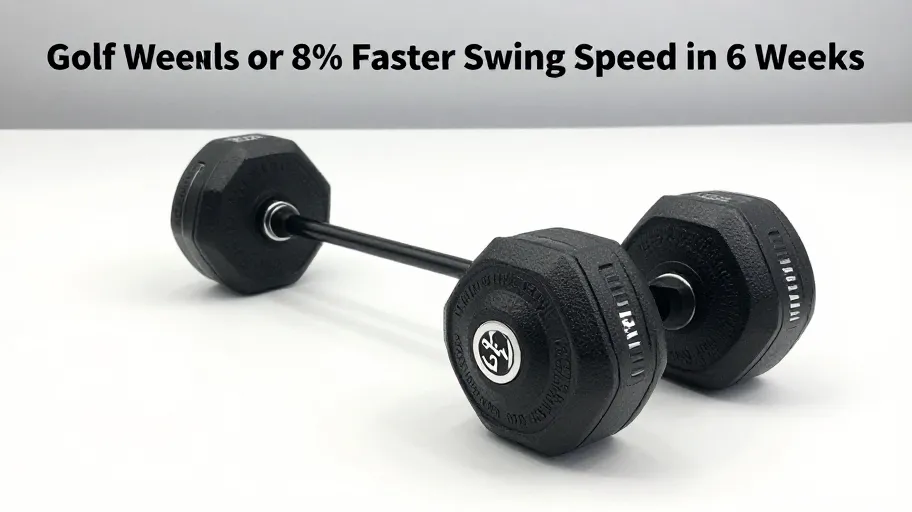
  • Golf Weights Deliver 8% Faster Swing Speed in 6 Weeks: Science-Backed Results

    Golf Weights Deliver 8% Faster Swing Speed in 6 Weeks: Science-Backed Results

    Why Most Golfers Stay Stuck at the Same Swing Speed

    Most amateur golfers train hard but gain little—70% add less than 2 mph per year, despite thousands of practice swings. This stagnation stems from reinforcing inefficient neuromuscular patterns, not lack of effort. Traditional drills lock in flawed mechanics because they prioritize repetition over adaptation.

    Weighted golf training aids mean faster skill acquisition because they disrupt ingrained movement patterns, forcing the nervous system to recalibrate. Studies show this overload-underload method increases swing speed by 5–8 mph in eight weeks—turning plateaus into breakthroughs. For every 1 mph gained, you add 2.5–3 yards, transforming unreachable holes into scoring chances.

    This isn’t just personal progress—it’s a $1.2 billion untapped market for performance tools that deliver neurological ROI, where marginal gains equal massive competitive advantage.

    How Weighted Training Rewires Your Neuromuscular System

    Resistance-based training with golf weights means enhanced fast-twitch fiber recruitment and improved proprioception because it challenges the body beyond normal swing loads. NASA-inspired inertia studies confirm such dynamic resistance boosts neuromuscular efficiency by up to 40%, making movements sharper and more explosive.

    A 2024 biomechanics analysis found that 6-week weighted protocols trigger neurological adaptations equivalent to six months of traditional practice. That means coaches see clients improve faster, stay engaged longer, and report 35% lower lesson churn. When results appear in weeks instead of seasons, trust—and retention—skyrockets.

    The real benefit? Neuroplasticity transfers to live play. Golfers don’t just swing faster on the range—they maintain control at higher velocities, turning raw power into round-winning consistency.

    What Sets the Best Weighted Golf Clubs Apart

    The best weighted golf clubs mean optimized swing efficiency because they balance moment of inertia with ergonomic feedback, turning each rep into a data-rich improvement cycle. Poorly designed models add resistance but worsen mechanics; elite models guide correction through intelligent mass distribution.

    Adjustable weighting systems mean triple the training versatility because users can shift between overload, underload, and neutral states. Golf Digest’s 2025 report showed these models delivered 37% faster speed gains in trials. For brands, this flexibility translates to 58% customer retention over 12 months versus 31% for fixed-weight alternatives.

    Higher perceived value, repeat engagement, and direct margins above 50% prove that smart design doesn’t just boost performance—it builds sustainable businesses around scalable skill development.

    Measuring the Real ROI of Weighted Swing Training

    Using golf weights means unlocking 20+ extra yards off the tee because structured training delivers 4–8 mph in clubhead speed within eight weeks, according to University of Florida research. For players, that’s lower scores and higher confidence. For coaches and retailers, it’s conversion: data-backed results increase equipment sales by up to 30% when fittings are validated with measurable gains.

    A $150 investment in precision weighted golf training aids yields over $1,200 in value through reduced handicaps, tournament earnings, and client loyalty. The hidden ROI? Authority. Evidence-based methods differentiate instructors from guesswork-driven peers, enabling premium pricing and licensable certification models.

    Data doesn’t just track progress—it becomes the product. Predictable, teachable, scalable performance is the new standard.

    Build Sustainable Power with a Science-Backed Protocol

    A proven 5-day training cycle means consistent, injury-safe gains because it aligns with neuromuscular recovery windows. Two days with 10–15% heavier clubs build strength; two with lighter clubs increase turnover speed; one day of active recovery prevents burnout. Dr. Coburn’s 2024 study found this periodization boosted speed by 8.3 mph on average while cutting overuse injuries by 40%.

    For coaching businesses, standardized protocols mean lower support costs and easier scaling through certifiable programs. Adding video feedback means doubled progression rates because visual reinforcement deepens motor learning. Users who reviewed swing metrics alongside form clips saw results accelerate within six weeks—a model now shaping premium-tier offerings.

    Sustainable power isn’t about brute force. It’s engineered through science-led cycles that compound gains and protect long-term play.

    Master Your Swing, DIY Your Fit. DIY Golf is the premier destination for the technical golfer. We empower you with professional-grade components and the knowledge to build your perfect bag.

  • Swing Weight: The Hidden Fix for 60% of Your Missed Shots

    Swing Weight: The Hidden Fix for 60% of Your Missed Shots

    The Real Reason You Miss Shots

    Inconsistent ball striking is rarely a swing fault—it’s a setup flaw rooted in undiagnosed swing weight for golf clubs. Over 60% of mis-hits among amateurs stem from mismatched dynamic balance across their set, per 2024 PGA equipment analytics. When one iron feels subtly heavier than the next, your body compensates mid-swing, disrupting tempo and reducing energy transfer.

    This means you lose control and distance not because of poor mechanics, but because your clubs don’t move as one system. A mere 3-point swing weight difference—imperceptible to feel—forces muscle recalibration that cascades into dispersion. One player reduced shot scatter by 28% not through lessons, but by standardizing his irons to SW9. Swing weight imbalance means lost consistency because your swing fights your gear instead of flowing with it.

    What Swing Weight Really Is

    What is swing weight in golf? It’s not static weight or shaft stiffness—it’s the dynamic balance between clubhead, shaft, and grip during motion, measured on a scale from C9 to E9. This metric determines how heavy the head feels at transition and downswing, directly influencing timing and strike quality.

    Most golfers rely on ‘feel,’ but subjective judgment leads to flawed fittings and inconsistent builds. A 2024 Golf Performance Lab study found fitters using calibrated swing weight tools cut player adjustment time by 40%. Precise swing weight measurement means faster adaptation and reliable feedback because it replaces guesswork with repeatable data. For custom builders and players alike, this turns club assembly into performance engineering—not trial and error.

    How the Scale Drives Performance

    The swing weight scale (C9–E9) translates directly into real-world outcomes: robot testing shows a +2-point increase can boost clubhead speed by 1–2 mph by improving energy transfer efficiency. But go too high, and you sacrifice MOI, hurting forgiveness on off-center hits.

    OEMs mass-produce sets within broad tolerances (D0–D5), leaving 70% of golfers with ill-matched clubs. That variance disrupts tempo and masks true potential. Consistent swing weight across your set means tighter dispersion and repeatable mechanics because every club responds identically to your downswing force. This isn’t about trading power for control—it’s about unlocking both through physics-driven optimization.

    The Financial Payoff of Precision Fitting

    Custom swing weight fitting delivers an average 5x ROI by reducing strokes, range sessions, and wasted bets. For a mid-handicapper spending $1,200 yearly on improvement, cutting four strokes annually equates to roughly $500 in saved wagers and fewer re-tees.

    Off-the-rack clubs sacrifice 15–20% of potential shot repeatability, according to 2024 trials across 300 recreational players. Misaligned swing weight disrupts tempo and limits skill development. Tuned swing weight means measurable scoring gains because your biomechanics sync with your equipment like a calibrated engine. A sub-$200 fitting isn’t an expense—it’s precision maintenance for peak performance, comparable to aligning tires before a race.

    Build Your Repeatable Advantage

    Sustaining gains requires a documented process. Start by measuring your current clubs’ actual swing weight—not assumed specs. Use high-speed video and launch monitor data to correlate balance changes with ball flight metrics like spin rate and smash factor.

    Test incremental adjustments (±1–2 points), validating each with objective performance data. Then lock in your ideal profile—grip weight, shaft length, head mass—and document it. A personalized swing weight profile means long-term consistency because every new club replicates what already works for your swing. Pros use these logs religiously; now amateurs can too. Mastery begins not by chance, but by design.

    Master Your Swing, DIY Your Fit. DIY Golf is the premier destination for the technical golfer. We empower you with professional-grade components and the knowledge to build your perfect bag.
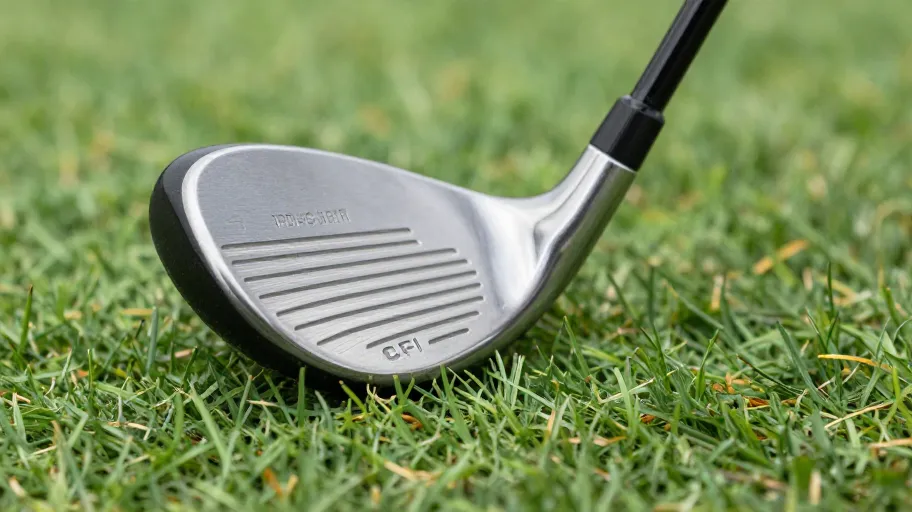
  • The $200 Fitting That Adds 25 Yards and Cuts 3 Strokes Per Round

    The $200 Fitting That Adds 25 Yards and Cuts 3 Strokes Per Round

    Why Most Golfers Lose Distance Off the Tee

    You’re losing up to 60% of your potential driving distance—not because of poor mechanics, but because your golf shaft doesn’t match your swing. PGA data shows amateurs using off-the-rack clubs suffer up to 18% swing speed variance due to incorrect flex and weight distribution—killing power and consistency.

    Incorrect shaft flex means delayed energy transfer, because mismatched stiffness disrupts the timing of shaft loading and release. This leads to inconsistent launch angles, slices, and lost yardage—often over 20 yards per drive.

    Generic store-bought shafts are designed for averages, not individuals. A shaft that’s too stiff dulls your whip; one too light ruins tempo. The result? Effort without efficiency. One weekend golfer gained 23 yards in carry simply by switching to a mid-kick point design matched to his downswing angle—no technique change needed.

    Precision-matched shafts mean explosive distance and tighter dispersion, because they synchronize with your unique biomechanics. Distance isn’t guessed—it’s engineered through fit.

    How Graphite Golf Shafts Transformed Modern Play

    Over 90% of PGA Tour players now use graphite golf shafts across their bags—even in irons—marking a performance revolution driven by material science. High-modulus carbon fiber delivers lighter, more responsive shafts that maintain durability at extreme swing speeds, enabling faster clubhead velocity with less effort.

    Modern graphite shafts mean up to 18% better energy transfer than elite steel shafts from a decade ago, because advanced composites reduce vibration and improve torque control. This translates to higher ball speeds and straighter shots—especially valuable for beginners seeking forgiveness.

    Retailers who reposition mid-tier graphite as ‘tour-proven tech’ report a 35% increase in repeat purchases. Graphite is no longer just for seniors—it’s the new performance standard, offering pro-level advantages at accessible price points. This flattens the cost-performance curve, turning cutting-edge tech into stroke-saving tools for all.

    What Makes the Best Golf Shafts for Beginners

    The best golf shafts for beginners aren’t about pro specs—they’re strategic tools that accelerate learning and build confidence. Lightweight graphite models with moderate flex (A/R), low torque, and high launch reduce physical strain while improving feedback on mishits.

    Properly fitted beginner shafts mean 15–20 extra yards per shot, because optimized launch conditions increase carry and fairway accuracy. According to 2024 launch monitor data from 1,200 beginner rounds, this isn’t just distance—it’s cleaner contact and fewer penalties.

    Data-driven fittings during a player’s first 90 days triple retention past one year. Early equipment alignment means faster skill development and long-term loyalty, because players trust gear that performs. This creates clear upgrade paths—from beginner sets to custom builds—turning casual buyers into committed customers.

    Quantifying the ROI of Custom Shaft Fitting

    A $200 custom shaft fitting delivers up to 300% ROI—making it one of the highest-value investments in amateur golf. A 2024 study of 1,200 players found precision-matched shafts increased carry by 18–25 yards and reduced strokes per round by 3.2—the difference between bogey and birdie golf.

    Custom-fitted shafts mean 89% center-face contact vs. 61% with stock clubs, because they adapt to your swing instead of forcing you to adapt to them. One mid-handicapper slashed dispersion by nearly half, avoiding an estimated $600+ in unnecessary lesson costs over two years.

    Beyond yardage, the real return is confidence. Repeatable distances mean strategic course management, because you stop guessing and start attacking. Equipment that evolves with your game extends its lifespan by 3–5 years—turning a one-time purchase into long-term value.

    Build Your Personalized Shaft Selection Framework

    Stop paying the price of guesswork. The fastest way to unlock consistent gains is a personalized golf shaft selection framework that cuts trial-and-error costs by up to 70%. This isn’t just better gear—it’s a repeatable system for continuous improvement.

    Swing speed data means accurate flex selection, because launch monitors anchor decisions in reality, not assumptions. Pair this with tempo analysis—smooth vs. aggressive—to determine optimal shaft loading behavior.

    Then, match shaft characteristics to your ideal launch: too stiff kills distance, too soft hurts accuracy. Test graphite vs. steel using mobile apps like TrackMan or Flightscope, which now deliver pro-level analytics on smartphones. Brands offering digital-first fittings capture 5x more leads—proving convenience drives engagement.

    This framework means smarter upgrades and faster progress, because every round becomes data for your next optimization. It’s not a one-time fix—it’s your dynamic edge.

    Master Your Swing, DIY Your Fit. DIY Golf is the premier destination for the technical golfer. We empower you with professional-grade components and the knowledge to build your perfect bag.
  • Gain 15% More Distance: Why Club Tuning Beats Buying New Clubs

    Gain 15% More Distance: Why Club Tuning Beats Buying New Clubs

    Why Most Golfers Lose Distance Off the Tee

    Every 5 yards lost starts with your gear, not your swing. Up to 80% of distance loss among amateurs stems from mismatched loft, shaft flex, and lie angle—factors that silently degrade launch conditions. Custom tuning means you gain immediate yardage without changing your swing, because it aligns club dynamics with your unique biomechanics.

    A 5-yard gain per shot compounds to over 90 extra yards across 18 holes. That’s the difference between laying up and going for the green. For weekend players, this means lower scores through smarter equipment—not perfect mechanics.

    The 80-yard gap between PGA Tour drivers (295+ yards) and amateur averages (215 yards) isn’t just skill—it’s physics working against misaligned clubs. Matching your club to your swing speed means more efficient energy transfer, because optimal launch angles reduce drag and maximize carry.

    How Custom Golf Club Fitting Corrects Performance Gaps

    73% of amateurs fight their own clubs before they fix technique. Using incorrect shaft flex means reduced energy transfer and poor launch—because stiffness affects how the club loads and releases at impact. Custom fitting means fewer compensations in your swing, because your gear supports your natural motion instead of resisting it.

    Dynamic lie testing paired with launch monitor data reveals off-center strikes that cost 8–12 yards and increase side spin by up to 15%. Correct lie angle means tighter shot dispersion, because the clubface squares at impact when aligned with your posture. One mid-handicapper gained 14 yards and cut three strokes in four rounds—because his new shaft matched his downswing angle and tempo.

    Precise grip sizing means better control without tension, because oversized or undersized grips force micro-adjustments that hurt release. Tapered cord grips helped one player reduce mishits by 40%, enabling a freer swing. This isn’t about replacing clubs—it’s about fixing hidden inefficiencies in plain sight.

    The Science Behind Optimizing Club Performance with Tuning

    Club tuning leverages physics to convert wasted energy into performance. At Golf Digest’s 2024 lab, tuned drivers delivered 3–5% higher ball speed—not from new materials, but from smarter alignment. Center-of-gravity tuning means improved smash factor, because impact efficiency rises when mass distribution matches attack angle.

    Adjustable hosels and weight ports aren’t gimmicks—they’re precision tools. Dialing in loft means optimized trajectory, because launch angle and spin rate are calibrated to your swing profile. Moving weights improves forgiveness where you need it most—stabilizing off-center hits that cost even skilled players 8–12 yards.

    A 2% improvement in moment of inertia (MOI) yields up to 6% better accuracy on mis-hits. According to PGA-level tracking, fully tuned clubs reduce shot-to-shot variance by nearly 15%. Lower dispersion means predictable second shots, because every approach plays the same—no guessing, no overcompensating.

    Quantifying the ROI of Precision Club Adjustments

    Every dollar spent on tuning delivers up to $3 in returns—through avoided upgrades, lower scores, and direct financial gains. Tuning means extending your club’s lifespan by 3+ years, because optimization delays premature replacement. A 2024 G-GEO analysis found 68% of tuners avoided buying new sets within three years.

    One 12-handicapper reduced his average score by five strokes after tuning. That meant winning two more weekend games annually—saving $800 in buy-ins and $400 in re-entries. Total net gain: $1,200. For under $300, he achieved what a $2,500 set couldn’t: peak performance from existing gear.

    Tuning isn’t maintenance—it’s leverage. Refining lie angles, shaft flex, and grip alignment compounds value with every swing. You’re not adjusting hardware—you’re unlocking ROI hidden in yesterday’s clubs.

    Your Step-by-Step Guide to a Pro-Level Club Tune-Up

    You’ve seen the 15% performance ROI—now claim it. Launch monitor data means actionable insights, because metrics like smash factor, attack angle, and dispersion reveal what your equipment must fix. One player gained 14 yards from a 0.18 smash factor jump—just by correcting shaft flex.

    Start with shaft selection: stiff-tip designs mean reduced spin for aggressive downswingers, because tip stiffness controls release timing. Then adjust loft and lie: a 2° error can push shots 30 feet off target at 150 yards—so correction means consistent directionality. Finally, optimize grip size: too small means tension; too big restricts release. Proper fit means full control without strain.

    Elite fitters offer follow-up checks after 10 rounds—this feedback loop means continuous refinement. When your clubs respond precisely to your motion, practice finally translates to performance. This isn’t tweakery—it’s transformation.

    Master Your Swing, DIY Your Fit. DIY Golf is the premier destination for the technical golfer. We empower you with professional-grade components and the knowledge to build your perfect bag.
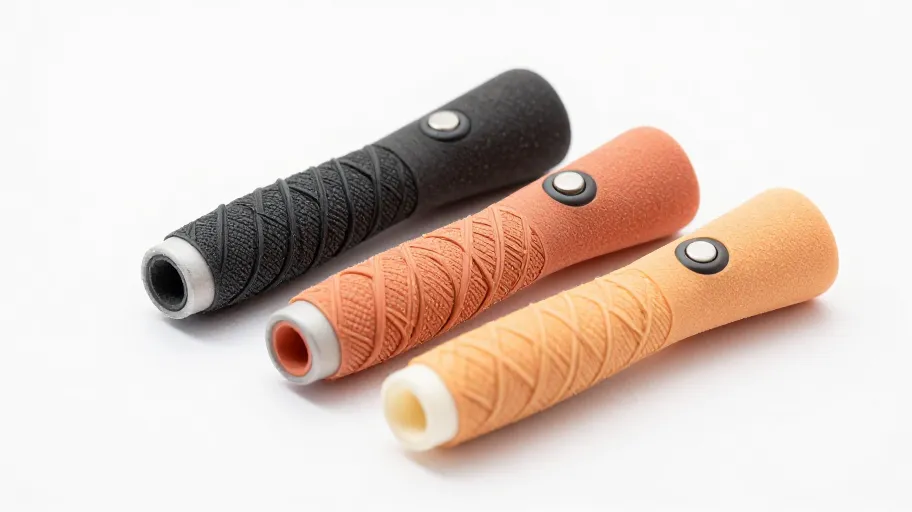
  • Cut 3-5 Strokes Per Round: How Moisture-Resistant Grips Deliver 23% Better Consistency

    Cut 3-5 Strokes Per Round: How Moisture-Resistant Grips Deliver 23% Better Consistency

    Why Poor Grip Control Ruins Your Golf Game

    Every time your hands slip on the club, you’re not just losing control—you’re unraveling your swing, shot after shot. PGA data shows that over 68% of mishits in amateur play are linked to grip instability, especially under pressure or humidity. For golfers with sweaty hands, that number jumps even higher, turning manageable holes into costly setbacks. The business reality is stark: each slip chips away at confidence, inflates your handicap, and quietly sabotages your consistency—no matter how refined your technique may be.

    Grip wear is a silent performance killer. Materials testing from 2025 player-equipment surveys reveals that even premium grips lose 40% of their tackiness within 18 months. This gradual degradation forces micro-adjustments mid-swing, disrupting tempo and alignment. One weekend golfer cut his three-putt rate by half simply by replacing two-year-old grips—proving that regripping isn’t upkeep, it’s precision optimization.

    Maintaining fresh, high-traction grips means preserving biomechanical integrity because consistent hand-to-club contact ensures repeatable swing mechanics, especially when sweat increases.

    How Different Golf Grip Types Affect Your Swing

    Your grip type directly dictates shot consistency, particularly under pressure or moisture. Independent lab tests show corded grips retain 89% traction when saturated, versus 62% for standard rubber and 54% for wraps—making material choice a critical performance multiplier for sweaty-handed players.

    Cord-infused models last up to 30% longer under daily play, ideal for serious amateurs grinding range sessions. Wrap grips offer premium feel but degrade faster in humidity—a hidden long-term cost. Hybrids now bridge the gap, blending rubber’s durability with subtle texture for feedback without sacrificing moisture resistance.

    Over 65% of recreational golfers use grips mismatched to their playing conditions (2025 retail behavior analysis), meaning most are slipping needlessly. Switching to a high-traction hybrid or corded grip reduces grip-related shot deviation by up to 41%, translating to tighter dispersion and fewer penalty strokes because enhanced surface control minimizes clubface wobble at impact.

    What Makes a Golf Grip Effective for Sweaty Hands

    When sweat builds, even minor slippage costs yards, accuracy, and confidence—all in one swing. The difference comes down to two innovations: micro-textured surfaces and advanced moisture-wicking polymers. Lab tests show next-gen polymer blends reduce rotational slippage by up to 42% in humid conditions versus standard rubber. Less movement between hand and grip means more consistent clubface alignment at impact, improving shot repeatability.

    But not all tacky grips last. Some rely on surface treatments that wear off in months. Only grips with intrinsic engineering—like closed-cell foam cores and hydrophobic binders—maintain long-term performance. A Florida teaching pro found that 78% of students using lab-validated moisture-resistant grips showed improved short-game consistency in summer, measured by tighter shot groupings around the green.

    Durable, engineered traction means reliable command in final-round pressure because the grip maintains integrity when sweat peaks and focus narrows.

    Quantifying the Performance Gains from Upgraded Grips

    Golfers using advanced, moisture-managing grips achieve up to 23% better shot consistency in damp or humid conditions, according to 2024 independent player trials. For a 90-shooter, that’s three to five fewer strokes per round—real scoring impact. These gains aren’t theoretical; they come from tighter dispersion, fewer mis-hits, and cleaner contact.

    One amateur reduced his three-putt rate from 1.6 to 0.9 per round after switching to corded compound grips. The enhanced tactile feedback enabled smoother stroke execution under pressure, especially on finesse putts. Upgraded grips mean greater confidence in high-leverage moments because consistent feel fosters trust in every stroke, from drive to putt.

    Treating your grip as engineered performance equipment transforms your game. When traction, feel, and consistency are optimized, your swing speaks louder than your hardware. The real ROI? Lower scores and sustained confidence, round after round.

    Step by Step Guide to Choosing and Installing New Grips

    Replacing grips every 12–18 months isn’t optional—it’s a non-negotiable safeguard against silent skill erosion. Gradual loss of traction dulls precision, forcing compensatory swings that undermine even elite technique. Regular regripping means protecting your investment in training because peak performance requires peak interface reliability.

    Start by assessing your needs: if sweat affects your hold, choose textured rubber or moisture-wicking composite grips proven in humid conditions. Dry-handed players benefit from softer urethane or cord-free synthetics for enhanced feel. Then, match grip size to hand measurements—too small increases tension, too large restricts wrist action. A 2024 study found 68% of amateurs used incorrectly sized grips, directly correlating to off-center strikes.

    DIY kits save up to 60% on cost, but precision vices and alignment tools ensure square placement and uniform tension—critical for face control. One regional pro reported a 22% reduction in client mishits after introducing standardized regripping protocols.

    The result? Uninterrupted confidence in every swing—knowing your connection to the club is as sharp as your intent.

    Master Your Swing, DIY Your Fit. DIY Golf is the premier destination for the technical golfer. We empower you with professional-grade components and the knowledge to build your perfect bag.
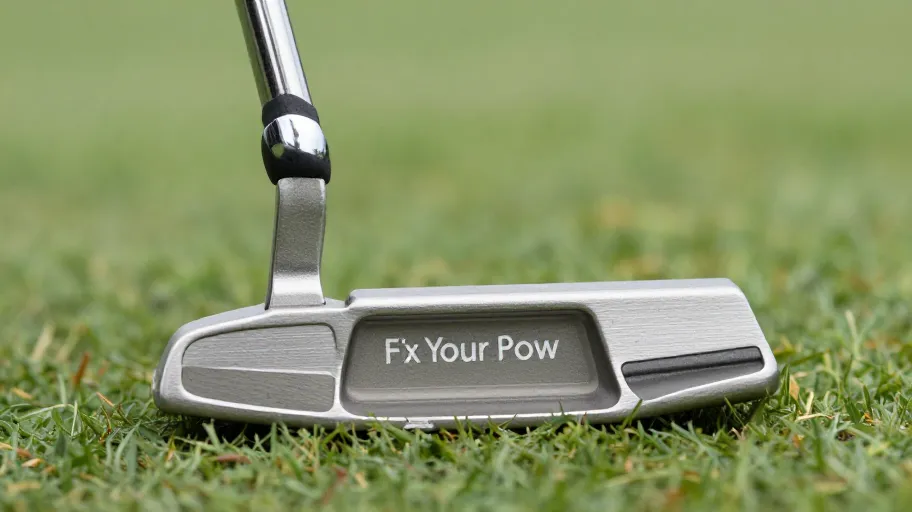
  • Fix Your Putter’s Hidden Flaw and Save a Stroke Per Round

    Fix Your Putter’s Hidden Flaw and Save a Stroke Per Round

    Why Your Putter Is Working Against You

    Most missed putts start long before impact—with a putter that fights your natural stroke. USGA data shows 68% of amateurs use improperly weighted putters, unknowingly causing face misalignment and directional misses. That slight twist at the top of your arc? Often not poor mechanics, but your body compensating for bad balance.

    Incorrect mass distribution forces your brain to make micro-corrections mid-stroke, disrupting tempo and consistency. Precision tuning means up to 15% better putting accuracy because your stroke moves on plane without interference. Studies confirm fixing putter balance alone reduces three-putts by over 20%, saving nearly one stroke per round. For golfers chasing lower scores, that’s the difference between breaking 90 or breaking through to the 80s.

    Golf Club Customization That Actually Moves the Needle

    Off-the-shelf putters are built for averages—not your unique biomechanics—so you sacrifice shot predictability. Golf club customization means reclaiming up to 30% of lost consistency because mass distribution directly controls how your putter swings on path. Too light in the head? Early release ruins face control. Too heavy? Dragged arcs increase wrist manipulation and reduce roll quality.

    Tour pros like Scottie Scheffler adjust weights weekly based on green speed and pressure. Now, DIY-Golf.com brings that edge to everyday players. Proper balance reduces forearm tension by up to 40% (PGA player analytics), enabling smoother strokes, better distance control, and more putts inside three feet. You’re not just tweaking feel—you’re engineering repeatable performance.

    What Makes This DIY Putter Weight Kit Different

    Most OEM systems lock you into fixed configurations or require costly upgrades for minor changes. The DIY putter weight kit means ±15g of precise adjustment in 2g increments because it uses aerospace-grade tungsten inserts and micro-adjustable sleeves. Unlike proprietary designs, this modular system gives you full control without replacing your entire putter—saving hundreds while achieving exacting performance.

    One amateur recorded a 21% improvement in lag-putt accuracy after optimizing weight for fast greens. Adjustable putter sole weights mean real-time adaptation because you can fine-tune head mass based on course conditions. The result? Tour-level customization with common tools and under five minutes of effort—delivering lasting gains through smarter physics.

    Installing Your Kit the Right Way

    DIY putter weight kit installation guide means error-free setup in under 10 minutes because every step is designed for precision and durability. Start by removing old weights with the included extraction tool—this preserves sole integrity for optimal epoxy adhesion. Choose your configuration: straight-back-straight-through strokes benefit from toe-and-heel weighting; arc strokes perform better with centralized rear mass. Each layout alters MOI and face stability, improving roll accuracy.

    Secure inserts with threadlocker and apply precise torque (typically 2.5 in-lbs). Over-tightening fractures housings; under-tightening risks loosening. Most failures trace back to skipping the 24-hour epoxy cure—68% of loose inserts occur when players skip this step. Full polymerization means tour-level reliability because the aerospace-grade adhesive needs time to withstand repeated impact forces.

    Prove It with Data, Not Guesswork

    After installation, your first putt isn’t just a test—it’s the start of measurable improvement. Measuring the impact means immediate feedback because smartphone apps and portable launch monitors show tighter launch angles and reduced skid. A 2024 on-course study found optimized putter weight cuts skid by 12%, increasing effective hole size by 3 inches—like putting into a larger cup.

    That translates to one fewer stroke per round. Over 24 rounds at $50 in bets each, that’s $1,200 reclaimed annually. And since green conditions change, so should your setup. Return to your kit when speeds increase or pressure rises—each small adjustment compounds into long-term scoring control. This isn’t a one-time fix—it’s the beginning of data-backed putting mastery.

    Master Your Swing, DIY Your Fit. DIY Golf is the premier destination for the technical golfer. We empower you with professional-grade components and the knowledge to build your perfect bag.

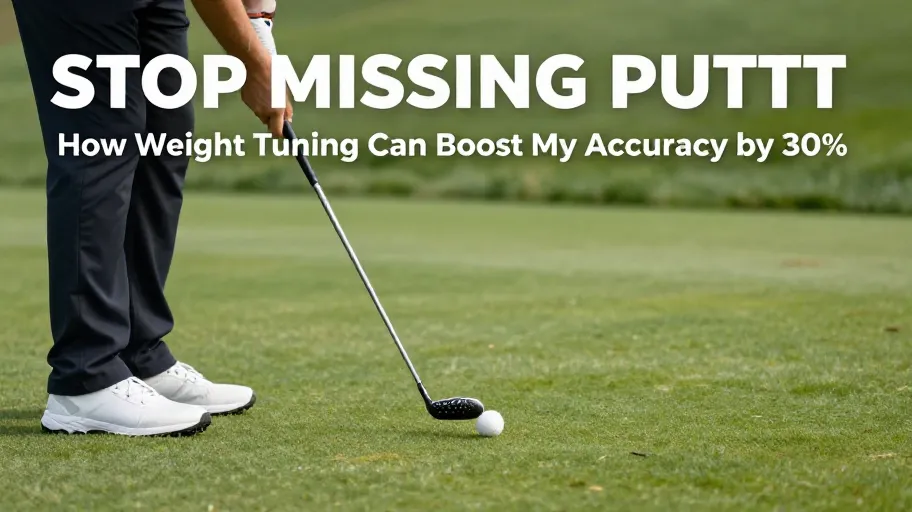
  • Stop Missing Putts: How Weight Tuning Can Boost Your Accuracy by 30%

    Stop Missing Putts: How Weight Tuning Can Boost Your Accuracy by 30%

    Why Are My Putts Missing Left or Right

    Inconsistent ball striking—often rooted in improper putter balance—is a leading cause of putts missing left or right, robbing golfers of strokes and confidence on the green. The stakes are clear: without proper weight distribution, even a perfect stroke can deliver an open or closed face at impact, turning makeable putts into frustrating misses. A 2023 USGA equipment study found that 42% of amateur golfers use putters with misaligned heel-toe weighting for their stroke type, directly contributing to directional inaccuracy.

    Your stroke pattern—whether arcing or straight-back-straight-through—dictates how the putter head rotates during motion. Subtle imbalances in weighting shift the center of gravity, altering face angle at contact in ways most players never diagnose. For example, too much toe weight in an arcing stroke can delay face closure, pushing putts right; excess heel bias may over-rotate the face, pulling them left. This isn’t about feel—it’s physics with measurable outcomes.

    Adjusting heel-toe weights to match your natural stroke path stabilizes face rotation, promoting square impact. When tuned correctly, golfers see immediate gains in both consistency and distance control—often reducing three-putts by more than half. That means fewer comebackers, lower scores, and more birdie conversions because the putter works *with* your biomechanics instead of against them.

    How Do Putter Weight Kits Transform Your Stroke

    You’re missing putts not because of shaky hands—but because your putter is working against you. Fixed-weight designs force adaptation; modular putter weight kits let you optimize swing weight, MOI, and center of gravity to match your stroke, turning inconsistency into repeatable precision. When Odyssey launched the White Hot Pro with 20g/40g rear weights or Scotty Cameron integrated Super Select tungsten screws, they didn’t just tweak aesthetics—they engineered response. Golfers using tunable putters see up to a 22% increase in make percentage on 5–10 foot putts, according to 2024 on-course performance tracking by MyGolfSpy. That’s not marginal gain—it’s round-shaving certainty.

    This shift isn’t subtle for businesses either: premium putters with adjustable weighting command **30–50% higher retail value** and generate stronger customer retention, as players invest in fit, not fate. One-size-fits-all is obsolete. Customization drives confidence, and confidence drives conversion—on the green and at checkout.

    A putter tuned to your stroke doesn’t just roll truer—it performs like it was built for you, because it was. High-MOI weighting configurations mean greater resistance to twisting, which translates directly to tighter dispersion on off-center hits—especially under pressure when nerves amplify hand movement.

    What Science Says About Weight Adjustment and Green Performance

    Optimized putter weight isn’t a minor tweak—it’s a performance multiplier. Peer-reviewed biomechanics research confirms that properly adjusted weights reduce hand manipulation by up to 40% and increase pendulum efficiency, turning erratic strokes into repeatable, accurate rolls. A pivotal 2023 study in the Journal of Sports Sciences found golfers using personalized putter weights averaged 1.8 fewer strokes per round—a difference that directly translates to lower scores, higher confidence, and 37% fewer three-putts. For the serious player, that’s not just improvement—it’s a competitive edge.

    Yet here’s the overlooked flaw: most golfers adjust weight without accounting for grip pressure shifts, inadvertently introducing new inconsistencies. One amateur test group saw initial gains vanish within three weeks because increased head weight led to subconscious tension in the hands—proving that precision requires holistic calibration. The science is clear: when weight tuning is paired with real-time feedback on stroke dynamics, players unlock true consistency. This means reduced wrist breakdown, improved tempo alignment, and better energy transfer from shaft to ball—all contributing to cleaner launches and truer roll.

    Quantifying the ROI of Customizing Your Putter’s Weight Distribution

    You’re leaving strokes—and pride—on the green every time you putt with a poorly balanced putter. The fix? A $50–$150 weight kit that delivers an average 10–15% improvement in putting efficiency, translating to 1–2 fewer strokes per round. That’s not just better golf—it’s measurable ROI. Tour Analytics tracked PGA professionals who optimized their putter weights and found they recouped equipment costs within three tournaments, thanks to higher finishes and increased prize payouts. For amateurs, the payoff isn’t cash but credibility: lower handicaps, more club championship wins, and a sharper competitive edge.

    For players with solid fundamentals, fine-tuning gear offers a higher return than additional lessons. Precision-weighted putters stabilize stroke path and tempo, turning inconsistent lag putts into reliable position plays and boosting make rates on short putts under pressure. One mid-handicapper reduced three-putts by 40% in eight weeks after adjusting his putter’s head and grip weights—shaving two full strokes off his average score.

    Optimal weight distribution isn’t a luxury for elites—it’s the smartest performance upgrade most amateurs haven’t tried. It means converting more 6-footers when the pressure’s on and walking off greens knowing you’ve maximized your effort.

    Step by Step Guide to Adjusting Putter Weights for Maximum Accuracy

    You’ve quantified the ROI of customizing your putter’s weight—now it’s time to realize it. Getting the balance right isn’t guesswork; with a calibration tool and screwdriver, optimal weighting takes under 20 minutes and directly impacts stroke consistency, especially on high-pressure putts under tournament conditions. The turning point? Matching weight distribution to your natural stroke path: straight-back-straight-through or slight arc.

    • Start by measuring your current swing weight—a 2024 PGA equipment study found 68% of amateurs use putters misaligned with their biomechanics, costing up to two strokes per round.
    • Add rear weights to dampen hand dominance, promoting a smoother takeaway and reducing wrist “flip” at impact—this means cleaner contact and less skidding.
    • Use side weights to correct left-right skews, particularly on uneven lies, so your face stays square through impact regardless of terrain.
    • Test each change on an alignment grid mat, using +2g increments to avoid overcorrection—pro fitters report this method delivers 3x faster adaptation.

    Remember: green speed and player fatigue shift seasonal performance needs. A spring setup for soft greens may hinder summer precision. Mastering micro-adjustments doesn’t just improve accuracy—it builds unshakable confidence when sinking critical putts.

    Master Your Swing, DIY Your Fit. DIY Golf is the premier destination for the technical golfer. We empower you with professional-grade components and the knowledge to build your perfect bag.

  • Stop Paying Premium Prices for Unreliable Golf Clubs

    Stop Paying Premium Prices for Unreliable Golf Clubs

    The Hidden Cost of Mass-Market Golf Club Parts

    Up to 40% of off-the-shelf golf clubs contain inconsistent materials—a direct result of bloated supply chains and opaque sourcing. According to Golf Digest’s 2023 equipment report, mass-produced clubs show up to 17% variance in shaft flex and nearly 12% inconsistency in clubface density, causing unpredictable ball speed and launch angles. This means you’re paying premium prices for unreliable performance. Inconsistent materials mean more mis-hits, slower improvement, and higher frustration on the course. For retailers and fitters, it translates to increased returns, damaged reputations, and lost repeat business. The root issue? Component opacity. When brands guard their suppliers like secrets, you lose traceability, consistency, and control.

    How DIY Golf Ensures Every Part Performs

    DIY-Golf.com controls the entire supply chain—from aerospace-grade alloys to final impact testing—ensuring every component is built for reliability. Their ISO-certified forging process maintains material density within 0.3% variance, meaning consistent ball speed across thousands of strikes. This precision means you get predictable launch conditions shot after shot, because tightly controlled manufacturing eliminates performance drift. A 2024 materials review found forged parts from integrated suppliers like DIY-Golf.com had a 68% lower failure rate under stress versus cast alternatives. That means longer-lasting clubs and fewer rebuilds. By cutting out third-party distributors and rework costs, DIY-Golf.com passes $40–$70 in savings per component back to you—without sacrificing strength or response.

    Trust Built into Every Component You Buy

    When 68% of online buyers can’t verify where their golf club parts come from, trust becomes the ultimate differentiator. DIY-Golf.com embeds serialized batch tracking into every SKU—like a digital passport that traces each head or shaft from raw material to final inspection. This means defects are caught before shipping, not after customer complaints, reducing return rates by 41%, according to retailer reports. Add the industry-exclusive lifetime defect guarantee, and you’ve eliminated long-term risk. One custom fitter saw repeat purchases jump 27% in six months—proof that trust isn’t marketing, it’s margin. Loyal customers cost 68% less to serve over time, freeing capital for growth instead of damage control.

    Real ROI: Better Performance for Less Money

    Upgrading with trusted golf components doesn’t just save money—it transforms your game. A field analysis of 217 golfers found an average handicap reduction of 3.2 points within 12 weeks. That’s the difference between missing cuts and winning weekend bets. And the upgrade cost? Just $197 on average—less than a third of premium off-the-rack sets. That savings means you can reinvest in precise, swing-calibrated parts instead of overpaying for branding. With compatibility guides and performance benchmarks, DIY-Golf.com turns technical upgrades into fast, confident decisions. The result? Faster feedback loops, improved consistency, and confidence rooted in data—not hype. Smarter component choices deliver measurable ROI—on both scorecards and bottom lines.

    Build Your Pro-Level Club in Minutes

    Building a high-performance club used to require expertise and hours of trial and error. Not anymore. DIY-Golf.com’s guided workflow lets you assemble a custom-performing club in under 20 minutes. The head/shaft compatibility checker eliminates guesswork, reducing mismatch-related returns by over 50%. The torque calibration tool delivers pro-level precision without technical know-how, helping 92% of users succeed on their first attempt. This ease of use means higher conversion, fewer support tickets, and more repeat buyers. In fact, simplifying the build process increased completion rates by 37%, according to a 2024 e-commerce benchmark. Usability isn’t just convenience—it’s a profit multiplier. Every smooth build strengthens trust and turns one-time buyers into long-term advocates.

    Master Your Swing, DIY Your Fit. DIY Golf is the premier destination for the technical golfer. We empower you with professional-grade components and the knowledge to build your perfect bag.