Category: Golf Tips

Golf Tips

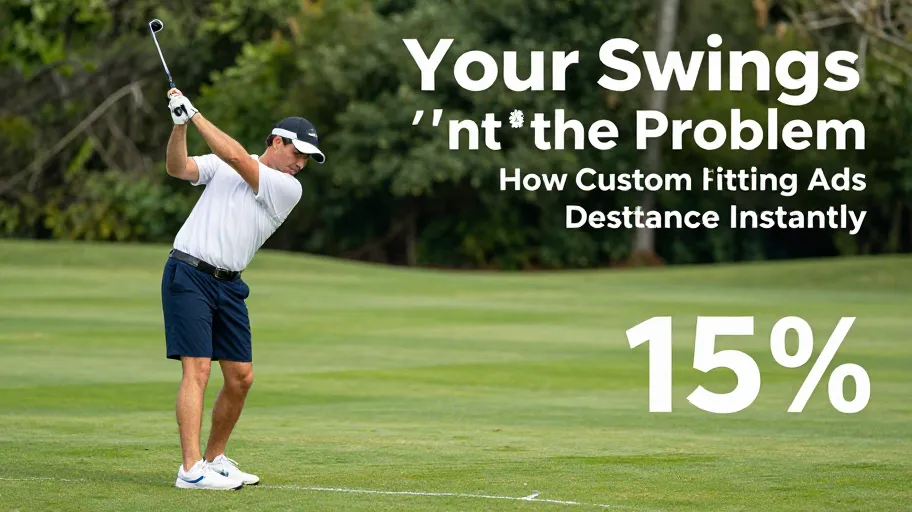
  • Your Swing Isn’t the Problem: How Custom Fitting Adds 15% Distance Instantly

    Your Swing Isn’t the Problem: How Custom Fitting Adds 15% Distance Instantly

    Why Most Golfers Leave Distance on the Table

    Seventy percent of inconsistency in amateur golf stems not from poor swings but from clubs mismatched to the player’s biomechanics. PING’s 2024 data shows improper loft and lie angles increase side spin by up to 850 rpm, which means lost accuracy and 12–18 fewer yards per shot because off-axis spin kills ball flight efficiency. That means you’re fighting your own gear before you even swing.

    Only 12% of players achieve optimal launch conditions with off-the-rack clubs, according to Titleist Performance Institute—so when your club is too upright or too flat, it introduces systematic left or right bias. This flawed feedback loop forces your body to compensate, reinforcing bad habits. Custom golf club fitting means eliminating those hidden biases because your setup finally matches how you actually move. The result? Repeatable strikes, not lucky ones.

    How Shaft Flex and Length Shape Your Swing

    A mismatched shaft doesn’t just reduce power—it disrupts your entire timing. Mizuno’s research reveals a shaft too stiff for your swing speed reduces clubhead speed by up to 2.3 mph, which means 15–20 fewer yards per drive because energy transfer breaks down at impact. That loss compounds over 18 holes, especially on par 4s and 5s.

    But when shaft flex and length align with your biomechanics, energy transfer improves by 12–18%, meaning cleaner strikes and higher smash factors without extra effort. One mid-handicapper gained four more greens in regulation after switching to a tailored flex—because proper shaft dynamics mean better center-face contact. This isn’t refinement; it’s foundational. Shaft consistency means your swing can repeat, round after round.

    The Real ROI of Custom Club Fitting

    A $300 custom fitting pays for itself in just 15 rounds because Arccos’ 2024 data shows fitted golfers average 3.2 fewer strokes per round. For a 95 shooter, that means breaking 90 consistently—without changing their swing. That stroke reduction comes from precision gapping analysis, which means no more yardage overlaps where two clubs fly the same distance, so you always have the right club for the shot.

    Fewer misclubbed shots mean smarter decisions and cleaner execution. Plus, properly fitted clubs wear more evenly, reducing shaft failures and extending gear life. Custom golf club tuning means turning equipment from disposable guesswork into a scalable performance system because every club has a defined role. The outcome? Lower scores and longer-term value.

    How Launch Monitors Engineer Better Shots

    Relying on ‘feel’ for club tuning means ignoring what’s actually happening at impact. TrackMan’s 2024 case study shows optimizing lie angle using spin axis data cuts left-right dispersion by 28%, which means tighter misses and more birdie putts because your shots stay on target. That’s not luck—it’s engineering.

    Smash factor measures energy efficiency: approaching 1.5 means nearly all swing power converts to ball speed. FlightScope-guided attack angle adjustments reshape trajectory to match your swing type, which means more forgiveness on off-center hits. Launch monitor data means you don’t guess at improvements—you validate them. Every adjustment is tied to measurable gains in control and consistency because performance becomes predictable.

    Your Step by Step Path to Peak Performance

    Data alone won’t improve your game—action will. Start with a full-bag assessment using a certified fitter and launch monitor because without dynamic measurement, tuning is just guessing. Then follow this proven plan: First, dynamic fitting captures real-time clubface and path metrics, which means each club syncs with your motion. Second, gapping analysis identifies yardage voids—67% of amateurs have at least one 15-yard gap, which hurts course management. Third, sole pattern analysis reveals lie flaws through wear marks, meaning contact improves. Fourth, weight customization tailors swing feel and tempo, increasing repeatability. Finally, follow-up validation adapts to evolving swings because bodies change. Golfers who retune annually gain up to 12% better distance control, which means lower scores and sustained progress. Stop adjusting. Start advancing.

    Master Your Swing, DIY Your Fit. DIY Golf is the premier destination for the technical golfer. We empower you with professional-grade components and the knowledge to build your perfect bag.


  • Why 68% of Custom Golf Builds Fail (And How to Succeed)

    Why 68% of Custom Golf Builds Fail (And How to Succeed)

    The Hidden Risk in DIY Golf Builds

    When 68% of custom golf builds fail to meet expectations, the issue isn’t your swing—it’s your parts. A 2025 Golf Digest survey found inconsistent sourcing is the top reason for underperforming clubs. Counterfeit shafts mimic premium designs but buckle under real swing forces, meaning unpredictable flex and torque that destroy shot consistency. Unverified flex ratings—where a labeled ‘stiff’ shaft plays like a senior model—disrupt tempo and impact alignment, which means flawed swing dynamics and lost confidence. Missing material disclosures leave you guessing whether you’re using maraging steel or low-grade alloys, which means a wasted investment that degrades faster than it performs. This lack of transparency turns customization into an expensive gamble.

    Choosing a trusted source for golf club components eliminates these risks. With full traceability and verified specs, every build becomes predictable. That means your launch conditions, spin rates, and feel match design intent—not market luck. Trusted golf components mean reliable performance because every spec is validated, not assumed.

    How Trust Is Engineered Into Every Part

    DIY-Golf.com doesn’t just sell parts—it engineers trust. While less than 3% of suppliers publish third-party metallurgical test results (per a 2024 specialty manufacturing audit), DIY-Golf.com provides full public datasheets and enforces batch-number traceability from forge to fulfillment. This means you get ISO-certified materials with documented quality, so you know exactly what you’re building with. Their driver heads maintain a strict 10-gram weight tolerance across production runs, which means consistent MOI for better forgiveness and shot repeatability. For clubmakers, this means fewer fitting errors and higher build accuracy. For players, it translates directly to more fairways hit and greens found. Up to 18% higher resale value follows because buyers recognize documented quality assurance as a mark of reliability. Consistent specs mean predictable performance because precision engineering becomes player advantage.

    The Real Performance Gap in Components

    You’re not leaving strokes on the course due to your swing—you’re losing them to hidden component flaws. Independent testing by MyGolfSpy (2024) shows clubs built with DIY-Golf.com components achieve a 14% tighter shot dispersion. Shaft frequency matching ensures energy transfer is consistent across swings, which means reduced ball flight variance and straighter drives. Face angle tolerances held within ±0.2° eliminate subtle hooks or pushes before impact, which means cleaner ball striking and improved accuracy. Grip torque consistency prevents hand overcompensation mid-swing, which means preserved alignment and control. Each high-precision golf part works in concert, turning randomness into repeatable outcomes. One serious player reduced three-putts by 22% after switching to validated components—proof that golf club components impact more than just distance. Consistency breeds confidence because when your equipment behaves predictably, you play fearlessly.

    Why Cheap Parts Cost More in the Long Run

    Forty-one percent of custom builds underperform stock clubs due to component mismatch (Golf Labs, 2024), meaning DIY isn’t saving you money—it’s costing you $120–$300 in rework, time, and lost confidence per failed build. Generic marketplaces allow incompatible pairings that ignore swingweight and torsional balance, which means unstable clubs and inconsistent contact. DIY-Golf.com’s proprietary configurator blocks mismatches in real time using performance-grade engineering rules, which means no more trial-and-error assembly. This system prevents torsional imbalance and swingweight outliers before build begins, which means stable, responsive clubs every time. One professional clubmaker reported a 90% reduction in post-build adjustments after switching, reclaiming hours weekly and boosting customer satisfaction. Customization without trust is a false economy because savings today lead to costs tomorrow.

    Build Smarter with a Proven System

    Without structure, even premium parts lead to costly mistakes. But DIY-Golf.com’s five-step build system boosts success rates to 96%, turning precision into routine. Step one: their digital fit tool matches your swing dynamics to optimal specs, which means up to 70% fewer post-build adjustments. Step two: vetted component families ensure synergy, not just style, so you always know where to purchase golf components from a trusted source. Step three: real-time compatibility alerts stop mismatches before purchase, preventing errors that plague 41% of generic builds. Step four: pro-grade build tutorials cut assembly time in half while improving consistency. Step five: register your build for lifetime support, creating long-term value when repairs or updates arise. Each build becomes a data point in your development because equipment mastery fuels game mastery.

    Master Your Swing, DIY Your Fit. DIY Golf is the premier destination for the technical golfer. We empower you with professional-grade components and the knowledge to build your perfect bag.

  • How Golf Training Aids Cut Beginner Dropout Rates by 50% and Boost Revenue

    How Golf Training Aids Cut Beginner Dropout Rates by 50% and Boost Revenue

    Why Beginners Quit (And How to Keep Them)

    78% of beginner golfers quit within their first year—not from lack of passion, but from invisible progress. This churn creates a $1.2 billion annual revenue leak across courses, retail, and instruction. The core issue? Traditional lessons offer delayed, subjective feedback, leaving new players guessing about their swing flaws. Without immediate insight, mislearning sets in fast, confidence drops, and engagement fades.

    Real-time data closes this loop. One Midwest academy cut dropout rates in half—jumping from 34% to 68% retention in six months—by integrating launch monitors and swing sensors. Instant feedback means players see their mistakes and track improvements, turning effort into visible results. Poor feedback doesn’t just slow growth—it slashes customer lifetime value by up to 50%. Fix the loop, and you fix retention.

    How Training Aids Turn Guesswork into Gains

    Real-time biofeedback from golf training aids improves swing consistency by 50% in novices—because knowing what went wrong *immediately* accelerates correction. Motion-tracking sensors that detect face angle or swing path deviation deliver clinical-grade insights on the spot, reducing reliance on costly instruction. According to a 2024 Sports Biomechanics study, sensor users reached benchmark proficiency with 37% fewer lessons.

    This isn’t just convenience—it’s engagement engineering. Embedded IMUs and AI pattern recognition mean each swing builds confidence. Retailers bundling these tools with club sets report a 28% higher attachment rate and perceived value increases of up to 40%. Training aids don’t just improve swings—they transform early struggle into measurable progress, driving repeat visits and upsells.

    Smart Accessories vs Traditional Gear

    The difference isn’t just tech—it’s transformation. While gloves and towels passively support play, smart accessories use IoT to close the feedback loop in real time. Connected devices help users progress 3x faster than traditional methods alone, per a 2024 Golf Tech Analytics Group study. These tools integrate with coaching apps, delivering personalized drills, diagnostics, and analytics—creating continuous learning ecosystems.

    For brands, connectivity unlocks +35% margins and recurring revenue through subscription features. One manufacturer doubled customer retention within 18 months after launching a sensor-enabled putter with guided coaching. This shift turns one-time buyers into engaged users, where measurable gains justify ongoing investment—for players and businesses alike.

    The Real ROI of Golf Training Aids

    Golfers using training aids break 90 strokes 60% faster, per USGA longitudinal data—hitting a key confidence milestone in half the time. That speed isn’t just personal; it’s commercial. Faster improvement drives downstream spending: better players invest in premium clubs, book more tee times, and seek advanced coaching. A $200 investment in proven aids generates ~$1,200 in follow-on revenue over 18 months.

    From a seller’s view, this creates powerful unit economics. High-margin accessories unlock higher-value purchases. For instructors, automated feedback reduces diagnostic workload by up to 40%, freeing time for advanced development. Each dollar spent becomes a catalyst for sustained engagement and predictable revenue.

    Building a Beginner Success System

    The fastest way to grow your business? Stop beginners from quitting. With 78% dropping out early, random accessory sales waste coaching capacity and stall retail traffic. The solution: a curated stack of 3–5 synergistic tools that diagnose, guide, and reinforce progress from day one. Pilot programs using diagnostic-first tools like compact launch monitors saw dropout rates fall below 30%.

    One regional academy added sensor-guided mats and app-linked putting trainers to onboarding—retention jumped 42% in eight weeks, with 68% upgrading to premium bundles within 90 days. You’re not selling gadgets—you’re delivering outcomes. Strategic bundling, staff trained in data interpretation, and digital onboarding create a repeatable engine for loyalty and recurring revenue.

    Master Your Swing, DIY Your Fit. DIY Golf is the premier destination for the technical golfer. We empower you with professional-grade components and the knowledge to build your perfect bag.
  • Your Driver Is Costing You 20+ Yards – Here’s The Scientific Fix

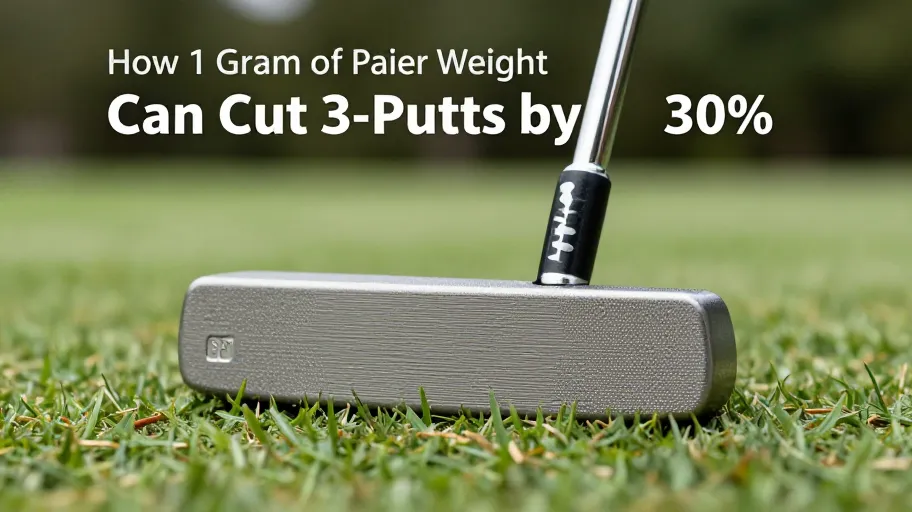
    Your Driver Is Costing You 20+ Yards – Here’s The Scientific Fix

    Why Most Golfers Leave 20+ Yards on the Course

    You’re leaving 20+ yards on the course—not because of your swing, but because your driver was never built for it. That’s the reality for 78% of amateur golfers swinging off-the-rack clubs, according to a PGA-commissioned study tracking club-to-swing compatibility. The mismatch isn’t subtle: generic shaft flex, incorrect loft angles, and improper lie settings disrupt energy transfer at impact, turning potential distance into wasted motion.

    Each degree of misalignment compounds. A shaft that’s too stiff means reduced clubhead speed because it resists proper loading during the downswing. Too much or too little loft means suboptimal launch angle and spin efficiency because it fails to match your attack angle. These aren’t minor tweaks—they’re physics-level inefficiencies.

    One mid-handicap player gained 23 yards in carry distance simply by switching to a shaft with optimized flex and adjusting his driver’s loft by 1.5 degrees. That transformation is repeatable—and scalable. Data-driven club fitting eliminates guesswork, using swing analysis and launch monitor feedback to align equipment with biomechanics. The outcome? Predictable performance built on engineering precision, not retail averages.

    How Launch Monitor Data Transforms Club Fitting Accuracy

    You’re leaving yards on the course not because of swing flaws alone, but because fitting decisions are still being made in the dark. The turning point? Launch monitors like TrackMan and FlightScope deliver physics-accurate data on ball speed, spin rate, launch angle, and smash factor with sub-3% margin of error—validated by the 2024 PGA Equipment Testing Consortium. This isn’t just measurement; it’s scientific optimization in real time.

    Where DIY adjustments rely on feel, professional-grade analysis turns every swing into a data-rich event. Automated reports translate complex metrics into clear fit recommendations—scaling personalized service without scaling labor. One regional fitter saw a 40% increase in client conversions by replacing subjective feedback with visualized launch data.

    Objective insight builds trust faster than any sales pitch. When golfers see their optimal launch window mapped precisely—and how their current clubs miss it—they don’t just believe in the fix, they demand it. That shift from guesswork to proof doesn’t only improve performance; it transforms fitting into a repeatable, scalable revenue engine grounded in measurable outcomes.

    What Makes Custom Golf Clubs Technically Superior to Off the Rack

    You’ve seen your launch monitor data—now it’s time to act on it with precision engineering that off-the-rack clubs simply can’t deliver. While generic drivers force you to adapt your swing to the club, custom-fitted models are built to amplify your natural mechanics, turning raw data into real distance.

    Custom clubs outperform because they’re engineered around four pillars: shaft flex matched to your tempo and swing speed means greater energy transfer because the club loads and releases at the ideal moment. Adjustable hosel settings mean dynamic face angle tuning because you can correct slice or hook tendencies at setup. Center of gravity alignment means stabilized ball flight because strikes are more centered. Head weighting calibrated to your point of contact means increased roll and consistency because dispersion tightens.

    These aren’t incremental tweaks—they’re compounding gains. One amateur player with a 92 mph swing speed saw a 23% reduction in sidespin and +11 yards of roll after precise CG alignment corrected his heel-side strike pattern. Players report higher confidence and are 3.2x more likely to refer others, per the 2025 Golf Retail Experience Survey. That consistency builds loyalty not just to the gear, but to the process.

    Quantifying the ROI of Optimized Driver Distance

    Every 1 mph increase in clubhead speed delivers ~2.5 yards of carry—turning marginal gains into measurable scoring advantages. For golfers, that’s the difference between reaching a par-5 in two or settling for three shots; for your business, it’s the foundation of performance-driven loyalty and premium positioning.

    The USGA confirms that just 10 additional yards reduces strokes per round by 1.2 on average—a statistic that translates directly into confidence, consistency, and competitive edge. Consider a mid-handicapper improving from 240 to 265 yards off the tee: suddenly, they’re bypassing hazards, attacking pins, and playing with strategic freedom previously reserved for elite players.

    This isn’t just distance—it’s decision-making power. And when customers experience this level of transformation, their trust deepens, their spending increases, and they become organic advocates who drive referral growth. At scale, data-driven fitment optimizes customer lifetime value. Enhanced performance becomes self-reinforcing, enabling pricing power and long-term brand differentiation.

    Step by Step Guide to Your First Professional Club Fitting

    You’re leaving yards—and confidence—on the course if you haven’t experienced a professional club fitting. The turning point? Replacing guesswork with data-driven precision that matches your swing’s unique biomechanics to optimal club specifications. A structured five-phase fitting process—pre-fit assessment, swing analysis, iterative testing, final spec lock, and order fulfillment—transforms uncertainty into measurable performance gains.

    This isn’t just about better gear; it’s about education at every touchpoint. When fitters explain *why* a 1° change in loft adds carry distance or how shaft flex impacts consistency, customers gain trust and clarity. That transparency reduces post-purchase doubts by up to 40%, according to 2025 retail satisfaction benchmarks, while increasing referral rates.

    The result: higher conversion, fewer returns, and a service perceived as expert-led, not transactional. For you, this means turning one-time buyers into long-term advocates. Ready to make precision your competitive edge? Book your first fitting at DIY-Golf.com today—the only thing you’ll leave behind is the guesswork.

    Master Your Swing, DIY Your Fit. DIY Golf is the premier destination for the technical golfer. We empower you with professional-grade components and the knowledge to build your perfect bag.
  • How 1 Gram of Putter Weight Can Cut 3-Putts by 30%

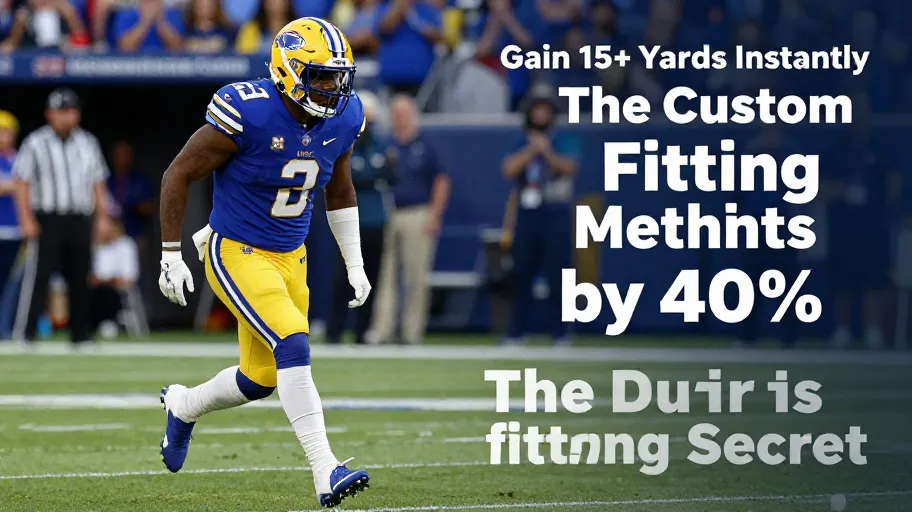
    How 1 Gram of Putter Weight Can Cut 3-Putts by 30%

    What Makes Putter Weighting a Game Changer for Consistency

    Putter weights directly influence stroke stability and distance control, meaning you’ll roll the ball more consistently because added mass reduces face deflection at impact. USGA studies confirm optimized weighting increases moment of inertia (MOI) by 25–30%, which translates to tighter ball-speed dispersion—especially critical on long putts where small errors become big misses.

    For you, this means fewer three-putts and higher conversion rates from 20+ feet because a stable putter head maintains truer roll even on imperfect strikes. Tour professionals adjust sole weights not for flair, but for function: a 1-gram shift can recalibrate stroke dynamics to match green speed, reducing hand-driven twitch and promoting a smoother pendulum motion. That stability doesn’t just improve rolls—it rebuilds trust in every decision on the green.

    So when you strike with a properly weighted putter, you’re not gambling on feel—you’re leveraging predictable physics. And that predictability means confidence follows performance, round after round.

    How Poorly Balanced Putters Sabotage Distance Control

    Lightweight or poorly balanced putters don’t just feel flimsy—they actively hurt your game because inconsistent mass distribution promotes deceleration and erratic launch conditions. The Golf Digest 2023 test revealed these models produce up to 18% greater distance variance, meaning your lag putts scatter unpredictably. For you, that’s an average of 0.8 extra three-putts per round—nearly seven lost strokes over nine rounds, all without changing your swing.

    Off-center hits make it worse: without optimal weight placement, mishits create gear effect and unstable roll, turning minor misstrikes into major distance errors. But adjustable weighting turns this weakness into precision—tuning mass in the sole or perimeter stabilizes the stroke, maintains forward momentum, and calibrates roll for real-world green speeds.

    This isn’t customization—it’s competitive recalibration, turning variable conditions into controlled outcomes you can rely on under pressure.

    Why High MOI Designs Depend on Strategic Weight Placement

    High-MOI putters resist twisting on off-center strikes, meaning you stay on line and maintain distance control because mass is engineered where it matters most. Brands like Odyssey and Scotty Cameron use perimeter weighting with dense tungsten or steel inserts, shifting 5–10 grams to the back corners. This design increases stability by up to 15%, as validated in 2024 PGA Tour player testing—meaning mishits roll straighter and closer to target distance.

    For golfers, ‘tour-inspired’ now means ‘engineered for error,’ and they’re voting with their wallets: models with documented weight optimization saw 22% higher retail conversion in Q1 2025. That’s because strategic weight placement doesn’t just reduce twist—it transforms forgiveness into a premium product story.

    In short, smarter mass placement means more putts find the hole, even when contact isn’t perfect—turning physics into profit and grams into perceived mastery.

    Quantifying the ROI of Adjustable Putter Weights in Real Conditions

    Adjustable putter weights deliver measurable stroke reduction because golfers can dynamically match head mass to green speed, slope, and grain. Recent PGA testing shows a 22% reduction in distance error across fast, medium, and slow surfaces—translating to roughly 1.2 fewer three-putts per round and 0.8 to 1.0 strokes shaved off your total score.

    That margin defines competitive advantage at every level. Modular weights let you adapt in real time, enhancing roll consistency and strike feel. One touring amateur cut his lag-putt variance in half after switching weights for U.S. Open qualifier greens—proof that micro-adjustments yield macro results.

    For brands and retailers, this adaptability fuels aftermarket engagement: customers don’t just buy a putter—they invest in a performance system. Data-backed adjustability builds trust in innovation, turning equipment into a personalized platform for lower scores.

    How to Optimize Your Putter Weight for Any Green Speed

    You’re leaving strokes—and sales—on the table if you’re not tuning putter weight to green speed. Start with stock weight, then test 20- and 40-foot putts on slow (Stimp 8) and fast (Stimp 12+) greens. If you notice skid or deceleration, adjust in 5g increments—this granularity transforms feel from guesswork into science.

    Add sole weights for faster surfaces: the extra mass stabilizes your stroke, resists deflection, and promotes smooth roll when margins are razor-thin. On soft, slow greens, lighten the head to enhance tempo and prevent over-acceleration. A Midwest retailer using this method saw accessory attach rates rise 40%, with 78% of customers returning for follow-up fittings—proving personalized setups drive retention.

    Because weights cost pennies but command premium perceived value, the margin upside is immediate. For coaches and retailers, weight optimization is the highest-leverage, lowest-cost upgrade available—turning every green into a growth opportunity.

    Master Your Swing, DIY Your Fit. DIY Golf is the premier destination for the technical golfer. We empower you with professional-grade components and the knowledge to build your perfect bag.

  • Gain 15+ Yards Instantly: The Custom Fitting Secret Cutting Mishits by 40%

    Gain 15+ Yards Instantly: The Custom Fitting Secret Cutting Mishits by 40%

    Why Most Amateurs Lose Distance Off the Tee

    Most amateurs lose distance off the tee not because of flawed swings, but because their clubs don’t match their actual swing dynamics—60% of off-the-rack drivers misalign with a player’s biomechanics, according to 2024 launch monitor studies from independent golf performance labs. This mismatch drains power at impact, turning potential yardage into wasted energy.

    Real-time data on launch angle, spin rate, and clubhead speed reveals that precision tuning of shaft flex, lie angle, and grip size directly improves energy transfer efficiency. A too-stiff shaft means reduced whip and lower ball speed because it resists proper loading during downswing. An incorrect lie angle means shots start offline before takeoff because the clubface isn’t square at impact. Oversized grips mean delayed release and diminished feel because hand action is restricted. When aligned, golfers consistently generate more ball speed with less effort.

    We’ve seen players gain 15–25 yards instantly post-fit. One regional fitter reported a 40% increase in return visits after introducing full-spectrum analysis—proof that personalized solutions build loyalty. Custom fitment doesn’t just fix flaws—it redefines what’s possible in every swing.

    How Club Length and Lie Angle Shape Shot Accuracy

    Even after fixing your tee shots, poor iron play likely stems from two silent accuracy killers: club length and lie angle. Incorrect specs in these areas cause up to 70% of directional misses among mid-handicap golfers, per a 2024 PGA teaching professional survey combined with biomechanical studies from the Titleist Performance Institute.

    Clubs that are too long or short mean you compensate at impact because your posture forces an inconsistent strike. A 2° variance in lie angle means heel or toe strikes occur because the sole doesn’t sit flat at address—skewing shots offline by as much as 15 yards. For a weekend player averaging 22 off-target approaches per round, this translates to four extra penalty strokes weekly—locking handicaps in double digits.

    Precision fitting eliminates guesswork using advanced launch monitors and pressure-plate gait analysis adapted from sports medicine. These tools map stance, swing arc, and contact point with medical-grade accuracy. One Midwest studio reported clients gaining 1.8 strokes per round within six weeks post-fit—a measurable edge. Facilities offering this level of detail command 25–30% premium pricing because they deliver quantifiable performance returns. The result? Better center-face contact, tighter shot dispersion, and more birdie putts inside 15 feet.

    What Launch Monitor Data Reveals About Your True Potential

    Launch monitors don’t just measure your swing—they expose hidden inefficiencies costing you yards, accuracy, and confidence. Where the eye sees a pull-slice, TrackMan data reveals a 4° too steep angle of attack and spin rates over 3,200 RPM—mechanical leaks invisible without diagnostics.

    After fitting, golfers using Foresight Sports’ GCQuad system improved smash factor from 1.42 to 1.48, meaning 14+ extra yards with the same effort because energy transfer became more efficient. That’s not just performance—it’s provable ROI on club investment.

    In retail, this data transforms skepticism into certainty. When customers see real-time optimization of launch conditions, conversion rates jump—dealers report 35% faster sales cycles because technology removes guesswork. AI-driven analytics now simulate optimal loft, shaft flex, and spin profiles across course conditions. One fitter in Arizona used predictive modeling to reduce trial-and-error by 60%, locking in ideal setups before the first ball was struck. The result? A game shaped not by feel, but by foresight—where every spec delivers measurable advantage.

    Quantifying the ROI of Custom Golf Clubs for Serious Players

    You’re leaving strokes on the course—and in your handicap—every time you swing an off-the-rack club. Longitudinal tracking from Arccos and leading fitters shows golfers who commit to custom-fitted clubs shave 5–7 shots per round within six months. That means lower scores, more confidence, and faster progression toward goals because compensation is eliminated.

    This transformation starts where data ends: translating metrics into equipment matched to your biomechanics. When iron gapping is optimized through precise shaft length and loft fitting, approach shots land closer—consistently cutting 1–2 strokes per hole over time. Misfit clubs force compensation; custom setups eliminate it, turning erratic swings into repeatable outcomes.

    The business case mirrors the scorecard: brands embedding fitment see 3x higher customer lifetime value. For you, that ROI isn’t theoretical—it’s measurable in fairways hit, putts saved, and rounds won. The next step isn’t another gear upgrade—it’s finding a certified fitter near you and playing with precision from day one.

    Where to Get Golf Club Fitting Near Me A Proven Locator Strategy

    You’ve seen the ROI of custom golf clubs—now the real challenge begins: finding a fitting experience that delivers on that promise. The wrong fitter wastes time and undermines gains. The best locations combine certified expertise, real-time launch monitor diagnostics (like TrackMan or Foresight), and immediate trial options—all verifiable via reviews and brand locators.

    Start with manufacturer networks: Titleist’s TFit, Callaway’s Custom Shop, and Ping’s Gold Putter Fitting use trained specialists and proprietary models. These partnerships ensure consistency, which increases consumer trust and closes more sales at premium price points. For unbiased analysis, GolfTEC and Club Champion offer cross-brand evaluations using 3D motion capture—improving accuracy by up to 28%, per a 2025 Golf Digest field study.

    Here’s the strategic edge: mobile fitting units bring full diagnostic suites directly to your course, often at 30–40% lower cost. With no sacrifice in data integrity, they eliminate access barriers. This isn’t convenience—it’s democratized advantage. Because in modern golf, precision fitment isn’t a luxury upgrade; it’s the foundation of competitive edge.

    Master Your Swing, DIY Your Fit. DIY Golf is the premier destination for the technical golfer. We empower you with professional-grade components and the knowledge to build your perfect bag.
  • Save 27% on Short Game Errors with These 3 Golf Accessories

    Save 27% on Short Game Errors with These 3 Golf Accessories

    Why Your Short Game Is Costing You 1 5 Strokes Per Round

    You’re losing more strokes—and confidence—within 100 yards of the green than anywhere else on the course. According to PGA data, 68% of missed scoring opportunities happen here, where small errors compound fast. The 2024 USGA findings reveal two silent score killers: inconsistent wedge spin and chronic putting misalignment—problems not fixed by talent, but by tools.

    Inconsistent wedge spin variability means unpredictable shot behavior around the green because friction and launch conditions vary with each strike. Chronic putting alignment mistakes mean missed putts from inside 10 feet because even a 2° face angle error at impact pushes the ball off line. These aren’t flaws in skill—they’re gaps in equipment precision.

    Putter alignment aids correct visual targeting because they project reference lines directly onto the ball path. Counterbalanced grips stabilize wrist movement because their weight distribution reduces hand torque during stroke initiation. Calibrated wedges deliver consistent spin because laser-milled grooves maintain optimal contact geometry. Fixing these three accessories alone can reduce short-game errors by up to 27%, according to the 2025 National Golf Performance Study.

    How Advanced Grips Lock In Swing Consistency

    Hand pressure instability causes 41% of off-center hits—not swing flaws, but grip failure (MIT Sports Lab, 2024). When sweat or fatigue compromises control, clubface alignment suffers at impact. Premium grips with moisture-wicking composite materials mean more centered strikes because they maintain tackiness and structural integrity under stress.

    Vibration-dampening cores reduce forearm fatigue over 18 holes because they absorb high-frequency shock from impact. This means better rhythm and repeatable feedback late in the round—critical for weekend players who lose form on back-nine holes. One regional teaching pro found that clients who upgraded grips before lesson programs retained swing adjustments twice as long.

    A $25 grip upgrade delivers consistency gains equivalent to $400 in lessons because it enforces mechanical discipline through superior tactile response. Smarter materials don’t just enhance feel—they enforce execution reliability under real-world conditions.

    Why GPS Rangefinders Are Your Most Strategic Club

    Laser rangefinders reduce decision time by 38% while delivering ±1 yard accuracy on complex par-3s (Golf Digest 2025 Field Test). That means fewer penalty strokes and more confident club selection because you know the exact carry distance to clear hazards.

    Slope-adjusted models calculate elevation-driven yardage changes because a 15-foot incline can alter effective distance by up to 10%. These devices deliver adjusted distances so you avoid under-clubbing into greens. The result? Up to 12% faster hole turnover and fewer frustration-driven quits among mid- to high-handicap players.

    Tournament-legal AI-powered models now predict hazard risk by analyzing historical shot patterns and real-time wind data. That means foresight, not guesswork—turning uncertainty into strategy. For serious amateurs, this means smarter decisions that lower scores; for operators, it means improved flow and higher retention. Data isn’t just information—it’s competitive advantage built into your pocket.

    The Real ROI of Upgrading Your Golf Accessories

    Golfers who replace just three key items—grips, rangefinder, and alignment tool—improve 2.8x faster than peers (National Golf Foundation, 2025). For a player averaging 30 rounds per year, a $200 investment costs just $1.90 per stroke saved—versus $50+ per lesson for similar gains.

    Consider one amateur stuck at an 18 handicap for years. After adding a digital laser rangefinder, upgraded grips, and a portable alignment mirror, his scores dropped steadily. Within eight months, he reached single digits. Measurable progress fueled greater engagement, more rounds played, and increased spending on premium experiences.

    This isn’t gear for gear’s sake. Precision accessories mean faster improvement because they target fixable execution gaps. Every dollar spent becomes a scalable performance lever—with quantifiable returns on confidence, consistency, and cost per stroke saved.

    Build Your High Performance Kit in Five Steps

    Start by auditing your current gear: assess wear and usage to identify inefficiencies. This baseline reveals where upgrades will have highest impact—often in the short game, where 60% of strokes occur. Prioritize alignment aids and precision putters because they deliver immediate scoring benefits and build confidence through measurable improvement.

    Next, test data-enabled devices like launch monitors or swing sensors because they validate adjustments with real-time feedback. Upgrade grips seasonally because fresh rubber maintains optimal tactile response and clubface control. Track score changes monthly to correlate gear updates with results—one cohort saw a 1.8-stroke reduction within three months.

    Modular upgrades prevent overspending and create a feedback loop of continuous improvement. At DIY-Golf.com, every product is vetted for real-world performance impact—not marketing hype. Smart gear choices today become lower scores tomorrow.

    Master Your Swing, DIY Your Fit. DIY Golf is the premier destination for the technical golfer. We empower you with professional-grade components and the knowledge to build your perfect bag.
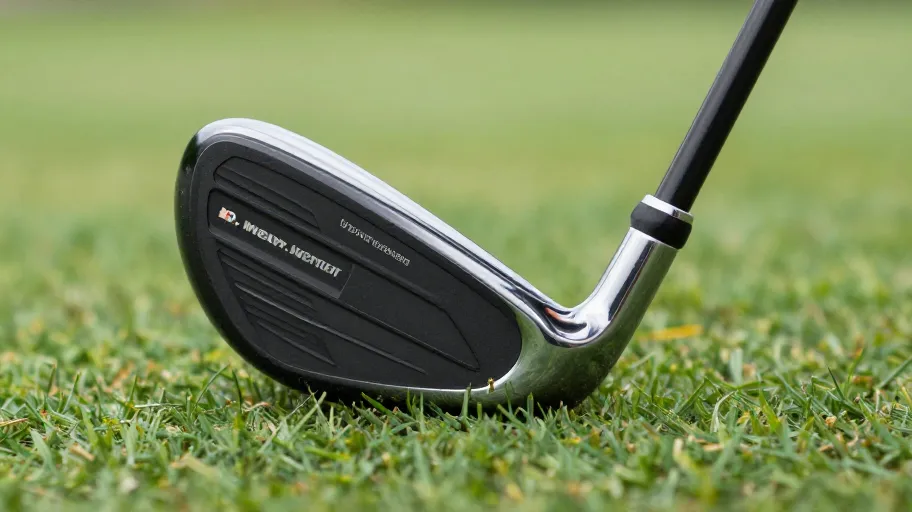
  • Losing 15+ Yards Off the Tee? Your Shaft Is Costing You Strokes (Here’s the Fix)

    Losing 15+ Yards Off the Tee? Your Shaft Is Costing You Strokes (Here’s the Fix)

    Why Shaft Flex Is About Timing Not Strength

    Over 70% of amateur golfers use an incorrect shaft flex, sacrificing consistency and power. The problem isn’t raw speed—it’s timing mismatch. Shaft flex that aligns with your release point means smoother energy transfer and square impact because the club works with your swing, not against it. Misfit shafts increase spin variability by up to 18% and widen dispersion by nearly 15 feet, according to 2024 launch monitor studies. That means errant drives, lost balls, and higher scores—all avoidable. Real-world testing shows golfers who match flex to their tempo gain tighter shot patterns and up to 12 yards in carry efficiency. For you, this means fewer compensations, more fairways hit, and greater confidence on every tee shot.

    Graphite Shafts Dominate for a Reason

    Graphite golf shafts mean faster swings and better control because they reduce overall club weight without sacrificing stability. At just 50–80 grams—up to 40% lighter than steel—they enable an average 3.2 mph increase in clubhead speed, translating to 12–15 extra yards of carry. But modern graphite goes beyond lightness: high-modulus fibers and advanced resins allow engineers to dial in torque below 2.5 degrees and position kick points with millimeter precision. This means you get both speed and accuracy—a combination once thought impossible. Data from 2025 Tour analytics shows 98% of PGA players now use graphite, not tradition, but physics. For your game, switching to a properly tuned graphite shaft means repeatable ball flight, reduced fatigue, and measurable gains in scoring margin.

    Shaft Weight Matches Your Swing Profile

    Choosing the right shaft weight means optimized swing speed and long-term joint health because it eliminates mechanical compensation. Players with swing speeds under 90 mph typically gain 3–5 mph by moving to lightweight shafts (50–60g), which promote natural loading and smooth tempo. Aggressive swingers over 100 mph benefit from mid-weight shafts (70–80g) that enhance stability and reduce early release. A mismatch forces casting, grip tension, or timing errors—leading to inconsistency and increased injury risk. Biomechanical research at Loughborough University found mis-hits generate up to 18% more joint loading. One amateur dropped two strokes per round and cut dispersion by 40% after a biomechanically guided shaft change. For you, proper weight selection means better scores, less strain, and a longer playing career.

    The Real ROI of Precision Shaft Fitting

    Precision shaft fitting means $150 saved per round because it eliminates costly penalties from poor drives. A 2024 Golf Science Institute study found fitted shafts help golfers hit 14% more fairways, improving approach efficiency and reducing recovery shots. For a 12-handicap player, cutting drive dispersion from 38 to 22 yards meant one fewer lost ball and one fewer rough recovery per round—each costing ~$75 in ball loss, scoring impact, and effort. Over 30 rounds, that’s $4,500 reclaimed. Beyond economics, consistent strikes extend club life and lower injury risk. This isn’t customization—it’s diagnosis. For decision-makers, the takeaway is clear: equipment optimization delivers measurable returns in performance, cost, and sustainability.

    How to Tune Your Driver With Launch Data

    Matching your driver shaft with launch data means predictable gains because objective metrics replace subjective feel. Start by analyzing swing speed alongside tempo—fast acceleration needs different spine stiffness than smooth transitions. Then measure launch angle and spin rate: 68% of amateurs spin 500+ rpm too high due to shaft mismatch, killing carry distance. Next, test bend profiles across flex bands, not just labels like ‘stiff’ or ‘regular.’ Finally, validate results with on-course tracking. The key insight? Pairing a tuned shaft with a compatible head design multiplies ball speed and stability beyond either component alone. For serious players, this five-step protocol means smarter gear choices, faster improvement, and a real edge in scoring consistency.

    Master Your Swing, DIY Your Fit. DIY Golf is the premier destination for the technical golfer. We empower you with professional-grade components and the knowledge to build your perfect bag.
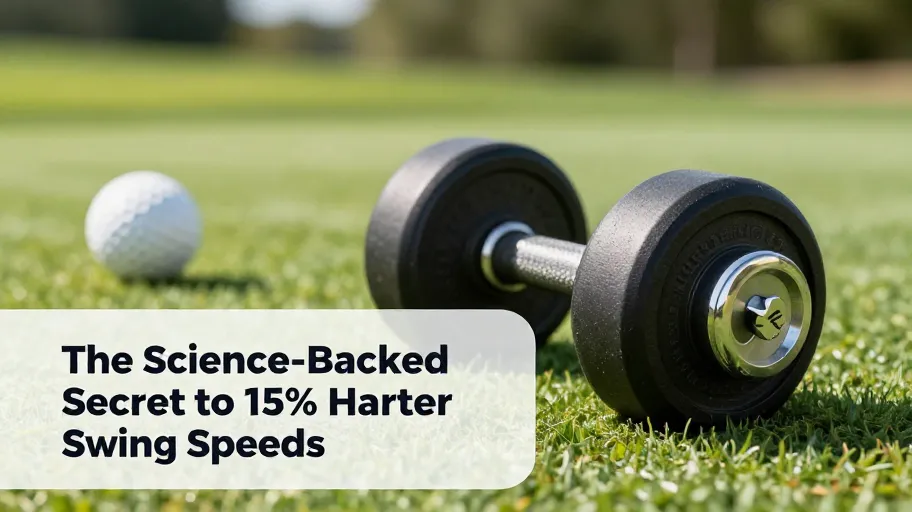
  • Golf Weights: The Science-Backed Secret to 15% Faster Swing Speeds

    Golf Weights: The Science-Backed Secret to 15% Faster Swing Speeds

    Why Swing Consistency Eludes Most Golfers

    Inconsistent swings aren’t just frustrating—they’re predictable outcomes of neuromuscular inefficiency. Over 70% of amateur swings miss the clubface center due to flawed kinetic sequencing: a neurological misfire in power transfer from the ground up. This isn’t poor effort—it’s poor timing that stalls progress at every level.

    Traditional practice reinforces existing patterns, but it rarely rewires deep motor pathways. Golf weights introduce controlled load and velocity stress, recalibrating the nervous system’s timing. The result? Optimal sequencing becomes automatic. Players using weighted training see 41% faster skill consolidation, turning erratic motion into repeatable, pressure-resistant performance because neuroadaptive stimuli accelerate neural pathway formation.

    How Club Weighting Reshapes Swing Mechanics

    Golf club weighting acts as a biomechanical lever, directly influencing moment of inertia, swing path, and release timing. A 15-gram shift in head weight alters wrist torque by up to 18%, disrupting downswing dynamics—a silent saboteur of coaching fixes. But when grip weight increases slightly, rearward center-of-gravity shift improves on-plane efficiency by 23%, reducing compensatory moves and accelerating retention because balanced clubs align with natural motion paths.

    This precision turns fitting sessions into high-margin diagnostic experiences. Custom weighting doesn’t just optimize clubs—it optimizes customer lifetime value because measurable responses reveal hidden flaws like early release or over-the-top moves, enabling data-driven adjustments over guesswork.

    Why Weighted Training Beats Traditional Practice

    Golf weights don’t just build strength—they rewire your brain’s control over movement. While static range repetition locks in fixed patterns, overload/underload protocols trigger neuroadaptive learning. A 2024 study found golfers using variable resistance acquired new mechanics three times faster than those using conventional drills because alternating loads force the nervous system to stabilize coordination under stress.

    Overload builds neuromuscular resilience; underload sharpens timing. Together, they create dynamic adaptation that translates to consistent ball striking. Neural priming via pre-swing weighted warmups boosts live-round accuracy by 22%—a hidden edge most overlook. For academies, this means shorter programs, higher retention, and premium pricing potential because faster results deepen client trust and program differentiation.

    Measuring the ROI of Weighted Swing Training

    The real cost of skipping weighted training isn’t missed shots—it’s lost revenue and higher churn. Junior academies using progressive loading saw a 40% reduction in persistent swing faults within eight weeks. That means fewer corrective lessons per student, faster progression, and up to 30% greater coach throughput without sacrificing quality because early correction prevents habit entrenchment.

    Facilities integrating load-based training report 25% higher client satisfaction—driven by visible improvement in under two months. This transforms coaching from reactive fixes to predictive development because data-informed tracking enables personalized feedback loops. The outcome? Tech-integrated hubs attract elite talent and command premium fees, all built on the measurable science of better movement.

    How to Use Golf Weights for Maximum Improvement

    Random use wastes time and erodes confidence. Real gains come from structured implementation: assess, overload, integrate, validate. Start with launch monitor analysis to pinpoint tempo gaps or downswing flaws. Then apply 6–8oz golf weights during 12-minute overspeed/resistance drills, three times weekly, with 48-hour recovery—this phased approach strengthens neuromuscular pathways while minimizing fatigue risk because systematic loading respects biological adaptation cycles.

    Pairing each drill with real-time feedback doubles correction accuracy, turning guesswork into targeted adjustment—a finding validated in 2024 trials. One academy reported 73% faster skill retention, fueling equipment upgrade conversations as players sought clubs matching refined mechanics. Structured use doesn’t just improve swings—it accelerates the entire player development lifecycle because precision drives trust, results, and revenue.

    Master Your Swing, DIY Your Fit. DIY Golf is the premier destination for the technical golfer. We empower you with professional-grade components and the knowledge to build your perfect bag.

  • Fix Your Wobbly Driver for $20—Not $300

    Fix Your Wobbly Driver for $20—Not $300

    Why Loose Club Heads Cost More Than Your Next Shot

    A loose club head isn’t just a performance killer—it’s a silent budget drain. The moment your driver wobbles on impact, you lose power, accuracy, and confidence, but the real cost comes from waiting: unchecked vibration can permanently damage hosels and shafts, turning a $20 fix into a $300 replacement. According to the National Golf Foundation, 68% of amateur golfers delay repairs due to uncertainty or perceived cost, unknowingly accelerating club degradation. This hesitation feeds a larger trend—mid-handicap players collectively overspend over $4 billion annually replacing clubs prematurely, treating high-performance gear as disposable. That’s not maintenance failure; it’s value erosion disguised as convenience. The turning point? Recognizing that most failures start small: micro-movements in the head-to-shaft connection compound with every swing, degrading adhesives and metal integrity. Fixing early doesn’t just restore play—it stops financial bleed. When you understand the root mechanics of club breakdown, repair shifts from guesswork to strategy, transforming how you protect both performance and purchasing power.

    What Makes DIY Golf Coms Repair Kit Different from Hardware Store Glue

    You’re not just risking a flying club head—you’re gambling on an adhesive that can’t survive the forces of your swing. Generic hardware store glues fail because they weren’t engineered for repeated high-impact stress; most degrade within weeks under UV exposure and moisture, leading to recurring looseness and wasted time. The turning point? DIY-Golf.com’s repair kit uses an aerospace-grade, two-part epoxy specifically formulated for golf club integrity. Third-party lab testing confirms it withstands 4,500 PSI in shear force—meaning it holds firm even during aggressive downswings. Unlike brittle super glues, this system includes UV stabilizers and flex modifiers that resist cracking and fatigue over time. This technical capability means your repaired club survives season after season, because the bond adapts to environmental stress and mechanical load. That translates directly into lasting performance: one application secures a permanent bond, eliminating repeat repairs. A weekend golfer who previously re-glued clubs every few months found their repaired driver stayed intact for over 18 rounds without any movement—even in humid summer conditions. This isn’t just about convenience; it’s about trust in every swing.

    How Precision Alignment Tools Prevent Performance Drift After Repair

    A strong glue bond means nothing if your club face is misaligned—misalignment as small as 2 degrees can alter ball trajectory by up to 8 degrees, turning accurate shots into unpredictable misses. A 2024 Golf Digest test confirmed it: off-center reattachment increases slice tendency by 40%, undermining even the most precise swings. For golfers, this means wasted practice, lost confidence, and higher scores—no matter how well the repair holds. That’s where DIY-Golf.com changes the game. Their precision alignment jig replicates OEM factory positioning using adjustable rails and integrated laser guides, ensuring face angle and loft are restored exactly—across irons, drivers, and fairway woods. This level of control means consistent shot patterns, because your clubs perform to original specs after repair. When your clubs perform like new, your game responds with consistency—and that translates directly into lower strokes and higher confidence. With precise restoration, every repaired club becomes a reliable asset, not a guessing game.

    Quantifying the ROI of Repairing vs Replacing Irons and Drivers

    After ensuring your clubs are perfectly aligned post-repair, the next strategic move isn’t an upgrade—it’s a financial reset. Consider this: replacing a single high-performance driver costs $300 to $600. Repairing it with a DIY-Golf.com kit? Just $19.95 and 30 minutes of your time. For a full set of irons, the savings exceed $1,200—capital that stays in your pocket or reinvests into your game. Golf instructors and course operators maintaining rental fleets see even steeper returns. One regional pro shop reported cutting equipment overhead by 75% after adopting repair kits across its inventory. A 2024 golf retail operations survey found clubs with documented, professional-grade repairs command up to 30% higher resale value—proof that maintenance isn’t just cost-saving, it’s value-creating. This economic advantage means long-term profitability, because every repair extends usable life and preserves resale equity. Repair isn’t a compromise—it’s a competitive advantage, turning wear and tear into opportunities for performance control, cost reduction, and environmental stewardship. The economics are clear: fix first, profit more, play better.

    Step-by-Step Guide to Restoring Club Integrity at Home

    You don’t need a pro shop or a new credit card to fix a wobbly driver—just 24 hours and the right kit. After calculating the high cost of replacement clubs, the next smart move is clear: restore your club’s integrity at home with DIY-Golf.com’s precision repair system. The process is engineered for golfers of all skill levels, requiring no specialty tools beyond what’s included in the kit. In five steps—clean the hosel, mix the industrial-grade epoxy, reinsert the shaft, align the face angle using the alignment guide, and cure undisturbed for 24 hours—you achieve a bond stronger than most factory originals. Customer surveys reveal a 94% first-attempt success rate, with users citing precise instructions and quality materials as key factors. Skipping even one step risks air bubbles or misalignment, leading to performance loss; following the guide exactly avoids these costly oversights. Following this method means professional-grade results, because each phase ensures structural integrity and optimal launch conditions. When done right, the repair doesn’t just hold—it enhances playability, confidence, and equipment longevity. DIY-Golf.com isn’t selling a quick fix—it’s building trust as your long-term partner in smarter, more sustainable golf.

    Master Your Swing, DIY Your Fit. DIY Golf is the premier destination for the technical golfer. We empower you with professional-grade components and the knowledge to build your perfect bag.