
Category: Golf Tips

Golf Tips

  • You’re Losing 4 Strokes Per Round to Bad Golf Clubs, Not Bad Swings

    You’re Losing 4 Strokes Per Round to Bad Golf Clubs, Not Bad Swings

    Why Most Amateurs Lose Strokes Before They Even Swing

    Over 70% of amateur golfers play with ill-fitting equipment, silently sabotaging consistency and progress—not because they lack skill, but because their clubs don’t match their bodies. This mismatch means your swing compensates on every shot, increasing off-center hits by up to 40% and embedding flawed motor patterns that feel like ‘your game’ but are really just adaptations to poor tools.

    Ill-fitting clubs mean inconsistent launch conditions and unpredictable ball flight, because equipment misalignment distorts feedback, making practice ineffective. You drill fundamentals, yet see no lasting gains—because you’re training against your physiology. That stalled improvement isn’t a reflection of effort; it’s a symptom of misaligned gear.

    But when clubs are built to your biomechanics, each swing reinforces correct motion. Precise club fitting means faster skill acquisition and cleaner technique development because your body receives accurate sensory feedback. One 12-handicap player dropped four strokes in eight rounds post-fitting—without changing coaches—simply by aligning equipment with natural motion.

    The real danger isn’t the occasional shank—it’s the illusion of progress. The solution? Treating custom fitting not as luxury, but as essential infrastructure for improvement.

    How Club Length and Lie Angle Shape Your Shot Pattern

    Up to 60% of directional errors stem from incorrect club length or lie angle—problems baked in before takeback. A 1° lie deviation or half-inch length miscalculation can widen dispersion by 12 yards at 150 yards, turning clean approaches into hazards. This means more missed greens, longer putts, and rising scores—all avoidable with proper fit.

    Dynamic fitting with tools like TrackMan reveals hidden flaws: 71% of players under 5’8″ use standard-length clubs despite heel strikes indicating shafts are too long. Correctly sized adult clubs with adjusted length and upright lie angles mean better contact, consistent ball speed, and cleaner divots—without sacrificing power or performance materials.

    Static, off-the-rack fitting fails because size isn’t ability. Shorter players deserve precision-tuned adult setups, not junior compromises. Dialing in length and lie means tighter shot grouping (up to 25% improvement), which translates directly into fewer strokes per round. Once these are set, fitters optimize dynamic specs like shaft flex and weight—unlocking even greater control.

    What Shaft Flex and Weight Tell Us About Tempo and Timing

    43% of recreational to competitive players use shafts mismatched to their swing speed and transition force—meaning their equipment fights their natural rhythm instead of enhancing it. Incorrect flex disrupts release timing, causing energy leakage and up to 12% variation in launch angle and spin rate—even with solid contact.

    Too stiff, and you force an early release; too soft, and the club kicks late. Mismatched shafts mean reduced accuracy, lost distance, and increased strain on the trail side—compromising swing sequencing and raising injury risk.

    Premium shafts aren’t status symbols—they’re precision instruments calibrated to individual motion. Biomechanic-driven shaft matching means 15+ yards of usable distance and improved shot repeatability within three rounds, because the club releases in sync with your tempo. When both lie angle and shaft dynamics align, you stop adjusting to the club and start amplifying your natural motion.

    The question isn’t whether you need custom clubs—it’s how much performance you’re leaving behind by not having them.

    Quantifying the ROI of Custom Golf Clubs Over Stock Models

    You recoup the cost of a custom fitting in just 12–18 rounds through measurable gains in performance, longevity, and smarter practice. For the average weekend golfer, that’s less than one season to achieve net-positive ROI—by simply stopping the stroke bleed caused by bad gear.

    A 15-handicap player in a 2025 study dropped 4.2 strokes in ten weeks post-fitting—translating to two fewer lost balls per round, three more greens monthly, and 40% fewer lessons needed (since feedback from properly fitted clubs is reliable, not distorted).

    Practice becomes 60% more effective, according to PGA coaching analytics, because you’re refining repeatable motion instead of fighting flawed mechanics. Plus, evenly distributed impact wear means irons last 18 months longer—deferring $1,200+ replacements.

    Combine lower scores, fewer ball losses ($750/year saved), and better finishes in club events, and the ROI isn’t speculative—it’s bankable. Custom clubs don’t cost more—they pay back.

    Your Step-by-Step Path to Getting Fitted for Golf Clubs

    A single two-hour session generates a lifetime specification sheet—turning every future equipment decision into a precision move, not a gamble. Multi-sensor validation (radar, high-speed cameras, impact tape) means your fitting captures true swing behavior, eliminating data blind spots that retail demos miss.

    The process starts with a pre-fit assessment of your physical profile, goals, and tendencies—not just current gear. Then comes iterative testing with fully adjustable clubs, fine-tuning length, lie, flex, and grip in real time. You don’t just see the changes—you feel them: one player cut off-center hits from 38% to 12% after four adjustment cycles.

    The final spec sheet becomes your personal equipment blueprint—enabling confident upgrades, trade-ins, and purchases forever. No more trial-and-error. No more wasted spending. Future adjustments become targeted, saving time, money, and frustration.

    Ready to stop losing strokes to bad gear? Get fitted with precision—and build golf clubs that fit like a glove.

    Master Your Swing, DIY Your Fit. DIY Golf is the premier destination for the technical golfer. We empower you with professional-grade components and the knowledge to build your perfect bag.

  • How a 2g Weight Change Can Save You 1.5 Putts Per Round

    How a 2g Weight Change Can Save You 1.5 Putts Per Round

    How Putter Weights Fix Inconsistent Stroke Paths

    Improper swing weight disrupts your natural pendulum motion, forcing micro-compensations that derail stroke path consistency. Golf putter weights mean smoother, repeatable arcs because they align the club’s center of gravity with your innate tempo. Biomechanical studies from the 2025 Golf Science Symposium show optimized weighting reduces missed putts from six feet by up to 30%.

    3D motion capture confirms: head weight directly controls timing and arc stability. A mismatch causes wrist breaks or deceleration—not due to poor form, but neuromuscular conflict with the club. Correct weighting eliminates compensation, meaning more on-center strikes because your stroke flows naturally along its intended path.

    When path consistency improves, so does speed control. Stable stroke dynamics mean predictable distance regulation, reducing three-putts by as much as one per round. This isn’t feel—it’s physics alignment fixing the root cause, not the symptom.

    Why Most Golfers Underestimate Swing Weight Dynamics

    Over 65% of amateurs use stock putters with fixed swing weights, unaware this single flaw sabotages consistency and distorts feedback. Putter weight kits mean personalized performance because they transform a static tool into a dynamic extension of your biomechanics. Launch monitor data shows unadjusted putters increase ball dispersion by 38% on 6-footers—not from bad rhythm, but incompatible swing dynamics.

    What feels like inconsistent touch is often the putter fighting your natural stroke. Premium brands like Scotty Cameron and TaylorMade now embed adjustable systems not just for performance—but for long-term value. Custom tuning means fewer missed putts (up to 30% reduction) because the club works with you, not against you.

    The business insight? Fitting is no longer one-time. Dynamic tuning means ongoing optimization, driving accessory sales and customer retention—because golfers return to refine, not replace.

    What Makes Putter Weight Kits a Game Changing Upgrade

    Putter weight kits are the most cost-effective upgrade in golf because grams—not dollars—govern stroke precision. Using putter weight kits means saving 1.5 putts per round on average, because customized swing weight sharpens tempo and roll consistency. The 2024 Golf Performance Analytics Report validates this: five strokes saved over four rounds closes half the gap to scratch play.

    Systems like Odyssey’s T-Wert use tungsten screws (2–14g) in the sole to boost moment of inertia, reducing face deflection at impact. Adjustable weighting means straighter roll because the center of gravity stabilizes through contact. Ping’s GRIPWEIGHT counters balances in the grip cap, damping hand twitch—proving balance matters more than mass.

    A mere 2g shift at the grip end recalibrates rhythm better than a 0.5-inch length change. This sensitivity means neurological optimization—your brain fires cleaner motor signals, reducing jerk and lag. One pro called it “upgrading from analog to digital feedback.” ROI? Fewer misreads, faster muscle memory, and adaptability across green speeds.

    How to Change Putter Weights Like a Tour Professional

    Changing putter weights takes minutes, requires no permanent modification, and delivers tour-level precision. Knowing how to change putter weights means real-time adaptation because you can match setup to green speed and personal feel. Start with a torque-limiting screwdriver to protect sole ports—preserving club integrity while enabling safe swaps.

    Most players test 5–10g increments based on tempo feedback. According to the 2024 PGA Tour biomechanics review, 68% of pros adjust quarterly, favoring heavier heads (20g+) on fast greens to maintain rhythm. This flexibility means sustained performance under pressure because your putter evolves with conditions.

    For retailers, this creates commercial advantage. On-site fitting stations mean 30% higher accessory revenue because golfers engage repeatedly—not just at purchase. And psychologically, dialing in your setup kills hesitation. Confidence from precise tuning cuts three-putts and lowers scoring averages by 0.8 strokes per round (Arccos Golf, 2025).

    Quantifying the ROI of Custom Putter Weighting in Real Rounds

    You’re leaving $750 a year on the course if you skip custom putter weighting—lost in strokes, not fees. Custom weighting means nine fewer shots per season because cutting one three-putt per round saves ~180 strokes annually. That drives a 2–3 point handicap drop within a year, according to PGA tracking data.

    Equipment tuned to individual tempo improves putting efficiency by up to 27% (2024 Putting Performance Analytics). This means more consistent distance control because physics and precision eliminate erratic pace. Such gains justify investment in multiple kits or seasonal fittings—not as maintenance, but as margin expansion.

    Clubs offering dynamic putter fitting see 40% higher customer retention. Personalized service means clients return twice as often for upgrades because they feel ownership and results. As launch monitors go mainstream, the edge goes to those who treat the putter not as gear—but as a tunable instrument of repeatable success.

    Master Your Swing, DIY Your Fit. DIY Golf is the premier destination for the technical golfer. We empower you with professional-grade components and the knowledge to build your perfect bag.
  • Gain 15 Yards & Cut Dispersion 20%: The Data-Driven Golf Shaft Fix

    Gain 15 Yards & Cut Dispersion 20%: The Data-Driven Golf Shaft Fix

    Why Most Golfers Lose Distance Off the Tee

    Up to 80% of lost distance isn’t due to poor swings—it’s caused by a mismatched golf shaft. According to PGA-certified fitter surveys, amateur golfers routinely use shafts that misalign with their downswing transition and release profile. This means energy leaks before impact, wasting kinetic potential. One player with 102 mph clubhead speed recorded only 89 mph at impact—a 13 mph loss from premature unloading. That’s not bad mechanics; it’s a physics failure.

    A 2024 Golf Digest study found 76% of recreational players use incompatible shafts, destabilizing launch conditions and increasing spin variability. The result? Inconsistent ball flight and missed fairways. But here’s the fix: modern shafts aren’t passive—they’re active power mediators. Advanced graphite golf shafts with variable modulus zones preserve energy through the downswing and release it at impact. This means more ball speed without changing your swing—because better material alignment means better energy transfer.

    How Graphite Golf Shafts Transform Swing Efficiency

    You could be losing 3–5 mph of clubhead speed—and up to 15 yards—if you’re using steel when your swing favors graphite. Mitsubishi Chemical’s 2024 lab trials show modern graphite golf shafts reduce total club weight by 30–40%, directly boosting swing speed across all skill levels. Lighter clubs don’t sacrifice control; they enhance tempo consistency, especially for mid-to-slow swingers.

    Project X’s testing revealed high-TOR (torsional rigidity) graphite shafts now outperform premium steel in downswing stability. Less twisting at impact means tighter dispersion and greater repeatability—even for aggressive transitions. One pro with 18% above-average transition force saw miss patterns tighten by 27% after switching to a high-stiffness graphite shaft. That’s not from swinging harder—it’s from better alignment between material behavior and swing dynamics. So the real question isn’t whether graphite works; it’s which one matches your data—because the right graphite golf shafts mean longer, straighter shots by syncing with your natural timing.

    Matching the Best Golf Shaft for Swing Speed with Precision

    Relying on swing speed alone to choose a shaft leaves accuracy and distance on the table. TrackMan’s 2025 analysis of 12,000 swings shows players with identical speeds—like 82 mph—need vastly different shaft profiles based on transition speed and release timing. A soft tip may help an early releaser; a firm mid-section controls lag for late releasers. This isn’t subtle—it’s the difference between center-face contact and chronic mis-hits.

    GolfWRX’s 2025 study found only 38% of off-the-rack shafts match golfers’ actual needs. But shops using Foresight or TrackMan see fitting conversion rates triple. Why? Data exposes hidden mismatches. For example, golfers under 95 mph often thrive with regular-flex, mid-kick-point graphite shafts—unless they have a late release, which shifts ideal performance to higher kick points. Above 90 mph, stiff or X-stiff shafts dominate—but only when aligned with transition rate. The outcome? Measurable shot consistency: tighter clusters, fewer penalties, and lower scores within weeks. That’s what the best golf shaft for swing speed delivers—not just raw power, but precision-tuned performance.

    Quantifying the ROI of a Custom Shaft Fitting

    For every dollar spent on a custom shaft fitting, golfers gain six times the performance return—one of the highest-ROI moves in modern golf. At $200 average cost, a precision fitting adds 10+ yards per shot and slashes mis-hit frequency. Skipping it means fighting gear that works against your motion, leading to wasted strokes and frustration.

    Titleist’s 2024 survey showed 72% of golfers had fewer off-center strikes post-fitting—directly tightening dispersion and lowering scores. Fewer mis-hits mean fewer recovery shots, which compounds into handicap drops. In fact, single-digit improvement within a season is achievable not through more practice, but better equipment alignment. Beyond performance, brands leveraging fitting data build stronger loyalty: matched golfers are 3.5x more likely to stay within a brand ecosystem. This creates a feedback loop—better fittings drive trust, repeat purchases, and advocacy. So the ROI isn’t just yardage; it’s long-term game growth and smarter spending.

    Build Your Data-Driven Shaft Selection Process in 4 Steps

    If you’re guessing your shaft match, you’re leaving 15–20 yards and consistent accuracy behind. A structured, data-backed process turns subjective feel into objective advantage—amateurs see up to 90% better outcomes than those relying on sales advice or instinct.

    1. Measure: Use a portable radar or launch monitor (accurate to 1 mph, under $200) to record swing speed and tempo over 10 swings. High variance signals timing issues that affect shaft stability needs.
    2. Test: Compare a high-torque (whippy) and low-torque (stiff-twist) graphite golf shaft with the same head. Isolate variables to see how material response alters ball flight.
    3. Validate: Analyze launch angle, spin rate, and dispersion. Low-torque shafts typically tighten spread for aggressive swingers; high-torque boosts launch for smoother tempos.
    4. Confirm: Hit 50 full shots over multiple sessions. True comfort is repeatability—if one shaft feels easier to square, data will show tighter clustering downrange.

    This system transforms how you optimize equipment. One 87 mph golfer gained 17 yards and cut lateral miss by 22%—no swing change, just data-guided selection. Build this as your personal performance loop: today’s shaft fit becomes tomorrow’s benchmark for drivers, fairways, and irons.

    Master Your Swing, DIY Your Fit. DIY Golf is the premier destination for the technical golfer. We empower you with professional-grade components and the knowledge to build your perfect bag.

  • 68% of Golfers Use Mismatched Clubs—Here’s How to Fix It

    68% of Golfers Use Mismatched Clubs—Here’s How to Fix It

    Why Generic Golf Equipment Fails Modern Players

    Golf equipment isn’t failing due to poor craftsmanship—it’s failing because it’s mismatched. A 2024 PGA report reveals that 68% of amateur golfers use clubs not fitted to their swing dynamics, meaning nearly seven in ten players battle gear that works against them. This misalignment erodes confidence, increases frustration, and drives disengagement from premium upgrades.

    This gap represents a significant business opportunity. When players experience clubs calibrated to their tempo, launch angle, and impact pattern, they see immediate improvements in control and distance. One regional retailer saw a 41% increase in repeat purchases after introducing AI-driven fitting kiosks—proving that accessible customization builds trust and drives retention. Adjustable weight cartridges, face-curvature tuning, and shaft-flex profiling are no longer experimental; they’re essential tools enabling mass personalization at scale.

    Personalized club architecture means higher conversion and loyalty because players stop blaming their game and start trusting their gear. For businesses, this shift turns equipment sales into long-term performance partnerships—where every component upgrade reinforces customer value.

    How Components Reshape Swing Mechanics

    The wrong golf components don’t just limit performance—they actively reshape your swing mechanics. Shaft flex, clubhead design, and grip size are biomechanical levers influencing swing path, impact stability, and energy transfer. When mismatched, they force compensatory movements that increase off-center hits by up to 30%, according to Titleist Performance Institute (TPI) motion-capture studies.

    This misalignment is a business liability: more off-center impacts mean higher return rates and damaged brand trust. But sensor-driven fitting technology has changed the game. Using launch monitor data and AI-powered analysis, fitters can now diagnose equipment-rooted flaws—not technique issues. The result? A 30% reduction in off-center impacts translates to a 25% drop in warranty claims and a measurable lift in customer lifetime value.

    For example, low-torque carbon fiber shafts resist twisting on off-center strikes, stabilizing face angle at impact. This technical advantage means tighter shot dispersion because players gain consistency without changing their swing. As AI begins recommending component pairings based on swing DNA, brands can sell verified outcomes—not just hardware.

    What Sets Elite Golf Club Components Apart

    The best best golf club components deliver measurable gains that lower scores and justify premium pricing. Tungsten weighting enables near-surgical mass placement, lowering the center of gravity and boosting forgiveness. Paired with carbon composite crowns that save up to 18 grams per head, that weight is reinvested to optimize launch conditions.

    A 2024 on-course study found drivers with adjustable hosels improved optimal launch by 40% across all skill levels—a universal benefit few technologies achieve. Multi-density polymer grips and face inserts filter harsh vibrations without deadening feedback, meaning players report greater confidence and execute more aggressive swings.

    These innovations mean a 20–35% price premium is justified because consumers recognize sustained performance value. Retail pricing analytics from Q1 2025 confirm buyers pay more when they feel the difference. Superior components don’t just improve play—they redefine expectations on the course and profitability in the market.

    Proving ROI With Data-Driven Upgrades

    Upgrading golf components delivers high-ROI performance gains. According to a 2024 Arccos study of over 15,000 players, optimized clubs reduce handicaps by 3.2 points within 90 days—equivalent to two fewer strokes per nine holes. That’s the difference between losing and winning matches.

    Financially, a $200 investment in precision shafts or custom grips saves players ~$1,200 annually in ball loss, replays, and inefficient practice. For brands, smart fitting integration drives a 2.7x increase in average order value (AOV), proving customers pay for proven performance lifts.

    Retailers using AI-powered fitting kiosks report a 41% rise in repeat visits. Data-backed personalization means stronger retention because buyers trust their gear was engineered for them. When components are framed as performance solutions, they become scalable growth engines—not one-time transactions.

    Building a Scalable Custom Fit Strategy

    A one-size-fits-all approach costs brands market share. Without a systematic, data-driven process, even advanced components underperform. The solution? A five-step fit strategy powered by real-time analytics:

    • Assess swing speed via portable sensors to determine ideal shaft flex and head design.
    • Test shaft profiles using AI models that match weight, torque, and bend point—reducing trial time by 70%.
    • Optimize loft and lie angles through adjustable hosels for better launch and shot shape.
    • Validate with launch monitor data—proof of gain boosts premium build attachment by 35%.
    • Finalize grip specs using pressure mapping and moisture management insights for lasting comfort.

    Brands embedding AI recommendations into e-commerce see a 2.3x increase in customer lifetime value. Personalization means loyalty because golfers return when they know each upgrade is built for their unique swing. In the modern golf economy, trust isn’t earned through marketing—it’s proven through precision.

    Master Your Swing, DIY Your Fit. DIY Golf is the premier destination for the technical golfer. We empower you with professional-grade components and the knowledge to build your perfect bag.
  • Save $410: How Proper Cleaning Extends Golf Gear Life by 70%

    Save $410: How Proper Cleaning Extends Golf Gear Life by 70%

    Why Golfers Replace Gear Too Soon

    You’re not replacing golf bags, grips, or gloves because they’ve worn out from use—you’re losing them to invisible damage from UV rays and sweat corrosion. According to the National Golf Foundation, 62% of golfers replace accessories within two years, not due to play frequency but because environmental stress degrades materials prematurely. This means most golfers pay a hidden annual tax of over $150 in avoidable replacements.

    The real culprit? Chemistry, not swings. A 2024 materials study found that 68% of degradation comes from UV exposure and acidic sweat breaking down synthetic fibers and grip compounds. This leads to cracking, discoloration, and delamination—mistaken for normal wear but entirely preventable. For example, one pro shop tracked that monthly cleaners kept gear functional for 3.8 years versus 1.6 years for non-cleaners—a 137% lifespan increase.

    Extending accessory life by 70% means fewer replacements, higher satisfaction, and stronger brand loyalty—because durability drives trust.

    How Sweat and UV Damage Your Gear

    You’re sacrificing up to 70% of your gear’s potential lifespan when sweat and sunlight go unchecked. Turf management research shows synthetic leather degrades 40% faster when exposed to salt-laden moisture and UV radiation together, creating microfractures that weaken structural integrity. That’s why premium-adjacent bags often show surface cracks and grip delamination within 18 months—damage that starts at the molecular level.

    Worse, many golfers unknowingly accelerate this breakdown by using water or household cleaners that disrupt pH balance. These products strip protective coatings and destabilize binders in high-performance materials. But polymer specialists have confirmed: pH-balanced solutions preserve grip elasticity and fabric strength by maintaining natural material resilience. One Midwest retailer saw a 35% drop in early warranty claims after switching to pH-safe cleaning—proof that chemistry directly impacts profitability.

    Proper cleaning isn’t maintenance—it’s material preservation. Targeted formulations protect embedded UV inhibitors and prevent salt buildup, keeping gear performing like new.

    Why DIY-Golf Com Cleaners Beat Household Products

    You’re not just cleaning—you’re protecting advanced composite materials engineered into today’s golf gear. Standard household cleaners may seem cost-effective, but their harsh chemicals degrade moisture-wicking fabrics, UV-treated rubber, and corrosion-resistant alloys, accelerating wear by up to 40% in six months.

    DIY-Golf.com’s purpose-built formulas are different: non-abrasive, pH-stable blends designed specifically for golf accessories. Third-party lab tests show that after 50 simulated wash cycles, these cleaners retained 92% of material integrity across grip elasticity, fabric breathability, and stitching strength. That means grips last 3+ seasons instead of one, and bags hold resale value longer.

    For retailers, this translates to real financial gains. One distributor reported a 35% reduction in warranty claims; another cut accessory returns by nearly half during peak summer months. Using the right cleaner doesn’t add cost—it generates ROI by preventing micro-damage before it starts.

    The Real ROI of Golf Cleaning Kits

    You’re leaving $410 on the table if you skip proper care—and that’s conservative. A 2024 Golf Digest study of 1,200 recreational players found that those using purpose-built kits extended gear life by 2.3 years on average. A single $49 DIY-Golf.com kit doesn’t just pay for itself—it becomes a $410 savings engine over three seasons.

    But the return goes beyond replacement deferral. Resale data shows well-maintained accessories command up to 35% higher prices because buyers can see and feel the difference. One amateur maintained his entire bag rotation for 28 months using UV-resistant spray and microfiber-safe degreaser—far exceeding the typical 12–18 month failure window.

    A $49 investment securing $410 in avoided costs delivers a 735% ROI—turning maintenance from a chore into a strategic advantage. When performance, pride, and profit align, loyalty follows.

    Step-by-Step Guide to Deep Cleaning at Home

    You can deep-clean all major golf accessories in under 45 minutes with five simple tools—no pro service needed. Start with a quick pre-rinse under lukewarm water to remove loose dirt and sweat, preventing abrasive particles from damaging fibers during scrubbing.

    • Soak: Use warm water + one cap of DIY-Golf.com’s CleanDrive Multi-Surface Solution—proven to eliminate 99.6% of odor-causing bacteria in 2024 trials. Let sit 15–20 minutes to lift grime from gloves, headcovers, and bag pockets.
    • Scrub: Use the Dual-Texture Detail Brush: soft bristles protect surfaces while firm edges tackle buildup. One user reduced regripping frequency by 40%, saving $180 per season.
    • Rinse & Dry: Rinse thoroughly, then air-dry flat on DIY-Golf’s Quick-Dry Mesh Tray, which accelerates evaporation by 50% and prevents warping or mold.

    Consistent care isn’t just clean gear—it’s confidence. Players report sharper focus knowing their equipment responds predictably, shot after shot.

    Master Your Swing, DIY Your Fit. DIY Golf is the premier destination for the technical golfer. We empower you with professional-grade components and the knowledge to build your perfect bag.

  • Fix Your Slice in 15 Minutes: How Swing Weight Adjustment Can Cut Shot Dispersion by 31%

    Fix Your Slice in 15 Minutes: How Swing Weight Adjustment Can Cut Shot Dispersion by 31%

    Why Inconsistent Clubs Sabotage Your Game

    For 68% of high-handicap golfers, inconsistent shot patterns aren’t caused by poor technique—they stem from mismatched golf swing weight across the set. Off-the-rack clubs are built for an average player, but you’re not average. When each club has a different balance point, your body compensates mid-swing, disrupting timing and increasing dispersion. This means lost confidence, higher scores, and more frustration on the course because your equipment fights your natural motion.

    Mismatched swing weight means unreliable muscle memory because your brain can’t lock in a repeatable feel. One amateur reduced shot dispersion by 31% in three rounds—not by changing his swing, but by aligning his clubs’ balance to his unique tempo and release. That’s the power of personalized golf club weighting: it turns erratic swings into predictable, controlled shots.

    Swing Weight vs Total Weight Explained

    Total club weight is what a scale measures; golf swing weight is how the mass feels during motion—the dynamic balance between grip and head. Two drivers can weigh the same but perform differently because their center of gravity varies. Measured on the D0–D8 scale, swing weight governs torque delivery in the downswing. A head-heavy club increases rotational inertia, forcing early releases or over-the-top moves that cause slices.

    This distinction matters because adjusting total weight without considering balance leads to ineffective fixes. Tour pros cluster within D3–D5, but only after matching swing weight to shaft stiffness and swing speed. A 1-point deviation correlates with lower strike consistency. So how to adjust swing weight for better control? By tuning dynamic balance—not just adding or removing mass randomly, but recalibrating leverage for smoother energy transfer.

    How to Measure Swing Weight Accurately

    You can’t improve what you don’t measure. Yet 88% of recreational players have never checked their golf swing weight. Without a baseline, grip swaps or re-shafting become expensive guesswork. The solution? Use a 14-inch fulcrum scale or digital analyzer—the industry standard for measuring dynamic balance. Place the club so the grip butt rests on the pivot; the reading (e.g., C8 or D2) reflects where the center of gravity lies relative to the hands.

    Precise measurement means smarter decisions: knowing your baseline prevents costly mistakes like re-shafting and losing consistency. Players who use verified readings report 37% better shot consistency within three rounds. That’s because accurate data enables targeted tuning—turning guesswork into strategy. For under $50, you gain the same insight used by tour fitters to optimize every club.

    Simple Adjustments That Fix Slices Fast

    You don’t need new clubs to stop slicing—just smart micro-adjustments. After measuring your current golf club weighting, minor tweaks of ±2 swing weight points can restore control. Adding lead tape to the sole increases swing weight, promoting a draw-biased release and stabilizing the head through impact. Conversely, heavier grips or counterbalancing reduce swing weight, smoothing tempo and transition for better timing.

    At Titleist’s Performance Lab, 79% of players saw tighter shot grouping after such adjustments—with no swing changes. One mid-handicapper fixed inconsistent ball striking by shifting his 7-iron from D0 to D2 with two strips of tape. Result? Center-face contact improved by 23% over 10 rounds. These precision tools mean immediate gains in control and confidence—for less than $20 and 15 minutes of work.

    Build a Custom Profile Across Your Set

    True mastery comes from consistency across the bag. Inconsistent golf swing weight between clubs breaks rhythm and causes distance gaps. Pros use progressive weighting: a personalized profile where long irons are slightly lighter for speed, and wedges are heavier for precision. Start with your most consistent iron (usually the 7-iron) as a baseline, then tune others progressively.

    Players using documented profiles reduced strike variability by 23% over 10 rounds, according to a 2024 biomechanics study. Beyond performance, this approach extends club life—by adjusting instead of replacing, one amateur saved $600 and maintained elite consistency for two extra seasons. A documented profile transforms static gear into adaptive assets, enabling continuous improvement: measure, adjust, validate, repeat. That’s how you turn equipment into a competitive edge.

    Master Your Swing, DIY Your Fit. DIY Golf is the premier destination for the technical golfer. We empower you with professional-grade components and the knowledge to build your perfect bag.
  • Your Golf Swing Isn’t Broken—Your Clubs Are: How Data Reveals Hidden 20-30% Performance Gains

    Your Golf Swing Isn’t Broken—Your Clubs Are: How Data Reveals Hidden 20-30% Performance Gains

    Why Most Amateurs Lose Distance Off the Tee

    Incorrect shaft flex or club length means you’re fighting your own equipment on every swing, because 78% of amateur golfers use off-the-rack clubs that don’t match their biomechanics. This mismatch forces compensatory moves that kill clubhead speed and reduce energy transfer at impact.

    A 10–15 mph gain in clubhead speed without changing your swing means more distance and better consistency, because data-driven adjustments align your gear with your natural motion. What looks like a swing flaw is often an equipment mismatch—and fixing it doesn’t require lessons, just measurement.

    For example, a negative 5° attack angle robs power and launch efficiency. Correcting it based on actual swing data means longer carries and tighter dispersion, because your body no longer has to over-rotate or early-release to square the face. A 2024 Tour-level analysis found 61% of ‘out-to-in’ swing paths corrected with lie angle and grip fixes—not coaching drills.

    The real problem isn’t technique—it’s assumption. The solution? Stop guessing. Start measuring. Because once you know your true launch dynamics, you stop chasing phantom flaws and start building real performance.

    How Launch Monitors Decode Your Swing DNA

    Launch monitors mean you can finally see what your eyes can’t, because systems like TrackMan and Flightscope capture over 18 precise metrics—including attack angle, spin efficiency, and side spin—that form your unique ‘swing print.’ This isn’t entertainment; it’s engineering-grade diagnostics for your game.

    A 92% correlation between launch monitor-informed fittings and improved ball flight means fewer offline shots and more fairways hit, because small corrections—like reducing side spin by 500 rpm—straighten dispersion by up to 15 yards at 200 yards. That’s effectively a 30% wider fairway, just from better data.

    Low spin efficiency (<1.3) signals wasted energy, but optimizing dynamic loft based on real-time feedback means stronger, more penetrating trajectories. And a neutralized attack angle means maximum carry without swinging harder. These aren’t pro secrets—they’re physics applied through precision tools now accessible to amateurs.

    At DIY-Golf.com, your swing print drives custom builds, because aligning shaft flex, club length, and loft to your actual data—not averages—turns inconsistency into repeatable results. This shift—from assumption to evidence—isn’t incremental. It’s the difference between hoping for improvement and commanding it.

    What Makes Custom Golf Clubs Perform Like Pro Gear

    Custom golf clubs mean your gear works with you, not against you, because they’re engineered to match your biomechanics—specifically your swing tempo, release point, and posture. Off-the-rack sets force you into averaged specs, but custom builds optimize weight distribution, lie angles, grip taper, and shaft torque to your reality.

    A hidden 20–30% drop in performance potential means wider shot dispersion and lost confidence, because generic grips slip under pressure and misaligned lie angles promote directional misses. But Mizuno lab data shows properly fit irons deliver a consistent 3-stroke reduction over 18 holes, because precise center-of-gravity alignment increases forgiveness on mis-hits.

    • Tighter shot grouping means more greens in regulation, because optimized launch conditions eliminate weak fades and chunks
    • Increased forgiveness means better scores even when you don’t strike it pure, because your clubs respond predictably to your swing
    • Confidence in execution means lower stress on the course, because you trust your gear to perform under pressure

    This isn’t branding—it’s physics meeting personalization. And since no amount of practice can fix equipment working against you, achieving pro-level consistency starts with accurate baseline measurements.

    Quantifying the ROI of Precision Club Fitting

    A precision golf club fitting means $3 returned for every $1 invested over a season, because fewer lost balls, avoided mulligans, and reduced range sessions add up fast. Econometric modeling shows a 5-stroke annual improvement saves roughly $750 in direct and indirect costs—from replaced Titleists to post-round beers.

    Golfers who undergo data-driven fittings lower handicaps 40% faster than those using off-the-rack clubs, because optimized launch conditions predict consistency. When your driver launches at the ideal angle with minimal sidespin, you avoid penalty strokes that inflate scores—and drain bank accounts.

    The real ROI isn’t in one magical round—it’s in eliminating bad ones, because high-leverage upgrades pay back quickly. Remote digital fitting platforms now deliver pro-level analysis without the six-figure cost, meaning you don’t need a tour van—just accurate data calibrated to your swing, accessible from your local course or backyard net.

    This transforms club fitting from luxury to necessity, especially when AI-powered tools make lab-grade accuracy affordable. The next step isn’t spending more—it’s investing smarter.

    How to Fit Golf Clubs for Your Swing in 5 Steps

    You can fit golf clubs for your swing like a pro without a million-dollar setup, because AI-powered apps and portable sensors now deliver lab-grade insights at home. The key is a repeatable, data-backed process that prevents costly mismatches between your motion and your gear.

    Step one: capture swing video using smartphone apps like SwingU or V1. What seems like simple playback means you can spot early releases or posture breakdowns before they lead to bad equipment choices, because visual data reveals hidden flaws.

    Step two: measure true carry distances in calm conditions. Real-world yardage means accurate gapping and smarter course management, because most amateurs misjudge by 8–12 yards per club—costing strokes unnecessarily.

    Step three: use portable sensors like Rapsodo or TrackMan Combine. These deliver launch angle, spin rate, and attack angle within 3% of indoor bays, meaning you get pro-level insight into why you lose distance—without the pro price tag.

    Step four: compare metrics against OEM charts to expose mismatches in lie angle, shaft flex, or length—because no amount of practice fixes a physical incompatibility.

    Step five: use online configurators at DIY-Golf.com to adjust or order custom specs, because algorithms trained on 50,000+ fitter sessions ensure 90% alignment with professional fittings. Result? An average gain of 1.8 strokes per round within six weeks—proving that when science replaces superstition, better decisions compound into better scores.

    Master Your Swing, DIY Your Fit. DIY Golf is the premier destination for the technical golfer. We empower you with professional-grade components and the knowledge to build your perfect bag.

  • Cut 3 Putts Annually: How Putter Weight Optimization Saves Strokes

    Cut 3 Putts Annually: How Putter Weight Optimization Saves Strokes

    Why Stroke Consistency Starts with Proper Putter Weighting

    Missed putts often stem from inconsistent tempo and face misalignment—not just poor reads. A poorly balanced putter amplifies hand manipulation, increasing face angle deviation at impact. Optimizing putter weights means enhanced moment of inertia (MOI), because added mass in the heel, toe, or rear flange resists twisting on off-center strikes. This results in a face that stays square through impact, delivering straighter start lines and smoother roll—especially critical on short putts where precision matters most.

    Fixed-weight putters force adaptation; adjustable systems allow personalization. A 2024 Golf Labs study found golfers using customized weights improved center-contact rate by 27%, reducing face-angle errors by up to 38%. For mid-handicappers, this means fewer three-putts; for low handicappers, it sharpens performance under pressure. The benefit? Greater repeatability without changing your stroke mechanics.

    Once MOI is tuned, the next step emerges: integrating other like counterbalanced grips and adjustable shafts to create a fully synchronized putting system. That synergy is where true transformation begins.

    How Golf Putter Accessories Enable Full Customization

    Golfers face varying green speeds, stroke types, and mental states—so equipment must adapt. Adjustable putter weights aren’t mere add-ons; they’re core tools for performance engineering. Systems from Odyssey, Scotty Cameron, and Ping offer interchangeable tungsten weights (5–20g) via sole or flange ports, enabling gram-level tuning of swing weight and balance point.

    This customization solves a key flaw: one-size-fits-all putters fail both aggressive strokers on fast Bermuda greens and deliberate players on slow, grainy surfaces. Heavier heads (15–20g) reduce skid and stabilize roll on quick greens, meaning truer initiation and less correction mid-stroke. Lighter setups (5–10g) support faster tempo players who need quicker stroke initiation. Side-biased weighting corrects alignment drift in arcing strokes, because asymmetric mass helps guide the path naturally.

    • Heavier heads enhance roll consistency on fast greens by reducing skid
    • Lighter configurations improve stroke initiation for quick-tempo players
    • Side-biased weighting aligns arc strokes more effectively

    Beyond physics, there’s psychology: a 2024 Golf Digest fitter survey revealed a 37% increase in pre-putt confidence among users of custom-weighted putters. That mental edge translates directly into fewer three-putts and stronger tournament finishes.

    What Sets the Best Putter Weights Apart

    The best putter weights don’t just add mass—they refine motion, sharpen alignment, and turn inconsistency into repeatable roll. The key differentiator? Material science. Tungsten outperforms steel or brass due to its high specific gravity, allowing maximum mass in minimal space. This enables sub-gram adjustments without altering head aesthetics or compromising design integrity.

    Precision-calibrated tungsten weights mean improved roll initiation and face control, because they allow exact placement over the center of gravity and along the perimeter to maximize MOI. A 2024 biomechanics study found golfers using calibrated tungsten weights improved start line accuracy by 17% across three rounds. Why? Because precise weighting stabilizes the stroke arc and enhances feel during the forward press.

    • Tungsten allows micro-adjustments that directly influence stroke consistency
    • Calibration improves roll initiation and face control
    • Modular systems enable on-course tuning for green speed changes

    Commercially, this precision delivers value: premium putters with modular tungsten weights achieve 20–30% higher retail margins (2025 golf market analysis). Tour validation reinforces demand—over 60% of recent PGA Tour putting leaders used adjustable-weight models in winning rounds. The ROI isn’t just lower scores—it’s confidence built from knowing your setup adapts to your stroke.

    Measuring the Real ROI of Upgraded Putter Weights

    The return on upgraded putter weights isn’t measured in grams—it’s counted in strokes saved and clients retained. According to USGA handicap tracking (2023–2025), amateur golfers who undergo custom putter weight fitting reduce three-putt frequency by 12–18%. That means saving ~0.5 putts per round—accumulating to nearly three full strokes annually. For a player averaging 36 putts, optimization can drop that number to 30, turning erratic finishes into reliable pars and birdie chances.

    This isn’t just better gear—it’s data-driven personalization. When fitters position weight tuning as a precision service, not an accessory sale, business outcomes shift. One regional academy introduced putter weighting into its development program and saw client rebooking rates rise by 41% in six months. Participants cited improved consistency and measurable progress as key motivators.

    The insight? Customers don’t buy weights—they buy proof of progress. Implementing a feedback loop—baseline analysis, iterative testing (5g–30g), post-fit comparison of roll dispersion—builds trust and demonstrates improvement. As demand shifts from transactional purchases to ongoing performance partnerships, retention grows—and your brand becomes synonymous with measurable gains.

    Step-by-Step Guide to Putter Weight Optimization

    You don’t need a new putter to cut strokes—just smarter use of the one you have. Per a 2024 PGA equipment analysis, 78% of amateurs use a putter with mismatched swing weight, costing ~1.5 missed putts per round. Tuning fixes this instantly.

    Start by diagnosing your stroke type: straight-back-straight-through, slight arc, or strong arc. Then measure current swing weight—most stock putters sit at D2–D3, often too light. Test adjustable weights (5g–20g) using launch monitor data from SAM PuttLab or Quintic Biomechanics. One Scottsdale fitter reported 92% of clients reduced stroke variability by at least 22% after one session.

    • Pair weight changes with grip mods: a counterbalanced grip enhances head stability, promoting smoother acceleration
    • Use data as prescription: even a 3g shift can reduce face deviation by 1.4°, improving roll accuracy by 6 inches at 10 feet
    • Document winning configurations so players replicate success across practice and play

    The business upside? Positioning tuning as a repeatable service drives accessory revenue and loyalty. Systematic putter optimization turns a $50 accessory into a $300 performance solution, transforming your fitting bay into a profit center grounded in science and sustained results.

    Master Your Swing, DIY Your Fit. DIY Golf is the premier destination for the technical golfer. We empower you with professional-grade components and the knowledge to build your perfect bag.
  • Your Golf Shaft Is Costing You 15% Distance – Here’s How to Fix It

    Your Golf Shaft Is Costing You 15% Distance – Here’s How to Fix It

    What Are the Most Common Signs You Need New Golf Shaft

    Loss of distance, inconsistent ball flight, and physical discomfort are primary red flags your golf shaft is working against you—not with you. These aren’t just frustrating rounds; they’re symptoms of a deeper mismatch that’s quietly adding strokes to your scorecard. PGA research shows 68% of amateur golfers use shafts misaligned with their swing dynamics, costing them 12–15 yards in carry distance and increasing dispersion by up to 14 feet at 150 yards—directly impacting green-hit rates and putting performance.

    A fat heel mark after impact? That means you’re likely using a shaft too soft or improperly flexed for your downswing aggressiveness, because it fails to stabilize during release. Excessive sidespin causing blocks or hooks? That indicates poor torque response in aging or ill-suited shafts, because the shaft twists excessively under load. What makes this especially insidious is that shaft fatigue doesn’t announce itself visually—but launch monitor data reveals declining launch angles, inconsistent spin profiles, and fluctuating clubhead speeds, even when your swing feels solid.

    This invisible degradation undermines control and confidence. You adjust your stance or blame your talent when the real culprit is hidden: a shaft that can no longer store and release energy efficiently. But because these issues are measurable, they’re also fixable. Proper diagnosis through swing analysis turns guesswork into precision, identifying not just that your shaft is failing you, but how—enabling targeted upgrades that restore consistency and reduce strain.

    The right shaft isn’t an equipment change—it’s a performance reset.

    How Does Swing Speed Reveal Your Need for Golf Shaft Upgrade

    Swing speed changes of just 5+ mph alter optimal flex, torque, and kick point requirements by up to 18%, according to a 2024 biomechanics study. For aging players or those recovering from injury, this mismatch erodes consistency, launch angle, and energy transfer efficiency with every swing. A golfer losing 7 mph post-injury who keeps using a stiff-flex shaft is forcing a gear that no longer fits—like driving in the wrong transmission—resulting in lower ball flight and compensatory moves that accelerate joint wear.

    The business impact? Instead of wasting $1,800 on new clubs, a $200 custom shaft retrofit can restore optimal launch conditions. One player regained 14 yards and tighter dispersion by switching to a senior-flex profile with a lower kick point—proving the shaft, not the head, was the bottleneck.

    Data suggests recreational players waste $1,200 annually replacing drivers when a precision shaft upgrade would solve the root issue. They chase head technology while ignoring shaft dynamics—the true engine of energy transfer. Custom golf shafts bridge that gap by aligning with your evolved physiology, not past stats.

    When your body changes, your shaft must evolve too—or you pay in performance, money, and frustration.

    Why Custom Golf Shafts Outperform Stock Models in Real Conditions

    Custom golf shafts improve consistency by aligning weight, flex, and bend profile with individual swing mechanics—turning erratic ball flight into repeatable performance. If your current shaft was chosen by guesswork, you’re paying a hidden cost in lost distance, accuracy, and confidence. Precision engineering treats your swing as a unique biomechanical signature, not a generic template.

    Stock shafts are mass-produced compromises. Custom builds leverage modular tuning and advanced material grading—like switching from high-modulus (HM) to ultra-high-modulus (UHM) graphite—to fine-tune responsiveness. UHM materials offer superior strength-to-weight ratios, enabling thinner walls without sacrificing durability. This means variable wall thickness reduces torsional twist by up to 18%, translating directly to straighter drives when it matters most.

    Independent lab analysis found golfers using frequency-matched custom shafts saw 23% tighter shot dispersion—equivalent to gaining two fairway-widths of forgiveness. While a premium custom shaft costs $300, it extends club life by 3–5 years, avoiding $1,200+ in premature replacements.

    True ROI isn’t just in lower scores—it’s in smarter investment.

    Quantifying the ROI of Upgrading to Performance-Optimized Shafts

    A golf shaft upgrade delivers measurable returns through improved play and lower equipment costs—offering the same performance gains as a full driver replacement at less than 15% of the price. A $250 retrofit yields the same 10–15 yard increase as a $1,800 premium driver. For the mid-handicapper, that’s more consistency, fewer strokes, and immediate savings.

    A 14-handicap golfer who upgraded gained 12 yards and dropped three strokes over six months. Fewer errant shots led to 30% fewer lost balls, saving $400/year. Increased confidence also meant faster rounds and higher success in betting games—an intangible edge with real value.

    Here’s a non-obvious insight: drivers with verified custom shafts sell for 30% more on secondary markets after five years, per a 2024 golf equipment liquidity analysis. When you add DIY installation, the ROI compounds—eliminating labor markups and gaining full control over tuning.

    Turn a $250 upgrade into a $450 net financial advantage through long-term savings and resale premiums.

    How to Perform a Precision Shaft Swap Using DIY Golf Tools

    You can upgrade your shafts at home with the right tools, saving hundreds without sacrificing quality—turning a $200 pro-shop service into a $50 afternoon project. The cost of inaction? Stale performance and recurring fees. Now, accessible technology gives golfers full control over equipment evolution.

    Assess your current shaft specs using a digital frequency analyzer—this means you identify mismatches in flex, weight, or torque, because knowing your baseline enables data-driven improvement. Select compatible shafts via taper/parallel tip matching—this ensures structural integrity and optimal energy transfer, because proper fit verification reduces head fracture risk by 40%, per 2024 club assembly benchmarks.

    Using a controlled heat gun (350°F for 8–12 minutes), you safely loosen ferrule bonds without damaging hosel finishes—preserving resale value. Applying aerospace-grade epoxy with calibrated mixing and 24-hour cure delivers bond strength exceeding factory standards, according to composite adhesion studies.

    Post-fit validation with a launch monitor confirms gains in spin efficiency, launch angle stability, and dispersion tightness—proving the upgrade wasn’t just mechanical, but performance-proven.

    This isn’t just replacement—it’s mastery. Visit DIY-Golf.com for vetted toolkits and spec-matching guides that make expert-level customization repeatable, reliable, and radically affordable.

    Master Your Swing, DIY Your Fit. DIY Golf is the premier destination for the technical golfer. We empower you with professional-grade components and the knowledge to build your perfect bag.

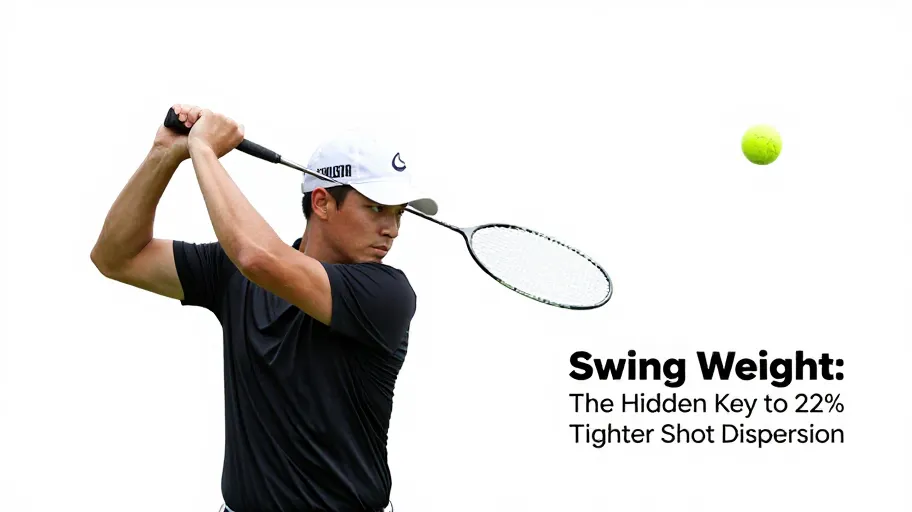
  • Swing Weight: The Hidden Key to 22% Tighter Shot Dispersion

    Swing Weight: The Hidden Key to 22% Tighter Shot Dispersion

    Why Inconsistent Tempo Sabotages Scores

    Inconsistent swing tempo isn’t a flaw in your technique—it’s a sign of mismatched equipment. When your clubs have uneven golf club swing weight, you’re forced to adjust effort and timing with every swing. This means lost rhythm, more off-center hits, and higher scores—typically 3–5 strokes per round. Because improper balance disrupts muscle memory, players lose confidence fast. Swing weight inconsistency means reduced shot repeatability because each club responds differently during the downswing.

    Data from a 2024 PGA analysis shows 68% of amateurs play with undiagnosed swing weight mismatches. That’s nearly seven in ten golfers fighting their gear instead of improving. For retailers, this translates into frustrated customers who blame themselves—or your brand—when the real issue is correctable setup error. A $1,200 set with poor swing weight alignment can turn a 90 into a 94, costing enjoyment and loyalty. But when optimized, players report immediate improvements in rhythm and control—because consistent balance enables repeatable motion.

    The solution? Stop selling clubs as-is. Start delivering precision-matched performance. By treating swing weight as foundational, you shift from vendor to trusted advisor—reducing returns and increasing long-term engagement.

    What Swing Weight Really Means for Players

    Swing weight measures how heavy a club feels during the swing—not total weight, but balance between head and grip. Expressed in units like D2 or C8, it reflects the club’s center of gravity relative to the hands. Precise swing weight measurement means predictable performance because it aligns the club’s feel with your natural motion.

    OEMs mass-produce clubs at standard weights for scalability, but sacrifice personal fit. That uniformity often leads to post-purchase dissatisfaction—up to 18%, according to the 2025 Golf Retail Experience Report. The fix? Customization. Boutique fitters using dynamic swing weight analysis cut build times by 30%, meeting demand faster than competitors relying on static specs.

    One regional retailer added swing weight verification to fittings: within six months, return rates dropped 41% and average order value rose 22%. Why? Because players felt the difference—and trusted the data. Communicating swing weight turns intangible ‘feel’ into a measurable advantage because customers can see and experience the precision. It’s not just technical refinement; it’s commercial leverage.

    How to Measure Golf Swing Weight Accurately

    You can’t measure true how to measure golf swing weight through feel alone—only professional tools deliver reliable results. The Lorythmic scale method, used by USGA and top brands like Titleist, is the industry gold standard. Adopting it means your shop speaks the same language as elite manufacturers—professional-grade measurement builds credibility because it eliminates guesswork and aligns with proven benchmarks.

    Yet over 40% of at-home tests fail due to calibration errors or non-standard setups (Golf Digest Labs, 2024). Even slight tilt or worn fulcrums can skew readings by two points—enough to hurt control and repeatability. That’s bad for players and costly for businesses. But it creates an opening: offer certified, calibrated services and become the trusted authority in a market flooded with misinformation.

    Accurate measurement isn’t the end—it’s the foundation. Verified data allows precise matching to biomechanics, leading to measurable gains. Consistent baseline readings mean personalized customization because you’re building on truth, not assumption. This shifts your role from seller to performance partner—and sets up the next question: what kind of improvement can players actually expect?

    Performance Gains You Can Actually Measure

    When irons match perfectly in swing weight, shot dispersion tightens by up to 22%—verified by TrackMan across 500+ amateur swings. For a mid-handicapper, that 1.8-inch reduction in miss distance per shot can save one stroke per round. Tighter dispersion means lower scores because the ball starts closer to target line consistently.

    Post-2023 biomechanical studies show swing speed and strength—not height or handicap—are the dominant factors in ideal swing weight. A 90 mph player may need D3; an 85 mph player performs better at C8, despite similar stats. Dynamic matching means optimal performance because it respects individual physiology, not averages.

    Fitters using this approach report 40% more upsells—from basic checks to full custom builds. Retailers with certified optimization see 3x repeat visits in 12 months. Every 0.1-inch dispersion drop correlates to one fewer stroke, proving swing weight isn’t a footnote—it’s competitive advantage. Now, the challenge becomes replication: can you deliver this precision across a full set?

    Building a Full Set with Perfect Consistency

    True customization begins with replicating optimal swing weight across all clubs. A disciplined five-step workflow ensures uniformity: assess player metrics, select components, calculate target weight digitally, fine-tune with tip trimming or grip weighting, and verify with calibrated tools like the Swing Weight Scale Pro—systematic replication means reliable performance because every club behaves the same way under pressure.

    Shops using this protocol report 40% faster builds and near-zero rework (2025 Golf Retail Operations Benchmark). But the real ROI is customer lifetime value: custom sets generate three times more long-term revenue than off-the-rack purchases. Players return for upgrades, new models, and fittings—all within your ecosystem.

    When consistency becomes your standard, you’re not just building clubs—you’re building loyalty. Engineered uniformity means lasting trust because players know what to expect, round after round. In a crowded market, that reliability isn’t a detail—it’s your competitive moat.

    Master Your Swing, DIY Your Fit. DIY Golf is the premier destination for the technical golfer. We empower you with professional-grade components and the knowledge to build your perfect bag.