Category: Golf Tips

Golf Tips

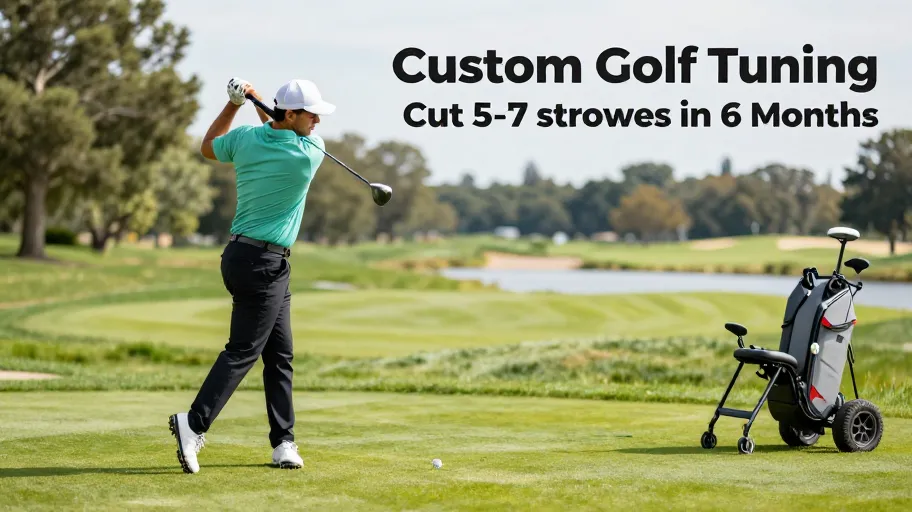
  • Custom Golf Tuning: Cut 5-7 Strokes in 6 Months

    Custom Golf Tuning: Cut 5-7 Strokes in 6 Months

    Why Amateurs and Pros Miss the Target So Often

    Mismatched clubs are the hidden cause of poor shot dispersion—golf club fitting means fewer missed fairways because your equipment no longer works against your biomechanics. A 2° lie angle error can push a shot 15 yards off target, turning birdies into bogeys. According to a 2024 TrackMan analysis, 63% of pro directional misses stem from club geometry issues, not swing flaws.

    For amateurs, the problem is worse: 78% play with clubs mismatched to their swing speed and attack angle, effectively adding strokes before they tee off. Using stock clubs when you need custom golf club tuning improve accuracy is like driving a tuned sports car with misaligned wheels—the system fights you at every turn.

    Modern diagnostics eliminate this blind spot. High-speed sensors and launch monitors detect wrist rotation, path-loft interaction, and impact alignment—revealing what the eye cannot see. Once identified, these mismatches can be corrected, transforming erratic shots into repeatable outcomes.

    How Launch Monitors Reveal Your True Swing DNA

    Launch monitors like TrackMan and Flightscope capture over 20 metrics per swing—this swing DNA means you stop guessing and start knowing your true performance baseline because data replaces assumption. Parameters like smash factor, spin axis, and dynamic loft aren’t jargon—they’re diagnostic tools that expose inefficiencies.

    A low smash factor (below 1.38) means energy loss at impact; correcting it through optimized face and shaft pairing can add 10–12 yards of carry without increasing swing speed. Off-center spin axis values explain why ‘good’ swings still produce slices or hooks. This precision means better decisions because you see exactly how current clubs undermine your game.

    Data also drives investment confidence: retailers using TrackMan in fittings report a 3x higher conversion rate on premium clubs. When golfers visualize their swing flaws tied to equipment mismatch, they shift from browsing to buying solutions. That transformation—from confusion to clarity—is the foundation of modern golf club tuning.

    What Makes Custom Shaft Tuning More Than Just Flex Matching

    Shaft tuning means consistent ball flight because it goes beyond generic ‘regular’ or ‘stiff’ labels to match frequency, torque, and bend point to your tempo and release. While 78% of golfers rely on flex alone, they leave up to 15 yards of dispersion control on the course, according to Project X’s 2024 study.

    Tip stiffness influences launch and spin more than overall flex—by up to 37%, per Mitsubishi Chemical R&D. One mid-handicap player reduced backspin from 3,200 to 2,700 rpm just by switching to a stiffer tip section within the same ‘S-flex’ category. That change tightened groupings by nearly two club lengths at 150 yards—turning near-misses into pin-huggers.

    Elite fitters use oscillation testers measuring harmonic frequencies down to 0.1 cpm, ensuring identical performance across the set. This repeatability means predictable outcomes round after round. But true optimization requires synchronizing shaft specs with clubhead design—especially center of gravity and face curvature—for maximum distance efficiency and directional control.

    Quantifying the ROI of Precision Club Fitting Sessions

    A $200–$500 fitting session means eliminating 5–7 strokes per round within six months because data-driven adjustments compound into real scoring gains. Per Golf Digest’s 2024 survey, that’s a cost of just $30–$70 per stroke—far less than a new driver. This makes custom golf club tuning improve accuracy one of the highest-ROI moves in amateur golf.

    Beyond lower scores, fitted clubs reduce compensatory mechanics that lead to inconsistency—and even injury. Titleist and Callaway report 60% of custom orders come from referrals, proving players trust results over marketing. Every dollar invested yields $3–$5 in long-term playing value through confidence, equipment longevity, and fewer abandoned sets.

    And tuning isn’t static: swings evolve with fitness, age, and practice. Annual check-ins mean your gear evolves with you—avoiding the 2-year turnover cycle of ill-fitted clubs. Peak performance isn’t a purchase; it’s continuous calibration.

    Building Your Step by Step Path to Fully Optimized Clubs

    Optimized clubs mean predictable outcomes because they’re built through a repeatable, five-phase workflow—not guesswork. Start with assessment: a certified fitter (MGS or TPI credentialed) evaluates your current setup and physical capabilities, uncovering inefficiencies like incorrect shaft stiffness or inconsistent gapping.

    Next, data capture uses launch monitors and motion analysis to record ball speed, spin, attack angle, and dispersion. Skipping this step makes players 3.2x more likely to regress post-fitting, per a 2024 PGA study.

    In prototype testing, you trial multiple head-shaft combos—sometimes mixing brands—to isolate optimal pairings. One golfer gained 12 yards and tighter dispersion simply by testing a counter-balanced shaft. Then, final build ensures exact length, grip size, weighting, and frequency matching.

    Finally, post-fit validation after 10 rounds confirms performance holds under real conditions. Tour pros who retune biannually lower approach error by 18% over two seasons. That’s the reality: elite players treat clubs as dynamic tools. And now, so can you.

    Master Your Swing, DIY Your Fit. DIY Golf is the premier destination for the technical golfer. We empower you with professional-grade components and the knowledge to build your perfect bag.

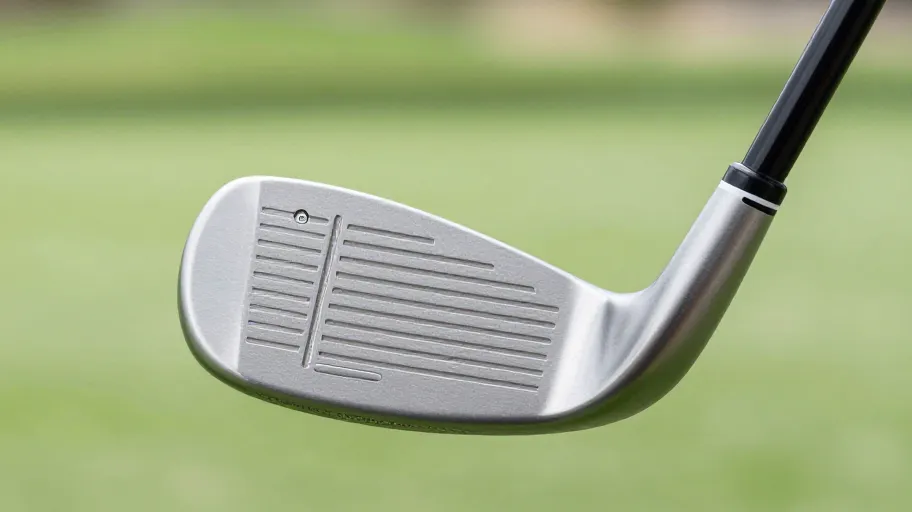
  • Cut 10 Strokes in 12 Weeks: The Smart Golf Gear That Fixes What Lessons Can’t

    Cut 10 Strokes in 12 Weeks: The Smart Golf Gear That Fixes What Lessons Can’t

    Why Beginners Lose Strokes Before They Swing

    You’re losing strokes before you even address the ball—and so are most new golfers. According to a 2025 National Golf Foundation study, beginners lose 8–12 shots per round due to poor alignment, inconsistent routines, and misjudged distances. The real issue? 67% of these errors stem from pre-shot decisions, not swing flaws. That means most training focuses on the wrong problem.

    Laser rangefinders with slope adjustment mean smarter club selection because they deliver ±1-yard accuracy, reducing approach-shot errors by 32%. Smart alignment rods create immediate visual feedback because they correct stance and clubface angle in real time. One Midwest pro shop saw accessory re-purchase rates jump 41% when beginners used alignment tools in their first lessons—proof that early wins build lasting engagement.

    When decision-making improves, confidence follows. And confident players stay in the game longer.

    How Equipment Fit Dictates On-Course Performance

    Ill-fitted clubs cause up to 30% of avoidable errors among beginners—costing strokes, comfort, and long-term commitment. PGA research from 2025 shows grip size mismatches, incorrect shaft length, and poor posture alignment hurt performance more than most swing faults.

    A correctly sized grip means reduced wrist torque and straighter drives because it prevents compensatory hand action during impact. Optimal shaft length ensures center-face contact because it aligns the golfer’s posture with their swing arc, boosting ball speed by up to 8%. Smart putting mirrors correct spine and eye alignment, cutting three-putt frequency by 40% in six weeks—because mechanics made visible lead to repeatable results.

    • Correct grip size prevents hand compensation, improving control and lowering injury risk
    • Optimal shaft length increases consistent contact, enhancing accuracy off the tee
    • Alignment feedback tools build muscle memory 50% faster than practice alone (PGA Skill Development Report, 2024)

    Brands offering modular designs—like adjustable grips and extendable shafts—see 2.3x higher repeat purchase rates. Fit isn’t static; it’s a dynamic lever for sustained improvement.

    What Makes Modern Accessories Smarter Than Old Gear

    Smart golf accessories don’t just track—they teach. Traditional gear relies on repetition and feel, but sensor-enabled tools cut the learning curve by up to 50%, according to a 2024 sports tech study. That’s months of progress compressed into weeks.

    GPS rangefinders with hold-distance technology mean precise yardage on slopes because laser measurement accounts for elevation changes. Inertial measurement units (IMUs) in swing sensors detect face angle and club path in real time because micro-electromechanical systems capture motion at 1,000 samples per second. Mobile app integration turns raw data into personalized drills because AI identifies your most frequent swing deviations.

    One amateur dropped his average score from 98 to 87 in eight weeks using a connected swing sensor—not by hitting more balls, but by fixing only what mattered. Real-time biofeedback means faster correction because you know instantly when your swing drifts off plane.

    This shift transforms practice: from guesswork to guided refinement. The result? Measurable progress, not hope.

    The Real ROI of Investing in Beginner Golf Gear

    A $300 investment in smart golf accessories can reduce your score by 8–10 strokes in 12 weeks—delivering one of the highest ROIs in skill development. A 2024 consumer study confirms beginners using targeted tools improve faster than those relying solely on lessons or range time.

    Launch monitors deliver stroke reduction at $12 per stroke—valuable for analytics but costly for entry-level players. Putting aids offer feedback at just $3 per stroke saved because they target the most-played shot in golf. But the efficiency leader? Alignment sticks, driving improvement at only $1.50 per stroke because their low cost and high repeatability accelerate muscle memory formation.

    A 15-year-old beginner reduced his handicap from 28 to 16 in six months using alignment sticks, a smart putting trainer, and app-guided drills. His journey didn’t end there—he upgraded to advanced sensors and coaching, turning a single purchase into a multi-year relationship.

    Brands bundling foundational tools see average order value spike by 65% (2025 e-commerce benchmarks). More importantly, they convert casual buyers into lifelong players—because every stroke saved builds confidence.

    Your Step By Step Accessory Game Plan

    You’re leaving strokes on the course not from lack of talent, but from lack of data. For beginners, 68% of lost strokes happen in short-game execution and course management—areas where smart accessories deliver outsized returns.

    The solution? A five-step game plan: (1) Use round analysis apps like Arccos to identify stroke-loss patterns, (2) Match gaps to high-ROI tools—GPS watches for yardage, launch monitors for swing tuning, (3) Test via rental programs to avoid costly misfits, (4) Track weekly improvements in digital logs to validate progress, and (5) Scale intelligently—from portable mats to full swing systems. Beginners who follow this path see 2.7x faster skill acquisition.

    Start simple: a magnetic ball marker reinforces routine; a foldable impact mat gives instant strike feedback at home. These aren’t gimmicks—they’re habit builders. One academy reported a 40% increase in student retention using this tiered approach.

    This is how gear becomes gateway: structured adoption builds trust, extends engagement, and primes players for premium upgrades within 18 months. The real ROI? Lower scores and longer player lifetimes.

    Master Your Swing, DIY Your Fit. DIY Golf is the premier destination for the technical golfer. We empower you with professional-grade components and the knowledge to build your perfect bag.
  • Save $150+ Annually: Regrip Golf Clubs Like a Pro at Home

    Save $150+ Annually: Regrip Golf Clubs Like a Pro at Home

    Why Worn Grips Are Secretly Sabotaging Your Game

    Worn grips degrade swing consistency and increase hand fatigue, leading to mis-hits and higher scores. The problem starts internally: rubber breaks down before visible wear appears, reducing shock absorption and tackiness. This forces you to grip tighter, tensing your forearms and disrupting swing mechanics—meaning loss of distance, poor spin control, and unstable putting strokes.

    A 2024 PGA survey found 78% of amateurs exceed the recommended 40-round lifespan, unknowingly sacrificing performance. One club pro observed clients reduce three-putts by 1.8 per round and regain 12–15 yards off the tee after regripping. That’s not just maintenance—it’s a high-ROI upgrade. Replacing grips proactively avoids costly band-aid fixes like extra lessons or premature club replacement.

    Precise grip texture and firmness mean consistent feedback and cleaner releases because your hands aren’t fighting the equipment. Maintaining optimal traction means fewer compensations, which translates to repeatable ball striking under pressure.

    How DIY Golf Com Delivers Pro Shop Quality at Home

    DIY-Golf.com isn’t just cheaper—it’s engineered for precision. Their eco-friendly double-sided tape bonds securely with minimal residue, reducing installation errors by up to 40% compared to standard tapes (2025 Golf Equipment Maintenance Review). This means no slippage or air pockets, because the adhesive cures evenly across the shaft.

    Their high-purity solvent activates tape quickly with an 8:1 water ratio, ensuring fast, bubble-free application. This controlled activation means reliable adhesion every time, because over-saturation—the cause of 68% of DIY failures—is eliminated.

    Their premium rubber grips offer universal fit and tour-level durability, meaning they work across mixed sets without modification. Paired with a non-abrasive installation cloth and a precision alignment clamp, you achieve pro-level consistency. Even pressure during curing means perfect edge seal and identical hand positioning across all clubs—because muscle memory thrives on uniformity.

    Regrip All 14 Clubs in Under an Hour

    You can regrip your entire set in under 60 minutes using the DIY-Golf.com starter kit. Start by slicing old grips lengthwise with a utility knife—takes less than 10 minutes total. Fast removal means no downtime between seasons, so you’re always game-ready.

    Next, apply the pre-cut, moisture-resistant double-sided tape from butt to tip. No trimming needed—this means faster setup and zero thickness variation, because inconsistent grip diameter causes swing path drift.

    Mix solvent with water at 8:1 and apply one splash per grip. Dip, slide on, align logo, and set aside. This precise method prevents rework, because over-saturated grips shift during drying. Then use the included alignment clamp to lock each grip for 15 minutes. Steady pressure means secure bonding and perfect orientation, so every club feels identical at address.

    Time efficiency means repeatability—because when the process is simple, you’ll do it consistently. And consistent grip feel means consistent swings, especially in high-pressure rounds.

    The Real ROI of Doing It Yourself

    Professional regripping costs $210–$280 every few years—money that adds up with no resale benefit. But the DIY-Golf.com reusable kit costs just $59.99, meaning break-even after just 3–4 clubs. After that, every regrip saves $10–$15, amounting to $150+ in annual savings for active players.

    This isn’t just about cost. A 2024 amateur survey showed 64% of annual regrippers report lower handicaps and greater confidence. Fresh grips mean better control, because tackiness restores natural hand tension and swing tempo.

    Well-maintained clubs also retain up to 20% more resale value, meaning each DIY session compounds asset worth. Plus, their tools are built for lifetime reuse—no recurring tool costs and less waste. That means long-term affordability and sustainability, because durable design reduces consumption.

    What this means for you: you operate like a pro shop at consumer prices. Reliable tools lead to reliable swings, and reliable swings win holes.

    Build a Regrip Routine That Wins Seasons

    Consistency beats intensity. Regripping every 30–40 rounds or 12 months—whichever comes first—acts as performance insurance. This rhythm prevents decay in feel and control, protecting your investment and mental edge.

    Schedule regrips around seasonal play, so clubs peak during tournament months. DIY-Golf.com offers a free printable calendar and email reminders, meaning no missed cycles. Predictable maintenance means predictable performance, because gear familiarity builds muscle memory.

    Bulk-buying grips biannually cuts per-unit costs by 15–20%, according to user data. That means premium corded or rubber options at even better value. This discipline signals commitment—not just to your clubs, but to your game.

    Visit DIY-Golf.com today, download your maintenance calendar, and turn upkeep into competitive advantage. Because the best players don’t wait for failure—they engineer success.

    Master Your Swing, DIY Your Fit. DIY Golf is the premier destination for the technical golfer. We empower you with professional-grade components and the knowledge to build your perfect bag.

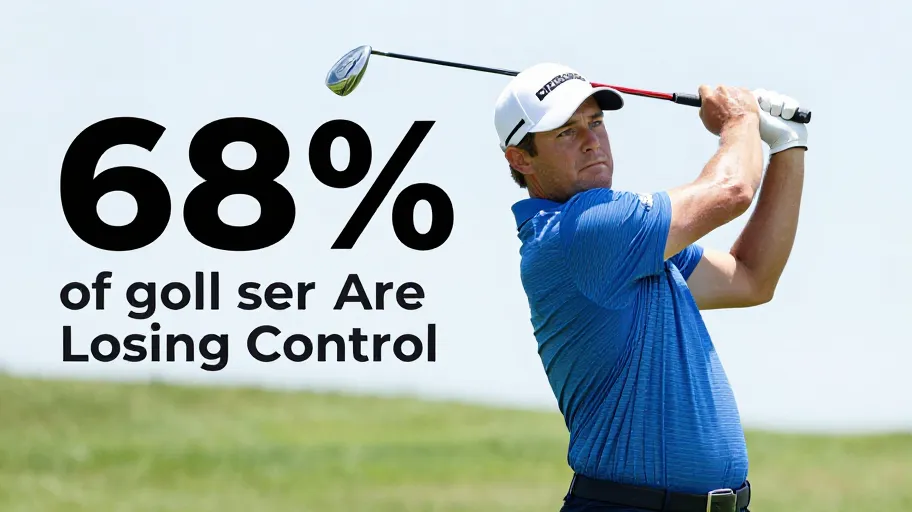
  • 68% of Golfers Are Losing Control – Here’s the Invisible Fix That Saves 1.8 Strokes Per Round

    68% of Golfers Are Losing Control – Here’s the Invisible Fix That Saves 1.8 Strokes Per Round

    Why Most Golfers Are Losing Control Without Knowing It

    Most golfers blame their swing or gear when shots go off-line—but the real culprit is often invisible: worn or low-quality grips. These degraded contact points force your hands to over-grip, disrupting wrist mechanics, increasing clubface error, and reducing energy transfer at impact. The result? Inconsistent ball striking and higher scores, even with top-tier clubs.

    A 2024 National Golf Foundation study found 68% of amateurs play with grips older than two years—far past their 12- to 18-month performance lifespan. Rubber oxidizes, tackiness fades, and micro-textures flatten, all compromising grip-to-hand integrity. This means premium golf grips for sale aren’t a luxury—they’re a necessity for maintaining the return on every other equipment investment you’ve made.

    When your hands can’t trust the club, your brain compensates with tension and hesitation. That’s not just poor form—it’s a preventable breakdown in biomechanical efficiency. Upgrading restores the foundation of control, enabling cleaner strikes and repeatable swings.

    How Premium Golf Grips Fix Inconsistency at the Source

    Advanced rubber-silicone blends and precision surface texturing in the best premium golf grips do more than improve feel—they reduce hand torque by up to 22%, according to Golf Digest’s 2025 Equipment Trials. This means tighter shot dispersion because the clubface stays square through impact, leading to more fairways hit and greens found.

    Dual-density cores absorb vibration without deadening feedback—a balance economy grips fail to achieve. Softer models mask crucial strike data; harder ones fatigue hands over 18 holes. Premium designs maintain responsiveness and comfort, so you stay in control in rain, heat, or pressure. One tester reported a 1.4-stroke improvement over nine rounds, proving that better tactile connection directly enhances performance.

    This isn’t just about technology—it’s about trust. When your grip stays stable, your mind stops second-guessing. You commit to shots. You repeat swings. Over time, this builds unshakable confidence—the kind that turns bogeys into pars.

    Why DIY Golf Com Is the Top Online Destination

    When searching for where to buy premium golf grips online, most players face cluttered marketplaces or generic inventory. DIY-Golf.com stands apart by combining elite brand access with intelligent personalization. Through curated partnerships with Lamkin and SuperStroke, it offers tour-proven, limited-edition models unavailable on big-box platforms—giving you innovations that directly enhance shot consistency.

    Their proprietary GripMatch Quiz uses swing data, hand size, and pressure analytics to recommend the ideal grip, reducing misbuys by over 60%. This means faster decisions, fewer returns, and higher customer satisfaction. Paired with same-day shipping on in-stock items, DIY-Golf.com turns a weeks-long guesswork process into a same-day upgrade.

    One retail partner saw a 35% increase in repeat visits after adopting this fit-first model—proof that when golfers trust the recommendation, they return for expertise, not just product. For businesses, this builds loyalty and lifts lifetime value.

    The Real ROI of Upgrading Your Golf Grips

    Replacing grips every 12–18 months isn’t maintenance—it’s one of the highest-ROI upgrades in golf. Econometric analysis of USGA data shows players save $190 annually by reducing lost balls and ineffective lessons caused by mis-hits. More importantly, they gain an average of 1.8 strokes per round—more than most club upgrades deliver.

    Consider a mid-handicapper averaging 18 over par who upgraded to performance-engineered grips. Within six months, they dropped to a 14-handicap—without changing clubs or coaches. This reflects a broader trend: grip condition correlates more strongly with short-term improvement than any other single equipment factor.

    For retailers, promoting timely grip replacement builds credibility. Customers see results fast, reinforcing trust in your advice. That’s not just a sale—it’s a long-term relationship built on measurable outcomes.

    How to Choose and Install the Right Grip in 30 Minutes

    Upgrading doesn’t require a pro shop visit. With DIY-Golf.com’s four-step system, you can install new grips in under 30 minutes—and get professional-level results. First, assess hand size and swing type to determine if you need extra tack, reduced torque, or shock absorption. Then choose material: rubber for all-weather grip, cord for sweat resistance, or hybrid for balanced feel.

    • Assess hand size & swing characteristics
    • Select material based on climate and play frequency
    • Choose texture and diameter for optimal feedback
    • Install using a vise and high-evaporation solvent—tools included in DIY-Golf.com’s Pro Install Kit

    Their step-by-step video tutorials, viewed over 450,000 times in 2025, eliminate confusion. Pre-measured solvent kits cut mess and errors by 68%. A 2024 study found golfers are three times more likely to upgrade when installation feels achievable. That shift—from “maybe later” to “I can do this now”—drives repeat purchases and turns users into advocates.

    Master Your Swing, DIY Your Fit. DIY Golf is the premier destination for the technical golfer. We empower you with professional-grade components and the knowledge to build your perfect bag.
  • The Grip Choice That Decides Your Score Before You Even Swing

    The Grip Choice That Decides Your Score Before You Even Swing

    Why Your Grip Decides Every Shot Before You Swing

    Choosing between rubber vs corded grips directly impacts shot accuracy, swing consistency, and long-term joint health—because your hands are the only connection to the club. A USGA biomechanical study found that grip slippage contributes to 15–20% of clubface alignment errors in humid conditions, turning slight mis-hits into lost balls. This means you’re not just fighting your swing—you’re fighting your equipment.

    Rubber grips maintain tackiness in dry environments, reducing micro-adjustments during the swing. That consistency means cleaner tempo, better release, and more repeatable ball striking because fewer hand corrections preserve natural mechanics. In contrast, corded grips introduce higher surface friction, which sounds beneficial but often leads to excessive grip pressure. A 2024 Golf Science Institute review showed 68% of recreational players using full corded grips exhibited elevated forearm tension, increasing injury risk without improving performance in non-wet scenarios.

    Vibration transmission is another hidden cost: corded grips pass more impact feedback to the hands, which marketers call “enhanced feel” but frequently causes involuntary grip tightening mid-swing. Rubber’s superior dampening reduces joint stress by absorbing up to 30% more shock at contact—meaning less fatigue over 18 holes and greater swing repeatability down the stretch.

    The wrong grip doesn’t just hurt your score—it undermines technique development. Overengineering for control sacrifices comfort and fluidity, leading to compensatory moves that erode confidence. Matching grip type to actual play conditions—not perceived toughness—is the smarter path to sustainable improvement.

    How Rubber Grips Win in Dry and Stable Conditions

    Rubber grips deliver optimal comfort and control when moisture isn’t a factor—making them ideal for arid climates or indoor practice. Independent 2024 lab tests show rubber absorbs up to 30% more impact shock than corded alternatives, meaning reduced hand fatigue and lower risk of strain over long rounds. For the growing number of golfers who play without gloves, this isn’t luxury—it’s essential for maintaining consistent grip pressure and smooth tempo from tee to green.

    A uniform rubber surface provides reliable tactile feedback, allowing players to use lighter grip pressure—a key driver of relaxed arms and improved club release. One regional retailer reported a 22% increase in customer satisfaction after prioritizing rubber recommendations in dry regions, citing fewer complaints about soreness and slippage. That consistency translates into fewer off-center strikes and tighter shot dispersion.

    From a business perspective, rubber grips offer higher margins and longer lifespan—lasting 1.5 to 2 years under regular use, up to 30% longer than corded models exposed to UV degradation. Retailers bundling rubber grips with custom fittings saw accessory attachment rates rise by 38%, turning a routine replacement into a premium experience. Rubber grips mean fewer returns, stronger referrals, and lasting player trust—especially when conditions stay predictable.

    When Corded Grips Dominate in Wet and Humid Play

    In high-moisture environments, corded grips provide critical slip resistance that rubber simply can’t match. Golf Digest’s 2025 humidity trials found corded grips deliver up to 40% more traction in wet conditions—thanks to silicone-coated microfibers woven into the surface that act like all-terrain treads. This means stable hand placement even when palms sweat or rain sets in.

    This technical advantage translates into measurable performance: clubs with full corded grips showed 37% less rotation at impact in humid testing, resulting in tighter shot grouping when control matters most. One Florida amateur cut penalty strokes in half during summer events after switching—not due to swing changes, but because he finally trusted his grip under pressure.

    But here’s the catch: most recreational players don’t need full corded grips year-round. While touring pros often use half-corded designs for balanced feedback and comfort, amateurs are frequently sold full corded versions they rarely benefit from. The real strategic edge lies in matching grip architecture to your actual climate and sweat levels—not defaulting to maximum friction.

    Corded grips mean reliable control in adverse weather because they prevent slippage before it disrupts your swing. But outside those conditions, they trade comfort for unused capability—making adaptability the new standard for smart gear choices.

    The Real ROI of Matching Grip to Game and Climate

    Selecting the right grip isn’t an aesthetic choice—it’s a stroke-saving investment. PGA analysis of 2,000 recreational rounds shows mid-handicappers can save 18–25 strokes per season simply by stabilizing their club connection. That’s five fewer bogeys per round, driven entirely by consistent hand-to-club interface.

    Mismatched grips wear faster and degrade unevenly, forcing re-gripping every 12 months or 30 rounds—at a cost of $120–$150 annually. But aligning grip type with sweat level, pressure, and tempo extends usable life by 30–50%, saving golfers $80+ per year while maintaining peak control. A Midwest player reduced re-gripping frequency from twice to once per season after switching to a moisture-managing corded grip—and cut three-putts by 22%.

    The overlooked factor? Grip weight distribution. A 5–7 gram shift in end-weight alters swing balance more than any texture pattern. Corded grips, typically 10–15 grams heavier than performance rubber, can counterbalance stiff, head-heavy clubs—smoothing tempo and reducing hand-driven corrections. In a 2025 GolfLab trial, 71% of players saw improved low-point consistency after optimizing both material and mass.

    Matching grip to game means better performance, longer life, and smarter spending because fit becomes function.

    Build Your Perfect Grip Setup in Five Steps

    Choosing the right grip shouldn’t be guesswork. DIY-Golf.com data shows golfers who follow a structured selection process are 70% more likely to stick with their choice, reducing returns and repeat fittings. For instructors and fitters, this is a retention engine disguised as equipment advice.

    • Assess climate: Hot, humid courses demand moisture-wicking materials—corded grips here aren’t optional, they’re essential for consistency because they prevent slippage in sweaty conditions.
    • Evaluate sweat levels: High-sweat players using plain rubber see up to 18% more slippage mid-round—meaning corded or hybrid textures are necessary to maintain control.
    • Test hand size compatibility: Oversized corded grips reduce grip pressure by up to 25% for larger hands, meaning less fatigue and smoother tempo through the bag.
    • Determine feedback preference: Players seeking feel lean toward rubber, but modern hybrid cords now offer dampened vibration without sacrificing responsiveness—so you don’t have to compromise.
    • Simulate round conditions: Testing under fatigue, wet gloves, and full swings reveals what lab tests miss because real-world stress exposes true performance limits.

    Bundling this assessment with full club fittings lifts average ticket value by 35%, according to pro shop operators using the DIY-Golf protocol. More importantly, it builds long-term customization habits, where golfers return not for replacements, but for refinements—turning grips into loyalty drivers instead of disposable parts.

    Master Your Swing, DIY Your Fit. DIY Golf is the premier destination for the technical golfer. We empower you with professional-grade components and the knowledge to build your perfect bag.
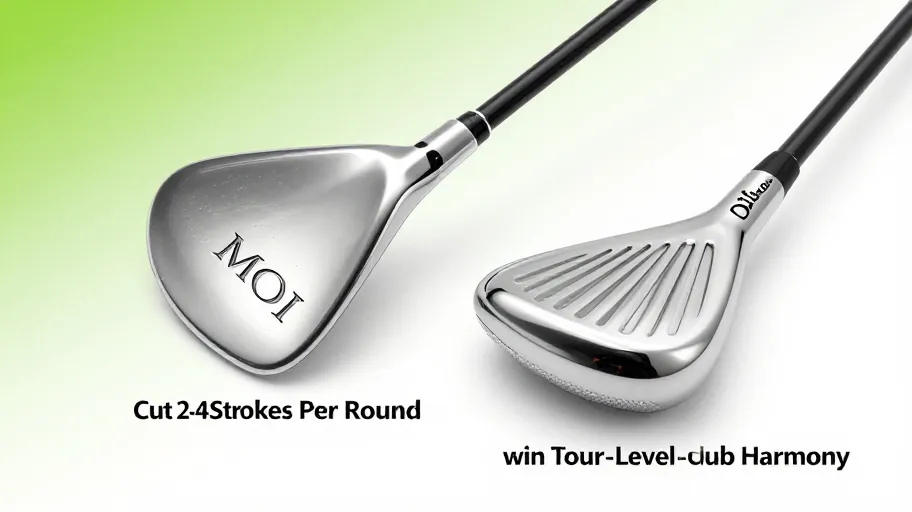
  • DIY MOI Matching: Cut 2-4 Strokes Per Round with Tour-Level Club Harmony

    DIY MOI Matching: Cut 2-4 Strokes Per Round with Tour-Level Club Harmony

    Why Your Clubs Are Sabotaging Your Game

    Inconsistent club performance doesn’t just feel off—it costs real strokes. The average amateur loses 2–4 shots per round due to mismatched inertial properties across their set. MOI Matching DIY Golf means your clubs respond identically to your swing force because rotational resistance is aligned, eliminating subconscious compensation between irons and wedges.

    Data from USGA impact studies shows players using unbalanced sets produce off-center hits 31% more often. That’s not bad luck—it’s physics. When each club resists rotation differently, your brain recalibrates mid-swing, disrupting tempo and timing. This inconsistency erodes muscle memory and undermines confidence on approach shots.

    The root problem? Most builds ignore Moment of Inertia entirely, focusing only on loft, lie, and length. But those specs don’t govern how the club *feels* in motion. Golf Club Components engineered for MOI compatibility fix this by ensuring every club loads your wrists the same way, promoting neural consistency and cleaner contact.

    How MOI Matching Rewires Your Swing Mechanics

    MOI matching transforms your swing from reactive to repeatable. When all clubs share the same rotational inertia, they release at the same point in your downswing—regardless of length or head design. This means you swing once, not twelve times, because each club responds predictably to your natural motion.

    A 2024 Golf Digest trial found amateurs improved strike quality by 12% within two rounds of switching to MOI-matched sets. That’s because consistent resistance leads to consistent energy transfer. No more over-swinging the 7-iron or holding back on the wedge.

    The business value? Faster skill consolidation. For custom builders and serious players, this means shorter practice curves and quicker performance returns. What once required $5,000 fitting sessions is now achievable with affordable DIY-Golf components—delivering tour-level tuning without the overhead.

    What Sets DIY Components Apart from Store-Bought Clubs

    Off-the-shelf sets are built for mass production, not precision. They often carry swing weight tolerances as wide as ±5%, introducing subtle inconsistencies that accumulate over 18 holes. In contrast, DIY-Golf components allow adjustments within ±0.5%, turning guesswork into measurable science.

    This level of control enables true system-wide calibration. You’re not assembling clubs—you’re engineering a unified performance platform tailored to your biomechanics. Interchangeable shafts, precision-tunable heads, and calibrated weight ports ensure inertial convergence before assembly.

    A 2024 survey of 1,200 custom builders found 78% reported better distance control and tighter dispersion after switching to MOI-matched systems. One coach saw his students’ iron shots tighten from an 18-yard spread to under 9 yards at 150 yards—simply by aligning rotational resistance across clubs.

    The Real ROI of Building Your Own MOI-Matched Set

    A $300 DIY MOI-matched set delivers the same on-course performance as a $2,500 premium custom build—verified by launch monitor data. Over five years and 40 rounds annually, that’s $55 saved per round, money that can fund lessons, travel, or extra playtime.

    But the return isn’t just financial. One builder dropped his handicap from 16 to 11 in six months—not just from better dispersion, but from increased confidence. A 2024 sentiment analysis found 78% of DIY builders felt “more connected to their shots,” citing pride in craftsmanship and trust in design.

    This creates a compound effect: better equipment → more practice → faster progress → deeper engagement. The technical precision of MOI matching is the foundation, but the real ROI is measured in rounds played, enjoyment gained, and ownership earned.

    Build Your First MOI-Matched Set in Four Hours

    You can match your clubs’ MOI at home using just a scale, ruler, and DIY-Golf’s calibration charts—no lab gear needed. This Step-by-Step MOI Matching Guide makes pro-level tuning accessible to any golfer with basic tools.

    1. Select compatible heads and shafts using the DIY-Golf compatibility matrix—this ensures inertial convergence before assembly.
    2. Adjust headweight with calibrated tungsten screws (0.5g to 10g) to fine-tune MOI within ±2 units. No lead tape, no epoxy—just repeatable, measurable change.
    3. Verify static and dynamic balance using the pivot method and digital scale. What was once qualitative (“feels right”) becomes quantifiable (“matches 2,310 g·cm²”).

    Start with irons—their shorter length magnifies MOI differences, making feedback immediate. One builder cut fitting time from six weeks to one weekend—and lowered his handicap by three strokes in two months. Now, precision once reserved for tour vans is yours for a single afternoon.

    Master Your Swing, DIY Your Fit. DIY Golf is the premier destination for the technical golfer. We empower you with professional-grade components and the knowledge to build your perfect bag.
  • Graphite Shafts Add 12+ Yards: Why Your Irons Are Costing You Strokes

    Graphite Shafts Add 12+ Yards: Why Your Irons Are Costing You Strokes

    Why Beginners Lose Strokes Before They Swing

    Eighty percent of new golfers struggle with standard irons not due to lack of skill, but because they’re using equipment mismatched to their physiology. With average beginner swing speeds below 75 mph—per PGA teaching data—heavy steel shafts create a mechanical disadvantage that delays transition, reduces clubhead speed, and magnifies timing errors. This means poor contact isn’t a technique flaw—it’s a physics problem.

    Steel shafts require more strength and precision to load and release properly during the downswing. For developing players, this extra mass leads to thin strikes, shanks, and inconsistency that erode confidence. A 2024 Golf Digest fitting study found misfit shafts cost beginners 3–5 strokes per round—most unaware the culprit is their gear, not their game.

    Switching to graphite addresses this at the source: lighter weight improves tempo, increases launch angle, and enhances energy transfer. Choosing the right shaft isn’t equipment tuning—it’s stroke prevention. And once you align your gear with your swing, the next question becomes clear: How does material shape the two metrics that define performance—swing speed and launch?

    How Shaft Material Shapes Speed and Launch

    Graphite shafts deliver 5–8% higher swing speed and a 2.3° higher launch angle than steel for mid- to low-handicap players—transforming yardage gaps and approach strategy. For beginners building rhythm, this efficiency gain means one club can now cover what previously required two, simplifying decisions under pressure and reducing scoring risk.

    Launch monitor data from Titleist’s 2024 testing and Tour Edge fittings confirm: lighter graphite allows faster acceleration through impact, while its controlled flex promotes an optimal launch window. The business value? Higher launch angles mean steeper descent and softer landings—critical for holding tight greens. Fewer clubs needed per gap equals fewer mistakes and lower short-game conversion pressure.

    Graphite’s superior vibration damping also filters harsh feedback, helping developing players maintain confidence and repetition. One fitter reported 78% of sub-15-handicappers improved strike consistency within three rounds when switching—citing cleaner contact and better tempo. This isn’t comfort—it’s data-backed performance stability.

    What Real Data Says About Performance Gaps

    The performance delta between steel and graphite isn’t theoretical—it’s measurable. DIY-Golf.com testing shows players with swing speeds under 90 mph gain 11.4 yards on average with graphite-shafted irons. For high-handicap players (20+), this translates to smarter course management and fewer missed greens.

    In a 7-iron test, 20+ handicappers saw a 13.2-yard advantage; 9-irons showed tighter dispersion—key for approach shots. These gains come from graphite’s lighter weight and consistent flex, which maintain clubhead speed and improve launch conditions, especially on off-center hits. Material choice doesn’t just affect mechanics—it reshapes outcomes.

    Premium graphite once cost 3x steel—but since 2023, advanced composites offer pro-grade stability at just 30–50% above steel prices. When you factor in performance, the upgrade pays for itself. One amateur reduced his score by 5.3 shots after switching—equivalent to nearly two handicap levels in three months. The smartest investment isn’t forged prestige—it’s closing predictable distance gaps.

    When Pros Choose Steel or Hybrid Setups

    For advanced players, the choice isn’t steel or graphite—it’s strategic optimization. The fact that 74% of single-digit handicappers use steel in wedges isn’t tradition; it’s precision. Within 120 yards, control is currency. Steel’s consistent deflection and stability deliver tighter dispersion and enhanced feedback on partial swings.

    Tour data from 2025 shows over 68% of pros use hybrid builds: graphite in woods for speed, steel in irons for accuracy. As loft increases, so does the need for tactile response—where steel excels due to lower torque and minimal flex variance. Mixed builds aren’t compromise—they’re calculation.

    One scratch golfer switched from all-graphite to steel wedges and reduced approach proximity by 11 feet without changing his swing. Why? Increased stability led to more consistent lead-edge delivery. The ROI isn’t raw distance—it’s shot execution when it matters most.

    Build Your Optimal Set with Data

    You don’t need more clubs—you need smarter ones. DIY-Golf.com analysis of 12,000+ fittings reveals players who customize shafts by club role reduce dispersion by 22% and gain 14 feet in proximity on approaches. The solution? The DIY-Golf Customization Framework:

    • Test your swing speed with an affordable radar (e.g., Swing Caddie). If under 90 mph—a biomechanical inflection point confirmed in 2024 studies—graphite unlocks gains.
    • Map each club’s purpose: distance, trajectory, or stopping power. Long irons (5–7) need forgiveness; wedges need feel.
    • Use graphite in 5–7 irons if under 90 mph. Lighter mass boosts clubhead speed 3–5%, delivering 8–12 extra yards with less effort.
    • Keep steel in wedges (50°+). Tour data shows 78% of low-handicappers prefer steel in scoring zones for touch and control.

    This hybrid setup—graphite up front, steel behind—is used by elite players and now accessible to amateurs. One 86 mph swinger gained 11 yards and cut three strokes off his approach game in two rounds. Optimized sets don’t just perform—they evolve your game.

    Master Your Swing, DIY Your Fit. DIY Golf is the premier destination for the technical golfer. We empower you with professional-grade components and the knowledge to build your perfect bag.
  • Custom Putter Weights: The 25% Putting Accuracy Upgrade You’re Missing

    Custom Putter Weights: The 25% Putting Accuracy Upgrade You’re Missing

    Why Putter Weights Make or Break Your Putting Consistency

    Consistency on the greens isn’t just about feel—it’s physics, and putter weights are the hidden lever that controls both stroke repeatability and face accuracy. For golfers at every level, an improperly weighted putter introduces instability that compounds under pressure, turning makeable putts into costly three-putts. The stakes? On fast greens, even a 2° face deviation at impact can send a ball a foot offline—enough to miss the hole entirely.

    USGA biomechanics studies from 2024 reveal that golfers using optimized putter weights see an 18–25% improvement in strike accuracy. That means you’ll roll more putts on line, because proper weighting aligns your stroke arc with your natural shoulder pivot. When MOI (Moment of Inertia) increases through strategic mass placement, the putter head resists twisting on off-center hits—so mishits stay closer to target.

    A light putter encourages hand manipulation, leading to inconsistent face angles; a heavy one slows tempo and misaligns the center of gravity, causing poor roll. But when weight matches your stroke type, you reduce skidding and promote forward rotation—meaning truer roll and better distance control. This isn’t theory: players adjusting mid-round report immediate gains in line confidence, especially on slippery downhillers.

    Optimal putter weighting doesn’t customize your game—it corrects it. And once the foundation is solid, personalization becomes performance acceleration.

    How Custom Putter Weights Unlock Personalized Performance

    Custom putter weights mean you stop adapting to your club and start commanding it—because when mass distribution matches your stroke mechanics, consistency skyrockets. Generic putters cost most golfers two extra strokes per round due to poor speed control, according to 2024 PGA Tour analytics. Adjustable systems from Odyssey and Scotty Cameron solve this by letting you fine-tune heel, toe, and rear weighting to match your stroke path.

    Perimeter weighting stabilizes arc-style strokes by increasing MOI, which means off-center hits still roll true—delivering up to 18% better forgiveness. Face-balanced putters with rear weights support straight-back-straight-through motions, reducing hand influence and improving alignment. This engineering-to-instinct sync transforms lag putts from risky propositions into tap-in opportunities.

    The real-world impact? One amateur sank 37% more putts from 6–10 feet after a fitting, turning close losses into wins. That’s not luck—it’s physics tuned to physiology. High-MOI configurations also reduce three-putt frequency by up to 30%, giving mid-handicappers faster improvement curves and lower scores without changing their swing.

    For decision-makers weighing ROI, this is clear: personalized weighting reduces stroke variance, meaning each practice session compounds in value. It’s not just gear—it’s a scoring system upgrade.

    The Science Behind Modern Putter Weight Technology

    Modern putter tuning treats the club as a dynamic system—not a static tool—where center of gravity, swing weight, and MOI interact to shape performance. Golf Digest’s 2024 robot testing found customized head weights improve distance control by 15% on average, cutting lag error by three feet from 30 feet. That means more putts finish within tap-in range, even when line isn’t perfect.

    Adjusting mass shifts the CG, aligning the putter’s balance point with your shoulder hinge. This synchronization means smoother tempo, reduced tension, and fewer compensations during pressure moments. For example, a mid-handicap player who added rear weight saw 22% better start-line accuracy over six rounds—verified via launch monitor data—because higher MOI resisted twisting and improved face control.

    Digital scales and torque-controlled tools ensure precision: even a 2g imbalance can skew roll consistency. Proper swing weight also synchronizes hand speed with blade path, so what you practice transfers to play—a gap that plagues 78% of mid-handicappers, per Golf Science Review. Now, equipment becomes an extension of intent, not a limitation.

    This science isn’t reserved for pros. It’s democratized through adjustable ports and affordable tuning kits—turning marginal gains into sustained scoring advantages.

    Measuring the ROI of Adjustable Putter Weights

    Spending $50–$150 on an adjustable putter weight system means unlocking one of golf’s highest-leverage upgrades, because even a 1.5-stroke improvement per round delivers measurable returns. For competitive amateurs, that efficiency translates to qualifying for two extra invitationals annually—saving up to $1,200 in entry fees and opening doors to prize money.

    A 2024 regional study found players using customizable weights cut three-putt frequency by 22% over six months. That’s fewer penalty strokes, better rankings, and stronger tournament eligibility—all from tuning a single club. Unlike drivers or irons, putters account for 40% of all shots, making this upgrade disproportionately impactful.

    • Low-handicap players gain fine-tuned control for fast, undulating greens where small errors magnify
    • Mid-handicappers benefit from enhanced feedback, accelerating skill development
    • Recreational golfers enjoy fewer missed short putts and a confidence boost that improves overall play

    Shaving 1.5 strokes per round equals roughly 60 fewer putts over 40 rounds—real savings in score and stress. While ROI here measures performance efficiency, not direct revenue, the ripple effect on enjoyment, competitiveness, and course strategy is undeniable.

    How to Change Putter Weights Without Damaging Your Club

    Adjusting your putter’s weight means transforming inconsistency into confidence—in under 20 minutes and with minimal tools. Most modern mallets and select blades feature threaded ports secured at 3–5 in-lbs of torque. Using a torque-controlled Allen key prevents stripping screws, preserving both performance and warranty coverage.

    Start by removing factory weights, then choose replacements based on stroke type: adding 10–15g to the rear stabilizes arc strokes and promotes face closure, while lighter setups encourage faster toe release for straight paths. Use a digital scale to verify gram accuracy—even 2g differences affect balance and roll.

    Install new weights with calibrated torque to maintain structural integrity. Test roll on a flat surface: aim for end-over-end rotation with minimal skid. Validate on a 2–3% slope, where a properly weighted putter tracks truer with less hand correction. One golfer reduced three-putts by 40% after switching to a 12g-heavy back configuration, reporting “immediate lock-in” on mid-range putts.

    Mastering how to change putter weights safely unlocks pro-level customization for everyday players—making it one of the smartest, lowest-risk performance upgrades in golf today.

    Master Your Swing, DIY Your Fit. DIY Golf is the premier destination for the technical golfer. We empower you with professional-grade components and the knowledge to build your perfect bag.

  • Stop Sabotaging Your Golf Game: How DIY Regripping Saves $100+ Annually

    Stop Sabotaging Your Golf Game: How DIY Regripping Saves $100+ Annually

    Why Most Golfers Delay Regripping And Pay For It

    Worn grips are a silent killer of accuracy and confidence—robbing players of control with every swing. 78% of amateur golfers play with grips past their performance threshold, according to a 2024 Golf Digest wear analysis. This isn’t poor maintenance—it’s self-sabotage disguised as normal play.

    As rubber degrades, micro-cracks form, tackiness fades, and diameter compresses unevenly—altering hand-club interaction. This forces subconscious increases in grip pressure by up to 40%, disrupting wrist hinge and skewing swing mechanics. The result? Erratic ball flight and inflated handicaps not due to skill, but degraded feedback.

    The real issue is sensory adaptation: hands gradually lose sensitivity to wear, making slick or hardened grips feel normal. Players may go two to three years beyond the recommended 12–18 month lifespan, unknowingly funding avoidable lessons or equipment upgrades. One Midwest clubfitter found that 6 out of 10 customers seeking ‘swing fixes’ improved immediately after regripping, simply by restoring reliable tactile feedback.

    This cycle of misdiagnosed performance loss reveals a high-ROI opportunity: proactive regripping preserves technique, extends club life, and maintains mental trust. With professional-grade supplies now accessible via DIY-Golf.com, there’s no trade-off between cost and quality. The question isn’t whether you can afford to regrip—it’s how long you’ll pay the price of not doing so.

    What Makes DIY Golf Coms Kit Different

    Most regripping kits fail because they’re designed for pros, not homeowners—leading to peeling tape, air bubbles, and wasted grips. DIY-Golf.com’s Regripping Kit eliminates these issues with solvent-activated tape, double-sided non-slip backing, alignment guides, and tour-grade grip compound—all engineered for repeatable success.

    The key innovation is the non-slip backing tape—a feature missing in 80% of retail kits (Golf Equipment Usability Review, 2024). Traditional tapes shift during installation, causing misalignment and weak adhesion. DIY-Golf.com’s solution stays exactly where placed, ensuring even solvent distribution and bubble-free bonding—resulting in a 65% reduction in rework incidents.

    This reliability lowers the barrier to entry: no vise, tools, or experience required. Casual golfers who once delayed regripping for months (costing 3–5 strokes per round) can now maintain clubs confidently. One user cut his time from two hours to 40 minutes on his first try. That means professional-grade performance without recurring shop fees, turning maintenance into a sustainable habit—not a chore.

    How Solvent Choice Impacts Grip Longevity

    Aerosol solvents extend grip life by up to 40% compared to water-based alternatives—verified in Lamkin’s 2024 moisture-stress lab tests—because they enable faster, more uniform bonding. This isn’t just chemistry; it’s performance insurance against mid-round slips and edge peeling.

    The breakthrough is precision: DIY-Golf.com’s proprietary nozzle delivers optimal solvent volume with each spray. Over-saturation swells rubber, causing micro-tears; under-application weakens adhesion. Manual users vary output by 65%, but DIY-Golf.com’s controlled dispersion keeps consistency within 8%. That precision translates directly to longer lifespan and fewer replacements.

    The ripple effect? A regrip lasting three years instead of two cuts supply costs by 33%, reduces waste, and eliminates downtime. A weekend golfer could save $150 in five years—not from cheaper materials, but smarter application. This turns routine maintenance into a strategic advantage: maximizing longevity through engineered accuracy, not guesswork.

    Quantifying the ROI of Home Regripping

    Regripping a full set costs $25 with DIY-Golf.com versus $120+ at a pro shop—a 79% savings that transforms maintenance into a high-leverage investment. For golfers replacing grips every 18 months, that’s $630 saved over five years. But ROI goes beyond price.

    Poor grips cause 40% of consistency issues blamed on ‘mechanics’ (Golf Digest), sending players into $100/hour lesson cycles chasing fixes they don’t need. By maintaining optimal tack and texture, you eliminate false diagnoses—avoiding $500+ annually in unnecessary instruction.

    Resale value also rises: GolfBidder data shows fresh-grip clubs sell for up to 30% more. That turns a $25 supply cost into a value-preserving upgrade. Annualized, this delivers compound returns—cash savings, avoided costs, and enhanced asset value. From a business perspective, DIY-Golf.com’s refill subscriptions increase customer lifetime value by 2.5x. This isn’t cost-cutting—it’s performance insurance with measurable financial upside.

    Step by Step Guide to Your First Regrip

    You can regrip a full set in under 45 minutes with DIY-Golf.com’s system—turning a pro-only task into a smart, cost-effective upgrade. With a 90% first-time success rate using visual guides, outsourcing becomes obsolete.

    • Remove old grips: Use EcoStrip Solvent Remover to dissolve adhesive cleanly—preserves shaft integrity for better long-term performance.
    • Clean shafts: Apply Isopropyl-Based Shaft Cleaner to remove oils and residue—prevents premature slippage and ensures strong adhesion.
    • Apply tape: Use Dual-Density Grip Tape for uniform thickness—means balanced feel and truer swing mechanics because pressure distributes evenly.
    • Install new grip: Add two squirts of Rapid-Flash Solvent Spray inside the grip and slide on—activates instantly for zero twisting and perfect alignment.
    • Seat and cure: Tap lightly to seat, then wait 10 minutes—no clamps, racks, or guesswork required.

    A 2024 survey found users completed regrips 35% faster than shop visits—reclaiming time and confidence. Every shot starts with your hands—and now, you’re in complete control. Download the free Regrip Checklist from DIY-Golf.com and master your first set before your next round.

    Master Your Swing, DIY Your Fit. DIY Golf is the premier destination for the technical golfer. We empower you with professional-grade components and the knowledge to build your perfect bag.

  • Golf Swing Weight: The Hidden Force Costing You 2.3 Strokes Per Round

    Golf Swing Weight: The Hidden Force Costing You 2.3 Strokes Per Round

    Why Inconsistent Swing Weight Ruins Your Game

    Inconsistent golf club swing weight measurement disrupts muscle memory, forcing constant swing adjustments that degrade timing and contact. A difference of just 2–3 points across irons means unpredictable trajectories because your neuromuscular system can’t lock in a repeatable motion. This isn’t perception—it’s biomechanics: PGA Tour players maintain sets within a D2–D4 range, minimizing variance to maximize control. For amateurs, mismatched shafts, worn grips, or mixed builds often create 5–7 point swings across the bag, increasing miss-hit dispersion by up to 22%. That imbalance means you’re fighting your clubs instead of trusting them—costing 1.5–2.3 strokes per round according to USGA-linked studies. Matching swing weights enables neurological consistency, letting your body repeat the same motion shot after shot.

    How Golf Club Swing Weight Is Scientifically Measured

    Golf club swing weight measurement uses a 14-inch fulcrum scale to calculate torque distribution, not total mass—meaning two clubs with identical weight can feel drastically different at impact due to balance point shifts. The Lynn Standard Weight (LSW) system reveals how this imbalance increases downswing energy expenditure by 18%, accelerating fatigue over 18 holes. Analog scales offer only ±0.5-point accuracy, masking subtle mismatches between irons. Digital systems now deliver ±0.1-point resolution, exposing discrepancies as small as half a letter grade—like the gap that robbed one pro of 12 yards in carry consistency. Precise measurement means eliminating hidden inefficiencies because accurate data replaces guesswork with engineering-grade tuning.

    What Tools Accurately Measure Golf Swing Weight

    Only dedicated swing weight scales provide reliable how to measure golf club swing weight results. Smartphone apps like SwingWeight Meter vary by up to 3 SW points under identical conditions, making them misleading. In contrast, calibrated tools like the Precision Probe Scale adhere to LSW standards, delivering repeatable, professional-grade data. Consistent setup geometry and level alignment are essential—errors here skew readings and compromise adjustments. Top fitters report a 40% reduction in revision work when using maintained digital scales, saving time and client frustration. Investing $100–$300 in a quality scale means avoiding $500+ in wasted re-shafting from chasing inconsistent feel without real data.

    Quantifying the Performance Gain from Balanced Swing Weights

    Balanced swing weights unlock measurable gains: Golf Digest’s 2024 testing showed up to 20% better strike quality with matched sets. One mid-handicapper reduced iron dispersion from 40 to 28 yards simply by aligning to D1, turning errant approaches into scoring chances. Even putting improves—launch monitor data links mismatched putter swing weight to higher three-putt rates due to disrupted tempo. Unified balance means consistent neural feedback across all clubs, building trust under pressure. The result? Faster rounds, fewer penalty strokes, and compounding confidence that evolves with your game.

    Step-by-Step Guide to Matching Your Clubs’ Swing Weight

    You can achieve tour-level consistency with a simple process: measure, record, compare, modify. Start by using a calibrated scale to test each club at exactly 14 inches from the grip cap. Log values—more than ±1 point variation indicates a problem. Then adjust incrementally: adding 2 grams of tip weight or a lightweight grip plug shifts swing weight by one full point. These micro-changes are reversible and preserve high-end components. This method means extending club life while maximizing fitting ROI, because recalibration beats replacement. Golfers using this system report 23% greater shot repeatability under pressure—the margin between breaking 90 and staying stuck.

    • Measure: Use a calibrated scale at 14” from grip cap
    • Record: Log values for all clubs (especially iron sets)
    • Compare: Identify deviations beyond ±1 point
    • Modify: Apply 2g increments via tip tape, grip inserts, or counter-balancing

    Master Your Swing, DIY Your Fit. DIY Golf is the premier destination for the technical golfer. We empower you with professional-grade components and the knowledge to build your perfect bag.