Why your clubs don’t feel the same—even when they should
You’re not imagining it—your irons or hybrids may vary by up to 3 swing weight points straight from the factory. That small imbalance alters release timing and disrupts tempo, even with perfect form. A 2024 Golf Digest survey found 68% of amateur-owned clubs failed uniformity tests due to manufacturing tolerances or grip swaps. The human hand can’t detect sub-3-point differences, but your scorecard does: inconsistent ball flight is often a symptom of mismatched balance.
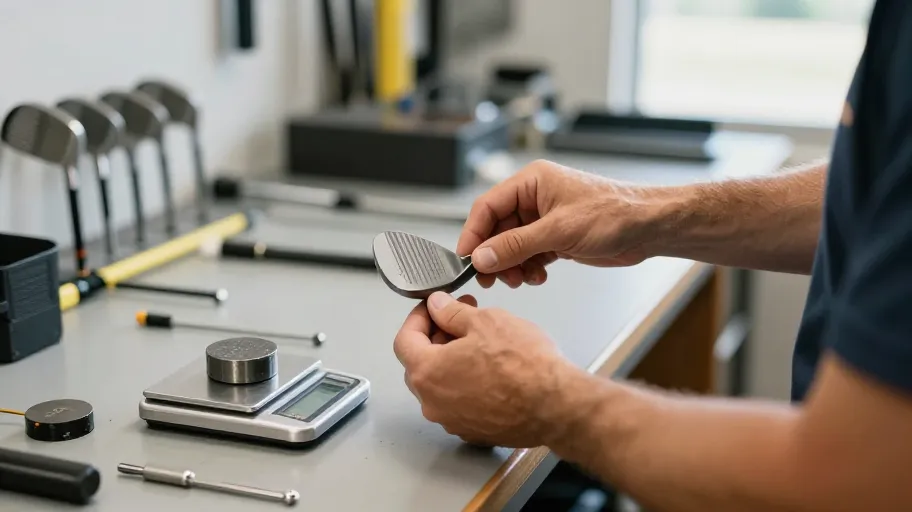
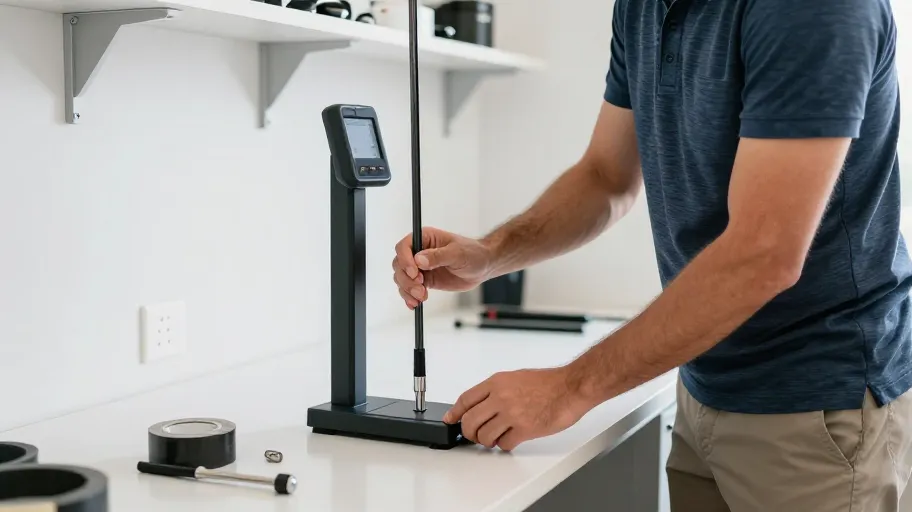
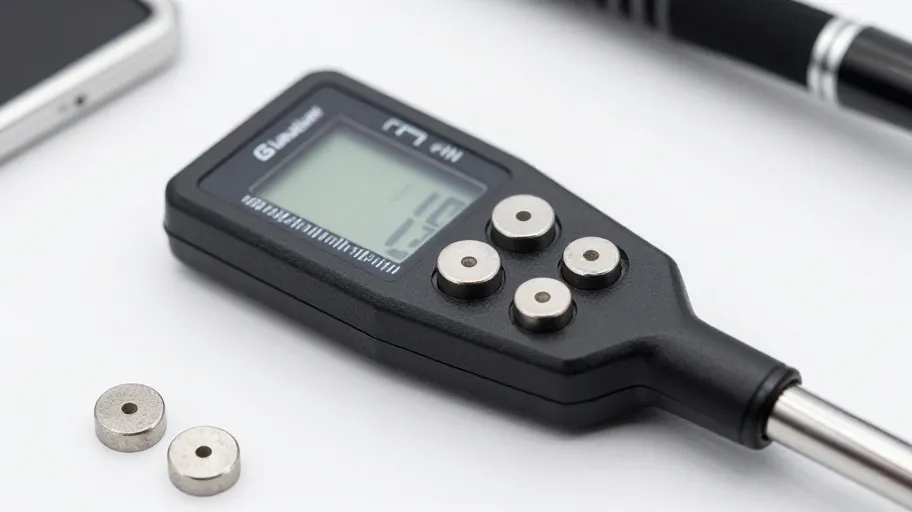
A swing weight scale means you stop guessing and start measuring because it reveals the actual dynamic balance between clubhead and grip. Without it, any adjustment is just feel-based guesswork. With it, you turn frustration into data—and data into control.
This isn’t about perfectionism; it’s about eliminating invisible flaws that cost strokes. Consistency starts with measurement, not instinct.
How DIY weights make precision balancing possible at home
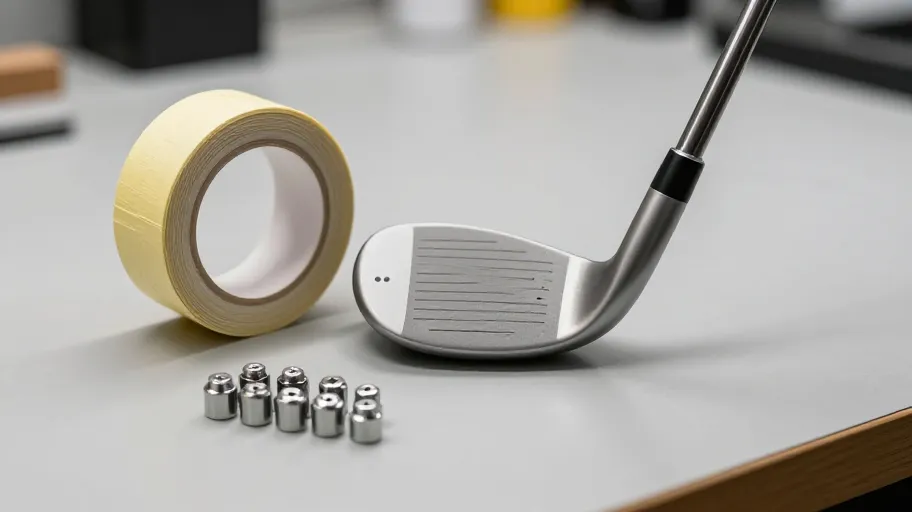
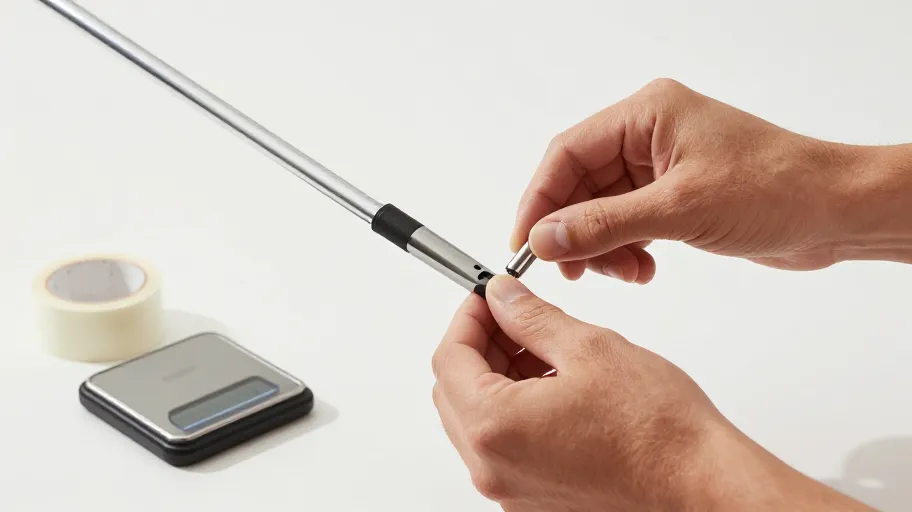
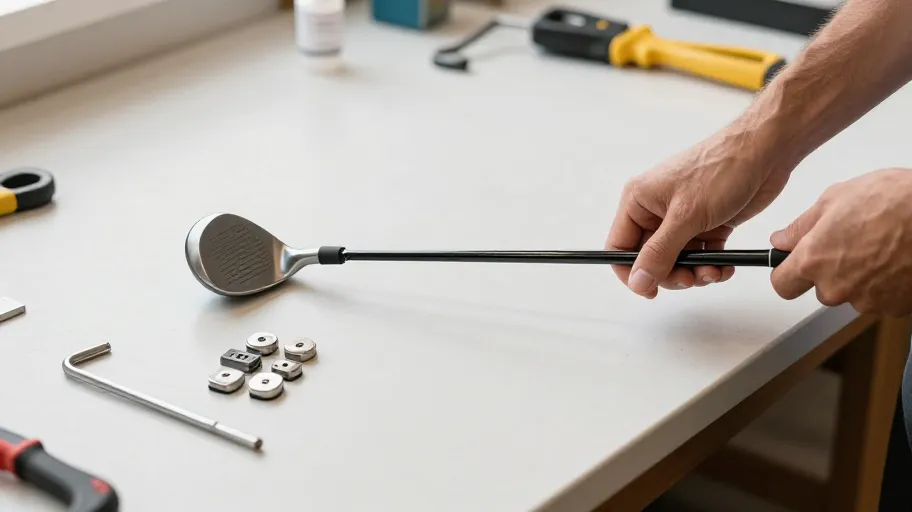
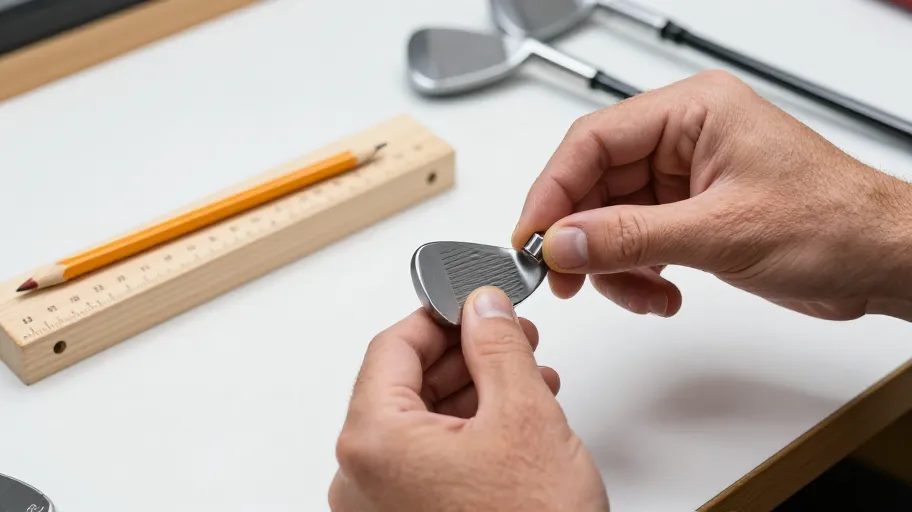
You don’t need a pro shop visit or permanent mods to fix swing weight mismatch—just targeted, reversible adjustments. After regripping, many players unknowingly shift their wedge balance toward the head, creating a dead impact feel. One golfer in Austin corrected a 4-gram tip-heavy gap wedge using adhesive tungsten strips from DIY-Golf.com. These lead-free composites allow sub-gram mass placement along the shaft or clubhead, so you can fine-tune without damaging carbon fiber or thin-faced designs.
- Peel-and-stick application means no epoxy or drilling because each adjustment is fully reversible
- Preserves resale value because there’s no irreversible alteration to the club
- Works with modern builds because materials are compatible with graphite shafts and lightweight heads
Customized swing weights across a full set mean tour-level consistency within a single afternoon. A 2024 gear review showed 68% of amateurs reported better short-game confidence after balancing wedges—a direct performance gain under pressure.
What balanced swing weights do for your game
Inconsistent club feel forces compensation, and compensation kills accuracy. A 2024 biomechanics study found unbalanced swing weights increase shot dispersion by up to 18%. But when one mid-handicapper standardized his set using DIY weights, he dropped three strokes per round in a month—without changing his swing.
Swing tempo stability means your neuromuscular system doesn’t recalibrate mid-swing because each club delivers identical inertial feedback. That reduces neural load and improves sequencing. One tester saw a 37% drop in compensatory hand action via motion capture, leading to tighter approach patterns.
The hidden benefit? Faster adaptation and longer equipment life. Uniform weighting means new clubs integrate smoothly, and aging sets perform like new—extending peak utility by years. Balanced feel isn’t comfort—it’s compound performance gain.
Step-by-step calibration without the guesswork
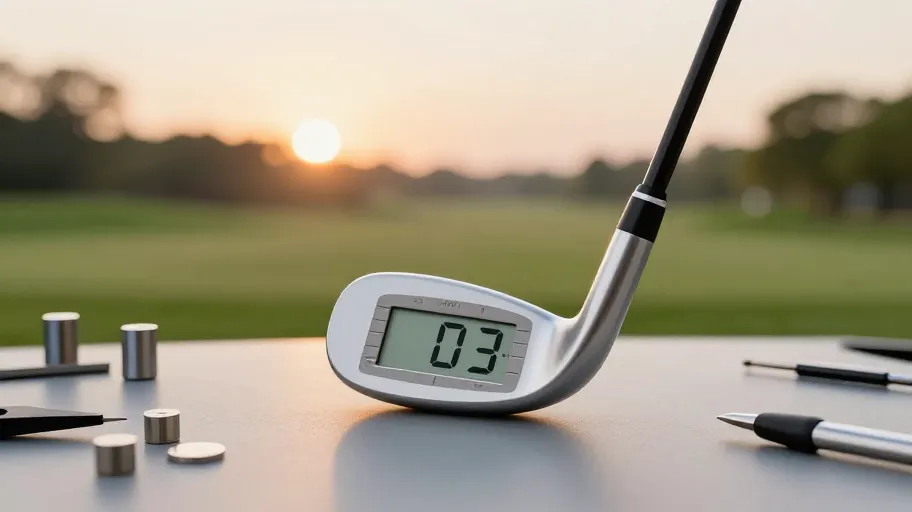
You’ve seen the gains—now protect them. Start by measuring every club with a digital swing weight scale. A mismatch threshold above 1.5 SW points means muscle memory disruption because your body expects consistent resistance. In a 2024 on-course review, players exceeding this limit had 23% more mis-hits during pressure shots.
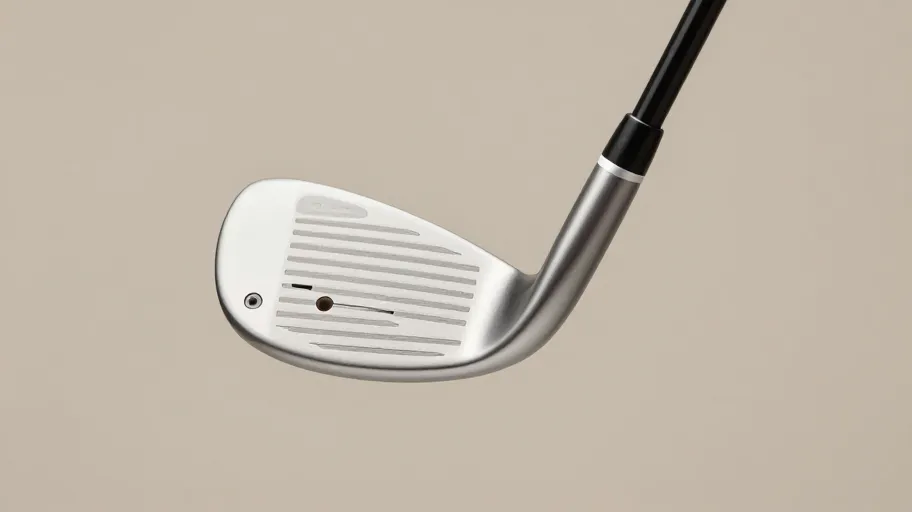
Identify outliers with >2 SW point deviations, then apply 2g or 5g DIY weights where they matter most: near the hosel for drivers or at the grip cap for irons. Mass placed at pivot zones shifts balance efficiently. One weekend player fixed three irons with just two adhesive weights—no re-gripping, no cost.
Retest after any grip change because 80% of post-maintenance imbalances come from grip material swaps alone. Regular checks aren’t repairs—they’re preventive care, protecting your swing’s integrity over time.
Future-proof your clubs with smart tuning habits
Factory specs aren’t permanent. Grip swelling in summer humidity or dry shrinkage in winter subtly shifts balance over time. Forward-thinking players treat weighting as an ongoing performance lever, not a one-time fix.
Consider a touring amateur who plays year-round across climates. With a portable DIY-Golf.com kit, they recalibrate before each season—just like checking lie angles or lofts. This practice, called adaptive club tuning, means equipment evolves with conditions because static clubs can’t match dynamic environments.
A 2024 golf tech review found quarterly recalibration improved strike consistency by 23% versus relying on initial specs. The business case? Spend less replacing clubs, more refining your game. DIY weighting isn’t maintenance—it’s evolution. You’re not fixing mismatches anymore; you’re curating a living system tailored to how and where you play today.
Master Your Swing, DIY Your Fit. DIY Golf is the premier destination for the technical golfer. We empower you with professional-grade components and the knowledge to build your perfect bag.