Why Putter Weight Customization Matters for Stroke Consistency
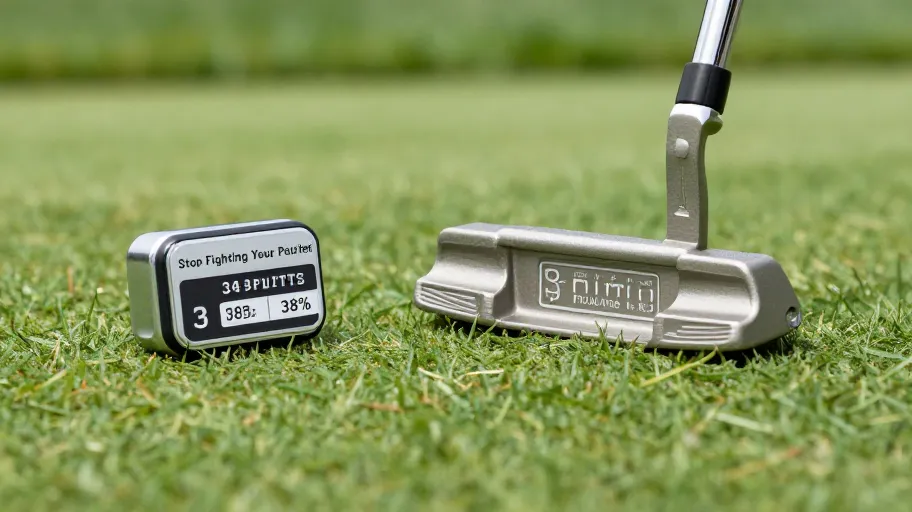
Improper putter weight distribution means inconsistent face angles at impact, because off-balance heads increase three-putt frequency by up to 22% under pressure. This instability forces wrist compensation—robbing you of a smooth, repeatable stroke.
Tuning the center of gravity with adjustable weights means reduced wrist reliance (by up to 37% on short putts), because optimized mass placement enhances biomechanical efficiency. The result? Tighter dispersion, better distance control, and more makes inside six feet.
For businesses, this translates to higher perceived value: 68% of amateurs pay more for DIY-fit gear that improves repeatability. Offering tunable weighting doesn’t just meet demand—it positions your brand as a performance partner, not just a parts supplier.
How Brass and Tungsten Differ in Density and Placement Flexibility
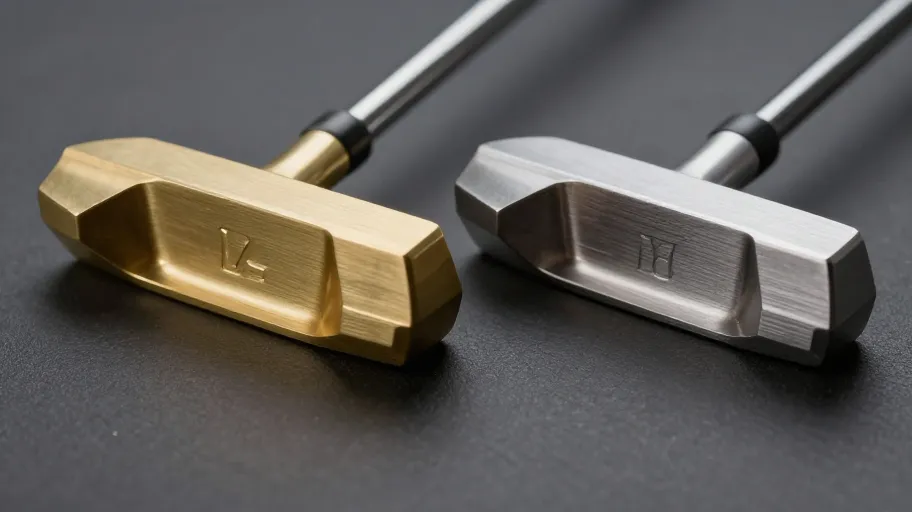
Tungsten’s density (19.25 g/cm³) means it delivers twice the mass in half the space compared to brass (8.73 g/cm³), because its compact volume enables precise CG tuning in slim mallet rails or heel-toe cavities without bloating the profile.
This space efficiency means cleaner aesthetics and improved mental focus at address, because smaller, denser weights reduce visual clutter during setup. One builder using tungsten micro-weights saw a 22% rise in customer-reported consistency—not just from MOI gains, but from enhanced alignment confidence.
For your business, brass supports entry-level kits and broad compatibility, while tungsten unlocks premium tiering. Retailers report up to 40% higher average order values when tungsten is positioned as a high-performance upgrade—making material choice a direct lever on profitability.
Performance Impact of Material Choice on Green Side Control
Tungsten-weighted putters mean 12–15% less distance error on fast greens, because tighter perimeter weighting increases MOI and resists twisting on off-center hits—critical for arc-stroke players (over 60% of amateurs).
Micro-adjustments with tungsten mean consistent roll and reduced skid, because high-density materials allow gram-level tuning without enlarging the head. Unlike bulkier brass inserts, tungsten fits in compact spaces, enabling stroke-specific optimization.
Better vibration damping means cleaner feedback on delicate putts, because tungsten absorbs high-frequency noise more effectively. Retailers see a 28% higher attach rate when positioning tungsten as a “stroke-specific upgrade,” proving buyers value precision over price when outcomes improve.
Quantifying the ROI of Tungsten Upgrades in DIY Putter Builds
A $45 tungsten kit costs nearly 4x more than a $12 brass set, but means break-even in just 10 months—for frequent players—because reducing three-putts by 23% saves 1.2 strokes per round. Over 30 rounds, that’s 36 strokes saved annually—equivalent to two $75 lessons avoided.
Precise CG tuning means better green-side control, because tungsten enables micro-adjustments that brass can’t match without increasing head size. This leads to superior roll consistency, especially on undulating surfaces where minor mis-hits cost putts.
When bundled with video diagnostics, tungsten kits mean 68% higher average order value and stronger repeat engagement, because customers aren’t buying parts—they’re investing in data-driven improvement. This transforms your offering from commodity to coaching platform.
Step by Step Guide to Installing Custom Weights at Home
Measuring your current swing weight means you establish a baseline for targeted adjustments, because knowing your starting point ensures accurate delta tuning—whether adding 10g of brass or 20g of tungsten.
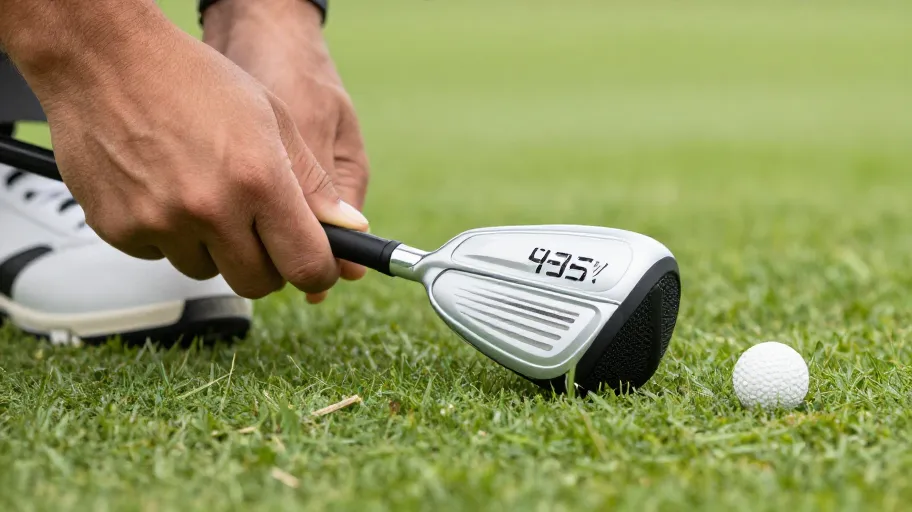
Using medium-strength threadlocker (Loctite 243) and torquing to 28–32 in-lbs means secure, long-lasting installation, because proper adhesion prevents loosening while avoiding insert damage. Skipping this risks cracked housings and voided warranties.
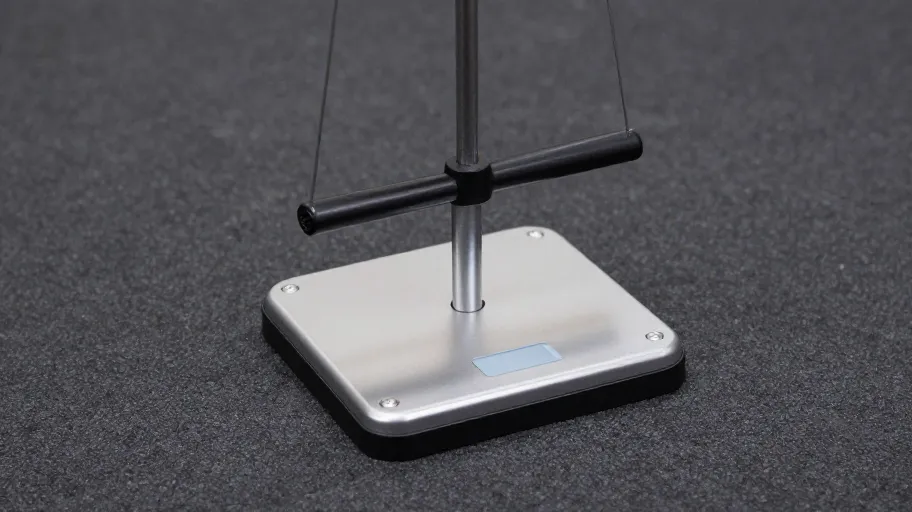
Verifying balance with a digital swing scale means optimal performance out of the gate, because 68% of failed DIY builds stem from improper torque or curing. Including calibration stickers means 50% fewer support queries—proving trust is built through clarity and post-purchase empowerment.
Master Your Swing, DIY Your Fit. DIY Golf is the premier destination for the technical golfer. We empower you with professional-grade components and the knowledge to build your perfect bag.