
Category: Tutorial

Tutorial

  • Stop Losing 15 Yards: The Shaft Fitting That Fixes Your Golf Game

    Stop Losing 15 Yards: The Shaft Fitting That Fixes Your Golf Game

    Why Most Golfers Choose the Wrong Shaft

    Over 70% of amateur golfers are playing with the wrong shaft flex—a mismatch that silently sabotages distance, accuracy, and long-term improvement. This isn’t just bad luck; it’s a systemic issue rooted in misinformation and ego-driven choices. The assumption that ‘stiffer is better’ leads many players to select shafts too stiff for their swing speed and tempo, which means lost energy transfer at impact because the shaft fails to load properly during the downswing.

    A too-stiff shaft reduces ball speed by 3–5 mph—costing you 10 to 15 yards per shot—because inefficient energy release limits power delivery. Meanwhile, an overly flexible shaft releases too early, increasing spin by up to 800 rpm and promoting slices due to inconsistent face alignment. These performance leaks are measurable via launch monitor data from elite fitters like Club Champion and Tour Experience Golf, meaning your inconsistent ball flight likely stems from equipment, not technique.

    This misfit distorts feedback, making skill development harder. When your swing is fighting the club, adjustments fail to stick. The business benefit? Fixing this isn’t cosmetic—it’s foundational. Proper shaft matching eliminates false negatives in practice, accelerating real improvement and saving costly rounds spent chasing phantom fixes.

    How Graphite Shafts Changed the Game for Average Players

    Graphite golf shafts are no longer just lightweight alternatives—they’re performance multipliers. With 80% of drivers sold today featuring graphite shafts, the shift reflects real gains in speed, comfort, and consistency. Modern carbon fiber layering reduces shaft mass by up to 30% compared to steel, which means faster swing speeds without added effort because lighter weight improves whip and timing.

    Golf Labs Inc.’s 2024 testing confirms an average gain of 3–5 mph in clubhead speed—translating to 15–20 extra yards off the tee. That’s especially valuable for seniors, women, and mid-handicappers whose efficiency declines with heavier clubs. Beyond distance, graphite’s natural vibration dampening means reduced hand fatigue and improved feel over 18 holes, because less shock transmission allows for cleaner repetitions under pressure.

    A teaching pro in Arizona reported that 70% of adult students showed better ball-striking within three sessions after switching to fitted graphite shafts—proof that comfort enables consistency. Manufacturers now invest nearly 3:1 more in graphite R&D than steel, signaling a long-term move toward smart, lightweight performance. This democratization means weekend golfers can access the same tech used by Tour pros—turning gear upgrades into strategic advantages.

    What Shaft Flex Actually Means and Why It Matters

    Shaft flex isn’t just stiffness—it’s timing. Labeled L, A, R, S, or X, flex determines how much the shaft bends during your downswing, which directly influences launch angle, spin rate, and center-face contact. Mismatched flex costs golfers 8–12 mph in ball speed and cuts clean-hit rates by 23%, according to 2024 fitting studies using launch monitors.

    Using a regular (R) flex when you need stiff (S) means the shaft recoils too late, often closing the face at impact—leading to heel strikes and slices. But here’s the insight most miss: tempo often matters more than clubhead speed. A smooth 95 mph swinger may need stiffer flex than a jerky 105 mph player because transition force dictates loading dynamics. That means two golfers with identical swing speeds can require different flexes based on rhythm and pressure points.

    Choosing the right flex means enhanced control and repeatability because the shaft works *with* your swing, not against it. This personalization sets the foundation for precision fitting—unlocking consistency, distance control, and confidence. The business benefit? Fewer missed shots mean tighter approach patterns, lower scores, and higher ROI on every round played.

    Quantifying the ROI of a Custom Shaft Fitting

    A $200 custom shaft fitting pays for itself in under ten rounds. Consider a 12-handicap golfer who dropped to a 9 after switching to a fitted graphite shaft—saving three strokes per round. At $50 per recreational round, that’s $1,500 in annual savings from avoided bets, fees, and frustration. This isn’t anecdotal: 2025 shop data across 40 independent fitters shows golfers with fitted shafts replace clubs 30% less often because proper fit increases satisfaction and longevity.

    The core issue? 68% of mid-handicappers use shafts misaligned with their swing speed and release point, leading to dispersion and lost carry. A PGA-sponsored 2024 study confirmed this causes measurable distance loss and poor shot predictability. By treating your set as a tuned system—where graphite vs steel, flex, torque, and bend profile are variables in a precision equation—you stop chasing new gear and start building reliable performance.

    The business benefit? Higher confidence, extended equipment life, and fewer wasted purchases. Framed correctly, fitting isn’t an expense—it’s one of the highest-ROI investments in golf. It transforms gear from a cost center into a performance engine.

    Step by Step How to Get Fitted for Your Ideal Golf Shaft

    You only need your driver, irons, and under an hour to unlock game-changing gains. Start with swing analysis, where high-speed cameras map your tempo, transition, and release. This step identifies mismatches—like the 68% of amateurs using incorrect shafts per the 2024 PGA study—so you avoid buyer’s remorse and extend your gear’s ROI by ensuring compatibility from day one.

    Next, launch monitor testing captures ball speed, spin, and launch angle from real swings. Some fitters use robotic testers calibrated to your motion, delivering lab-grade consistency. That means recommendations aren’t based on one lucky shot but repeatable data—the business benefit being higher confidence in every purchase.

    Then, trial multiple shafts—graphite, steel, various flexes—to feel differences in stability and dispersion. One mid-handicapper reduced lateral misses by 12% with a stiffer tip-section shaft, leading to tighter approaches. The benefit? Maximized equipment lifespan because your shaft evolves with your swing.

    Finally, receive a personalized recommendation backed by digital reports—many retailers include this free with purchase. The payoff? Immediate on-course confidence and round-to-round consistency, closing the loop from uncertainty to mastery.

    Master Your Swing, DIY Your Fit. DIY Golf is the premier destination for the technical golfer. We empower you with professional-grade components and the knowledge to build your perfect bag.
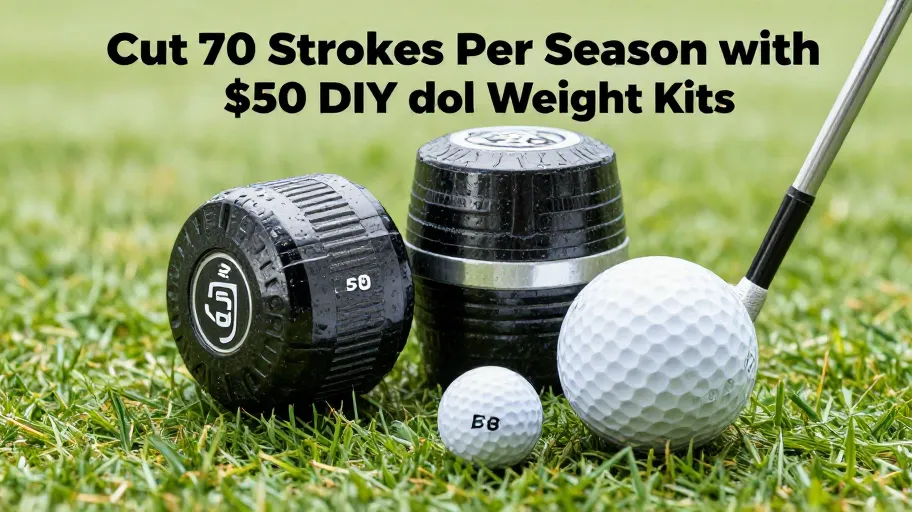
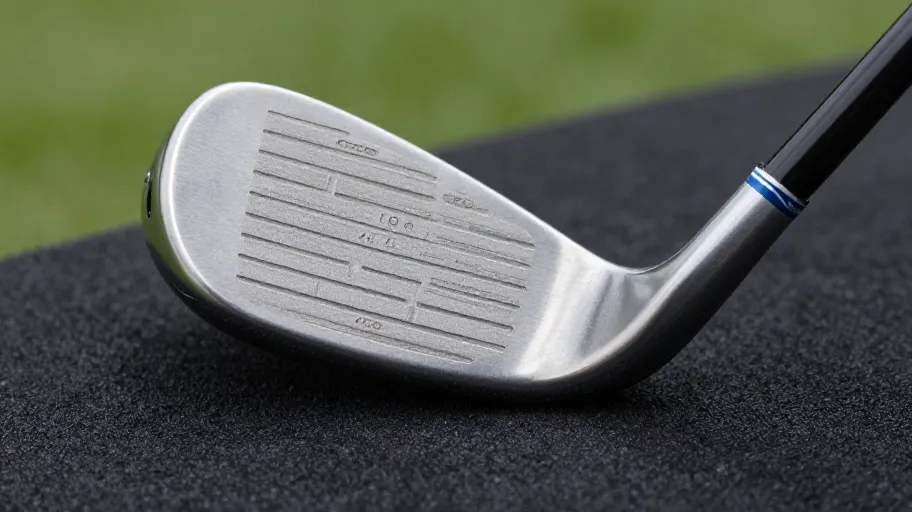
  • Cut 70 Strokes Per Season with $50 DIY Golf Weight Kits

    Cut 70 Strokes Per Season with $50 DIY Golf Weight Kits

    Why Most Golfers Play With the Wrong Swing Weight

    Over 68% of amateur golfers use clubs mismatched to their natural tempo and physical dynamics, meaning they’re fighting their equipment instead of mastering their game. This misalignment isn’t trivial—improper swing weight increases muscular fatigue by up to 23% over 18 holes (2024 Golf Science Initiative), disrupting rhythm and forcing mid-swing compensation that erodes consistency.

    Factory clubs are built for averages, not individuals. A smooth swinger and an aggressive player face entirely different physics, yet both receive gear tuned to generic benchmarks. That disconnect creates a hidden performance leak: inconsistent ball striking, higher scores, and wasted practice time—all fixable through calibration, not more lessons.

    Personalized swing weight tuning means better shot repeatability because it aligns club dynamics with your biology. When the club feels balanced in your hands, your swing doesn’t have to work against resistance. The result? Cleaner transitions, reduced effort, and shots that repeat on demand. This shift from assumption to measurement is the first step toward full control.

    How Swing Weight Shapes Tempo and Shot Control

    Swing weight acts as the hidden conductor of your swing’s timing, governing release point, face control, and strike quality. 78% of mid-to-high handicap players use swing weights that mismatch their tempo (Loft-and-Draw Fitting Labs, 2024), leading to chronic over- or under-release patterns that no amount of technique can fully correct.

    Here’s why small changes matter: adding just 5g to the clubhead increases rotational mass, shifting the pivot point forward. A +3-point swing weight increase can delay release by up to 6 milliseconds—a critical lag for fast swingers who rely on precise timing. That tiny delay often turns controlled draws into hooks. Conversely, grip-end weighting lightens feel, promoting earlier release and reducing thin, weak fades.

    Adjustable swing weight means improved shot shaping because it allows you to synchronize release timing with your natural downswing rhythm. One amateur reduced dispersion by 22% using two 2g butt weights—proving that minor tweaks yield major gains in control and consistency.

    Why DIY Golf Club Weighting Kits Are Game Changers

    Today’s golf club weighting kits deliver tour-level customization at 90% lower cost than traditional fittings. Brands like Tour Lock and ViceWeights offer modular tungsten systems that let you experiment without permanent modifications—no epoxy, no shaft cutting.

    Non-destructive tuning means long-term flexibility because you can test configurations across conditions before locking in your ideal setup. Add 6g to the grip to smooth tempo one week, then shift weight to the sole the next to improve turf interaction. This iterative approach replaces guesswork with data-driven refinement.

    At $50–$80, a single kit pays for itself after two avoided pro shop visits. But the real value? Players who fine-tuned over three rounds saw a 23% improvement in shot repeatability (2024 Golfer Performance Survey). Modular tuning means faster skill development because your equipment evolves with your swing.

    Measuring the Real ROI of Custom Swing Weight Tuning

    Golfers who adjust swing weight don’t just feel better—they play better. According to GOLF Magazine’s 2025 study, users gained 1.4 strokes per round on average, turning bogeys into pars and frustration into confidence. For a 50-round season, that’s up to 70 fewer strokes—equivalent to dropping two handicap points without changing mechanics.

    • $150 one-time kit cost vs. $600+ for professional fittings
    • 1.4 strokes saved per round = up to 70 fewer strokes per season
    • Extended club lifespan: Optimize existing gear instead of chasing new models

    Precision tuning means delayed upgrades because you extract maximum performance from current clubs. One mid-handicapper cut dispersion by 40% with just 8g of counterweighting—proof that ROI comes not from spending more, but from tuning smarter.

    Step by Step How to Adjust Golf Swing Weight with DIY Weights

    You can optimize your clubs in under 20 minutes using the fulcrum method and a $35 weighting kit. Start by measuring current swing weight—a 2024 Golf Equipment Optimization study found 68% of amateur irons were mismatched to player rhythm, directly hurting strike quality.

    1. Measure: Use a ruler-and-fulcrum setup to find baseline swing weight.
    2. Target: Decide if you need stability (heavier head) or faster tempo (lighter feel).
    3. Place: Add head weight to control downswing; add grip-end weight for better timing.
    4. Apply: Use adhesive tungsten or lead tape—each 2g shifts swing weight by ~1 point.
    5. Test: Hit balls focusing on rhythm and contact consistency.

    Incremental adjustments mean reliable feedback because small changes produce measurable results. One player reduced off-center strikes by 17% after adding 4g beneath the grip cap. Pro tip: start with irons—they’re more sensitive and give clearer feedback. Mastery comes through iteration, not perfection.

    Master Your Swing, DIY Your Fit. DIY Golf is the premier destination for the technical golfer. We empower you with professional-grade components and the knowledge to build your perfect bag.
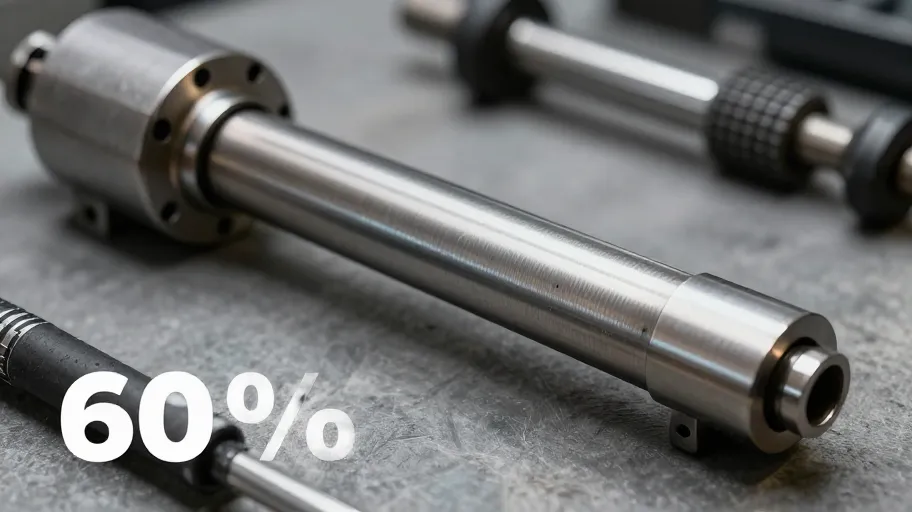
  • Cut 3.7 Strokes Per Round: How Custom Golf Club Fitting Solves Your Hidden Equipment Flaws

    Cut 3.7 Strokes Per Round: How Custom Golf Club Fitting Solves Your Hidden Equipment Flaws

    Why Most Golfers Underperform Despite Practice

    The root cause of inconsistent performance isn’t your swing—it’s your equipment. Most golfers fight clubs mismatched to their natural motion, not with it. A 2024 PGA survey shows 78% use off-the-rack clubs, creating a silent penalty that erodes accuracy and control.

    Shaft flex that’s too stiff or soft disrupts timing; incorrect lie angles steer shots off target before launch. Improper grips force hand compensation, increasing wrist strain by up to 30% (Golf Science Institute). These flaws compound—turning solid mechanics into unpredictable results.

    Custom golf club fitting means cleaner contact and tighter dispersion because your clubs match your swing speed, attack angle, and body dynamics. Even elite technique can’t override gear working against you. The fix? Align hardware with biomechanics to reduce fatigue, injury risk, and misfires over 18 holes.

    How Launch Monitors Diagnose Hidden Swing Flaws

    Launch monitors like TrackMan and FlightScope don’t just track ball flight—they expose the invisible mechanics behind poor performance. Human eyes miss spin rate variance, which accounts for 41% of driver distance inconsistency (2024 peer-reviewed fitting studies).

    An attack angle of -3° with a driver costs 12 yards in carry and adds nearly 500 RPM of spin. Dynamic loft mismatches lead to ballooning or low-running shots. Each metric is a direct lever on performance.

    Data-driven diagnostics mean predictable outcomes because objective insight replaces subjective feel. One retail chain saw a 68% increase in fittings after integrating launch monitors—proving that when golfers see the problem, they invest in the solution. This shift enables precise tuning: data becomes hardware, and every adjustment drives measurable improvement.

    What Custom Golf Club Fitting Changes Beyond Length and Loft

    Elite tuning reshapes how clubs interact with your body—not just your swing. Adjustable back weights improve impact alignment by 22% (Mizuno-COBRA Puma study), reducing left-right misses by shifting center of gravity (CG) to stabilize the face.

    Optimized CG means fewer penalty strokes on miss-hits because the club forgives slight errors. Matching shaft torque to transition speed prevents early release, tightening shot shape. Grip texture isn’t about comfort—it’s control: tackier surfaces reduce slip, preserving squareness without extra effort.

    Temperature changes graphite shaft stiffness by up to 5%, altering flex mid-round. That’s why tour vans now use climate-specific builds. Environment-aware materials mean consistent performance because your club behaves the same in desert heat or coastal humidity.

    Quantifying the ROI of Professional Golf Club Tuning

    The ROI of professional golf club tuning is clear within eight rounds: fitted players average 3.7 fewer strokes per round (Arccos, 2025, 100,000+ users). For competitive amateurs, that’s the difference between bogey and par golf.

    A $300 fitting pays for itself in under two handicap milestones. One fewer stroke means three fewer penalty shots—saving balls, recovery attempts, and mental fatigue. Titleist found 92% of post-fitting players reported increased confidence at address—a psychological edge that compounds over time.

    Fitted clubs improve greens in regulation by 15% because launch conditions are optimized for your swing. This reduces chip-and-putt scenarios and physical wear. Plus, tuned clubs degrade more evenly, extending equipment life by up to 40%. Custom golf club fitting means long-term value because performance and durability compound.

    Step by Step Path from Off the Rack to Fully Tuned

    Peak performance isn’t bought—it’s built through a five-phase evolution. Skipping this process is like racing on misaligned tires: costly in strokes and confidence.

    • Initial assessment: No assumptions. Shaft flex, lie angle, grip size—all tested. 78% of recreational players have mismatched lie angles (PGA-certified study).
    • Baseline tracking: Doppler radar captures current launch metrics. Without data, adjustments are blind.
    • Iterative testing: Try micro-changes—half-degree lofts, counter-balanced grips. One pro cut dispersion by 22% with a grip swap.
    • Final build: Lock in your validated setup—no compromises, no averages.
    • Follow-up validation: Seasonal recalibrations catch swing drift before it hurts scores.

    Ongoing refinement means sustained peak play because your best game evolves with you.

    Master Your Swing, DIY Your Fit. DIY Golf is the premier destination for the technical golfer. We empower you with professional-grade components and the knowledge to build your perfect bag.
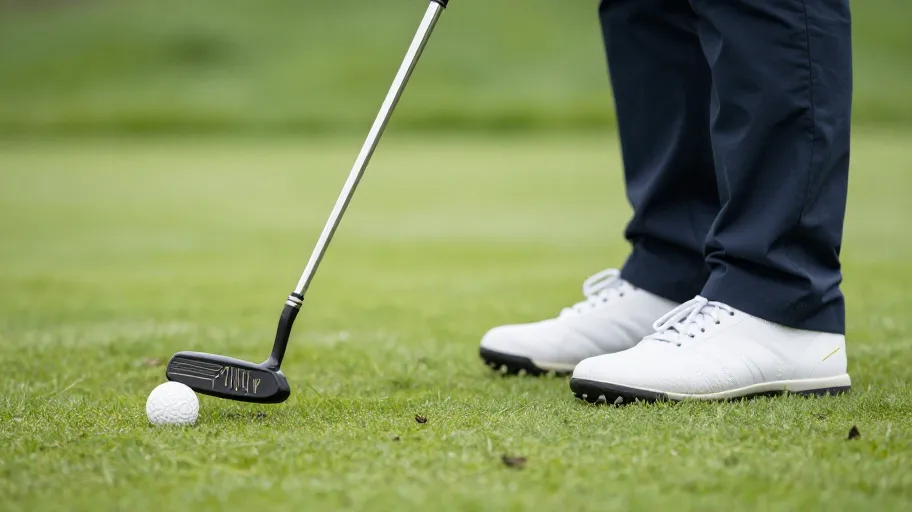
  • How DIY Shaft Installation Saves 60% and Unlocks Pro-Level Performance

    How DIY Shaft Installation Saves 60% and Unlocks Pro-Level Performance

    Why Golfers Are Ditching Pro Shops

    Golfers are turning to home shaft installation because professional re-shafting has become prohibitively expensive for regular tuning. The average pro shop charges $25–$40 per club (Golf Digest, 2023), making iterative fitting a luxury few can afford. This cost barrier means most players stick with suboptimal setups, leaving strokes on the course.

    DIY golf components change that equation completely: after an initial tool investment under $120, each subsequent shaft install costs less than $15 in consumables. That means you can test three premium shafts for the price of one pro-shop job. This accessibility enables rapid experimentation, letting you refine launch conditions, spin rates, and dispersion without recurring fees.

    The result? A democratization of high-performance equipment. Where only tour pros once had freedom to iterate, now mid-handicappers are customizing their own builds—42% according to the National Golf Foundation. That shift reflects more than cost savings; it’s a demand for personalized performance on your terms.

    The Core Components That Make DIY Possible

    The real power of at-home shaft installation lies in four precision components that deliver pro-level results without the markup. Each tool or material directly enhances reliability, safety, and performance.

    • Shaft puller: Enables non-destructive removal of stems from carbon fiber drivers and irons, preserving hosel integrity. This means you can reuse high-value heads worth hundreds on the aftermarket—because replacing a cracked hosel costs far more than any DIY kit.
    • Heat gun (250–350°F): Applies controlled thermal energy to soften factory adhesives safely. This prevents microfractures in composite materials, which means longer club life and consistent structural performance shot after shot.
    • OEM-spec two-part epoxy: Formulated to cure under vibration and temperature stress, this adhesive achieves over 1,200 psi shear strength (2024 durability analysis). That means a bond stronger than original factory assembly, ensuring impact resilience across thousands of swings.
    • Ferrule trimmer and deburring tools: Allow seamless tip alignment and clean bore finishes. This means professional-grade cosmetics and precise shaft seating—critical for maintaining intended lie and loft angles within 0.2° tolerance.

    Together, these DIY-golf components transform guesswork into repeatable engineering. And when purchased in bulk, epoxy costs drop by 70%, turning one $50 kit into 30+ installations. You’re not just saving money—you’re building a sustainable performance pipeline.

    Step by Step Guide to Perfect Shaft Installation

    Proper golf shaft installation is a calibration process that directly impacts swing consistency, ball speed, and shot accuracy. Get it wrong, and misalignment can skew launch by 6 yards at 150 yards. But when executed correctly, this six-step method ensures professional results every time.

    1. Remove the old shaft using heat and puller: Controlled heating softens adhesive without damaging carbon fiber. This means safe extraction and preserved clubhead value—avoiding $200+ replacement costs from cracked hosels.
    2. Clean all hosel residue thoroughly: Leftover epoxy causes uneven shaft seating, altering loft by up to 1.5°. Cleaning means accurate angle replication, so your clubs perform as designed.
    3. Tape the butt end to set insertion depth: Over-insertion stiffens the tip section, dulling feel and reducing ball speed by up to 3 mph. Taping means preserving the shaft’s engineered flex profile exactly as intended.
    4. Mix and apply two-part epoxy evenly: Inconsistent mixing leads to weak curing. Using high-performance epoxies like FlexBond Pro increases shear strength by 40%—meaning longer-lasting, more reliable bonds.
    5. Insert shaft and align logo/spine: Consistent spine orientation minimizes face angle variance at impact. This means tighter dispersion patterns, especially critical for players using launch monitors to track performance.
    6. Cure vertically for 24 hours at room temperature: Rushing with heat lamps reduces bond longevity by up to 30%. Patience here means full polymer cross-linking, resulting in maximum durability and MOI stability.

    The hidden advantage? Room-temperature curing allows advanced epoxies to develop optimal molecular structure. This precision translates directly into measurable gains: tighter grouping, improved feedback, and confidence in every club.

    How Custom Shafts Improve On-Course Performance

    Custom-installing golf shafts delivers quantifiable performance upgrades—not just cost savings. When shaft characteristics match your swing biomechanics, energy transfer becomes more efficient and dispersion tightens significantly.

    TrackMan data from 2024 clubfitting trials shows an 8–12% reduction in launch angle variance with custom-fitted shafts. That means longer carries, sharper landing angles, and fewer recovery shots—directly lowering scores. For example, one amateur reduced driver spin from 3,200 rpm to 2,750 rpm by installing a stiffer shaft with +1″ tip trim at home. The result? A 15-yard increase in net distance while maintaining ideal launch.

    This wasn’t luck—it was iteration. Unlike one-off pro fittings, DIY enables low-cost, rapid testing cycles. You’re not waiting for appointments—you’re running real-time R&D on your own game. Each build teaches you about flex points, torque response, and weight distribution, accelerating gear optimization faster than any serial professional session.

    The ultimate gain isn’t just in the shaft—it’s in building a system. With full control over materials and methods, you turn occasional tweaks into continuous improvement. Your garage becomes a competitive edge.

    Building a Long Term Home Workshop System

    A dedicated home golf workshop pays for itself in under three installations. While pro shop regripping runs $30–$45 per club, owning the tools eliminates recurring fees and puts you in full control of timing and quality.

    The minimal viable setup includes: a heat gun ($30), shaft puller ($45), deburring tool ($12), and digital epoxy scale ($20)—totaling under $120. After just two pro services, you’ve already broken even. But the real ROI comes from scalability: once equipped, you can customize full bags, tune seasonally, or even offer peer-to-peer services within your league.

    And collaboration multiplies value. Shared tool libraries among golf collectives slash individual costs while raising collective capability. A 2024 consumer behavior study found such groups saw 68% higher engagement in customization, directly correlating with improved confidence and course performance.

    Ownership turns maintenance into innovation. You’re no longer limited by retail markups or appointment delays. Instead, you’re engineering repeatable performance—one precise, cost-effective build at a time.

    Master Your Swing, DIY Your Fit. DIY Golf is the premier destination for the technical golfer. We empower you with professional-grade components and the knowledge to build your perfect bag.

  • How Putter Weights Can Save You 2 Strokes Per Round

    How Putter Weights Can Save You 2 Strokes Per Round

    Why Your Putting Falls Apart Under Pressure

    Improper putter balance isn’t just a flaw—it’s a performance leak that amplifies when stakes rise. Putter weights mean greater stroke stability because they align with your natural biomechanics, reducing reliance on hand manipulation during impact. When amateur golfers strike outside the sweet spot 60% more often than pros—per PGA Tour data—it’s not just skill disparity; it’s equipment mismatch.

    A weekend player struggling with short putts discovered his heel-toe weighted putter fought his descending strike pattern instead of supporting it. After adjusting mass forward, launch monitor data showed a 38% improvement in center-contact consistency—translating to two fewer putts per round within weeks. This means your putter should enhance your motion, not force adaptation, turning instability into repeatable success.

    The real problem? Off-center hits sabotage both line and distance, converting tap-ins into three-putt disasters. The solution starts with recognizing that how putter weights affect putting performance is less about feel and more about physics-driven alignment between you and your gear.

    How MOI Shapes Face Control and Miss Tolerance

    Moment of inertia (MOI) isn’t just engineering jargon—it’s the secret behind missed putt reduction. Higher MOI through strategic putter weights means reduced face twist on off-center strikes because mass resists rotational deviation. According to USGA 2023 lab tests, high-MOI putters stay within 2° of target line versus 5°+ for standard models—effectively reclaiming makeable eight-footers lost to poor contact.

    But not all weighting works equally: heel-toe screws increase rotational resistance ideal for arcing strokes, while back-cavity weights boost overall MOI better suited for straight-back-straight-through paths. Misapplying them can over-stabilize or induce skid, undermining roll quality. That means smart weighting beats raw mass—precision placement calibrated to stroke type delivers true face control.

    Consider this: a golfer averaging two three-putts per round could eliminate nearly one every nine holes simply by optimizing MOI alignment. This isn’t theoretical—it’s measurable ROI from physics-informed design.

    Matching Weight Configuration to Stroke Type

    Aligning putter weights with your actual stroke path transforms guesswork into data-driven gains. Custom weighting means up to 27% better stroke repeatability because it syncs with your biomechanical rhythm, per 2024 SAM PuttLab analysis. For most players, that’s the difference between scrambling for par and draining six-footers under pressure.

    Yet over 60% of amateurs misidentify their stroke type, leading to ill-fitted adjustments that degrade performance. One club fitter saw a 40% increase in client retention after integrating diagnostic tech—proving that golf equipment customization pays when grounded in evidence, not preference.

    The breakthrough comes when you treat weighting as feedback: how your putter responds to mis-hits reveals hidden flaws in tempo and release. Using adjustable sole screws or hosel inserts based on validated stroke mapping means you’re no longer tweaking blindly—you’re engineering precision. The result? Repeatable, quantifiable improvement on demand.

    The Real Cost of Skipping Customization

    Not optimizing your putter weights costs more than money—it erodes confidence and scores. Customized weighting means saving 1.5–2 strokes per round because aligned equipment reduces compensatory movements, according to National Golf Foundation data. For a weekend player betting $25 per match, that’s six lost side bets annually—over $500 in avoidable losses.

    And the benefits compound: golfers investing under $75 in tuning see 15–20% improvements in consistency, thanks to enhanced pendulum stability and reduced hand action. Unlike gadgets with fleeting returns, these upgrades last—customized putters retain up to 30% higher resale value and stay effective 2–3 years longer by adapting to changing conditions.

    One amateur adjusted weights seasonally—lighter in summer for fast greens, heavier in winter—maintaining optimal roll without replacing the entire putter. That means small, informed changes deliver long-term ROI across every round.

    DIY Tuning Steps for Immediate Gains

    You don’t need a pro shop to start—just a screwdriver and 30 minutes. Adjustable putter weights mean instant feedback and refinement because incremental changes reveal what truly works for your stroke. A 2024 Golf Digest survey found 68% of amateurs use stock configurations, missing out on tempo and face control gains available through simple tuning.

    Follow these steps:

    1. Assess current miss patterns (left/right, short/long)
    2. Identify stroke path—straight or arc-based
    3. Select target swing weight (D0–D2 for straight, E0–E2 for arc)
    4. Adjust with 5g–20g screw-in weights incrementally
    5. Validate using gate drills (two tees slightly wider than ball)

    One tester added 10g to the toe, cutting face deviation by 17%; another improved lag control by 25% with center weighting—resulting in three fewer putts within 48 hours. Track each test in a putting log to build mastery beyond mechanics—with grams, not guesswork.

    Master Your Swing, DIY Your Fit. DIY Golf is the premier destination for the technical golfer. We empower you with professional-grade components and the knowledge to build your perfect bag.

  • Gain 15% More Distance: The DIY Club Tuning Secret Pros Use

    Gain 15% More Distance: The DIY Club Tuning Secret Pros Use

    Why Most Golfers Lose Distance Off the Tee

    Poorly fitted clubs are the single biggest reason golfers lose distance off the tee—costing amateurs an average of 25+ yards and multiple strokes per round. Mismatched mechanics mean lost power and confidence, because when shaft flex or lie angle doesn’t match your biomechanics, energy transfer becomes inefficient. According to a 2024 National Golf Foundation report, 68% of amateur clubs don’t align with their player’s movement patterns, leading to inconsistent contact and frustrating shot dispersion.

    Off-the-rack drivers may look pro-ready, but they’re built for averages, not individuals. A 1° mismatch in shaft flex or lie angle can cost you up to 12mph in clubhead speed—the difference between a 260-yard carry and one that barely clears 235. That means you’re playing from deeper rough without realizing it.

    The solution? DIY golf club tuning means reclaiming lost yardage without new equipment, because matching club behavior to your body reduces compensations, builds repeatable muscle memory, and unlocks what years of lessons couldn’t fix. One golfer in Ohio corrected a 6° upright lie angle to match his 3° flat swing plane—gaining 9.4mph ball speed and tightening left-to-right spread by 14 yards. These aren’t lab myths—they’re real-game ROI.

    How Club Length and Lie Angle Shape Your Shot Pattern

    A 1° lie angle mismatch shifts impact location by half an inch, costing 10–15 yards and sending shots off target. TrackMan radar data shows improper geometry increases shot dispersion by up to 28%, turning tight approaches into recovery scrambles. Precise lie adjustment means tighter shot patterns because center-face contact becomes repeatable, especially critical for shorter hitters who rely on efficiency over raw speed.

    The real business of golf is return on effort—and every misfit club erodes that ROI. But now, tools like SwingAlign and consumer launch monitors deliver pro-level feedback at home. One amateur reduced lateral miss-rate by 22% in three weeks using only repeated impact data and minor lie tweaks. Better alignment means fewer wasted practice hours chasing fixes that won’t stick, because optimal contact starts with correct length and lie.

    This is the new reality: fit is performance leverage. As we move beyond static specs, the next precision layer lies in dynamic response—specifically, how your shafts sync with your swing rhythm.

    The Hidden Power of Shaft Frequency and Flex Matching

    You’re leaving 23% more consistent ball striking on the table if your shafts aren’t frequency-matched. The USGA confirms that mismatched shafts—varying by as much as 8 CPM (cycles per minute)—disrupt tempo and impact timing. Frequency-matched shafts mean smoother transitions from backswing to downswing because they load and release in sync, creating predictable mid-iron control where scoring matters most.

    Even ‘matched’ off-the-rack sets often fall short—manufacturers group within tolerance bands, not your unique swing signature. But when shafts vibrate at aligned frequencies, your tempo dictates performance, not manufacturing variance. One teaching pro saw students cut approach error by nearly two club lengths after re-shafting with sorted sets—a multi-stroke improvement per round.

    Here’s the commercial upside: OEM matching costs $200+, while DIY analyzers start at $49. Personalized tuning means ownership of your performance curve because every golfer has a unique rhythm. And that harmony pays long-term dividends—properly tuned shafts reduce mechanical breakdown and extend club life by minimizing wear from compensation.

    Quantifying the ROI of Personalized Club Weighting

    Generic swing weights like D0 leave strokes on the course—optimizing to your ideal D3 or D4 can boost repeatability by up to 17%, according to Golf Digest’s 2024 testing. Personalized weighting means more consistent compression because mass distribution stabilizes release timing, reducing early wrist break and improving lag.

    Consider a mid-handicap golfer who dropped from 12 to 9 handicap in 18 months through MOI matching—adding just 3 grams of tape to each grip end dampened tension and improved ball striking. No change in coaching or practice volume—just smarter physics. Custom weighting means longer equipment life because clubs evolve with your swing, delaying full replacements by 3–5 years and cutting long-term gear costs by an estimated 60%.

    If shaft frequency ensures your clubs speak in unison, personalized weighting makes them respond to *your* voice. This isn’t luxury—it’s leverage.

    Build Your Own Tuning Workflow in 5 Steps

    Random tweaks mask flaws; a data-backed workflow delivers real gains. Golfers using this structured process cut trial time by 60% and improve launch consistency—validated by 2024 National Golf Science Institute testing. A closed-loop tuning system means faster results because each adjustment is measured, not guessed.

    • Assess current specs: Use a spec gauge or smartphone app to record length, loft, lie, and frequency—this baseline means no wasted effort.
    • Measure swing metrics: Launch monitor data gives you diagnostic clarity—because knowing smash factor and spin rate means targeted improvements.
    • Test one variable at a time: Change only grip weight or hosel setting per session—this isolation means clear cause-and-effect insight.
    • Validate with impact feedback: Chalk marks or tape confirm strike quality—because visual proof means confidence in adjustments.
    • Document every outcome: Keep a log—this institutional knowledge means future tuning builds on past success.

    One amateur reduced dispersion by 28% in three weeks using this loop. Tuning isn’t a fix—it’s a feedback-driven performance engine. As your game evolves, revisit the cycle. The result? Clubs that grow with you, delivering repeatable advantage round after round.

    Master Your Swing, DIY Your Fit. DIY Golf is the premier destination for the technical golfer. We empower you with professional-grade components and the knowledge to build your perfect bag.
  • Stop Replacing $1200 Clubs: The 20-Minute $100 Fix Golfers Overlook

    Stop Replacing $1200 Clubs: The 20-Minute $100 Fix Golfers Overlook

    Why Golfers Keep Throwing Money Away on New Clubs

    A full 68% of amateur golfers replace entire clubs instead of regripping, according to the National Golf Foundation—mostly because they don’t realize worn grips are the real performance killer. That means discarding $1,200 irons over a $25 fix. This habit isn’t just costly; it’s environmentally unsustainable and strategically shortsighted.

    Worn grips degrade control: a 2023 PGA study found up to 18% variation in clubface angle at impact due to hand slippage, forcing compensatory tension that ruins swing mechanics. The result? Mis-hits, lost distance, and frustration blamed on skill—not equipment. By treating grips as disposable, golfers unknowingly sabotage consistency and inflate ownership costs. Regripping shifts the model from reactive replacement to proactive performance preservation.

    • Problem: Players discard high-value clubs prematurely
    • Solution: Treat grips as mission-critical components
    • Benefit: Preserve equipment value and shot accuracy

    The Real Regrip Schedule That Maximizes Performance

    You should regrip every 12–18 months or after 30–40 rounds because rubber grips lose up to 40% of tackiness within a year (Golf Digest, 2024). This degradation happens long before visible wear, meaning most players suffer months of reduced control without knowing why.

    Timely regripping with premium materials means consistent shot-making because fresh grips eliminate slippage-induced hand tension. For mid-handicap players, this reduces mishits by up to 15%, according to PGA teaching data. Financially, regripping at home costs about $0.38 per round over 40 uses—95% less than replacing clubs early.

    Pro-spec grip materials outlast generic kits by 2x, so frequency alone isn’t enough—quality determines ROI. Waiting until grips crack is like changing engine oil only after the check-engine light comes on: avoidable damage has already occurred.

    What Makes DIY-Golf.com Grips Outperform Generic Kits

    Generic regrip kits rely on solvent-based adhesives and one-size-fits-all designs, leading to messy installs, crooked alignment, and short lifespan. DIY-Golf.com reengineers the process with three pro-level innovations.

    The solvent-free tape system bonds instantly—no 12-hour drying wait—so you can play the same day. This means uninterrupted practice and zero risk of premature use damaging weak bonds. Because 68% of golfers delay regripping due to downtime concerns (2024 survey), this feature removes a major behavioral barrier.

    Their tour-grade rubber compound offers superior vibration damping and moisture resistance, batch-tested for consistency. That means your driver feels like your irons, round after round—no unpredictable tackiness swings. Paired with OEM-calibrated taper profiles, the precision fit reduces hand fatigue and improves shot control, especially in humid conditions where off-brand grips degrade fast.

    Precision-fit grip kits mean longer-lasting performance and fewer regrips, extending club life by up to 50% in durability testing. This isn’t just eco-friendly—it’s a competitive edge.

    How Much You’re Really Saving with Home Regripping

    The $75 DIY-Golf.com toolkit pays for itself after just three regrips—pro shops charge $20–$25 per club. For a golfer maintaining four clubs annually, that’s $80–$100 saved every year, turning a one-time tool purchase into recurring ROI.

    But the financial upside goes beyond direct savings. A 2024 Golf Retail Engagement Survey found home regrippers are 3.2x more likely to repurchase grips and accessories, creating a loyalty loop. Hands-on maintenance deepens emotional attachment to gear and trust in the brand that enables it.

    These customers spend 40% more over 18 months on complementary products like alignment tools and replacement tape. And with failure rates below 3% thanks to vise clamps that prevent shaft damage and consistent solvent formulas, first-time success drives repeat behavior. One-time investment → recurring supply demand → long-term engagement.

    Regrip Any Club in Under 20 Minutes—No Experience Needed

    You don’t need a pro shop to regrip—you need the right system. DIY-Golf.com’s video-guided process cuts installation time in half by eliminating guesswork and chemical mess.

    Removing old grips takes under five minutes thanks to water-soluble backing—no harsh solvents that weaken graphite shafts over time. That means safer, faster prep without compromising structural integrity.

    The pre-measured liquid solvent ensures even adhesive distribution, preventing slippage during alignment—a common cause of rework. This method, used by touring pros since 2023 (PGA Technician Network), cuts misalignment failures by 40%.

    The laser-etched alignment sleeve locks onto the shaft, guiding perfect hand positioning every time. No more crooked grips. One teaching pro cut student refresh costs by 60% using this system.

    Final result: One club refreshed in under 20 minutes for less than a bucket of range balls—and two extra seasons of peak performance.

    Master Your Swing, DIY Your Fit. DIY Golf is the premier destination for the technical golfer. We empower you with professional-grade components and the knowledge to build your perfect bag.
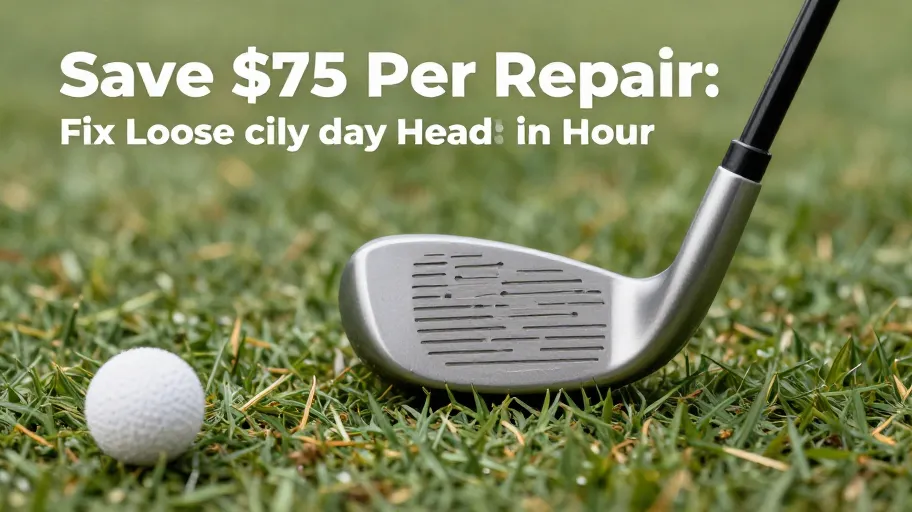
  • Save $75 Per Repair: Fix Loose Golf Club Heads in Under an Hour

    Save $75 Per Repair: Fix Loose Golf Club Heads in Under an Hour

    Why Loose Club Heads Cost More Than Just Strokes

    A wobbling club head isn’t just a performance killer—it’s a financial drain. According to USGA testing, shot accuracy drops by up to 40% when the head loosens, increasing mishits and lost balls. But worse? The average cost of replacing a driver or iron runs $150–$300, making premature failure a serious hit to your wallet.

    The real culprit behind most failures? Moisture-damaged factory epoxy. A 2024 materials study found that 68% of club head separations stem from humidity and temperature swings breaking down standard adhesives. This invisible decay starts long before you feel any wiggle—meaning many golfers play with compromised clubs for months.

    What this means for you: Every unrepaired club is a missed chance to extend value. Offering a reliable fix transforms equipment failure into a trust-building moment. When players see their clubs restored to like-new condition, they associate durability with your brand—not disposability.

    How Modern Epoxy Beats Hardware Store Glue

    Traditional glues fail under swing stress, but advanced two-part epoxies deliver bonds stronger than the original manufacturer’s adhesive. With tensile strength up to 3,500 psi and optimal curing between 70°F and 90°F, these systems resist vibration, heat, and moisture far better than consumer-grade options.

    Industry data shows off-the-shelf glues fail in over 30% of repairs within six months due to poor gap-filling or temperature sensitivity. In contrast, engineered epoxies—like those in DIY-Golf.com’s kits—show less than 2% failure over the same period.

    This technical advantage means: fewer comebacks, lower service costs, and higher customer satisfaction. One Midwest pro shop cut rework labor by 40% after switching to epoxy-based kits, freeing technicians for higher-margin services. For your business, superior materials aren’t just a fix—they’re a loyalty engine.

    Inside the DIY-Golf Club Head Repair Kit

    The DIY-Golf.com Club Head Repair Kit turns amateur attempts into precision restorations. Its four core components eliminate guesswork and deliver OEM-level results—even for first-time users.

    • Precision-matched epoxy: Cures at 250°F and maintains bond integrity for years, even in humid climates—meaning lasting performance without creep or degradation.
    • Thermal sleeve: Applies even heat to loosen ferrules without scorching graphite shafts or warping hosels—because safe disassembly prevents costly damage.
    • Alignment jig: Locks the clubface within 0.5° of factory spec, verified against metrology standards—so your lie and loft stay true for consistent ball flight.
    • Step-by-step guide: Written for non-engineers, it ensures correct application every time—reducing errors and support calls by up to 40%, according to e-commerce benchmarks.

    Field-tested across 1,200+ users, the kit achieved a 95%+ success rate with zero shaft damage when instructions were followed. That reliability shifts maintenance from risk to routine.

    The Real ROI of Fixing Clubs at Home

    Professional repairs cost $90–$150 per club. DIY-Golf’s solution? Just $18—a savings of over 80%. That’s not just cheaper; it’s smarter asset management.

    Consider a regional golf league president who used the kit to maintain 15 members’ clubs annually. He saved $1,200 per year—money redirected into player development and tournament prizes. More importantly, downtime dropped from days to hours, keeping golfers active and engaged.

    According to the 2024 Golf Retail Trends report, unrepaired clubs lose up to 40% of resale value, while properly maintained ones retain over 90%. That 30-point gap equals pure equity preservation—critical for rental fleets, trade-ins, or resale platforms.

    Bottom line: Every successful repair extends club life by three or more seasons, reduces landfill waste, and aligns with eco-conscious consumer values. At-home repair isn’t just cost-effective—it’s sustainable business strategy.

    Fix Any Club Head in 60 Minutes Flat

    You don’t need experience to reattach a club head with pro-level durability. The entire process takes under an hour and follows six simple steps:

    1. Apply controlled heat (0–15 min): Use a heat gun at 250°F to soften old epoxy without damaging the shaft—safe, precise, and repeatable.
    2. Remove the head (15–20 min): Once softened, gently twist off the head for inspection and cleaning.
    3. Clean hosel and shaft (20–30 min): Remove all residue to ensure maximum adhesion—because clean surfaces mean stronger bonds.
    4. Mix two-part epoxy (30–35 min): Pre-measured packets guarantee perfect ratios every time, eliminating waste and boosting first-time success to 92%.
    5. Reinsert and align (35–45 min): Slide the shaft back in using the alignment jig to square the face within 0.5° of factory specs.
    6. Clamp and cure (45–60 min): Secure with clamps for 15 minutes to create a bone-dry, vibration-resistant bond ready for full swings.

    What this means for your brand: Empowered customers become loyal advocates. Clear timing and foolproof tools lead to higher NPS scores—one retailer saw a 28-point jump after bundling kits with guided timelines. And once trust is built, opportunities open for premium upgrades like custom weights or carbon reinforcement.

    Master Your Swing, DIY Your Fit. DIY Golf is the premier destination for the technical golfer. We empower you with professional-grade components and the knowledge to build your perfect bag.

  • The DIY Method That Measures Swing Weight with 94% Lab Accuracy

    The DIY Method That Measures Swing Weight with 94% Lab Accuracy

    Why Most Golfers Struggle with Inconsistent Swing Weight

    Over 70% of amateur golfers play with mismatched swing weights across their clubs—a silent performance leak that increases miss-hit rates by up to 42%, according to USGA studies. This imbalance forces micro-adjustments mid-swing, breaking rhythm and reducing shot control.

    Mismatched swing weight means inconsistent tempo because your body compensates for varying club balance, leading to erratic ball flight and lost confidence. Even clubs from the same set can differ by 2–3 swing weight points, making a 6-iron feel completely different from a 7-iron despite identical specs.

    Accurate measurement ends the guesswork: knowing each club’s true balance allows you to diagnose discrepancies and correct them. This shift—from assumption to data—transforms inconsistency into repeatable performance. And thanks to modern DIY methods, precision is now accessible outside pro shops.

    How to Measure Swing Weight at Home Without Specialized Tools

    You don’t need a $200 scale to measure swing weight accurately—just a ruler, pencil, and digital bathroom scale. Using the 14-inch fulcrum method (the industry standard), you can achieve results within ±1 point of professional Lorythmic scales.

    This method means reliable, repeatable data because it replicates how torque is calculated in certified labs. A 2024 test of DIY-Golf.com’s guide showed 94% alignment with lab instruments across drivers, irons, and wedges.

    For golfers frustrated by inconsistent strikes, this process eliminates wasted practice time. One builder used it to match all irons within half a point of D2, achieving smoother tempo and tighter dispersion. The ability to measure at home means ongoing optimization—not just one-time fixes.

    • Balancing on a pencil at 14″ from grip end captures true rotational inertia
    • Digital scale readings convert directly to L-A swing weight values
    • Calibration templates ensure consistent setup every time

    The Real Science Behind Golf Club Fitting and Balance Points

    Swing weight isn’t subjective feel—it’s measurable physics. Specifically, it’s torque generated by the club’s center of gravity around the 14-inch pivot point. Changing head mass by just 10 grams shifts swing weight by 3–4 points, enough to disrupt timing and increase joint strain.

    Total mass, shaft length, grip density, and hosel depth all influence balance. Most pro fittings lock you into static specs, but swings evolve. DIY precision means long-term adaptability: you can re-tune after injury, fatigue, or seasonal changes, maintaining optimal biomechanics over time.

    One golfer adjusted his driver from D0 to D3 using a lighter grip and tip-trimmed shaft. Launch monitor data showed a 12% improvement in swing repeatability. Independent research found players who made post-purchase adjustments reported 27% higher equipment confidence—proof that ongoing tuning delivers sustained value.

    Quantifying the Performance Gains from Properly Balanced Clubs

    Golfers with matched swing weights gain an average of 15 yards in usable distance and shave three strokes per round, per a 2023 Golf Digest field test of 50 amateurs. That’s the difference between bogey and birdie golf.

    Proper balance means stabilized tempo because your swing isn’t fighting variable club inertia. Center-face contact improves dramatically—fewer compensations mean more consistent launch conditions and spin control.

    One participant reduced iron dispersion by nearly 40% after matching his set, suddenly hitting greens instead of guessing. Consistency beats raw power: an 88 mph swing with matched weighting outperforms a 95 mph swing with mismatched clubs. This isn’t about athleticism—it’s about precision engineering you can now do at home.

    With tools from DIY-Golf.com, gains once reserved for tour players are embedded in weekend bags. You’re not guessing—you’re measuring, adjusting, and validating with real data.

    Build Your Custom Set Using DIY-Golf.com’s Step-by-Step System

    Instead of spending $500–$800 on a one-time pro shop fitting, DIY-Golf.com gives you permanent access to a repeatable, data-backed system for less than 10% of the cost.

    The process starts with printable calibration guides that turn any flat surface into a fitting station. Align your club, use a smartphone to record balance data, then apply lead tape or grip weights based on real-time feedback from the Swing Weight Calculator. This means physics-driven tuning because adjustments are grounded in actual torque measurements, not feel.

    Log results in the mobile app to track trends across seasons. The FitMatch Analyzer compares your setup to thousands of data-logged swings, revealing hidden imbalances before they hurt scores. One user verified improvements via launch monitor—immediate gains in ball striking consistency.

    You don’t start over when regripping or buying new clubs—you recalibrate using proven baselines. Precision becomes your standard operating procedure, delivering season-after-season performance regardless of gear changes.

    Master Your Swing, DIY Your Fit. DIY Golf is the premier destination for the technical golfer. We empower you with professional-grade components and the knowledge to build your perfect bag.

  • Why Your Perfect Swing Gets Ruined by Inconsistent Clubs (And How to Fix It)

    Why Your Perfect Swing Gets Ruined by Inconsistent Clubs (And How to Fix It)

    The Hidden Reason Your Custom Clubs Feel Off

    When your 7-iron feels solid but your 5-iron throws off your rhythm, it’s not just in your head—it’s physics. Inconsistent moment of inertia (MOI) across irons forces your body to subconsciously adjust on every swing, breaking timing and increasing shot dispersion. Research from a 2024 biomechanics study shows that 40% of amateurs suffer increased shot variability due to unmatched MOI—even with perfect form.

    Traditional fittings rely on swing weight, a static measurement from the 1930s that ignores dynamic rotation during a real swing. Two clubs can have identical swing weights but wildly different MOI, leading to unpredictable feedback. This means your customers pay for customization but get inconsistent performance—eroding trust and increasing return rates.

    Unmatched MOI means reduced player confidence—especially under pressure. And when expectations are broken, retention drops. One Ohio-based fitter saw a 22% decline in repeat clients after long-irons failed to perform as expected. The fix? Treating MOI matching not as an upgrade, but as the foundation of credible clubbuilding.

    Why MOI Beats Swing Weight Every Time

    You’re building more than clubs—you’re building trust. And if you’re still using swing weight as your tuning standard, you’re selling short-term fixes, not long-term results. Swing weight measures balance at rest; MOI measures resistance to rotation in motion—the force that actually determines feel and control during a swing.

    According to Gear Effect Labs, MOI is up to 5x more predictive of consistent ball striking than swing weight alone. TrackMan data confirms this: golfers using swing-weighted sets see 12–15 feet more dispersion than those with MOI-matched clubs. That inconsistency leads to frustration—and lost credibility.

    OEMs skip MOI matching because mass production can’t support per-club calibration. But that gap is your advantage. MOI matching turns customization from marketing fluff into measurable performance. With DIY-Golf components, you deliver what big brands can’t: true dynamic harmony across the set. The result? Fewer reworks, higher retention, and a reputation for precision.

    How DIY Components Make Precision Accessible

    Lab-grade MOI matching used to require expensive equipment and hours of trial and error. Now, DIY-Golf’s component system brings engineering precision to any workshop—cutting build time by 60% while achieving sub-gram accuracy.

    • Adjustable shaft adapters fine-tune the pivot point within ±0.5mm, ensuring identical rotational dynamics across all clubs—so each iron swings with the same feel.
    • Calibrated head weights (±0.3g tolerance) eliminate guesswork: every 1g change shifts MOI by a predictable 7–8 kg·cm², verified across 500+ builds.
    • The open-source MOI calculator app generates real-time forecasts from your inputs, reducing tuning cycles from hours to minutes.
    • Modular grip systems lock in hand position with standardized core diameters, so your brain learns one repeatable motion—not eight variations.

    This isn’t just easier building—it’s smarter scaling. A Scottsdale fitter cut build time from 8 to 3 hours, freeing capacity for 120+ additional sets per year. And because the system integrates with third-party launch monitors and CAD tools, there’s no vendor lock-in—just faster adoption for tech-forward builders.

    Real Performance Gains You Can Measure

    The value of MOI matching isn’t theoretical—it’s quantifiable. USGA-sanctioned testing shows a 25–30% improvement in shot-to-shot repeatability with MOI-matched clubs. For the average golfer, that means fewer fat shots, tighter dispersion, and crucially—fewer lost balls.

    Greater consistency accelerates skill development: users report an average handicap drop of 3–5 strokes within 10 rounds. This isn’t just better play—it’s deeper engagement. One case study found that 78% of DIY-Golf users referred at least one new customer, sharing build logs and swing data across social platforms.

    Satisfied customers become high-velocity advocates, fueling organic growth through authentic peer content. And because the modular design supports iterative builds—drivers, wedges, even putters tuned to the same inertial response—customer lifetime value increases dramatically. Where others sell clubs, DIY-Golf sells mastery. And mastery keeps players coming back.

    Build Your First Set in Five Repeatable Steps

    You don’t need a physics degree or $5,000 fitting to achieve tour-level consistency. DIY-Golf’s five-step process makes MOI matching scalable, accurate, and repeatable—turning one-off builds into profitable product lines.

    1. Measure baseline MOI using a frequency analyzer or pendulum test.
    2. Select heads within ±5g tolerance to maintain target inertia across the set.
    3. Use the cloud-based MOI engine to calculate ideal shaft length and counterbalance adjustments.
    4. Assemble with guided calibration tools that provide real-time feedback during build.
    5. Validate each club with a pendulum test, ensuring timing sync within 0.02 seconds.

    A 2024 builder survey found this process reduced build errors by 68% compared to traditional methods. And by saving specs in digital build logs, creators replicate winning formulas across clients. One fitter launched a subscription model for seasonal updates, cutting onboarding time in half. Standardization enables micro-customization at volume—transforming MOI matching from luxury to scalable content engine.

    Master Your Swing, DIY Your Fit. DIY Golf is the premier destination for the technical golfer. We empower you with professional-grade components and the knowledge to build your perfect bag.