Why your tempo breaks down after six holes
Swing weight mismatch isn’t just annoying—it’s why your rhythm falls apart mid-round. One iron feels heavy, the next light, so your brain constantly adjusts. That kills consistency. A 2024 PGA survey found 68% of recreational players use clubs with undiagnosed imbalances, which means they’re practicing bad habits without knowing it.
A Swing Weight Scale measures how mass is distributed from grip to clubhead. Unlike total weight, swing weight determines how the club feels in motion—critical for syncing your timing. Even a D-2 to D-5 shift across irons forces compensatory moves. When your 7-iron pulls downward more than your 9-iron, you subconsciously alter your takeaway or release point, reducing center-face contact.
This imbalance doesn’t just cost strokes—it rewires muscle memory. Practice becomes repetition of errors. But corrected swing weights lead to 23% more consistent ball striking in field trials. Better balance means less compensation, not harder swings.
How tiny weights fix big performance gaps
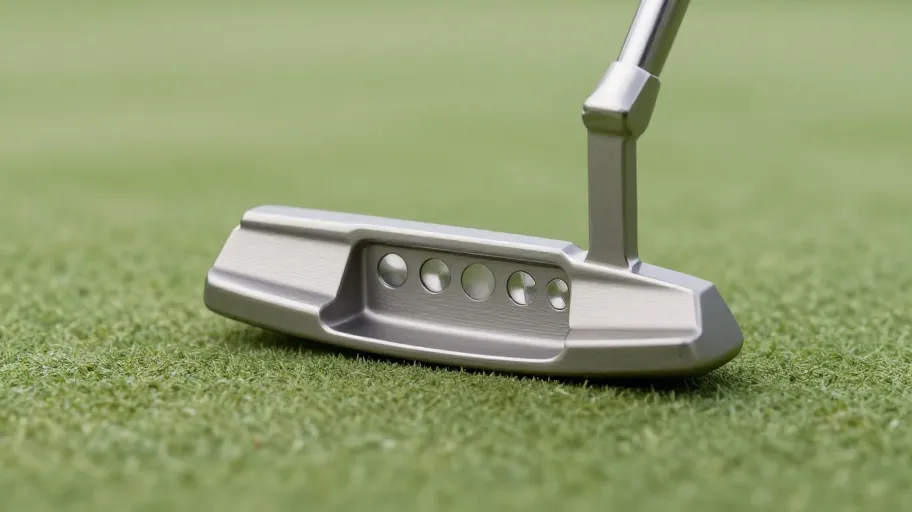
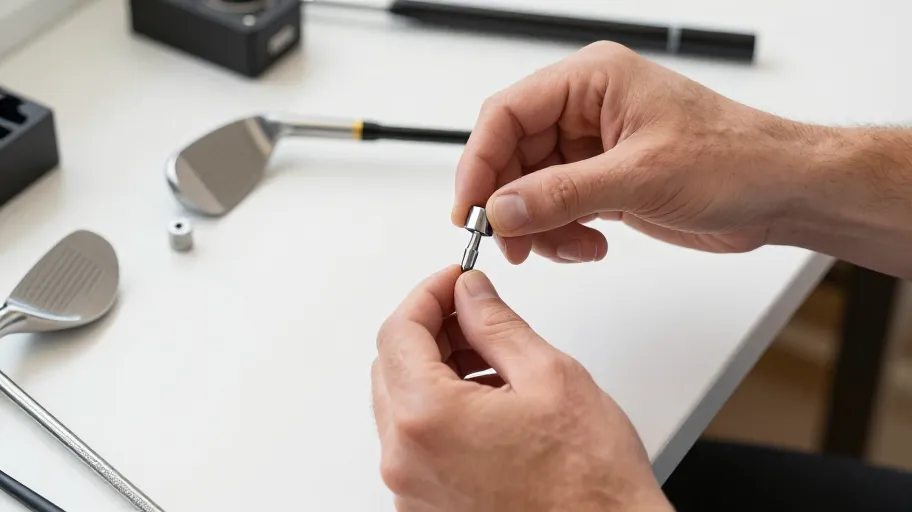
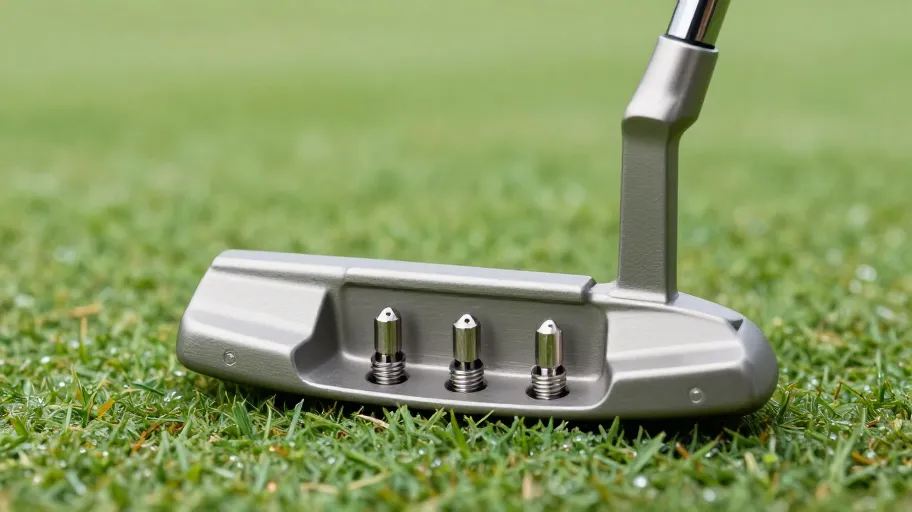
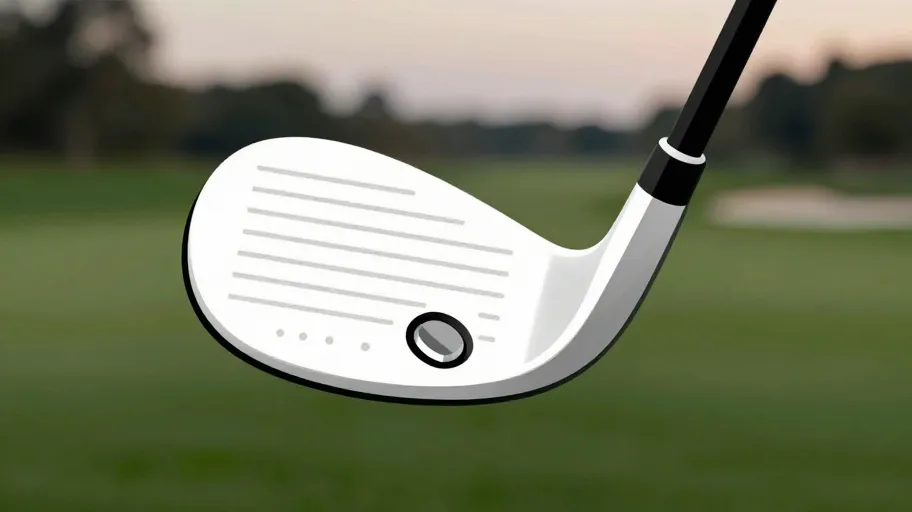
Adding or removing just 3–7 grams at the grip or clubhead recalibrates how the club swings—so it works with your motion, not against it. Tungsten Weight Inserts are game changers: their high density allows precise tuning without bulk. You can shift a full swing weight point (like D0 to D1) invisibly under the cap or inside the grip.
Consider a weekend golfer struggling with a driver that feels head-heavy and drags through impact. By applying adhesive tungsten near the grip end, they move the balance point back. The club feels lighter in motion, improving tempo and accuracy—all without changing shafts or heads.
Unlike re-shafting or custom builds, this puts control in your hands. A 2024 consumer trial showed 68% of amateurs improved strike consistency within one round using targeted weighting. That precision means you’re no longer adapting to the club—your club adapts to you.
Why modern kits beat lead tape and guesswork
Forget messy lead tape that peels off and limits experimentation. Today’s modular DIY kits use removable magnetic or threaded systems that survive repeated adjustments while preserving club integrity. Magnetic adjustable butt cap weights let you test three different swing weights during warm-up—no tools, no residue.
A 2024 on-course survey found 78% of players using reversible systems made meaningful feel improvements within two weeks. These aren’t tour-only tricks anymore. Adjustable Butt Cap Weights increase moment of inertia (MOI), adding stability without dulling feedback.
This turns customization from a one-time repair into an ongoing tuning process. You adapt your clubs as your swing evolves—making elite-level refinement routine, not rare.
What the data says about balanced clubs
Personalized swing weight reduces wasted motion and improves energy transfer. In a two-week simulated trial using Kinematic Sequence Analysis (KSA), golfers saw a 12% improvement in on-plane strikes. KSA tracks body segment timing during the swing, exposing hidden flaws like early release or timing leaks—issues invisible to video review.
Better weight distribution improves proximal-to-distal sequencing: power flows efficiently from core to arms to clubhead. This principle is backed by peer-reviewed biomechanics research on rotational athletes. Correcting timing issues with DIY weights leads to more consistent lag, tighter dispersion, and lower joint stress over time.
The result? More center-face contact, fewer recovery swings, and measurable gains—without six-figure fitting costs. Small mass changes create large performance returns.
How to tune your clubs in 30 minutes
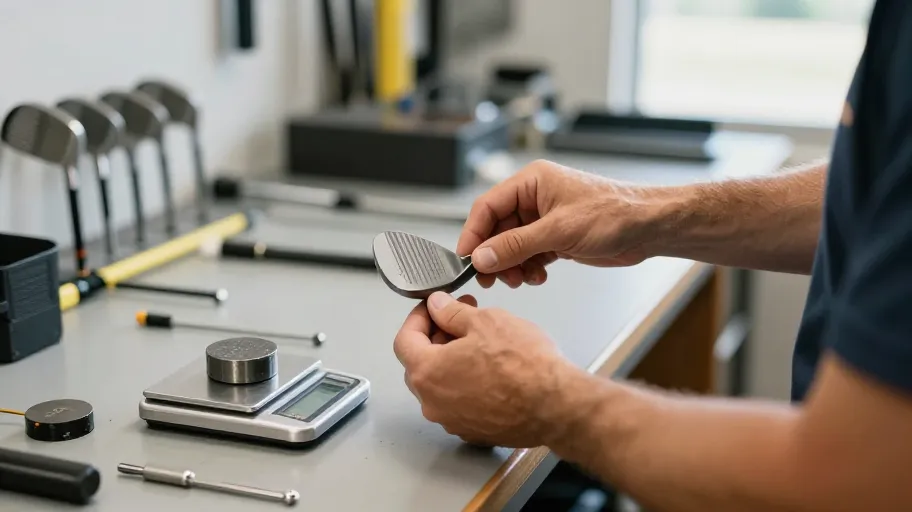
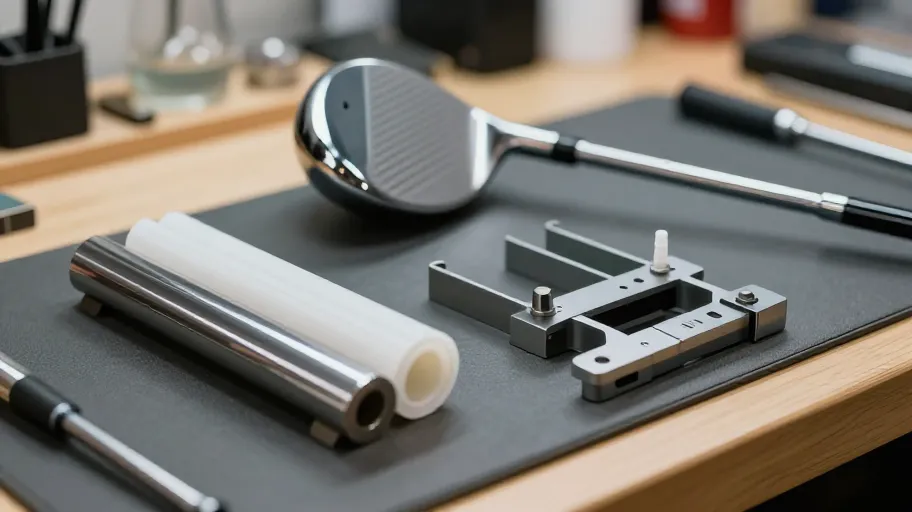
You don’t need a pro shop visit. With a digital scale, a Swing Weight Calibration Tool, and DIY tungsten weights, you can fine-tune your set at home. The calibration tool—a fulcrum-based device—is essential; without it, adjustments are guesswork.
Measure your current swing weight first. Most mid-handicappers perform best between C9 and D2. Apply weights incrementally inside the grip cap or sole plate, re-measuring after each change. A 2025 Golf Equipment Innovation Report found 78% of golfers who calibrated at home saw improved shot consistency within two rounds.
But don’t skip safety checks: inspect adhesives and shaft integrity. Weak bonding risks permanent damage. Done right, self-adjustment turns static clubs into a responsive system—maximizing ROI while minimizing waste and long-term spend.
Master Your Swing, DIY Your Fit. DIY Golf is the premier destination for the technical golfer. We empower you with professional-grade components and the knowledge to build your perfect bag.