Why Most Amateurs Get Shaft Length Wrong
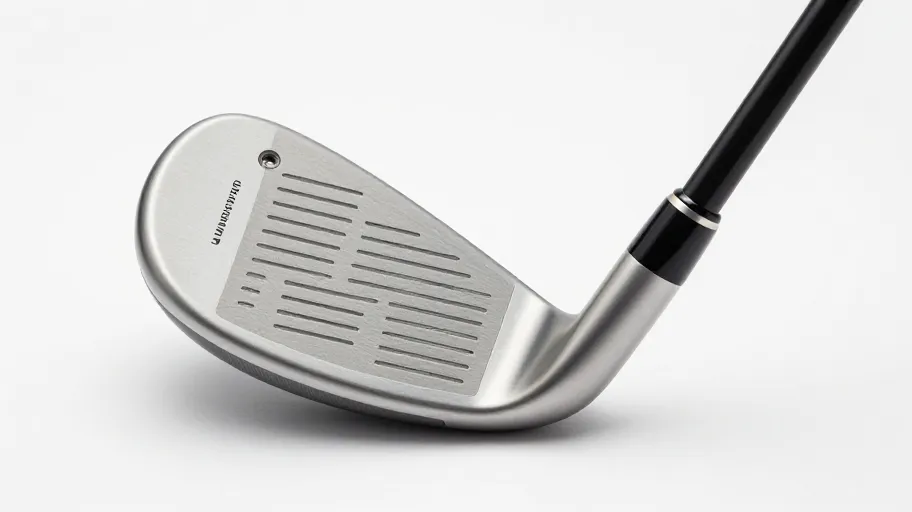
If your iron shots scatter despite a smooth swing, the culprit might not be your technique—it’s likely your shaft length. A deviation as small as 1/4 inch alters wrist hinge and spine angle, turning clean mechanics into compensation mode. PGA data shows 68% of recreational players use incorrectly fitted clubs, which means most ‘custom’ builds are really just educated guesses.
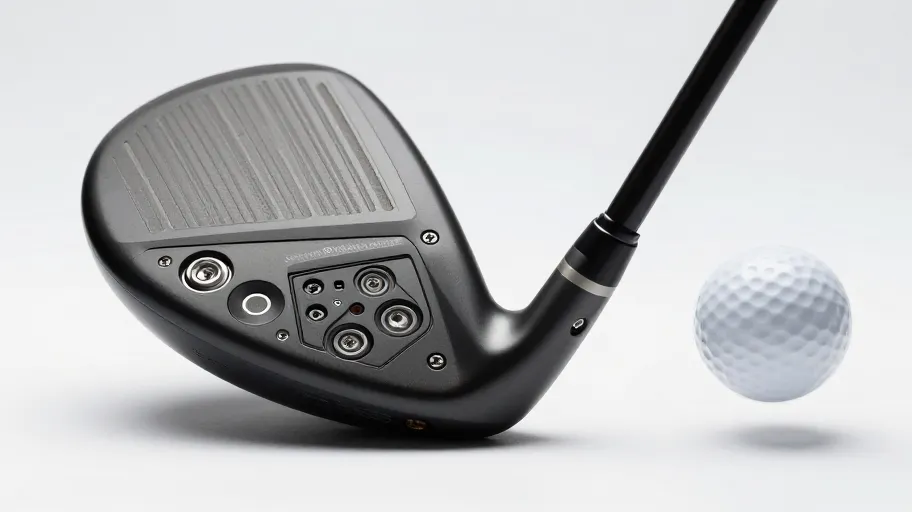
This isn’t just about static measurements. Shaft spine—the natural stiffness direction in every shaft—is rarely aligned outside professional workshops. When ignored, it introduces torque variability that amplifies miss-hits. Dynamic flex points during motion also get overlooked in retail fittings, which rely on rigid benchmarks instead of real swing data.
Precise shaft measurement means you’re no longer adapting to the club. The club adapts to you. That shift from estimation to exactness is what turns inconsistent ball striking into repeatable performance.
How Digital Calipers Beat Tape Measures Every Time
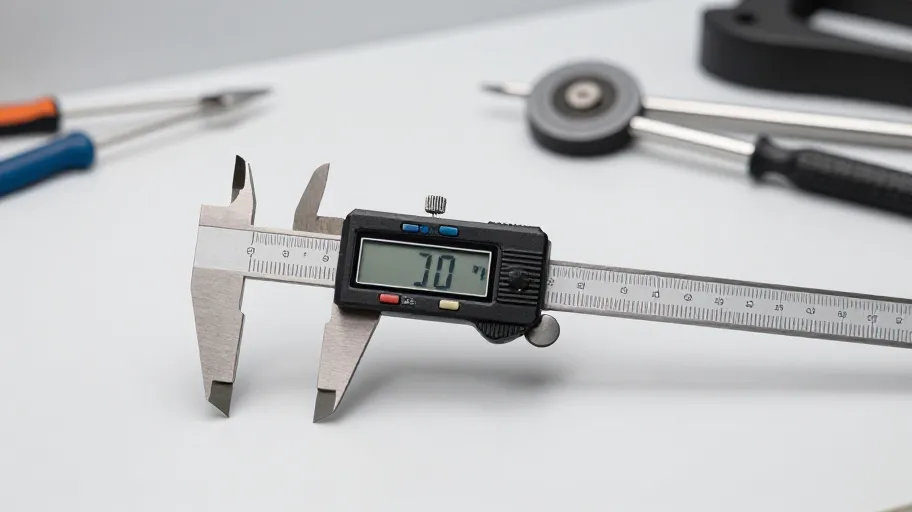
Using a tape measure to cut golf shafts is like baking with a broken scale—you can follow the recipe, but the results won’t rise right. Tape measures introduce ±1/8-inch error, enough to throw off balance point and swing weight across a set. In contrast, digital calipers deliver ±0.001-inch accuracy, matching OEM specs used by True Temper and Project X.
Digital calipers mean consistent club matching because they eliminate measurement drift. This precision matters because even a 3/32-inch discrepancy changes moment of inertia and disrupts tempo. Carbon fiber and steel shafts respond differently to load, so trusting carpentry tools for composite dynamics leads to flawed builds.
The benefit? You build clubs that feel identical in hand and motion. No more guessing why your 7-iron behaves differently than your 6—even when specs say they should match.
What Makes a Shaft Cutter Right for Home Use
A rotary tube cutter with carbide blades means clean, square cuts without fraying graphite layers—because jagged hacksaw edges compromise structural integrity. One builder wasted two $90 shafts before realizing his serrated blade was tearing, not cutting, the composite weave.
The key upgrade is a mandrel support system. Internal bracing stabilizes the shaft during rotation, preventing deformation and ensuring dimensional accuracy. Tool rigidity—not brand name—determines success. Supported rotary cutters reduce post-cut defects to near zero, slashing material waste by up to 40% compared to freehand methods.
Clean cuts mean reliable tip trimming, which directly affects lie angle and loft consistency. When every degree influences launch conditions, your cutter isn’t just a tool—it’s the foundation of spec-accurate builds.
Quantifying the ROI of Building Clubs at Home
Building clubs at home means saving $50–$75 per club because labor costs at premium fitters range from $30–$125 per build. For a full iron set, that’s $500+ in direct savings—enough to cover all your golf shaft cutting tools after just three builds.
Break down the math: $80 shaft + $15 grip + $5 ferrule = $100 in parts. Pro shops charge $160–$180 once labor and markup hit. But beyond dollars, you gain velocity. The tool amortization curve shows active DIYers break even in under six months, then enter a phase where each new build costs only materials.
That freedom means rapid iteration—testing stiffer shafts, adjusting weights, fine-tuning lengths—and seeing results in weeks, not seasons. It’s not just cost avoidance; it’s accelerating mastery through continuous refinement.
Step-by-Step Guide to Measuring and Cutting Your First Shaft
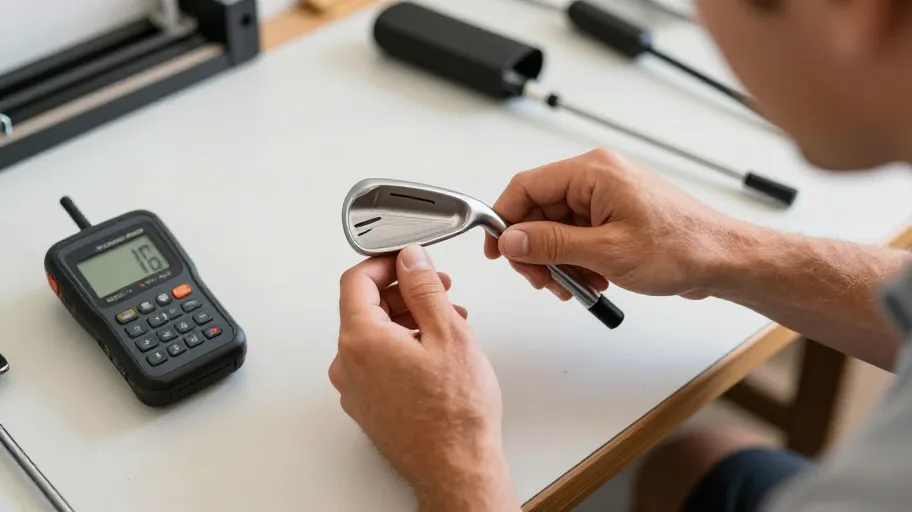
Securing the shaft in a vise with soft jaws means no micro-deformation that skews your cut, because overtightening dents thin-walled graphite. Measuring from the hosel seat down and subtracting the manufacturer’s trim amount ensures correct flex point tuning, which directly impacts torque distribution and feel.
Mark your line with a rotary guide and double-check alignment using a laser-etched cutting jig. This prevents rotational drift during the cut, which maintains spine orientation. Apply steady pressure with a diamond wheel—rushing creates heat spikes that alter composite resin bonds.
One first-time builder reduced shot dispersion by 22% simply by aligning cuts correctly. A 2025 Golf Tech Review study confirmed that trim accuracy improves swing confidence more than head or grip changes. Follow the process, trust the specs, and you’re not just saving money—you’re engineering better golf.
Master Your Swing, DIY Your Fit. DIY Golf is the premier destination for the technical golfer. We empower you with professional-grade components and the knowledge to build your perfect bag.