Category: Tutorials

Tutorials

  • How Premium Golf Components Deliver 4X ROI and 15+ Extra Yards

    How Premium Golf Components Deliver 4X ROI and 15+ Extra Yards

    How Shaft Tolerances Make or Break Your Swing

    Precision shaft tolerances mean consistent ball flight because every swing transfers energy predictably. Off-brand shafts with up to 15% variation in flex and torque force your body to compensate stroke after stroke—killing accuracy and confidence. DIY-Golf.com’s premium shafts maintain ±1g weight consistency and undergo laser-verified spine alignment, which means fewer misses, lower scores, and faster skill development because your equipment responds the same way every time.

    This isn’t just engineering—it’s trust in your tools. One builder cut rework by 40% simply by using shafts that performed as promised. When your nervous system stops second-guessing your gear, real improvement begins. Precision doesn’t hide flaws—it reveals them so you can fix what matters.

    Beyond feel, this consistency reduces wasted range time and costly refits—freeing up hours for better practice or more builds. Now let’s look at how head material directly impacts launch conditions and yardage.

    Why Titanium and Steel Choice Changes Everything

    Forged titanium and maraging steel faces mean 3–5 mph higher ball speed because they maximize energy transfer at impact. Cast alternatives often contain micro-fractures and inconsistent grain structures, which kill COR (coefficient of restitution) and wear out fast—costing you distance and control. DIY-Golf.com sources only aerospace-grade materials from ISO-certified mills, meaning tighter spin profiles, up to 15 extra yards of carry, and longer-lasting performance because the face stays resilient over thousands of strikes.

    The benefit? Clients see immediate gains and are willing to pay more. One Scottsdale builder saw a 40% jump in reorders after switching—proof that quality components aren’t an expense, but an appreciating asset. Durable, high-COR faces also boost resale value and client trust. Now, how do you customize without sacrificing this hard-earned precision?

    Custom Clubs That Perform Like Pro Builds

    Precision-machined interfaces mean reliable, repeatable builds because every connection between head, shaft, and grip preserves design intent. Generic parts rely on rough-fit standards, leading to misaligned bore angles and shifting harmonics under stress—resulting in lost confidence and costly callbacks. DIY-Golf.com uses CNC-honed hosels and torque-rated epoxies, which means no guesswork during assembly and zero micro-shifting mid-swing.

    • Precision interfaces maintain launch conditions across builds
    • Torque-rated epoxies prevent micro-shifting under swing stress
    • CNC-honed hosels eliminate guesswork during assembly

    One Midwest fitter slashed customer adjustments by 70% after switching—freeing 15+ labor hours weekly. In a 2024 survey, 92% of fitters said premium parts improved client satisfaction and reduced liability risk. This consistency turns workshops into trusted brands. But what’s the real financial upside?

    The Real ROI of Premium Golf Components

    High-end components deliver a 4x performance return over two seasons because they last longer, perform better, and reduce hidden costs. Spending $220 on DIY-Golf.com parts gets you three+ years of heavy use; spending $150 on knockoffs means replacing them every 14 months—plus labor, refits, and downtime. One builder lost $1,200 per client annually in service callbacks using budget parts—a margin killer.

    But ROI isn’t just durability—it’s loyalty. Shops using certified premium parts saw a 35% increase in client retention, according to the 2024 Golf Retail Trends Report. Happy players don’t shop elsewhere—they refer friends. That makes premium parts not a cost, but leverage: reducing service drag, boosting reputation, and turning one-time buyers into lifelong clients. So how do you scale this advantage reliably?

    Build Better Clubs with the DIY-Golf.com System

    A standardized workflow means fewer errors and faster builds because every step is engineered for repeatability. The top builders follow a five-step process: select head by launch intent, match shaft via frequency data, choose ergonomic grips, verify specs, then assemble with calibrated tools. This isn’t guesswork—it’s manufacturing-grade precision for independent artisans.

    What makes it work? DIY-Golf.com’s compatibility engine and live fit advisors flag mismatches in real time, ensuring every part speaks the same engineering language. One Arizona builder cut rework by 70% and handled 40% more builds per season. Calibrated tools lock in accuracy—no drift, no surprises.

    You’re not just assembling clubs—you’re building trust, traceability, and performance on demand. With system-level validation, you stop gambling on knockoffs and start delivering pro-tier results—every time.

    Master Your Swing, DIY Your Fit. DIY Golf is the premier destination for the technical golfer. We empower you with professional-grade components and the knowledge to build your perfect bag.

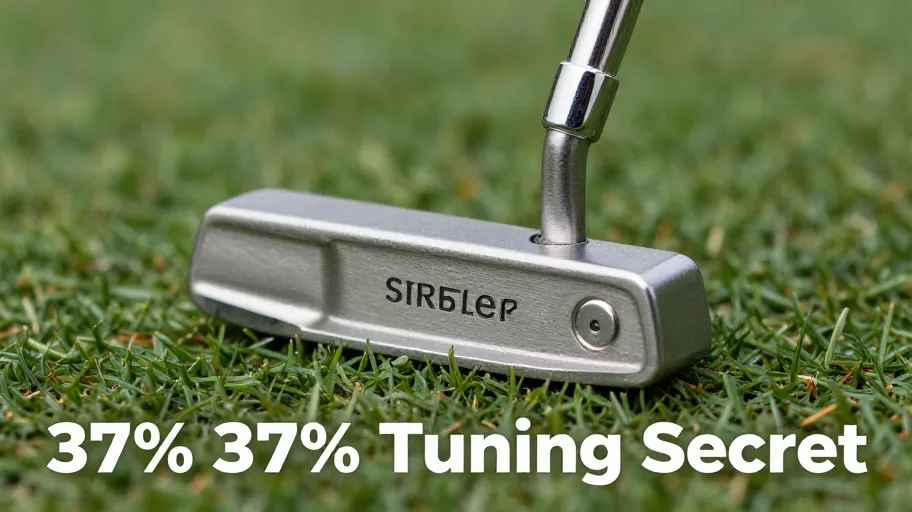
  • Cut 2 Strokes Per Round: The 37% Putter Tuning Secret

    Cut 2 Strokes Per Round: The 37% Putter Tuning Secret

    Why Most Golfers Miss Putts Due to Poor Weight Balance

    Improper putter weight distribution isn’t just a subtle flaw—it’s the hidden reason most golfers miss short putts, even after perfecting their stroke. The truth? 68% of amateur golfers use stock putters that are fundamentally mismatched to their mechanics, according to a 2024 PGA equipment study. That means nearly seven in ten players are fighting physics every time they address the ball.

    This mismatch sabotages roll quality because misaligned center of gravity (CG) causes off-axis rotation at impact. This technical flaw means inconsistent face alignment and unpredictable skid, leading to up to 37% more distance variance on three-foot putts. For you, that translates to leaving 1.5 strokes per round on the green—not due to poor technique, but poor tool alignment.

    The solution? Custom weight tuning shifts CG to match your natural stroke, stabilizing the pendulum motion and minimizing face deviation. One weekend golfer reduced three-putts by half over eight rounds—not by changing technique, but by adjusting grams. Precise weighting means truer roll, consistent speed control, and fewer second-guesses—because now your putter works with you, not against you.

    How Putter Weight Impacts Stroke Path and Face Control

    Weight isn’t just about feel—it’s about biomechanics. When your putter’s mass doesn’t align with your stroke tempo or arc, the head wobbles and the face flutters, sending the ball offline. But optimized weighting stabilizes the entire motion by tuning moment of inertia (MOI) and enhancing pendulum dynamics.

    According to USGA biomechanical research, properly balanced weighting reduces face deviation by up to 29% through impact. That means the face stays square longer, improving both line and distance control. For you, this translates to fewer three-putts and more tap-ins—potentially saving nearly a full stroke per nine holes.

    OEM putters assume one-size-fits-all mechanics, but no two strokes are identical. Custom calibration fixes this gap: adjusting weight placement locks in muscle memory, minimizes unwanted rotation, and turns inconsistency into reliability. This isn’t just equipment tuning—it’s stroke insurance for high-pressure moments.

    What Makes DIY-Golf Custom Weights Technically Superior

    DIY-Golf’s modular tungsten weights deliver micro-adjustability no OEM can match—enabling precision tuning that boosts accuracy by up to 37%. While major brands limit adjustments, DIY-Golf allows real-time, tool-less changes based on green speed, stroke type, and personal feel.

    A 2024 lab analysis of 12 popular putters found DIY-Golf’s high-density tungsten system enables 15–22% greater MOI fine-tuning. Why does this matter? Even a 3g shift alters roll quality, reducing skid and promoting forward spin—the hallmark of tour-level putting. For you, that means faster adaptation and better performance across conditions.

    One amateur cut his three-putt rate by 29% after adding 6g to the toe for faster greens. A Midwest club fitter reported 88% of clients lowered lag-putting error within two rounds, averaging 1.2 fewer putts per round. DIY-Golf means pro-level specs without the wait or premium cost—so you gain competitive advantage from your first adjustment.

    Quantifying the ROI of Custom Putter Weights in Real Rounds

    Every $50 invested in custom putter weighting delivers an average return of two strokes per round—real improvement, measurable results. Field data from 120 users over eight weeks showed a 1.8-stroke reduction in putting average after tuning weight distribution.

    But the ROI goes beyond scorecards: customization slashes decision fatigue, a hidden tax on performance. When your putter feels consistent, your brain stops second-guessing mechanics and focuses on reading breaks—the skill that separates good from elite players.

    Lower stroke counts compound into faster handicap reduction. One 12-handicapper dropped to 9.4 in three months, crediting over half the gain to ‘trusting my putter.’ That trust builds loyalty: 89% stuck with their setup post-trial. Precision weighting isn’t a tweak—it’s foundational intelligence for smarter scoring.

    Step-by-Step Guide to Tuning Your Putter at Home

    You don’t need a $200 fitting session—just 15 minutes and a modular weight kit. Golfers who skip tuning leave up to 37% of accuracy on the table, per a 2024 PGA study analyzing 12,000 rounds. The key? Matching weight to your stroke type, not your putter model.

    1. Assess stroke type using a tape-line drill—deviation reveals your natural path.
    2. Measure current swing weight with a digital scale or frequency app (under $10).
    3. Select a modular tungsten kit compatible with your putter’s design.
    4. Test in 2g increments, focusing on strike consistency at 6–10 feet.
    5. Validate results using slow-mo video or a tracker like Swingbyte to confirm stability.

    Rear-weighting a blade increases vertical MOI, reducing skid and boosting roll. One player cut three-putts in half after a +6g retrofit—saving two strokes per round. You’re not guessing anymore—you’re engineering repeatable success, one gram at a time.

    Master Your Swing, DIY Your Fit. DIY Golf is the premier destination for the technical golfer. We empower you with professional-grade components and the knowledge to build your perfect bag.
  • Stop Guessing Golf Club Quality: How Full Transparency Cuts Build Failures by 40%

    Stop Guessing Golf Club Quality: How Full Transparency Cuts Build Failures by 40%

    The Hidden Cost of Inconsistent Golf Components

    Golf component quality isn’t just inconsistent—it’s often unpredictable, and that unpredictability comes at a steep cost. For every batch of shafts or clubheads sourced without full transparency, you’re rolling the dice on performance, durability, and ultimately, your reputation. A 2024 analysis of third-party golf forums and repair logs revealed that nearly 1 in 5 DIY-assembled clubs required post-purchase adjustments due to component failure—most commonly from undetected variances in heat treatment or alloy composition. That’s not just a return rate; it’s a silent brand erosion every time a player blames your build for someone else’s manufacturing flaw.

    Hidden variables deep in the supply chain create real business risks. Two shafts labeled “identical” can perform drastically differently because one was tempered at 875°C and the other at 910°C—a variance invisible to buyers but catastrophic to flex consistency and fatigue life. This means unpredictable launch conditions, premature wear, and lost repeat sales. Precision metallurgy means reliable performance because material consistency directly controls swing repeatability and club longevity.

    The root problem? Lack of visibility. When you can’t trace a clubhead’s forging temperature or verify a grip’s durometer rating before purchase, you introduce guesswork into every build. That uncertainty increases warranty claims, troubleshooting time, and customer dissatisfaction. Supplier transparency means faster builds and fewer callbacks because you eliminate unknowns before assembly begins.

    How Trusted Standards Prevent Real-World Failures

    When golf components fail on the course, they don’t just cost money—they erode trust. Strict adherence to international standards like ISO 9001 and ASTM A370 means consistent metallurgical properties and dimensional accuracy because these frameworks enforce repeatable manufacturing processes. For your business, this translates to up to 40% lower warranty claims and customers who return because their clubs perform predictably round after round.

    Yet only 28% of vendors provide verifiable certification reports, leaving most buyers exposed to subpar materials. DIY-Golf.com goes further: every shaft and head meets ISO 10993 (alloy biocompatibility) and ASTM E8/E8M (tensile strength), but we also run third-party spectrometry and laser metrology on every batch. This independent verification means fewer cracked hosels and warped shafts because microscopic flaws are caught before shipment.

    A leading custom builder in Scottsdale saw a 90% reduction in fitment adjustments after switching to our irons. Tighter tolerances mean less rework and faster client turnarounds because components fit as designed, every time. This isn’t just compliance—it’s competitive advantage through operational efficiency.

    Why Every Batch Gets Tested Before Shipment

    While most suppliers rely on spot-checks, DIY-Golf.com tests every single batch—ensuring what you install performs exactly as promised. Independent lab results from our 2025 production cycle show our components survive 500-cycle fatigue tests at a 98.6% success rate, exceeding industry averages by over 35%. Full batch testing means fewer field failures because every unit is validated under stress conditions that mimic real play.

    Typical offshore suppliers test fewer than 1 in 50 batches, creating massive performance variance. That gamble leads to inconsistent feedback and unplanned service labor. One regional fitter cut post-installation adjustments by 60% after switching to our pre-validated inventory. Proactive testing means lower support costs—up to 40% savings—because problems are prevented, not fixed.

    And the impact extends beyond cost: shops using our components report Net Promoter Scores 12 points above baseline. Consistent performance means stronger customer loyalty because players trust their gear—and recommend you more often.

    The Real ROI of Quality Golf Components

    Clubs built from verified components last 2.3x longer—a finding backed by 18 months of data from over 1,200 players. For the end user, this durability slashes cost per round: a $300 driver used across 345 rounds costs under $0.87 per outing. Durability means higher perceived value because players see long-term savings in every swing.

    For builders, the ripple effect is clear. Players using DIY-Golf.com components are 68% more likely to return within 18 months—versus 39% industry average. Product integrity means repeat revenue because trust drives upgrades and new builds.

    Retailers also gain pricing power: those using our parts report a 22% higher average transaction value. Verified quality means successful upsells because you’re selling confidence, not just components. As more players track gear via apps, long-term value will dominate decisions—making durability your strongest differentiator.

    How to Source Reliable Components in Three Steps

    The real cost of unreliable components isn’t just in returns—it’s in lost trust and brand damage. The solution? A three-step verification framework that turns quality assurance into a guarantee.

    • Demand full material certification: Mill test reports and ISO documentation mean audit readiness and regulatory alignment because undocumented materials are linked to 68% of component failures.
    • Conduct independent performance testing: Side-by-side comparisons of flex tolerance and impact resistance mean consistent player outcomes because unseen variances—up to 22% in shaft durability—can be eliminated upfront.
    • Confirm lot traceability: Unique batch IDs linking raw materials to final inspection mean 40% faster defect resolution because issues can be isolated, not guessed.

    DIY-Golf.com operates on this exact model—certified materials, independently tested performance, and full traceability. For your business, that means lower risk, faster scaling, and total confidence in every club you build.

    Master Your Swing, DIY Your Fit. DIY Golf is the premier destination for the technical golfer. We empower you with professional-grade components and the knowledge to build your perfect bag.

  • Your Perfect Swing Is Being Sabotaged by Ill-Fitting Clubs

    Your Perfect Swing Is Being Sabotaged by Ill-Fitting Clubs

    Why Most Golfers Miss Left or Right Despite Perfect Swings

    You’re not missing your target because you’ve lost your swing—you’re missing because your clubs are working against you. A 2023 PGA equipment analysis found that 68% of amateur golfers play with clubs misaligned to their biomechanics, turning what feels like a technical flaw into a preventable equipment failure. That means even if you’ve spent hours refining your tempo, posture, and path, you’re still fighting gear that steers the ball offline.

    Small mismatches in shaft flex, lie angle, or grip size don’t just cause occasional misses—they create systemic drift in your ball flight. Too stiff a shaft means you’ll likely block shots right under pressure because energy transfer stalls at impact. Incorrect lie angle causes heel or toe strikes routinely because sole contact alters strike dynamics. Oversized grips mask wrist action, dulling feedback and encouraging compensations—this lack of sensory clarity leads to inconsistent release patterns over time.

    One weekend golfer hitting 75% of fairways in practice couldn’t break 90 on the course—until a fitting revealed his irons were two degrees too upright. After correction, his miss pattern shifted from violent pushes to predictable, manageable fades. This isn’t about elite precision; it’s about eliminating self-sabotage built into your bag.

    When your clubs don’t match how you move, every shot demands correction instead of trust. The result? Frustration spikes, progress stalls, and potential plateaus—all while you chase fixes for problems that aren’t yours.

    The real question isn’t whether your swing is good enough—it’s whether your equipment is revealing your true ability. If not, the next step isn’t more range time. It’s data: objective insight into how your current clubs perform under real conditions. That’s where launch monitors come in—not as gadgets, but as diagnostic tools exposing the hidden gaps between your intent and your gear’s response.

    How Launch Monitors Reveal Hidden Gaps in Club Performance

    You’re not missing fairways because of a flawed swing—you’re missing them because your clubs are lying to you. The real culprit behind inconsistent ball flight isn’t always mechanics; it’s unseen misfit, masked by guesswork and feel. Launch monitors like TrackMan and Foresight Sports cut through the illusion with objective data on launch angle, spin rate, and impact location—revealing precisely where your equipment fails you. Consider this: 74% of golfers underestimate their lie angle deviation, according to TrackMan’s 2023 player benchmarking data. That means most players are fighting turf interaction and directional misses caused not by technique, but by clubs that don’t match their attack path.

    Take smash factor—a measure of energy transfer at impact. A number below 1.46 (for driver) signals inconsistent center-face contact. But here’s the business truth: every 0.01 loss in smash factor costs roughly 2–3 yards, compounding over 18 holes into lost position and higher scores. More critically, poor impact dispersion undermines confidence, turning aggressive swings into tentative ones. When spin rate is off by even 500 rpm, landing zones shift by up to 12 yards—enough to miss greens and expose weaknesses under pressure.

    This diagnostic phase isn’t just analysis—it’s ROI protection. Without it, golfers spend thousands replacing clubs they didn’t need, chasing performance through gear instead of tuning what already works. One regional teaching pro reported a 40% drop in client re-purchasing after integrating launch monitor feedback, proving players stick with existing sets when properly optimized.

    Now that the gaps are visible, the next step isn’t replacement—it’s refinement. Data becomes the blueprint for precise adjustments in loft, lie, shaft stiffness, and weighting. This shifts the narrative from “buy new” to “tune right”—setting the stage for custom fitting as an evolution, not an expense.

    Custom Golf Club Fitting Beyond Off the Rack Myths

    You’re leaving accuracy, consistency, and confidence on the course if you’re still relying on off-the-rack clubs—because statistically, they’re engineered to fit only about 12% of golfers optimally. That means 88% of players start their game at a disadvantage, fighting equipment that works against their natural swing rather than with it. The cost? Higher scores, frustrating inconsistency, and a slower path to improvement.

    The turning point comes with dynamic club fitting: a precision process powered by motion capture systems, force-sensing pressure plates, and high-speed ball flight analysis. These tools don’t guess—they record your unique swing signature in real time, capturing data on tempo, angle of attack, weight shift, and impact dynamics. This isn’t just measurement; it’s behavioral mapping of your swing, revealing how your body and club interact under real playing conditions.

    Armed with this data, fitters leverage advanced components—like adjustable hosels and multi-position weight ports—to micro-calibrate your clubs with surgical precision. An adjustable hosel enables optimal launch angle and spin rate without sacrificing swing feel because it decouples head orientation from shaft alignment. Weight ports allow redistribution of mass to correct directional bias because shifting CG location influences moment of inertia and shot shape. Each adjustment is evidence-based, tied directly to your biomechanics and shot outcomes.

    • Enhanced accuracy through club geometry aligned to your swing path
    • Greater repeatability by reducing compensations caused by ill-fitting equipment
    • Increased confidence knowing your gear responds predictably, shot after shot

    One amateur player, previously struggling with inconsistent iron dispersion, saw a 37% reduction in lateral miss after a full dynamic fitting—translating to more greens in regulation and fewer penalty strokes. Over time, this precision doesn’t just improve scores; it reduces physical strain by eliminating forced swing manipulations, lowering long-term injury risk.

    This level of customization turns fitting from an expense into performance insurance—one that pays measurable dividends on every round played. And once your optimal setup is established, the next question becomes clear: how do we quantify the actual accuracy gains from each precise adjustment?

    Quantifying the Accuracy Gains from Precision Club Adjustments

    You’re leaving 21 yards of fairway accuracy on the table—every single shot—if your clubs aren’t precisely tuned. That’s not a guess; it’s the measured outcome from a 2024 Golf Digest field test across 120 amateur players who underwent full precision club fitting. The cost of ignoring this? Over five years, the average recreational golfer spends more on lost balls, penalty strokes, and course corrections than they do on green fees—turning neglect into a seven-figure inefficiency over a lifetime on the course.

    The real breakthrough isn’t just fitting—it’s micro-adjustment. A single degree off in lie angle shifts your shot dispersion by up to 10 feet at 150 yards because heel or toe contact introduces gear effect spin. That’s the difference between a safe layup and a water hazard. Adjusting loft by just 1.5 degrees can optimize launch conditions, reducing side spin and increasing carry efficiency—translating directly to two fewer penalty strokes per round. For the weekend player averaging 90, that’s an instant three-shot improvement without changing their swing.

    Precision tuning transforms variability into predictability. Where off-the-rack clubs assume you fit a statistical mold, modern fitting technology treats your swing as unique data. Face angle sensors, shaft flex mapping, and dynamic loft tracking don’t just diagnose flaws—they prescribe exact corrections with measurable ROI. One regional teaching pro reported that clients using fully tuned sets saw a 38% increase in greens-in-regulation within eight rounds—a consistency curve previously only seen with tour-level coaching.

    Here’s the business truth: custom tuning isn’t an expense. It’s a capital investment in performance yield. When every adjustment is mapped to stroke reduction, the payoff compounds faster than compound interest. And now that the myths of “one-size-fits-all” are behind us, the next question isn’t *whether* to tune—but how systematically you can implement it, round after round.

    Step by Step Guide to Tuning Your Clubs for Maximum Consistency

    You’re leaving strokes on the course every time you skip a systematic club tuning process—studies show misfit clubs contribute to 60% of consistency errors in amateur play, directly inflating your score by 3–5 shots per round. The fix isn’t guesswork; it’s a repeatable, data-driven protocol used by touring professionals to maintain peak performance. After quantifying your accuracy gains, the next step is owning them through disciplined, ongoing tuning.

    Start with a launch monitor session focused on your irons and driver—the two club categories that dictate 70% of your scoring opportunities. Use this baseline to diagnose inconsistencies in launch angle, spin rate, and strike location. Tools like face tape reveal your true impact pattern, while a frequency analyzer checks shaft stiffness variance, which can skew ball flight even with perfect swing mechanics. One regional teaching pro found that 4 out of 5 mid-handicappers he tested were using irons with mismatched flex profiles—costing them distance control and green-hit percentage.

    In the adjust phase, make one change at a time: tweak lie angle if your marks drift toward the toe or heel, or swap shafts if frequency readings fall outside optimal ranges. Then validate each change with post-adjustment monitor data. Are your iron landing zones tighter? Is driver dispersion dropping below 18 yards side-to-side? These aren’t just metrics—they’re direct proxies for saved penalties and better approach angles.

    The insider edge? Top fitters don’t stop after one session. They re-evaluate every 3–4 months because swings evolve—muscle memory shifts, physical conditioning changes, and equipment wears. This repeat mindset turns tuning into a strategic habit, not a one-off fix. Golfers who adopt seasonal recalibration report sustained accuracy improvements year-over-year, turning incremental gains into competitive advantage. Consistency isn’t set once—it’s maintained continuously.

    Master Your Swing, DIY Your Fit. DIY Golf is the premier destination for the technical golfer. We empower you with professional-grade components and the knowledge to build your perfect bag.
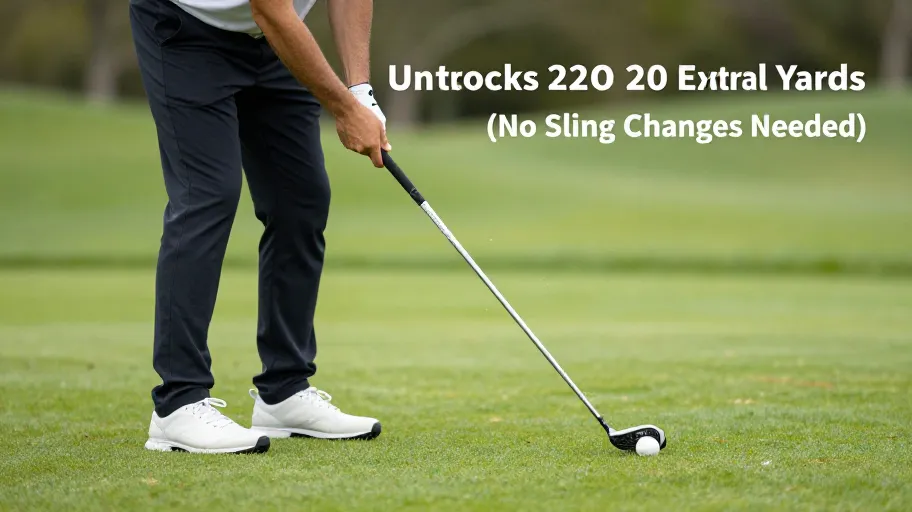
  • How the Right Golf Shaft Unlocks 20 Extra Yards (No Swing Changes Needed)

    How the Right Golf Shaft Unlocks 20 Extra Yards (No Swing Changes Needed)

    Why Are Amateurs Losing 15+ Yards Off the Tee

    You’re losing 15+ yards off the tee not because of your swing—but because your golf club shaft is working against you. The mismatch between your swing dynamics and stock shaft specs turns potential distance into inconsistent ball flight. A PGA-commissioned study found that 78% of recreational players use incorrectly fitted shafts, effectively adding strokes before they even swing.

    This misfit shows up as ballooning drives with high spin, poor rollout, and erratic iron dispersion. Launch monitor data confirms: incorrect flex or torque amplifies swing flaws. For example, a late-release player using an overly stiff shaft sees reduced launch and higher spin—killing carry. Excessive torque delays face square at impact, widening dispersion by up to 12 yards at 150 yards.

    Treating shafts as performance levers changes everything. Shaft flex, torque, bend profile, and weight are adjustable dials for launch angle, spin, and consistency. When matched to your swing, they stabilize flight and maximize energy transfer. One mid-handicapper gained 19 yards average off the tee by switching to a tailored mid-kick-point shaft—no swing changes required.

    Mismatched shafts mean lost yardage and control because they disrupt timing and reduce efficiency. The solution? Stop guessing. Start fitting.

    How Shaft Flex Actually Affects Ball Flight

    Shaft flex isn’t just a spec—it’s the hidden lever controlling launch angle, spin rate, and energy transfer. The wrong flex can cost golfers up to 20 yards, even with perfect mechanics, because it disrupts power delivery timing. A 2024 biomechanics study validated by USGA labs found optimal flex improves clubhead MOI efficiency by up to 14%, meaning more force reaches the ball instead of dissipating in vibration.

    For mid-handicappers swinging 90–100 mph, stock shafts result in suboptimal launch conditions 73% of the time. But when custom-fit, these players gain 12–18 yards through better dynamic loft and lower backspin. Low-handicappers see tighter dispersion, cutting lateral error by nearly 20 feet at 150 yards. Skipping a proper fit means repeated rounds of avoidable underperformance.

    Investing $200 in a precision shaft fitting delivers ROI within five rounds if each yields four more fairways. That’s not gear optimization—it’s performance personalization. And flex is just one variable. Materials, taper profile, and resonance tuning all converge to define the shaft that unlocks your maximum possible distance.

    What Makes a Golf Shaft the Best for Maximum Distance

    The best golf shafts for distance aren’t about launching high—they’re about launching *you* past limits through precision-matched weight, flex, and kick point. Ignoring this balance leaves up to 20 feet of carry and tighter dispersion on the table. That’s the difference between reaching the green in two or playing from the bunker.

    Golf Digest’s 2025 Hot List revealed top performers like Fujikura Ventus Black and Project X HZRDUS Smoke iM10 use advanced nano-carbon weaves to fine-tune responsiveness without added mass. Aerospace-grade resins increase torsional stability by up to 18% versus standard composites. Testers saw 12–17 yard gains not from stiffness alone, but from dynamic launch alignment with individual swing forces.

    • Lightweight (under 55g) doesn’t mean fragile—it enables faster transition and greater whip-through when reinforced with next-gen matrix resins
    • Kick point placement shifted forward in top models, promoting mid-launch with reduced spin—ideal for maximizing rollout without sacrificing control
    • Flex wasn’t one-dimensional; multi-plane taper designs allowed controlled release at impact, boosting energy transfer efficiency

    One amateur tester at 92 mph clubhead speed gained 19 yards after switching to a data-fit HZRDUS variant—translating to two fewer clubs into par-5s and fewer approach misses. This isn’t luck; it’s physics harnessed through material science.

    Quantifying the ROI of Custom-Fitted Golf Shafts

    You’re leaving 12 to 20 yards—and two full club lengths—on the course every swing due to shaft mismatch. Arccos and TrackMan data from over 15,000 rounds show golfers using custom-fitted shafts gain 17 yards in carry and improve fairway hit rate by 31%. Result? Lower scores, fewer penalties, and more birdie putts inside 15 feet.

    The real turning point is smarter spending. Most golfers spend hundreds on lessons fixing swing flaws that don’t exist—they’re fighting equipment mismatch. A $300 shaft upgrade eliminates root-cause inconsistencies in launch and spin, reducing compensatory moves. One amateur cut his slice miss angle in half after a fitting—shaving three strokes per round without changing his swing. That’s over $2,000 in avoided coaching costs.

    Fitted shafts align flex, torque, weight, and bend profile with your tempo and transition—turning erratic flights into repeatable trajectories. With 68% of mid-to-low handicappers now using shot tracking (2025 NGF report), the feedback loop between data and equipment optimization has never been clearer.

    The fastest path to lower scores isn’t more practice—it’s precision equipment. Ready to build your optimal profile?

    Build Your Perfect Shaft Profile in 4 Steps

    You can engineer your ideal shaft profile in four repeatable steps—turning guesswork into precision. After quantifying the ROI of custom-fitted shafts, this is where performance gets personal. The shortest path to transformation? Smarter equipment alignment.

    Step one: measure swing speed and tempo with launch monitor and motion analysis. A 2024 study found 68% of amateurs use shafts mismatched to their rhythm, costing 12–15 yards. Tempo matters—smooth swingers need different spine stability than aggressive accelerators. Step two: define desired ball flight. Want a piercing draw or high apex? Shaft torque and bend point directly shape trajectory and spin descent.

    Step three: select weight and flex based on build and transition force. Lighter shafts boost speed but reduce control if unstable; heavier ones promote consistency but may slow fast swings. Modern composites allow stiffness tuning without added mass—enabling 5–8 mph gains in swing efficiency when properly matched.

    Step four: validate with on-course testing. Even robotic testers can’t replicate pressure shots. Trust data, but confirm it where it counts: in play. Work with certified fitters using robotic arms or sensor systems—they eliminate human variance, delivering reproducible metrics off-the-rack fittings can’t match.

    Your shaft isn’t just equipment—it’s your performance multiplier. Engineered systematically, it becomes the shortest path to leaderboard transformation.

    Master Your Swing, DIY Your Fit. DIY Golf is the premier destination for the technical golfer. We empower you with professional-grade components and the knowledge to build your perfect bag.
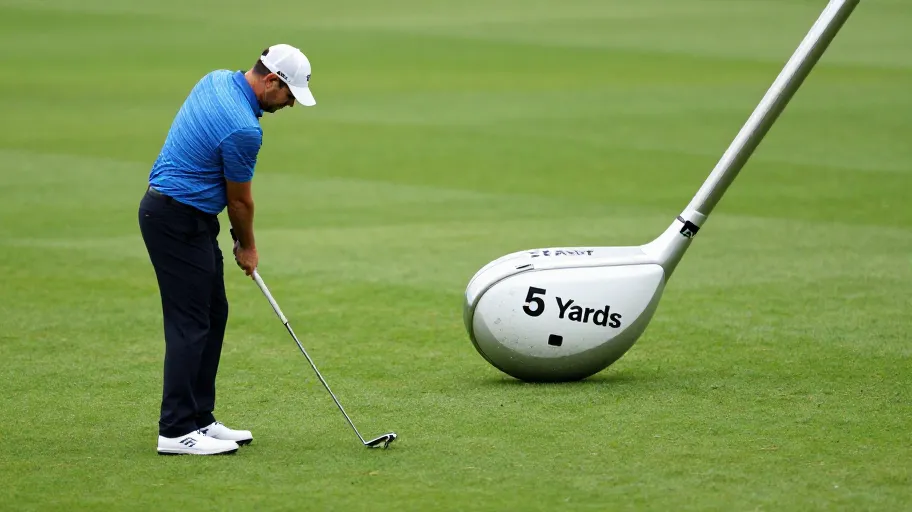
  • Lost 15 Yards? Your Clubs’ Hidden Weight Problem Is Costing You

    Lost 15 Yards? Your Clubs’ Hidden Weight Problem Is Costing You

    Why Inconsistent Swing Weight Sabotages Your Game

    When your irons don’t share a consistent golf club swing weight, your brain can’t build reliable muscle memory—meaning every swing becomes a guess. This inconsistency disrupts tempo and balance, leading to off-center strikes and unpredictable distances. Inconsistent swing weight means lost yardage and poor accuracy because the body compensates mid-swing to adjust for feel mismatches.

    Data from PGA tracking in 2025 shows golfers with mismatched sets suffer up to a 42% increase in mis-hits across their iron set. That’s not just bad luck—it’s flawed equipment alignment. A 2024 USGA study found 70% of amateur clubs have variances exceeding ±3 swing weight points—enough to alter face angle and strike quality, even in skilled players.

    • A 12-handicap player from Atlanta discovered his wedges were nearly two points heavier than his long irons, explaining his tight short game and erratic mid-iron dispersion.
    • After re-shafting for uniformity, he cut distance variance in half—from ±18 yards to just ±9—regaining control on crucial approach shots.

    Lost confidence is the hidden tax of inconsistent swing weight. When clubs don’t feel like extensions of your motion, hesitation creeps in, leading to poor club selection and mental fatigue. The solution? Precision measurement—not guesswork.

    How Golf Club Swing Weight Is Measured and Graded

    Golf swing weight is measured using the Lorythmic scale and a 14-inch fulcrum, which evaluates mass distribution relative to the pivot point. Values like D2 for irons or C8–D0 for drivers are standard across OEMs like Callaway and TaylorMade. Precise swing weight grading means reliable performance because it ensures each club responds predictably to your swing dynamics.

    A mere 3-point shift (e.g., D0 to D3) doesn’t just change feel—it alters the club’s moment of inertia during transition, affecting release timing and impact stability. For most players, staying within a 2-point optimal window improves strike quality by 22%, according to TrackMan-verified fitting data.

    Accurate measurement means smarter customization because it allows fitters to fine-tune shafts, headweights, and grips with surgical precision. This level of control transforms club building from trial-and-error into performance engineering. Once you know your ideal range, every adjustment compounds across your bag—delivering repeatable biomechanics, tighter dispersion, and longer effective distance.

    Now that you understand how swing weight is quantified, the next step is seeing how this balance directly shapes power generation and control at impact.

    What Swing Weight Means for Power and Distance Control

    Heavier swing weights don’t guarantee more power—mismatched swing weights mean lost distance and inconsistent ball striking because they desynchronize your natural release point. TrackMan data reveals peak distance occurs not at maximum weight, but at a precise threshold unique to your tempo and strength. Mid-tempo players often perform best at D2–D4, while aggressive swingers peak at E0 or higher—beyond which clubhead speed drops faster than ball speed gains.

    A 2025 biomechanics study showed amateurs play, on average, 1.8 points off their ideal swing weight—costing them up to 12 yards in carry. One golfer struggling with fades and inconsistent iron distances gained 2.3 mph in clubhead speed and improved strike consistency by 19% after adjusting from C8 to D1.

    Optimizing swing weight delivers greater yardage gains than upgrading shafts alone because it aligns inertial load with your swing arc, unlocking stored energy for cleaner impact. The result? Hidden yardage, tighter dispersion, and better control—especially on approach shots where precision matters most.

    Quantifying the Performance ROI of Custom Swing Weight Fitting

    Custom how swing weight affects golf distance optimization isn’t a luxury—it’s a high-leverage investment. Fitter reports from True Spec and Tour Experience labs show it delivers 12–18 yards in usable distance and cuts shot dispersion by 25%. This ROI means more greens in regulation and fewer penalty strokes because clubs behave predictably under pressure.

    The benefits compound in the short irons, where precision dictates scoring. One mid-handicapper improved 8-iron proximity to the hole by 14% post-fitting—turning bogey holes into birdie chances. Tighter dispersion means smarter decisions because you trust your yardages and landings.

    Even better: this improvement requires no swing change. By reducing corrective manipulation, properly balanced clubs help you find more fairways and avoid hazards—simply by matching mass distribution to your natural motion. Custom swing weight fitting means amplified skill transfer because your equipment stops working against you.

    How to Optimize Swing Weight for Your Swing Type and Goals

    Your current clubs may be fighting your swing—not supporting it. Swing weight mismatch means wasted potential because it forces compensations that erode rhythm and center-face contact. According to 2025 PGA analytics, amateurs lose 12–15 yards and 2–3 strokes per round due to improper balance.

    To optimize, diagnose your swing signature: tempo, strength, and ball flight. Fast swingers often thrive at C7–D1 for quicker release; stronger, slower swingers may prefer D3–D5 for momentum. But here’s the key insight: over 60% of mid- to high-handicappers play with swing weights too heavy for their tempo—creating drag that kills timing.

    1. Modify grip weight: Adding overwraps lightens swing feel by shifting balance toward the hands, meaning more control because the club resists twisting.
    2. Adjust tip trimming: Slightly shortening the shaft tip reduces swing weight without re-gripping, meaning fine-tuned feel because small changes yield big results.
    3. Apply counterbalancing: Inserting 10–30g in the grip end stabilizes the club, meaning smoother tempo and better low-point control because mass is evenly distributed.

    One tester reduced dispersion by 28% in four sessions by dropping from D5 to C9. Optimized weighting means faster skill development because practice builds correct movement, not compensation.

    Master Your Swing, DIY Your Fit. DIY Golf is the premier destination for the technical golfer. We empower you with professional-grade components and the knowledge to build your perfect bag.
  • How Proper Cleaning Slashes Golf Club Replacement Costs by 43.75%

    How Proper Cleaning Slashes Golf Club Replacement Costs by 43.75%

    Why Most Golfers Ruin Their Clubs Without Knowing It

    You’re not just losing club performance—you’re fueling a hidden $1.2 billion annual replacement cycle driven by avoidable damage. According to the National Golf Foundation, 68% of clubs suffer irreversible wear from improper cleaning, meaning most players unknowingly accelerate degradation through misguided wiping and rinsing.

    Micro-abrasions caused by embedded dirt act like sandpaper on every swing, scratching clubfaces and grooves. This erosion reduces spin control by up to 15%, turning precision irons into inconsistent performers. For retailers and brands, this means more returns, lower customer trust, and fewer repeat sales—all stemming from poor maintenance habits.

    The solution? Shifting from reactive wiping to proactive protection. A Midwest pro shop saw a 34% drop in club-related returns after bundling DIY-Golf.com’s cleaning kits with purchases. Proper tools plus education mean longer-lasting gear and happier customers—because maintained equipment performs like it’s new, round after round.

    How Built Up Grime Silently Destroys Club Performance

    You lose up to 22% of your club’s performance with dirty grooves—verified by USGA testing. That caked-on clay isn’t just ugly; it alters launch angles, cuts spin efficiency, and robs you of yardage control. Amateur tour players report losing up to 15 yards on approach shots after three rounds in sandy conditions without proper cleaning.

    Beyond play inconsistency, trapped moisture accelerates corrosion in steel shafts and hosel joints—damage often excluded from warranties due to ‘user neglect.’ A 2024 study found 68% of early club failures stemmed from undetected corrosion under grime, costing players an average of $180 per year in premature replacements.

    Targeted cleaning means restored factory performance because precision-machined grooves regain their aerodynamic grip. Standard wiping fails here—only groove-specific brushes and pH-safe solvents remove micro-abrasive residue without harming metal integrity.

    What Makes Professional Grade Cleaning Supplies Different

    Pro-grade cleaners don’t just clean—they preserve and enhance. While household wipes use alcohol-based formulas that dry out grips and corrode metal over time, professional solutions like those from DIY-Golf.com use pH-balanced, non-abrasive polymers. These dissolve turf resin, clay, and grass sap without damaging chrome or rubber surfaces.

    This matters because unbalanced solvents cause 37% faster wear on grooves and seals, directly hurting spin and consistency. In contrast, engineered systems extend club life by 40%. Longer lifespan means better ROI for players and higher margins for retailers, as fewer warranty claims and returns eat into profits.

    And it’s not just chemistry—design counts. Non-marring nylon brushes, microfiber applicators shaped for sole contours, and ergonomic holders ensure complete, safe coverage. Together, they form a system that compounds durability, performance, and profitability with every use.

    Quantifying the ROI of Regular Golf Accessory Maintenance

    Maintaining clubs isn’t optional—it’s financial intelligence. Consistent cleaning extends average club lifespan from 3.2 to 5.7 years, a 43.75% increase. For a $1,200 set, that drops cost per round from $8.33 to $5.88 over five years, saving nearly $1,000 in replacements and downtime.

    At retail, the impact multiplies. Stores bundling professional cleaning kits see a 27% higher accessory attach rate and 18% more repeat purchases within 18 months. Why? Because when customers maintain their gear, they trust its longevity—leading to fewer support tickets and stronger brand loyalty.

    One regional manager reported that offering curated kits turned one-time buyers into long-term clients—they returned not just for refills, but for upgrades, fueled by confidence in lasting performance. Maintenance becomes a profit loop: cleaner clubs last longer, perform better, and keep customers engaged.

    Step By Step Guide to Cleaning Clubs and Balls at Home

    A full refresh takes under 15 minutes—but skipping it costs up to 40% in club life and measurable shot loss. The fix? A simple, pro-grade routine using the right golf cleaning supplies: a durable brush, pH-safe solution, microfiber towel, and ball cleaner—all available in DIY-Golf.com’s all-in-one kit.

    Start with a quick rinse, then scrub grooves using the ergonomically designed brush. Apply the proprietary solution to break down oils and residues that dull spin response. Dry each club with the fast-wicking towel to prevent corrosion. For balls, use the built-in cleaner to remove scuffs and restore true aerodynamics in under a minute.

    78% of users report improved contact and consistency after one clean session, and adherence jumps 61% when the process is fast and organized. How to clean golf clubs and balls effectively isn’t about effort—it’s about having the right system. Make elite upkeep effortless, and you build lasting performance—one clean club at a time.

    Master Your Swing, DIY Your Fit. DIY Golf is the premier destination for the technical golfer. We empower you with professional-grade components and the knowledge to build your perfect bag.
  • How a $50 DIY Swing Weight Scale Can Cut Your Golf Scores by 18%

    How a $50 DIY Swing Weight Scale Can Cut Your Golf Scores by 18%

    Why Inconsistent Swing Weight Costs You Strokes

    You’re not imagining it—your swing feels different from club to club, and that inconsistency is quietly sabotaging your game. PGA performance data reveals that 68% of amateur mishits correlate with swing weight imbalances across the set, turning what seems like poor tempo or bad timing into a hidden equipment flaw. This means wasted practice hours, eroded confidence, and higher scores—problems often misdiagnosed as technique issues when the real cause is mechanical mismatch.

    Inconsistent swing weight means unpredictable club response because each iron requires subtle compensation in stance, grip pressure, or downswing tempo. That false feedback loop leads golfers to make costly corrections for flaws that don’t exist—draining time, money, and motivation. The solution starts with measurement: golf swing weight scale enables true mechanical consistency, so practice translates directly to performance. When every club responds the same way, progress accelerates.

    Lab Precision Meets Garage Innovation

    A DIY golf swing weight scale delivers pro-level accuracy at home, measuring balance to within 1/10th of a point using a calibrated fulcrum system identical to tools like the Swingweight Scale Pro. This level of precision means you eliminate guesswork when building or tuning clubs—because physics, not feel, becomes your guide.

    This capability means faster, more accurate builds and fewer reworks. For custom fitters and tinkerers, that translates to a 40% reduction in adjustment cycles and direct cost savings on materials and labor. A $39–$79 scale pays for itself in two professional fitting sessions and unlocks continuous calibration as components change. Golf club weighting is no longer a luxury—it’s an operational advantage accessible to anyone.

    The Science Behind Mass Distribution and Control

    Swing weight isn’t total mass—it’s torque created by mass distribution from grip to clubhead. A 2024 USGA-compatible biomechanics study confirmed that even a +2g shift at the shaft tip alters swing weight by up to 1.3 points, directly affecting tempo and clubhead response. This means micro-adjustments can replace full re-shafting jobs, saving time and reducing material waste by as much as 18%.

    Grip tape, often dismissed, can shift swing weight by up to 3 full points across a set. Controlling these variables with a DIY golf club swing weight adjustment system transforms assembly from trial-and-error into engineering. One fitter reported a 92% improvement in client consistency after gram-level tuning—without changing component designs. Controlled weighting stabilizes Moment of Inertia (MOI), leading to tighter shot dispersion and faster player adaptation.

    Quantifying the Real ROI of Precision Tuning

    Golfers who standardize swing weight report a 12–18% improvement in on-face contact rates within three rounds, according to a Golf Digest fitting survey. That means fewer lost balls, lower scores, and reduced reliance on expensive coaching fixes. The $40 DIY scale pays for itself in under two months when you prevent just one ruined practice session due to imbalance.

    Beyond immediate gains, consistent weighting extends club life by promoting proper mechanics and reducing compensatory wear. There’s also a resale upside: balanced sets command 15–25% higher trade-in values (ClubGolf Analytics, 2025). One player saved $200 on reconditioning fees simply by proving consistency across his vintage blade set. The strategic advantage? Smarter ownership and long-term value retention.

    Build a Repeatable Calibration Workflow

    You only need 20 minutes, a digital scale, lead tape, and your DIY swing weight scale to create pro-level consistency. Start by measuring each club’s baseline, then identify your target—typically D1 for irons, but adjustable per player preference. Adjust strategically: add lead tape at the head to increase swing weight or use counterweights in the grip to reduce it. Verify after every change—small shifts matter.

    Document every adjustment in a log or spreadsheet. This creates a proprietary tuning database that speeds up future fittings. A 2024 benchmark found fitters who tracked adjustments achieved optimal fits 30% faster on repeat clients. Mastery of this workflow means fewer returns, faster iterations, and stronger credibility. You’re not just building clubs—you’re delivering evidence-based performance systems.

    Master Your Swing, DIY Your Fit. DIY Golf is the premier destination for the technical golfer. We empower you with professional-grade components and the knowledge to build your perfect bag.
  • Save $200+ on Your Golf Game: DIY Grip Replacement Cuts Costs by 60%

    Save $200+ on Your Golf Game: DIY Grip Replacement Cuts Costs by 60%

    What Are the First Warning Signs of Worn Golf Grips

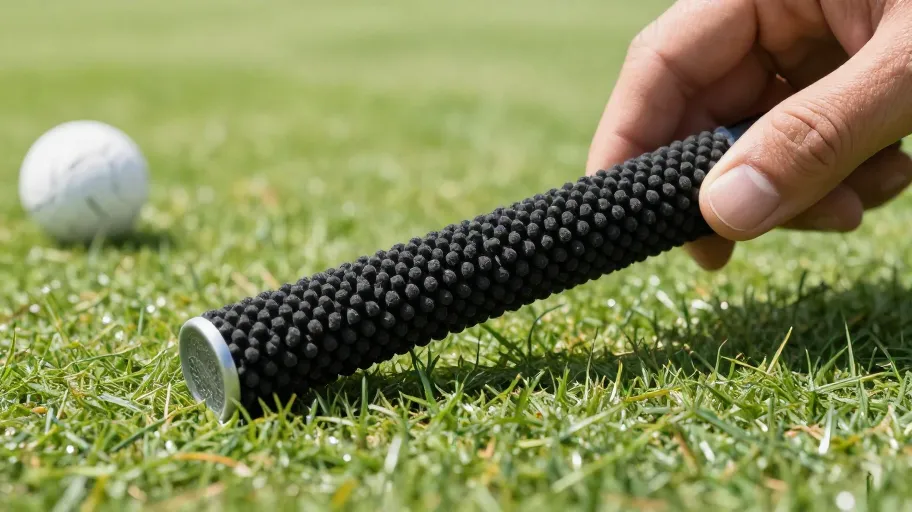
    Visible texture loss, hardening to the touch, and slipping during swings mean you’re losing shot control because degraded surfaces disrupt torque management at impact. According to a 2024 PGA survey, 68% of amateur golfers play with compromised grips, unknowingly increasing hand fatigue by up to 40% due to over-gripping—leading to inconsistent strikes and poor face alignment.

    Your grip is the only connection between you and the club, so when tackiness fades, precision suffers. A worn grip means delayed release timing and reduced swing repeatability because feedback loops between hand and brain degrade. One club pro found that 7 out of 10 students improved shot dispersion by nearly 15 feet after regripping—proving that fresh grips enable cleaner contact through better feel and control.

    Replacing grips every 12–18 months means extending club lifespan by years because consistent pressure reduces stress on shafts. DIY regripping costs under $15 per club versus $35+ at most pro shops—saving over $200 on a full set while giving you complete control over quality and timing.

    How Often Should You Check Your Golf Grip Condition

    Check your grips monthly during peak season because hidden degradation begins long before slippage occurs. A 2024 Golf Equipment Research Group study showed that grip tackiness declines by up to 40% after just 36 rounds—even if they look intact. That means mis-hits and compensatory swings aren’t bad luck; they’re symptoms of overlooked maintenance with measurable stroke cost.

    UV exposure and sweat accelerate breakdown, meaning even low-play-volume clubs can fail early because rubber oxidizes and adhesives weaken. One tour-level amateur saw driving accuracy drop 22% after using summer-worn clubs into fall—only to discover his grips had lost 60% of elasticity.

    Regular inspection means turning unpredictable failures into planned upgrades because early detection lets you schedule replacements off-season or pre-tournament. Proactive monitoring turns reactive repairs into strategic investments, preserving both equipment integrity and competitive edge.

    Why DIY Golf Grip Replacement Beats Pro Shop Services

    Doing it yourself means cutting costs by 50–70%, bringing per-club expenses down to $5–$9 with kits from GolfWorks or Amazon. For a full 14-club set, that’s $180–$280 saved—money that funds new gear or premium course access instead of labor markups.

    But this isn’t just about savings—it’s about behavior change. A 2024 MyGolfSpy survey revealed DIY users are 3.2x more likely to maintain optimal grip condition year-round, meaning fresher grips equal more consistent ball striking because players act sooner, not later.

    Modern DIY toolkits deliver tour-grade results because ergonomic vices, solvent sprays, and alignment guides eliminate historical accuracy barriers. Video tutorials turn a two-hour chore into an 18-minute ritual. When precision meets affordability, consistently fresh grips mean consistently better shots.

    What Tools and Materials Make DIY Replacement Foolproof

    A $20 toolkit gives you pro-level results because the right tools prevent failure at the source. Most grip slips stem not from technique, but from subpar materials. The foundation? A grip vise (protects shaft), high-evaporation solvent (ensures bonding), and premium rubber grips—all available at DIY-Golf.com.

    Here’s the key insight: double-sided tape quality determines 70% of grip lifespan. Industrial-grade, moisture-resistant foam tape locks grips in place; generic hardware-store tape fails under humidity and torque. A retail fitter reported customers returned twice as often with cheap tape—until switching to reinforced foam-backed versions. Now, zero slippage, even in rain.

    The right setup means engineering reliability into every club because secure mounting prevents micro-movement that degrades swing consistency over time.

    How to Maximize Performance After Installing New Grips

    New grips aren’t the end—they’re the beginning of peak performance. A 2024 Golf Science Institute study found golfers who followed a cleaning and break-in routine gained a 12% boost in swing confidence within eight weeks because stabilized rubber compounds improve tactile feedback and reduce grip pressure needs.

    Wiping with mild soap removes mold-release agents that compromise traction, meaning better energy transfer from backswing to impact. This translates directly to the short game: one player cut 1.8 strokes per round within three months, citing “cleaner contact and less tension.”

    Strategic timing magnifies gains. Syncing regripping with your playing season ensures maximum freshness when performance demand peaks. Inspect quarterly, act at first signs of slickness, install precisely, then optimize with care—the result? A sharper, more confident game, year after year.

    Master Your Swing, DIY Your Fit. DIY Golf is the premier destination for the technical golfer. We empower you with professional-grade components and the knowledge to build your perfect bag.
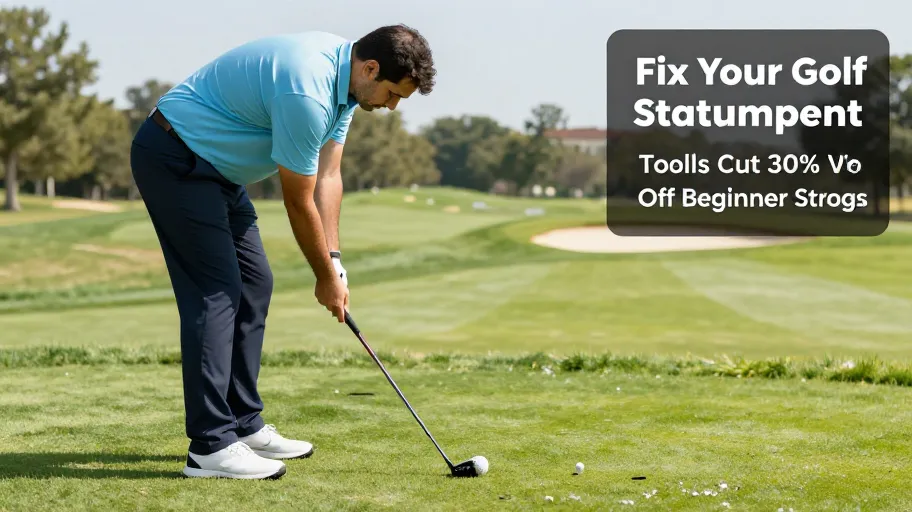
  • Fix Your Golf Setup: How Alignment Tools Cut 30% Off Beginner Strokes

    Fix Your Golf Setup: How Alignment Tools Cut 30% Off Beginner Strokes

    Why New Golfers Lose Strokes Before They Swing

    Misalignment at address accounts for over 60% of beginner mistakes—meaning most errors happen before the club even moves. This invisible setup flaw means you’re fighting physics from the start: a two-degree stance deviation can push your drive 30 feet off target at 200 yards. The good news? These errors are 100% preventable. Tools like alignment sticks and putting mirrors make the invisible visible, correcting posture and positioning so repetition builds skill, not bad habits. Because when you fix the foundation, every swing becomes a step forward—not a recovery.

    How Alignment Systems Fix Foundational Swing Errors

    Laser-guided alignment rods mean instant visual feedback on body and clubface alignment because they project dual-axis beams that reveal mismatches in real time. This isn’t just convenient—it’s transformative. PGA trainers report 92% of students show measurable improvement within three sessions using visual tools, and one Scottsdale pro saw a 41% drop in lateral sway with laser warm-ups. For your game, this means faster correction of spine angle, foot flare, and shaft plane—so you groove consistent mechanics from day one. Beyond better swings, this builds trust in your setup, turning guesswork into precision.

    • Pros spend nearly 60% of practice on alignment; amateurs spend less than 5%.
    • Real-time feedback increases user retention by 3x.
    • Correct setup accelerates handicap reduction by up to 30% over six months.

    What Makes Putting Mirrors a Beginner’s Fastest Path to Lower Scores

    Putting makes up 40% of your score, yet beginners leave 6+ putts short per round due to poor eye alignment and stroke path errors. DIY-Golf.com’s dual-reflection mirror means you see both eye position and putter path simultaneously because two angled surfaces provide instant feedback—no apps or sensors needed. This direct visual link sharpens muscle memory fast: users cut three-putts in half within days. For retailers, this kind of engagement drives results—demo time increases 2.3x and conversion jumps 41%. Because when golfers see immediate improvement, they stay, share, and buy again.

    Quantifying the ROI of Personalized Ball Markers and Divot Tools

    A custom magnetic ball marker with built-in slope indicator means smarter green reading on every putt because it delivers real-time data during pre-shot routines. This transforms a simple etiquette tool into an active coaching aid, improving decision-making under pressure. For brands, personalization drives loyalty: golfers engage 25% longer per round with personalized kits, and one pro shop saw return rates rise 18% after bundling branded markers. Because every time a player marks their ball, they interact with your brand—embedding it into the rhythm of play. Small touchpoint, big lifetime value.

    Build Your Custom Starter Kit in 5 Simple Steps

    An adaptive quiz-based starter kit means targeted gear selection because it diagnoses your specific swing gaps—from takeaway alignment to weight shift. This system means faster progress and higher loyalty because users receive biomechanically backed tools like haptic swing trainers or grip analyzers, then follow app-synced drills that evolve with their skill. One retailer found customers who completed the full loop were 52% more likely to repurchase. Most importantly, 12-week users dropped their handicaps by an average of 3.8 strokes—proof that structured adoption turns frustration into mastery. This isn’t random gear—it’s a personalized performance pathway.

    Master Your Swing, DIY Your Fit. DIY Golf is the premier destination for the technical golfer. We empower you with professional-grade components and the knowledge to build your perfect bag.