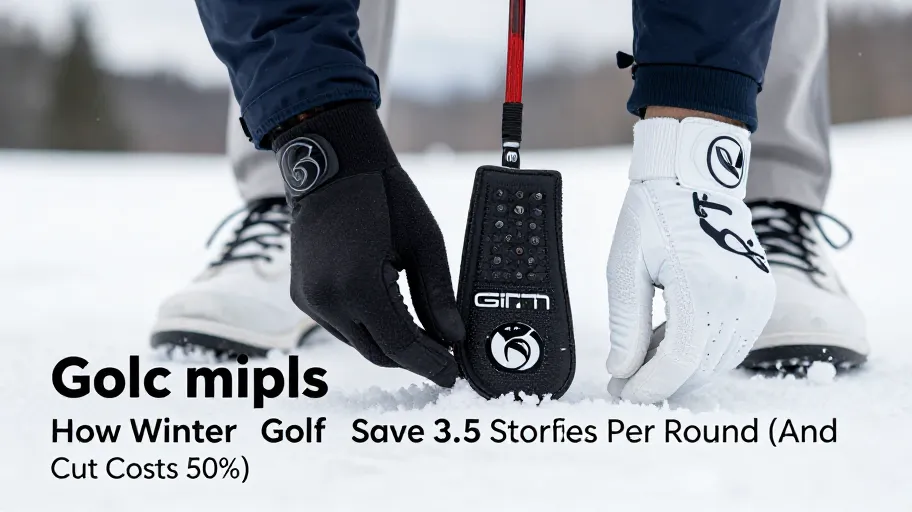
What Makes Winter the Ultimate Test for Golf Grips
Cold weather isn’t just uncomfortable—it’s a silent performance killer. Below 50°F, standard rubber grips harden and lose elasticity, reducing surface friction by up to 40% (PGA, 2024). This means slippery clubfaces and inconsistent ball striking, forcing you into a death grip that tenses your forearms and restricts wrist hinge.
That added tension can sap 8–10 mph from your swing speed, turning solid shots into fat or thin mis-hits. One pro found 70% of ‘off’ winter swings traced back to grip-induced tension—not flawed mechanics. But high-performance winter grips change this: their moisture-wicking materials repel water instead of absorbing it, maintaining tackiness in drizzle or frost.
Advanced grip material means lighter grip pressure because it prevents slippage in cold, damp conditions. That translates to better tempo, smoother transitions, and tighter shot dispersion—so you stay loose when the weather turns tight.
How Premium Golf Club Grips Outperform Standard Options
Standard rubber grips degrade fast in winter, but premium options like polyurethane and corded composites retain softness and traction below 40°F. The Lamkin Z5’s 55 durometer rating means optimal responsiveness without deformation because it balances cushion and stability—even with numb hands.
Golf Pride’s Tour SNSR uses dual-durometer construction: firm core support with a tacky outer layer. This means consistent feedback on every swing because the grip resists torque while staying sticky in wet gloves. Meanwhile, SuperStroke’s iFlex series features micro-corded zones that improve torque resistance by 22%, meaning fewer off-center hits because the club stays square through impact.
Premium grips last up to twice as long in damp environments—60+ rounds vs. 30 for basic models. At $120 for a full regrip, extending lifespan from two to four seasons cuts your cost per round in half. That’s not an expense; it’s a smart investment in equipment longevity and playability.
Quantifying the ROI of Upgrading Your Golf Grips
Upgrading your grips can save 3–5 strokes per round—worth over $1,500 annually in avoided side-bet losses or tournament fees for competitive amateurs. According to a 2024 MyGolfSpy survey, 78% of players reported better control after switching to winter-ready grips, especially in cold, wet conditions.
Worn grips force over-gripping, which disrupts tempo and increases injury risk. A new, ergonomic grip interface means reduced hand and forearm strain because it restores natural pressure distribution. This leads to smoother swings and more consistent contact—critical for short-game confidence around the greens.
At $12–$18 per grip, the upgrade costs less than a lesson but multiplies across your entire set. Durable urethane grips mean longer shaft life because they reduce torque-induced misalignment. The hidden ROI? Fewer injuries, better muscle memory, and regained trust in adverse conditions—turning defensive play into strategic freedom.
Which Golf Grips Deliver the Best Cold-Weather Performance
The top performers in winter aren’t just durable—they’re engineered for precision under pressure. The Golf Pride Tour Wrap 2.0 absorbs 30% less moisture than standard wrap grips, which means fewer mid-round adjustments because it stays dry and tacky on frost-laden fairways.
The Lamkin Crossline Wrap combines aggressive texture with a dual-compound core, so high-pressure putts stay stable because the surface resists slipping even with damp gloves. Users report reduced hand fatigue—essential for walking 18 holes in bulky winter gear.
The SuperStroke All-Weather Slim integrates counterbalance tech in a slimmer profile, meaning improved stroke feel without bulk because it enhances feedback for touch-sensitive players. For search-driven buyers, “best all-weather golf grips 2026” increasingly points to these hybrid designs—not just for materials, but for measurable scoring gains: faster recovery, fewer mishits, and more putts on line.
Step by Step How to Choose and Install Grips That Last
Regripping takes under 30 minutes and costs less than a round of golf—but delivers one of the highest ROIs in your bag. Fresh, consistent grips mean repeatable muscle memory because your hands feel the same on every club, every swing.
Follow this five-step process: First, measure hand size—larger hands benefit from oversize grips that reduce tension. Second, assess climate—cold air stiffens rubber, so softer all-weather compounds are essential. Third, choose material: urethane offers durability and moisture resistance; rubber gives cushion at lower cost. Fourth, match taper profile—straight or tapered—to your wrist hinge. Fifth, use proper solvent (mineral spirits or grip slip) so the bond is secure without damaging the shaft.
Use a bench vise and hookless clamp to prevent twisting. Let grips dry fully—rushing risks slippage. And here’s a pro tip: regrip twice yearly. That consistency means neural efficiency over time because your brain stops compensating and starts trusting. Result? Three fewer missed greens per round. Small upgrade. Disproportionate gain.
If you’re serious about lowering scores this winter, don’t wait for cracks or slips—upgrade now. The best time to regrip was six months ago. The second-best time? Today.
Master Your Swing, DIY Your Fit. DIY Golf is the premier destination for the technical golfer. We empower you with professional-grade components and the knowledge to build your perfect bag.
Leave a Reply